Sizzling Steak Tacos (The Technique That Changes Everything)
Thin-sliced, high-heat seared skirt or flank steak piled into warm corn tortillas with fresh salsa, cilantro, and lime. We broke down the most-watched street taco methods on YouTube to isolate the exact cut, marinade time, and sear technique that separates unforgettable tacos from the kind you forget by Tuesday.
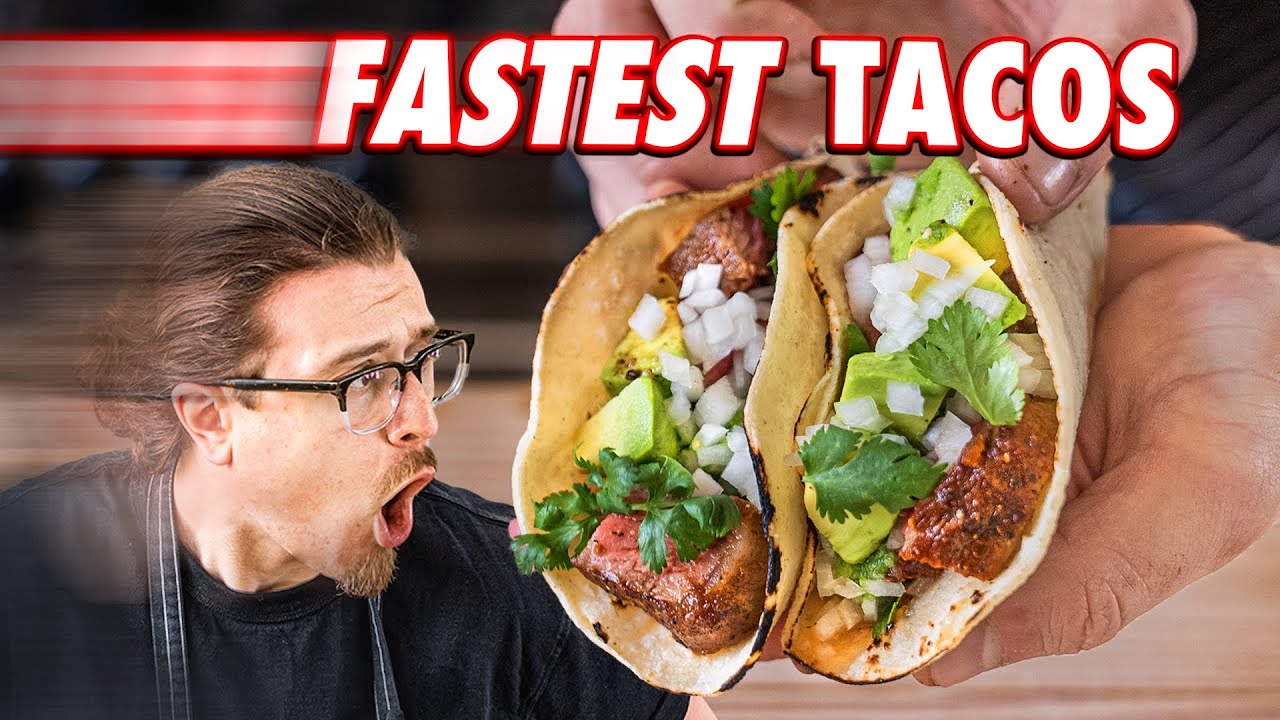
“Most homemade steak tacos fail before the meat ever hits the pan. The cut is wrong, the marinade is too acidic, or the sear temperature is too low and the steak steams instead of chars. Street tacos taste the way they do because of three non-negotiable variables: the right cut (skirt, not sirloin), a ripping-hot cast iron or griddle, and a marinade that builds crust instead of destroying texture. We reverse-engineered the most-watched taco methods on YouTube to find the exact sequence that delivers char, tenderness, and flavor in every single bite.”
Why This Recipe Works
Steak tacos are a study in what happens when you take a humble, inexpensive cut of beef and apply precision instead of improvisation. The dish exists in every taqueria in Mexico in essentially the same form — same cut, same heat, same toppings — because the method was already optimized centuries before food blogs existed. What home cooks get wrong is not the ingredients. It's the physics.
The Cut Is the Foundation
Walk past the ribeye. Skip the sirloin. You want skirt steak, and the reason is structural. Skirt steak comes from the plate section of the cow — the diaphragm muscle — which means it works hard during the animal's life and develops long, open muscle fibers with significant intramuscular fat running between them. That open grain does two things: it absorbs marinade along the entire length of each fiber (not just the surface), and it shortens dramatically when sliced against the grain, turning what looks like a chewy strip of beef into a tender, yielding bite.
Flank steak is an acceptable substitute. It's leaner, slightly more uniform in thickness, and a touch less fatty — which means it forgives slightly less on the sear. Every other common beef cut at the grocery store is wrong for this application. Thick, dense muscles need long cook times to become tender, and long cook times destroy the char that makes a taco a taco.
Marinade as Surface Treatment, Not Braising Liquid
The marinade for steak tacos is not there to transform the meat. It is there to season the surface, introduce aromatics that will caramelize during the sear, and provide a thin, flavor-concentrated coating that the high heat of a cast iron skillet will turn into crust. The lime juice provides acid to gently open the surface proteins for seasoning absorption. The orange juice brings natural sugars that promote browning via the Maillard reaction. The garlic, cumin, and smoked paprika build the char's flavor architecture.
The fatal mistake is treating this marinade like a long braise. Citrus acid at high concentrations begins denaturing protein within the first hour. By hour three, the surface of your skirt steak has turned from deep red to an unappealing grey-pink, and the texture shifts from firm to mushy — a state from which no amount of heat can rescue it. One hour is optimal. Two is the limit. Write it on your hand if you need to.
The Sear Is the Recipe
Everything in this dish exists to support one moment: when marinated, bone-dry steak hits a ripping-hot cast iron skillet that has been preheating for three to four minutes on high. At that temperature, the pan surface is hovering around 500°F. When cold wet metal (steak) meets that heat, two things can happen: the moisture evaporates instantly and the surface browns, or the moisture doesn't evaporate fast enough and the surface steams. The first produces a crust. The second produces a grey, flavored piece of braised protein that shares almost nothing with a street taco.
This is why patting the steak completely dry after marinating is not a suggestion — it is the single most impactful step in the entire recipe. Water requires significant energy to evaporate, and until it does, the surface temperature of the meat cannot exceed 212°F. The Maillard reaction that creates browning and crust doesn't meaningfully begin until around 280-300°F. Every drop of moisture on the surface is a delay tax. A dry steak dropped into a smoking-hot pan is paying no tax at all.
The Slice Is the Final Variable
Assuming the sear went correctly, the steak comes off the pan with a mahogany crust, a rosy interior, and enough residual heat to finish the job on a wire cooling rack during a five-minute rest. Now comes the cut that most home cooks execute in the wrong direction.
Look at the surface of your rested steak. You'll see lines — long parallel striations running across the muscle. Those are the muscle fibers, and they run in a single direction. Cutting parallel to those fibers gives you long, intact muscle strands that require your molars to tear through. Cutting perpendicular to those fibers — against the grain — shortens each strand to a fraction of an inch, reducing chewing resistance to almost nothing. Same steak. Same sear. Opposite mouthfeel. The grain direction is the difference between a taco that tastes expensive and one that tastes like a gym shoe.
Thin slices, against the grain, finished with a pinch of flaky salt and assembled immediately onto double-stacked charred corn tortillas with cold salsa and raw white onion. The temperature contrast is intentional. The double tortilla is structural. The lime wedge is mandatory. This is not a recipe with room for personal interpretation at the assembly stage — it's a precision instrument, and it rewards people who treat it as one.
Where Beginners Mess This Up
Before we start, read this. These are the 4 reasons your sizzling steak tacos (the technique that changes everything) will fail:
- 1
Using the wrong cut of beef: Sirloin, ribeye, and filet are expensive and wrong for tacos. You need skirt steak or flank steak — cuts with loose, open grain that absorbs marinade quickly and chars fast at high heat. Thick, dense cuts take longer to cook, lose their sear advantage, and dry out by the time the center reaches safe temperature. Skirt steak is the street taco standard for a reason.
- 2
Marinating too long with citrus: Lime juice is acid. Acid denatures protein. More than 2 hours in a citrus-heavy marinade and your skirt steak goes from tender to mealy and gray before it even touches heat. The marinade isn't there to cook the meat — it's there to season the surface and build fond during the sear. One hour is enough. Two is the maximum.
- 3
Searing on a cold or overcrowded pan: A lukewarm skillet produces grey, steamed meat with no crust. You need the pan preheated on high heat for at least 3 minutes before the steak goes in — hot enough that a drop of water evaporates instantly on contact. Crowding the pan drops the temperature the same way, so cook in batches. Crust requires uninterrupted, intense dry heat.
- 4
Skipping the rest before slicing: Cutting steak immediately after pulling it from the heat sends all the accumulated juices pouring onto the cutting board instead of redistributing through the meat. Five minutes of rest on a wire rack keeps those juices inside. The difference between a rested and unrested steak in a taco is the difference between juicy and dry.
The Video Reference Library
Want to see it in action? Here are the exact videos we analyzed and combined to build this foolproof recipe translation:
The primary reference video. Covers the marinade composition, cast iron sear technique, and slicing method with clear close-ups of crust development at each stage.
Deep dive into the skirt vs. flank cut debate and why the grain direction matters more than most taco recipes acknowledge. Good visual reference for what properly rested, sliced steak looks like.
Focused entirely on tortilla technique — how to char, stack, and double-layer corn tortillas the way Mexican street vendors do. The tortilla prep section alone makes this worth watching.
🛠️ Core Equipment
- Cast iron skillet or carbon steel panRetains heat more effectively than stainless or nonstick, which means the surface temperature doesn't drop when cold meat hits it. The intense, even heat is what creates the char crust that defines great steak tacos. A thin pan cannot hold the temperature required.
- Sharp boning or slicing knifeSkirt and flank steak must be sliced against the grain into thin strips. A dull knife tears the muscle fibers instead of cutting cleanly, producing shredded, chewy pieces. A sharp blade makes clean cuts that stay tender in the mouth.
- Wire cooling rackResting meat on a flat plate traps steam underneath and softens the crust you just worked to build. A wire rack allows air circulation on all sides, preserving the char while the juices redistribute.
- Flat comal or dry skillet for tortillasCorn tortillas need direct dry heat to char slightly and become pliable without becoming brittle. A wet tortilla folded cold is a liability — it splits and drops your filling. Thirty seconds per side on a hot comal transforms a cold tortilla into the structural backbone of the whole taco.
Sizzling Steak Tacos (The Technique That Changes Everything)
🛒 Ingredients
- ✦1.5 pounds skirt steak or flank steak
- ✦3 tablespoons fresh lime juice (about 2 limes)
- ✦2 tablespoons orange juice
- ✦3 tablespoons neutral oil (avocado or vegetable), divided
- ✦4 garlic cloves, minced
- ✦1 teaspoon ground cumin
- ✦1 teaspoon smoked paprika
- ✦1/2 teaspoon dried oregano
- ✦1/2 teaspoon chili powder
- ✦1 teaspoon kosher salt
- ✦1/2 teaspoon freshly ground black pepper
- ✦12 small corn tortillas
- ✦1/2 white onion, finely diced
- ✦1 cup fresh cilantro leaves, roughly chopped
- ✦2 limes, cut into wedges
- ✦2 jalapeños, thinly sliced (optional)
- ✦1/2 cup salsa verde or pico de gallo
- ✦Flaky sea salt for finishing
👨🍳 Instructions
01Step 1
Combine lime juice, orange juice, 2 tablespoons oil, garlic, cumin, smoked paprika, oregano, chili powder, salt, and pepper in a bowl or zip-lock bag. Add the steak and turn to coat completely.
02Step 2
Marinate at room temperature for 45 minutes, or refrigerate for up to 2 hours. Do not exceed 2 hours.
03Step 3
Pat the steak completely dry with paper towels before cooking. Remove every trace of surface moisture.
04Step 4
Heat a cast iron skillet over high heat for 3-4 minutes until smoking. Add the remaining tablespoon of oil and swirl to coat.
05Step 5
Lay the steak flat in the pan without moving it. Sear for 3-4 minutes on the first side until a deep brown crust forms. Flip once and cook for 2-3 minutes on the second side.
06Step 6
Transfer the steak to a wire rack and rest for 5 minutes. Do not tent it with foil — the trapped steam will soften the crust.
07Step 7
While the steak rests, char the corn tortillas directly on a hot dry comal or skillet for 20-30 seconds per side until they develop light char spots and become pliable.
08Step 8
Identify the grain direction of the rested steak (the lines running across the muscle). Slice perpendicular to those lines into thin strips, about 1/4 inch thick.
09Step 9
Chop the sliced steak into smaller bite-sized pieces and finish with a pinch of flaky sea salt.
10Step 10
Build each taco: double-stacked tortillas, a generous pile of steak, diced white onion, fresh cilantro, and a squeeze of lime. Add sliced jalapeño and salsa verde to taste.
Nutrition Per Serving
Estimates based on standard preparation. Adjustments alter macros.
🔄 Substitutions
Instead of Skirt steak...
Use Flank steak
Slightly less fat than skirt but equally good grain structure for slicing. Takes 1-2 minutes longer to reach medium-rare. Excellent substitute at a comparable price point.
Instead of Corn tortillas...
Use Flour tortillas
Softer, more pliable, and less likely to crack — but they mask the char flavor of the steak rather than complementing it. Use corn if you can.
Instead of Avocado oil...
Use Refined coconut oil
High smoke point makes it a functional swap. Adds very faint sweetness. Do not use unrefined coconut oil — it smokes acridly at cast iron temperatures.
Instead of Jalapeño...
Use Serrano pepper
Hotter and slightly brighter in flavor. Use half the amount if you're sensitive to heat. Serrano holds up better to the lime squeeze at assembly.
🧊 Storage & Reheating
In the Fridge
Store sliced steak in an airtight container for up to 3 days. Keep tortillas and toppings separate to prevent sogginess.
In the Freezer
Freeze the cooked, sliced steak in a sealed bag for up to 2 months. Thaw overnight in the fridge and reheat in a dry cast iron skillet on medium-high for 90 seconds.
Reheating Rules
Reheat steak in a dry cast iron skillet over medium-high heat for 1-2 minutes. Do not microwave — it dries the meat and kills whatever crust remains. A quick hit of dry heat revives it.
❓ Frequently Asked Questions
Skirt steak vs. flank steak — which is better for tacos?
Skirt steak is the traditional choice for street tacos because it has a more open grain, absorbs marinade faster, and chars more aggressively at high heat. Flank steak is leaner, slightly firmer, and a good substitute. Both work. Avoid anything labeled 'stew beef' or pre-cubed — the cut matters.
How do I keep my tortillas from cracking?
Crack means cold and dry. Warm each tortilla directly on a hot dry skillet or open flame for 20-30 seconds per side right before assembly. The brief heat makes them steam-pliable. Stacking them in a cloth towel right off the heat keeps them warm and flexible for several minutes.
Can I cook the steak on an outdoor grill instead?
Yes — and many argue it's better. A charcoal grill running at 500°F+ produces char that a cast iron can't fully replicate. Cook skirt steak 2-3 minutes per side over direct high heat. The technique and slicing rules remain identical.
Why does my steak come out grey instead of brown?
Three causes: pan wasn't hot enough, steak was too wet when it hit the pan, or you moved it too soon and interrupted the Maillard reaction. All three produce steam instead of sear. Dry the steak, preheat longer, and resist touching it for the full 3 minutes per side.
Is medium-rare safe for skirt steak?
Yes. Whole muscle cuts like skirt and flank steak carry bacteria only on the surface, which is destroyed at the sear temperature. Unlike ground beef, the interior of an intact steak is sterile. Medium-rare (130°F internal) is the standard and preferred doneness for this cut.
What's the best salsa for steak tacos?
Salsa verde (tomatillo-based) is the traditional pairing because its acidity cuts through the fat of the seared steak without competing with the lime in the marinade. A fresh red pico de gallo works equally well. Avoid jarred tomato salsa — it's too sweet and watery for street-style tacos.

The Science of
Sizzling Steak Tacos (The Technique That Changes Everything)
We turned everything on this page into a beautiful, flour-proof PDF cheat sheet. Print it out, stick it to your fridge, and never mess up your sizzling steak tacos (the technique that changes everything) again.
*We'll email you the high-res PDF instantly. No spam, just perfectly cooked meals.
AlmostChefs Editorial Team
We translate the internet's most popular cooking videos into foolproof, beginner-friendly written recipes. We analyze multiple methods, test them in our kitchen, and engineer a single "Master Recipe" that gives you the best possible result with the least possible stress.