Better-Than-Starbucks Pumpkin Bread (No Coffee Shop Required)
A moist, spiced pumpkin quick bread that nails the Starbucks original at home — dense, cake-like crumb, warm cinnamon-nutmeg-clove backbone, and a fraction of the cost. We broke down every variable to give you the foolproof technique that gets the texture right on the first try.

“Starbucks charges four dollars a slice for something you can make in 70 minutes at home, twelve slices at a time. The difference between a pale, gummy loaf and that familiar dense-yet-tender crumb comes down to three variables: not overmixing the batter, nailing the internal doneness test, and letting it cool completely before you cut it. Skip any one of these and you'll be disappointed. Follow all three and you'll stop buying it by the slice forever.”
Why This Recipe Works
Starbucks doesn't have a secret ingredient. They have a process that home bakers consistently undermine with three decisions: they mix too aggressively, they pull the loaf too early, and they slice it before the structure sets. Fix those three things and you have a loaf that is indistinguishable from the original — and probably better, because yours came out of the oven an hour ago.
The Mixing Problem
Quick bread is not cake batter. It is not pancake batter. It is a leavened batter built on the deliberate underdevelopment of gluten — and every extra stir works against you. Wheat flour contains two proteins, glutenin and gliadin, that link together into gluten strands when agitated in the presence of water. In yeast bread, you want those strands long and elastic. In quick bread, you want them barely formed.
Fold the wet into the dry with a rubber spatula — not a whisk, not a wooden spoon, not a stand mixer — until the last streak of flour disappears. That is the finish line. Anything beyond that is damage you cannot undo. The difference in texture between a properly folded loaf and an overmixed one is the difference between Starbucks pumpkin bread and the dense, springy thing you've pulled out of the oven wondering what went wrong.
Pumpkin Is Not Uniform
Canned pumpkin puree has a moisture problem nobody talks about. Depending on the brand, the same 15-ounce can can vary by two or three tablespoons of water content — enough to take a perfectly balanced batter from moist to gummy. Before you measure your pumpkin, look at it. If it flows easily, spoon it onto a paper towel and press. If it holds its shape like a thick paste, it's fine to use directly. This is not fussiness. It is the difference between a clean toothpick and a collapsed center.
The spices in this bread — cinnamon, nutmeg, cloves, ginger — are the entire point. Pumpkin on its own tastes of almost nothing. It is a vehicle, not a flavor. The warm spice profile is what you're actually after, which means whisking the dry ingredients thoroughly before anything else so those spices are evenly distributed throughout every slice, not concentrated in one corner of the bowl.
Doneness Is Not a Timer
Oven temperatures lie. Bakeware conducts heat differently. Pumpkin moisture varies. A timer tells you when to start checking — the toothpick tells you when to stop. Insert it into the dead center of the loaf, the last place heat reaches. Wet batter means more time. Moist crumbs means done. Clean means slightly over — edible, but drier than it should be.
The 50-minute check is the important one. Most loaves are done somewhere between 50 and 60 minutes, and there is nothing to gain by waiting for the 60-minute mark before you look. Check early. Check with a toothpick. Pull it the second you see crumbs.
The Cooling Phase Is Cooking
This is where most home bakers lose the loaf they just made correctly. A quick bread that comes out of the oven is not done. The starch structure inside is still setting, the residual heat is still driving off moisture, and the crumb is too hot and fragile to hold its structure under a knife. Cut it at 20 minutes and it tears, compresses, and looks raw even when it isn't.
Turn it out of the pan onto a wire cooling rack after 15 minutes — not before, because it needs that time to firm up enough to release cleanly, and not after, because steam trapped under the pan makes the bottom crust soggy. Then leave it alone. The full cool takes one to two hours. The overnight rest in the fridge, wrapped tight, is better still — the pumpkin flavor deepens and the crumb firms into something that slices cleanly and evenly instead of compressing under the knife.
Four dollars a slice or seventy minutes at home. The math is not complicated.
Where Beginners Mess This Up
Before we start, read this. These are the 4 reasons your better-than-starbucks pumpkin bread (no coffee shop required) will fail:
- 1
Overmixing the batter: Pumpkin bread batter should be folded until just combined — ten to fifteen gentle strokes with a spatula, no more. Every extra stroke develops more gluten, and excess gluten in a quick bread means a tough, dense, rubbery crumb instead of the tender cake-like texture you're after. Streaks of flour disappearing is the finish line. Stop there.
- 2
Using wet pumpkin puree: Canned pumpkin puree varies significantly in moisture content by brand. If your batter looks noticeably thin — almost pourable — your puree is too wet. Spoon it onto a paper towel and press out excess moisture before measuring. One tablespoon of excess liquid per loaf is the difference between moist and gummy.
- 3
Pulling the loaf too early: Pumpkin bread looks done before it is. The deep orange color masks underbaking, and a gooey center collapses as it cools. The only reliable test: a toothpick inserted into the dead center should come out with a few moist crumbs, not raw batter. If it comes out clean, you may have slightly overbaked — pull it the moment you see crumbs.
- 4
Slicing before it cools: The crumb structure of a quick bread isn't fully set until it reaches room temperature. Cut it hot and it tears, compresses, and looks undercooked even when it isn't. Wait the full hour to two hours on the wire rack. Overnight in the fridge, wrapped tight, is genuinely better.
The Video Reference Library
Want to see it in action? Here are the exact videos we analyzed and combined to build this foolproof recipe translation:
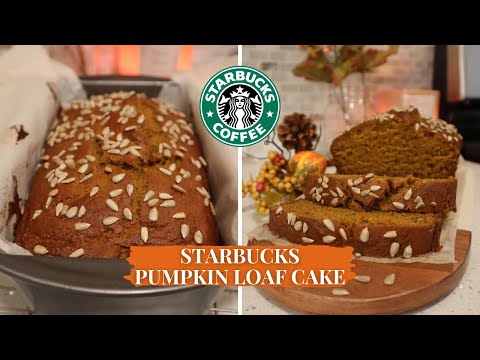
Step-by-step walkthrough of the full recipe with close-ups of batter consistency, the toothpick test, and the finished crumb. Best reference for understanding what 'just combined' actually looks like.
2. Quick Bread Science Explained
Deep dive into the chemistry of leavening in quick breads — why baking soda and baking powder work together, and what happens to gluten when you overmix.
3. Fall Baking FundamentalsCovers spice blooming, pumpkin puree moisture management, and cooling technique. Useful companion for anyone baking pumpkin bread for the first time.
🛠️ Core Equipment
- Standard 9x5 inch loaf pan ↗The size controls bake time and crumb structure. A smaller pan makes a taller loaf that stays raw in the center. A larger pan spreads too thin and dries out. 9x5 is the calibrated standard — don't substitute.
- Wire cooling rack ↗Cooling in the pan traps steam under the loaf and makes the bottom crust soggy. A wire rack allows airflow on all sides so the exterior firms up properly while the crumb finishes setting.
- Rubber spatula ↗For folding, not stirring. The flat blade lets you cut through the batter and turn it over without the aggressive agitation that a whisk or spoon introduces. This single tool swap is what keeps the gluten development in check.
- Toothpick or thin cake tester ↗The only honest doneness indicator for a quick bread. Oven temperatures vary, loaf pans vary, pumpkin moisture varies. A timer tells you when to start checking — the toothpick tells you when it's actually done.
Better-Than-Starbucks Pumpkin Bread (No Coffee Shop Required)
🛒 Ingredients
- ✦1.75 cups all-purpose flour
- ✦1 teaspoon baking soda
- ✦0.5 teaspoon baking powder
- ✦0.5 teaspoon salt
- ✦1.5 teaspoons ground cinnamon
- ✦0.5 teaspoon ground nutmeg
- ✦0.25 teaspoon ground cloves
- ✦0.25 teaspoon ground ginger
- ✦1 cup pumpkin puree
- ✦0.75 cup granulated sugar
- ✦0.33 cup brown sugar
- ✦0.5 cup vegetable oil
- ✦2 large eggs
- ✦0.25 cup water
- ✦1 teaspoon vanilla extract
👨🍳 Instructions
01Step 1
Preheat your oven to 350°F. Grease a standard 9x5 inch loaf pan with cooking spray or butter, then lightly flour the interior and tap out the excess.
02Step 2
In a medium bowl, whisk together the flour, baking soda, baking powder, salt, cinnamon, nutmeg, cloves, and ginger until the spices are evenly distributed throughout the flour.
03Step 3
In a large bowl, whisk together the pumpkin puree, granulated sugar, brown sugar, vegetable oil, eggs, water, and vanilla extract until smooth and fully incorporated.
04Step 4
Pour the wet ingredients into the dry ingredients. Using a rubber spatula, fold gently until just combined — stop the moment the last streaks of flour disappear. Do not stir.
05Step 5
Transfer the batter to the prepared loaf pan and smooth the top with a spatula.
06Step 6
Bake for 50 to 60 minutes, checking for doneness at the 50-minute mark by inserting a toothpick into the dead center of the loaf.
07Step 7
Remove the pan from the oven and let the bread cool in the pan for 15 minutes — no longer. Then turn it out onto a wire cooling rack.
08Step 8
Allow the bread to cool completely on the wire rack before slicing — at least 1 hour, ideally 2. The crumb is still setting during this time.
09Step 9
Slice and serve. For best flavor, wrap the cooled loaf tightly in plastic wrap and refrigerate overnight before serving.
Nutrition Per Serving
Estimates based on standard preparation. Adjustments alter macros.
🔄 Substitutions
Instead of All-purpose flour...
Use 1.5 cups whole wheat flour plus 0.25 cup all-purpose flour
Produces a slightly denser crumb with a nuttier flavor. Add 1-2 extra tablespoons of water to compensate for whole wheat's higher absorption. Increases fiber and slows blood sugar response.
Instead of Granulated sugar and brown sugar (1 cup total)...
Use 0.75 cup coconut sugar, or 0.5 cup honey plus 0.25 cup coconut sugar
Coconut sugar behaves nearly identically to brown sugar — swap 1:1. If using honey, reduce the water in the recipe by 1-2 tablespoons since honey adds moisture. Lower glycemic index than refined sugar.
Instead of Vegetable oil...
Use 0.5 cup unsweetened applesauce plus 2 tablespoons coconut oil
Reduces total fat significantly while maintaining moisture. Adds a subtle apple undertone that plays well with the warm spices. Texture will be slightly lighter and less rich.
Instead of 2 large eggs...
Use 3 tablespoons ground flaxseed mixed with 9 tablespoons water, rested 5 minutes
Flax eggs bind adequately in quick breads. Expect a slightly earthier flavor and marginally denser crumb. Works well with the whole wheat substitution above for a fully plant-based loaf.
🧊 Storage & Reheating
In the Fridge
Wrap tightly in plastic wrap or store in an airtight container for up to 5 days. Flavor peaks on day two.
In the Freezer
Slice before freezing. Wrap individual slices in plastic, then store in a zip-lock bag for up to 3 months. Thaw at room temperature for 30 minutes or microwave a slice for 20-30 seconds.
Reheating Rules
A 20-second microwave hit restores the fresh-baked texture without drying it out. For a warm, slightly crispy exterior, toast a slice in a dry skillet over medium-low heat for 2 minutes per side.
❓ Frequently Asked Questions
Why is my pumpkin bread gummy in the center?
Two likely causes: underbaking or excess moisture in the pumpkin puree. Always test with a toothpick at the 50-minute mark. If the toothpick pulls out wet batter, bake in 5-minute increments until you get moist crumbs. Also check your pumpkin — if it looked watery in the can, excess moisture carries through to the final texture.
Can I use fresh pumpkin instead of canned?
Yes, but you have to roast and puree it yourself, and then you have to drain it aggressively — fresh pumpkin puree is far wetter than canned. Spread the fresh puree on paper towels and press out as much moisture as possible before measuring. Canned pumpkin is consistent precisely because this work is already done for you.
Can I make this into muffins instead of a loaf?
Absolutely. Fill a standard muffin tin two-thirds full and bake at 350°F for 20-25 minutes. The toothpick test still applies. Muffins are a better choice if you want portion control or need to serve a crowd quickly.
Why does the recipe use both baking soda and baking powder?
They serve different functions. Baking soda reacts immediately with the acidic ingredients (brown sugar, pumpkin) to start the rise. Baking powder is double-acting — it reacts once when wet and again when hot, providing lift throughout the bake. Together they give you a tender crumb without an overly tight structure.
Is pumpkin puree the same as pumpkin pie filling?
No, and this distinction matters. Pumpkin puree is 100% cooked pumpkin. Pumpkin pie filling contains added sugar, spices, and sometimes thickeners. Using pie filling instead of puree will make the bread cloyingly sweet and throw off the spice balance entirely. The can label matters — check it.
How do I know if I've overmixed the batter?
If you worked the batter past the point of no visible flour streaks, run your spatula through it and look at the surface. An overmixed batter will look smooth and slightly elastic, almost like a thick pancake batter. A properly folded batter looks a little rough and uneven. Overmixed bread will bake up with a tough, chewy crumb — still edible, but noticeably less tender than it should be.
The Science of
Better-Than-Starbucks Pumpkin Bread (No Coffee Shop Required)
We turned everything on this page into a beautiful, flour-proof PDF cheat sheet. Print it out, stick it to your fridge, and never mess up your better-than-starbucks pumpkin bread (no coffee shop required) again.
*We'll email you the high-res PDF instantly. No spam, just perfectly cooked meals.
AlmostChefs Editorial Team
We translate the internet's most popular cooking videos into foolproof, beginner-friendly written recipes. We analyze multiple methods, test them in our kitchen, and engineer a single "Master Recipe" that gives you the best possible result with the least possible stress.