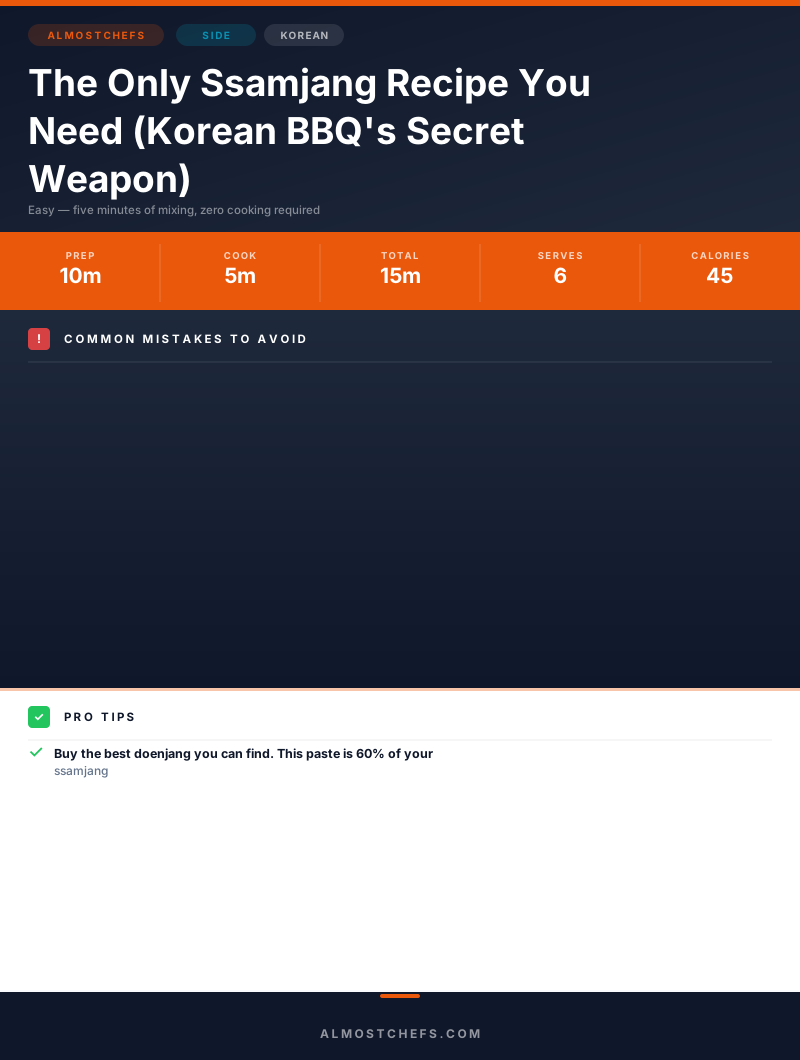
The Only Ssamjang Recipe You Need (Korean BBQ's Secret Weapon)
A thick, savory Korean wrap paste built on fermented soybean paste and chili paste, cut with sesame oil, garlic, and green onion. The essential condiment for Korean BBQ wraps — and one of the most gut-health-forward fermented foods in the Korean pantry.

“Every Korean BBQ table has a dish of ssamjang sitting in the center, and most people treat it as an afterthought. It shouldn't be. Ssamjang is what makes the difference between a lettuce wrap that tastes like grass and one that tastes like the best thing you've eaten all year. Two fermented bases, one toasted fat, and a handful of aromatics. That's the whole formula. Get the ratio right and you'll never buy the jarred version again.”
Why This Recipe Works
Ssamjang is the condiment that Korean BBQ cannot exist without, and almost everyone who makes it at home gets the ratio wrong. The mistake is understandable: gochujang is more famous internationally, its fire-red color photographs better, and most Korean pantry articles mention it first. So home cooks default to equal parts, or worse, gochujang-heavy blends that produce a paste tasting mostly of sweet heat and nothing else.
The actual architecture of ssamjang is doenjang-forward. The doenjang is the structural element — a deeply fermented soybean paste with a pungent, complex funkiness that took months of microbial activity to develop. It provides savory depth, umami, and a slightly coarse texture that makes ssamjang feel like a condiment rather than a sauce. Gochujang is the accent: fermented, yes, but sweeter and more one-dimensional, playing a supporting role rather than leading.
The Fermentation Foundation
Both base ingredients are alive in the most literal sense. Doenjang and gochujang are lacto-fermented foods, meaning they contain live cultures, B vitamins, and the gut health compounds associated with traditionally fermented Korean foods. This is not incidental to ssamjang's flavor — it is the flavor. The complexity you taste is the accumulated output of months of microbial transformation: proteins broken into amino acids, sugars converted into organic acids, raw soybeans and chilies metabolized into something entirely new.
This is also why paste quality matters more than technique in this recipe. There is almost no cooking involved — you are combining, not transforming. A mass-produced doenjang with added MSG and preservatives will produce a flat, one-dimensional ssamjang regardless of how carefully you measure. A traditionally fermented doenjang — labeled with soybeans, salt, and water, nothing else — brings complexity that no technique can manufacture. Buy the best you can find.
The Sesame Architecture
Sesame appears twice in this recipe: toasted whole seeds and sesame oil. They serve different functions. The oil carries fat-soluble aromatic compounds throughout the paste, softening the fermented edges and providing the characteristic nutty undertone. The toasted seeds add texture and a fresh, roasted note that bottled oil alone — which oxidizes over time — cannot fully replicate.
The key step is crushing the seeds only partially. A mortar and pestle gives you control: eight to ten firm strokes cracks the outer hull and releases oil without grinding them to dust. This releases maximum flavor while maintaining the textural contrast that makes ssamjang interesting to eat rather than just coating.
The Rest Principle
Fresh-made ssamjang is technically complete but gastronomically unfinished. The garlic is sharp and forward, the two pastes haven't fully integrated, and the sesame oil sits as a separate layer in the bowl. Thirty minutes of refrigerated rest gives the acid compounds in the fermented pastes time to mellow the raw allicin in the garlic, the sesame oil time to emulsify into the paste, and the whole mixture time to become one coherent thing rather than several ingredients sharing a bowl.
An overnight rest is better. Day-three ssamjang, served with crisp romaine leaves, thin-sliced grilled pork belly, and a small mound of warm rice, is one of the most complete eating experiences Korean cuisine produces. The fermented depth, the garlic warmth, the sesame richness, the clean chili heat — all calibrated and balanced, nothing competing.
That is why ssamjang exists. Not as a sauce to pour on things, but as a precision instrument for building one perfect bite at a time.
Where Beginners Mess This Up
Before we start, read this. These are the 4 reasons your the only ssamjang recipe you need (korean bbq's secret weapon) will fail:
- 1
Using equal parts doenjang and gochujang: Most jarred ssamjang skews heavily toward gochujang because it's cheaper and more recognizable to non-Korean markets. Authentic ssamjang is doenjang-forward — typically a 2:1 ratio of doenjang to gochujang. Too much gochujang flattens the complexity into pure heat. The doenjang is where the depth lives.
- 2
Using raw sesame oil without toasting the seeds separately: Sesame oil carries the nutty fat that ties ssamjang together, but bottled sesame oil varies wildly in intensity. Toasting a small amount of sesame seeds separately and crushing them slightly before adding gives you a fresher, more layered sesame note that bottled oil alone cannot replicate.
- 3
Skipping the rest time: Ssamjang made and served immediately tastes sharp and disjointed. The garlic is aggressive, the pastes are competing. Let it sit for at least 30 minutes — refrigerated — and the flavors meld into something coherent. Overnight is significantly better.
- 4
Over-sweetening to balance heat: Adding too much honey or sugar to tame the gochujang turns ssamjang into a condiment that tastes like barbecue sauce. A small amount of sweetness rounds the edges; more than a teaspoon overwhelms the fermented backbone that makes the paste interesting.
🛠️ Core Equipment
- Small mixing bowlSsamjang comes together by hand. No blending, no food processor. A ceramic or stone [mixing bowl](/kitchen-gear/review/mixing-bowls) keeps the paste cool and prevents oxidation.
- Mortar and pestleFor crushing the toasted sesame seeds. A quick 10-second crush releases the oils without turning them into paste. A [mortar and pestle](/kitchen-gear/review/mortar-and-pestle) gives you control that a food processor cannot.
- Small skilletFor dry-toasting the sesame seeds. A [stainless steel skillet](/kitchen-gear/review/stainless-steel-skillet) heats evenly and lets you see color develop without the seeds disappearing into a nonstick surface.
The Only Ssamjang Recipe You Need (Korean BBQ's Secret Weapon)
🛒 Ingredients
- ✦3 tablespoons doenjang (Korean fermented soybean paste)
- ✦1.5 tablespoons gochujang (Korean chili paste)
- ✦1 tablespoon toasted sesame oil
- ✦1 tablespoon sesame seeds, dry-toasted
- ✦3 cloves garlic, minced
- ✦2 green onions, finely chopped
- ✦1 teaspoon honey or rice syrup
- ✦1 teaspoon toasted sesame seeds, lightly crushed, for finishing
- ✦Optional: 1 teaspoon finely diced Korean green chili for extra heat
👨🍳 Instructions
01Step 1
Dry-toast the sesame seeds in a small skillet over medium heat for 2-3 minutes, shaking frequently, until golden and fragrant. Remove from heat immediately.
02Step 2
Lightly crush half the toasted sesame seeds in a mortar and pestle — 8-10 strokes. You want cracked seeds, not paste.
03Step 3
In a small bowl, combine the doenjang and gochujang. Mix thoroughly until fully integrated with no visible streaks.
04Step 4
Add the minced garlic, chopped green onion, sesame oil, and honey. Mix well.
05Step 5
Fold in the crushed sesame seeds.
06Step 6
Taste and adjust: more doenjang for depth, more gochujang for heat, a touch more honey if the paste is sharp.
07Step 7
Cover and refrigerate for at least 30 minutes before serving. Top with the whole toasted sesame seeds and sliced green chili if using.
Nutrition Per Serving
Estimates based on standard preparation. Adjustments alter macros.
🔄 Substitutions
Instead of Doenjang...
Use Japanese miso (white or red)
Miso is milder and less funky than doenjang. White miso produces a sweeter, more delicate paste. Red miso gets closer to doenjang's intensity. Neither fully replicates the coarser texture and deep fermented character of doenjang, but it works in a pinch.
Instead of Gochujang...
Use Sambal oelek plus 1/2 teaspoon sugar
Sambal provides heat without the fermented depth or slight sweetness of gochujang. Add a small amount of miso to compensate for the missing fermented note. The result is sharper and less complex.
Instead of Sesame oil...
Use Perilla oil
Perilla oil is traditional in some regional Korean preparations. It has a grassier, more herbal character. Use the same quantity — it changes the flavor profile noticeably but remains authentic.
Instead of Honey...
Use Cheong (Korean rice syrup) or maple syrup
Rice syrup is the most traditional choice and gives a slightly less pronounced sweetness. Maple syrup adds a faint caramel note that's unexpected but not unwelcome in this context.
🧊 Storage & Reheating
In the Fridge
Store in an airtight glass jar for up to 2 weeks. The flavor improves for the first 3 days as the garlic mellows.
In the Freezer
Freeze in tablespoon-sized portions for up to 2 months. Thaw overnight in the refrigerator. Texture is unchanged after thawing.
Reheating Rules
Serve cold or at room temperature directly from the refrigerator. Ssamjang is never heated — warmth dulls the fermented aromatics and kills the beneficial bacteria.
❓ Frequently Asked Questions
What is the difference between ssamjang and doenjang jjigae paste?
Doenjang is the raw fermented base. Ssamjang is a finished condiment made from doenjang combined with gochujang, sesame oil, garlic, and aromatics. Doenjang jjigae uses doenjang directly in a stew; ssamjang is a table condiment that is never cooked.
Is ssamjang healthy?
Ssamjang is built on two fermented foods — doenjang and gochujang — both of which contain live cultures, B vitamins, and the probiotic benefits associated with lacto-fermented foods. It is high in sodium (approximately 480mg per serving), so portion awareness matters for anyone monitoring sodium intake.
Can I use ssamjang as a marinade?
You can, but it burns easily due to the fermented paste sugars. If using as a marinade, thin it significantly with water or sesame oil and keep cooking temperatures moderate. It works best as a finishing glaze in the final minutes of cooking, not a long marinade.
Why does my ssamjang taste too salty?
Both doenjang and gochujang are heavily salted preservation ferments. If your paste is unpleasantly salty, your doenjang or gochujang brand may be higher-sodium than expected. Balance by adding more sesame oil and a small increase in honey. Do not add water — it thins the texture without addressing the salt.
Do I need to refrigerate ssamjang immediately?
Yes. Both base pastes are fermented and will continue fermenting at room temperature. Refrigeration slows fermentation and prevents the garlic and green onion from turning acrid. Never leave ssamjang at room temperature for more than two hours.
What foods do I eat ssamjang with beyond Korean BBQ?
Ssamjang is traditionally served with any ssam (wrap) preparation — perilla leaves, cabbage, or red leaf lettuce filled with grilled meat and rice. Beyond BBQ, it pairs exceptionally with raw cucumber, blanched zucchini, boiled pork belly (bossam), and as a condiment alongside plain rice porridge (juk).
The Science of
The Only Ssamjang Recipe You Need (Korean BBQ's Secret Weapon)
We turned everything on this page into a beautiful, flour-proof PDF cheat sheet. Print it out, stick it to your fridge, and never mess up your the only ssamjang recipe you need (korean bbq's secret weapon) again.
*We'll email you the high-res PDF instantly. No spam, just perfectly cooked meals.
AlmostChefs Editorial Team
We translate the internet's most popular cooking videos into foolproof, beginner-friendly written recipes. We analyze multiple methods, test them in our kitchen, and engineer a single "Master Recipe" that gives you the best possible result with the least possible stress.