The Ultimate Sprouts Salad (High-Protein Breakfast That Actually Fills You Up)
A nutrient-dense, fiber-packed salad built on freshly sprouted legumes, crisp vegetables, and a bright lemon-cumin dressing. We analyzed the most effective sprouting and assembly techniques to build a foolproof version that maximizes both flavor and staying power — no sad desk-lunch energy.
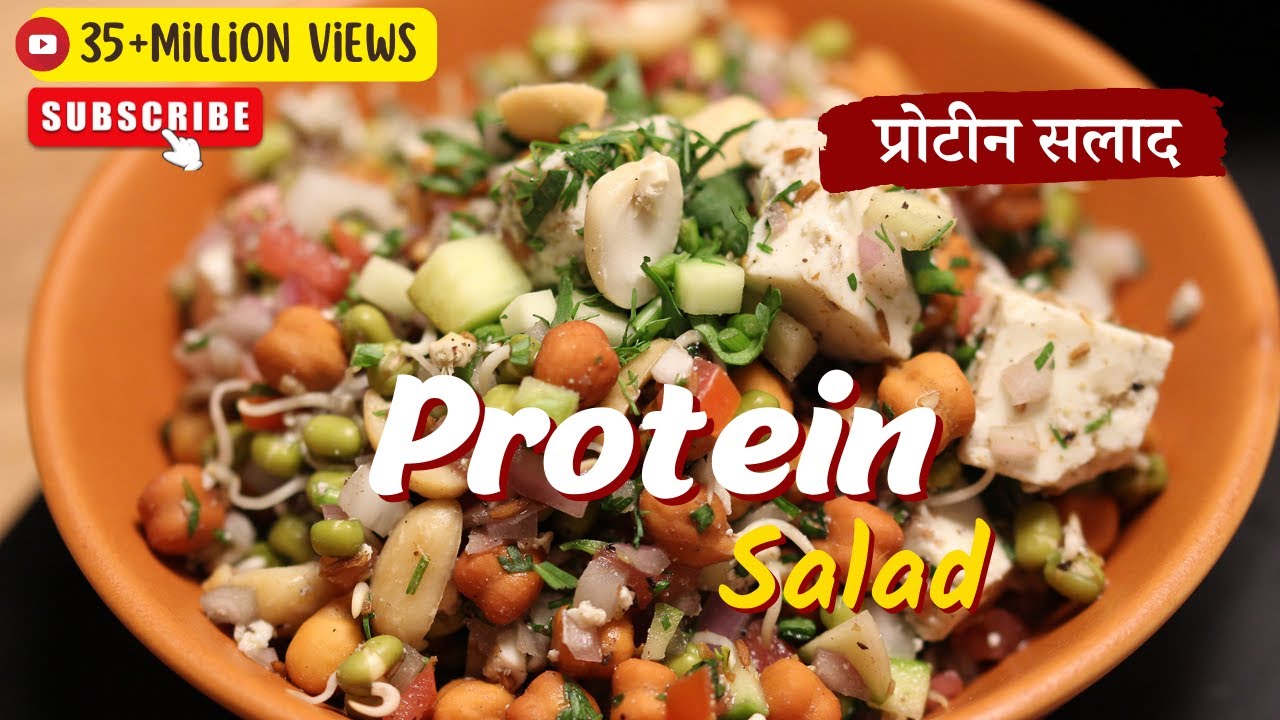
“Most people who make sprouts salad make it wrong. They use under-sprouted beans that taste raw and starchy, overdress everything so it turns soggy in twenty minutes, and call it a day. The difference between a sprouts salad you actually want to eat and one you force down for 'health reasons' comes down to sprout maturity, cutting technique, and dressing timing. We dissected every method to give you the one that delivers crunch, flavor, and satiety every single time.”
Why This Recipe Works
Sprouted moong salad is one of those dishes that looks simple enough to require no recipe at all — which is exactly why most people make it badly. The components are humble: beans, vegetables, lemon, spices. But every decision in this recipe exists to solve a specific problem, and ignoring any one of them produces a result that's technically a salad but practically a disappointment.
The Sprouting Window Is Everything
Moong beans are available in two states: dormant and alive. Dried beans are dormant — their starches are locked, their enzyme activity is suppressed, their flavor is flat. Sprouted beans are metabolically active, converting starches into simpler sugars, synthesizing vitamin C from scratch, and dismantling the phytic acid that would otherwise block your absorption of iron and zinc. This transformation doesn't happen gradually. It happens decisively between hours 24 and 36 after soaking.
The visible marker is tail length. Tails shorter than half an inch mean the conversion is incomplete — the bean still tastes chalky and sits heavy. Tails longer than an inch mean the sprout has started diverting energy into leaf production, and the flavor turns faintly grassy. The sweet spot is a crisp, clean tail between half an inch and an inch, which you'll hit reliably at the 28-32 hour mark in a 68°F kitchen. Use a glass sprouting jar — the mesh lid allows continuous airflow without the moisture trap that plastic lids create, which is the primary cause of mold in home-sprouted beans.
The Structural Problem Nobody Talks About
A sprouts salad is architecturally fragile. Every component except the sprouts themselves is high in water content: cucumber is 96% water, tomato is 94%, red onion is 89%. The moment salt or acid contacts these vegetables, osmosis begins drawing their cellular moisture outward. This is not a slow process. Within fifteen minutes of dressing, a poorly constructed sprouts salad sits in a quarter inch of vegetable runoff.
The fix is three-pronged. First, seed the tomatoes — the gel surrounding tomato seeds is nearly pure water and contributes nothing to flavor. Remove it with a spoon before dicing. Second, cut every vegetable to roughly the same size as a sprout tail, which means small. Large pieces have greater internal moisture volume and release it faster. Third, dress the salad at the last possible moment before eating — not ten minutes before, not while you're pouring tea. The instant before you pick up your fork. This is non-negotiable if you want the sharp chef's knife work you just did to mean anything by the time the salad reaches the table.
The Dressing Architecture
Lemon and cumin are the flavor spine of this salad, but how you combine them determines everything. Dry cumin powder carries its aromatic compounds in volatile oils that activate under heat — or under acid. Mixing cumin into lemon juice for thirty seconds before adding it to the bowl performs a cold bloom: the citric acid penetrates the spice particles and releases the same warm, nutty compounds that toasting achieves without any heat at all. The difference in flavor between bloomed and unbloomed cumin in a cold application is not subtle. It is the difference between a spice that tastes integrated and one that tastes like it was forgotten until the last second.
Black salt (kala namak) plays a different role entirely. Its sulfurous, eggy undertone creates the impression of savory depth that sea salt alone cannot provide. Combined with chaat masala — which layers amchur's dried mango tartness over roasted cumin and black salt — the dressing develops a complexity that makes it taste like it has far more ingredients than it does. A large mixing bowl gives you the physical space to toss without compressing anything; tight bowls mean broken tails and bruised cilantro, which tastes bitter.
Why This Is Actually a Breakfast
The combination of 14 grams of protein, 9 grams of dietary fiber, and less than 215 calories positions this as one of the most efficient breakfasts in existence — not in the vague, wellness-marketing sense, but in the literal sense that the protein-to-fiber ratio delays gastric emptying and sustains satiety for three to four hours without the blood sugar spike that most breakfast carbohydrates produce. You are not eating this because it is virtuous. You are eating it because it works, and it takes fifteen minutes, and nothing in it can go wrong if you follow the timing.
That is the entire case for this recipe. Build the sprouts correctly. Cut uniformly. Dress at the last moment. Everything else is details.
Where Beginners Mess This Up
Before we start, read this. These are the 4 reasons your the ultimate sprouts salad (high-protein breakfast that actually fills you up) will fail:
- 1
Using under-sprouted beans: Moong beans with tails shorter than half an inch are still starchy and raw-tasting. The sprouting process converts complex starches into simpler sugars and breaks down anti-nutrients like phytic acid — but only if you let the tails grow to at least half an inch. Under-sprouted beans taste chalky and sit heavy in your stomach. Give them 24-36 hours minimum.
- 2
Dressing the salad too early: Salt in the dressing draws moisture out of the cucumbers and tomatoes immediately. Dress the salad right before serving — not in advance, not while meal prepping. A salad dressed 20 minutes early is a puddle by the time you eat it.
- 3
Cutting vegetables too large: Every component should be roughly the same size as the sprouts — about half an inch. Large tomato chunks release too much juice and collapse the structure. Large cucumber pieces take over every bite. Uniform small cuts mean every forkful hits every flavor.
- 4
Skipping the lemon bloom on cumin: Dry cumin powder on a salad tastes dusty and raw. Mixing the cumin with lemon juice for 30 seconds before dressing the salad lets the acid bloom the spice and dramatically rounds out the flavor. This single step separates a good sprouts salad from a great one.
The Video Reference Library
Want to see it in action? Here are the exact videos we analyzed and combined to build this foolproof recipe translation:
The clearest breakdown of sprouting timing and dressing ratios available. Demonstrates exactly what a properly sprouted moong tail looks like versus an under-sprouted one — the visual reference alone is worth the watch.
Covers the full sprouting cycle from soak to table, with troubleshooting for common failures like mold, bitterness, and uneven germination.
Contextualizes sprouts salad within a broader high-protein morning routine, with meal prep strategies for getting multiple servings ready without sacrificing texture.
🛠️ Core Equipment
- Glass sprouting jar with mesh lidAllows proper airflow and drainage during the 24-36 hour sprouting window. A regular mason jar with cheesecloth works identically — the mesh lid is just more convenient. Plastic containers trap moisture and create off-flavors.
- Sharp chef's knifePrecise, uniform cuts are non-negotiable here. A dull knife crushes tomato cells instead of slicing cleanly, releasing juice immediately and waterlogging the salad before you're even done chopping.
- Large mixing bowlGives you room to toss without bruising the sprouts. A too-small bowl means you'll compress delicate tails and break them off, turning your crunchy salad into a mushy one.
- Fine-mesh sieveFor rinsing the sprouts thoroughly before assembly. Any residual sprouting water has a slightly fermented tang that throws off the final flavor balance.
The Ultimate Sprouts Salad (High-Protein Breakfast That Actually Fills You Up)
🛒 Ingredients
- ✦2 cups sprouted moong beans (green gram), rinsed
- ✦1 medium cucumber, finely diced
- ✦1 medium tomato, seeds removed, finely diced
- ✦1 small red onion, finely chopped
- ✦1 green Thai chili, finely minced (optional)
- ✦1/4 cup fresh cilantro leaves, roughly chopped
- ✦2 tablespoons fresh lemon juice
- ✦1/2 teaspoon cumin powder
- ✦1/4 teaspoon chaat masala
- ✦1/4 teaspoon black salt (kala namak)
- ✦1/4 teaspoon freshly ground black pepper
- ✦1/2 teaspoon extra virgin olive oil
- ✦Sea salt to taste
- ✦1 tablespoon pomegranate arils (optional, for garnish)
👨🍳 Instructions
01Step 1
Rinse the sprouted moong beans thoroughly under cold running water using a fine-mesh sieve. Shake off all excess water and let drain for 2 minutes.
02Step 2
Remove the seeds from the tomato before dicing. Cut tomato, cucumber, and red onion into pieces roughly the same size as the sprout tails — approximately half an inch.
03Step 3
In a small bowl, combine the lemon juice and cumin powder. Stir for 30 seconds to bloom the spice in the acid. Set aside.
04Step 4
Add the sprouted moong beans to a large mixing bowl. Add the diced cucumber, tomato, and red onion. Toss gently to combine without breaking the sprout tails.
05Step 5
Add the minced chili (if using), chopped cilantro, chaat masala, black salt, black pepper, and olive oil to the bowl.
06Step 6
Pour the bloomed lemon-cumin dressing over the salad. Toss everything together gently but thoroughly, ensuring even coating.
07Step 7
Taste and adjust salt and lemon juice. Serve immediately, garnished with pomegranate arils if using.
Nutrition Per Serving
Estimates based on standard preparation. Adjustments alter macros.
🔄 Substitutions
Instead of Moong beans...
Use Chickpeas or lentils
Both sprout similarly but take longer — chickpeas need 48 hours, lentils 24. The final texture is chewier and more substantial, leaning the salad closer to a legume bowl than a fresh salad.
Instead of Chaat masala...
Use A pinch each of amchur powder, roasted cumin, and black salt
Makes your own approximation. The ratios are roughly equal parts — start there and adjust to taste.
Instead of Fresh lemon juice...
Use Lime juice
Slightly more floral and less sharp than lemon. Works equally well and is arguably better if you're using the pomegranate garnish.
Instead of Red onion...
Use Shallots or green onion
Shallots are milder and won't overpower the sprouts. Green onion keeps the fresh crunch without any raw bite. Either works — just avoid yellow onion, which is too pungent raw.
🧊 Storage & Reheating
In the Fridge
Store undressed components separately for up to 2 days. Once dressed, the salad should be eaten within 30 minutes before texture degrades.
In the Freezer
Not suitable for freezing. Sprouts and fresh vegetables do not survive freezing without turning to mush.
Reheating Rules
This salad is not meant to be reheated. Serve cold or at room temperature only.
❓ Frequently Asked Questions
How long does it take to sprout moong beans?
Typically 24-36 hours after the initial 8-hour soak. At room temperature between 65-72°F, you'll see visible tails within 18 hours and eating-length tails by hour 30. In warmer kitchens, check at 20 hours — heat accelerates sprouting but also increases the risk of mold.
Can I eat sprouted moong raw?
Yes — and you should. Raw sprouted moong has higher enzyme activity and more bioavailable nutrients than cooked. The sprouting process neutralizes most of the anti-nutrients present in raw dried beans. However, if you have a compromised immune system or are pregnant, a brief 2-minute steam before eating is advisable.
Why does my sprouts salad taste bland?
Two likely culprits: insufficient salt or skipping the chaat masala. Sprouts are naturally neutral-tasting and need assertive seasoning. Add the black salt, taste, then add the chaat masala. If it still falls flat, add more lemon juice — acid brightens everything.
Can I make this ahead for meal prep?
Prep the components separately and store them in airtight containers in the fridge. Keep the dressing in a small jar. Assemble and dress immediately before eating. Pre-dressed salad becomes waterlogged within 20 minutes and is unpleasant to eat.
Is sprouted moong better than cooked moong?
Nutritionally, yes — sprouting increases folate content by up to 30%, boosts vitamin C significantly, and reduces phytic acid (which otherwise blocks mineral absorption). Texturally, sprouted moong is crunchier and fresher-tasting than cooked. For a salad specifically, raw sprouted moong is almost always preferable.
What if my sprouts smell sour or off?
Discard them. A faint earthy smell during sprouting is normal. A sharp, sour, or ammonia-like smell means bacterial contamination, usually from insufficient rinsing or too-warm sprouting conditions. Start fresh, rinse twice daily without fail, and find a cooler spot.

The Science of
The Ultimate Sprouts Salad (High-Protein Breakfast That Actually Fills You Up)
We turned everything on this page into a beautiful, flour-proof PDF cheat sheet. Print it out, stick it to your fridge, and never mess up your the ultimate sprouts salad (high-protein breakfast that actually fills you up) again.
*We'll email you the high-res PDF instantly. No spam, just perfectly cooked meals.
AlmostChefs Editorial Team
We translate the internet's most popular cooking videos into foolproof, beginner-friendly written recipes. We analyze multiple methods, test them in our kitchen, and engineer a single "Master Recipe" that gives you the best possible result with the least possible stress.