Classic Spinach Salad (Done Right for Once)
Fresh baby spinach, crispy bacon, hard-boiled eggs, and a bright lemon-Dijon vinaigrette. We broke down the most popular methods to give you one foolproof technique that nails the dressing emulsion, the egg texture, and the toss every time.
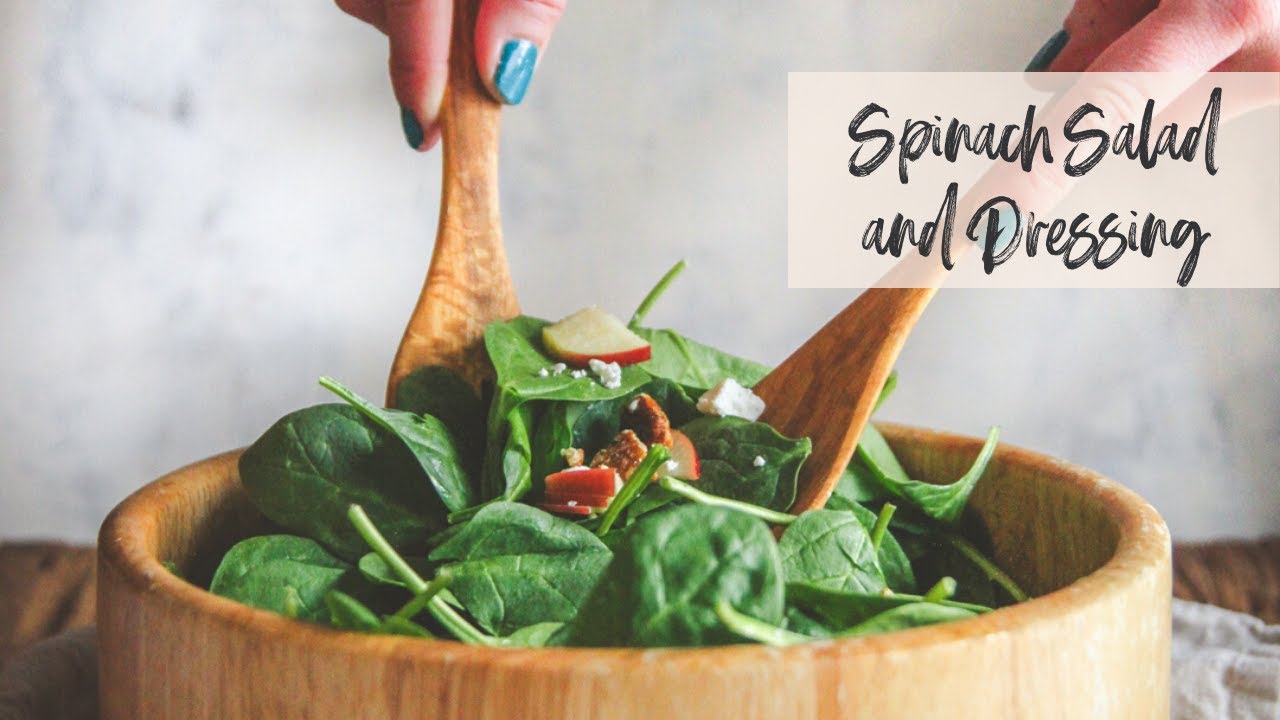
“Most spinach salads are either underdressed and boring or so saturated they turn the greens into wet rags within three minutes. The difference between a salad that holds up and one that collapses on the plate comes down to two things: how you build your emulsion and how you toss. We stripped this down to the fundamentals that actually work.”
Why This Recipe Works
Spinach salad is not a neutral dish. It is a test of restraint. Every decision — how long you cook the bacon, how you build the dressing, how much acid you use, when you toss — either makes the salad or breaks it. The recipes that ignore these variables produce a plate of wet leaves with chewy bacon sitting in a puddle of separated vinaigrette. This is not a recipe problem. It is a technique problem.
The Dressing Architecture
The single most important thing in this salad has nothing to do with spinach. It is the emulsion. An emulsion is a suspension of two liquids that don't naturally mix — oil and water — held together by an emulsifying agent. In this recipe, that agent is Dijon mustard, which contains compounds that simultaneously bond to fat molecules and water molecules, creating a stable bridge between the two.
The method matters. You whisk the vinegar, garlic, mustard, and honey together first and let them sit for sixty seconds. This allows the mustard to fully hydrate and the garlic's sharp volatile compounds to mellow slightly. Then you add the oil in a slow, steady drizzle while whisking constantly. The goal is to introduce oil in droplets small enough that the mustard can surround each one before the next arrives. Pour the oil in too fast and it overwhelms the emulsifier and the dressing breaks into a greasy pool with vinegar floating on top.
The lemon juice goes in last, after the oil is fully incorporated, because acid added too early can interfere with the emulsification process. The result: a cohesive, silky vinaigrette that clings to every surface it touches instead of pooling at the bottom of the bowl.
The Bacon Standard
Bacon in a salad has one job: provide a salty, smoky, shatteringly crisp contrast to the delicate greens. Bacon that is chewy, pale, or underseasoned fails at this job entirely and actually makes the salad worse by adding a rubbery texture that clashes with everything around it.
Medium-high heat, not high. Six to eight minutes, not four. The pieces should be deeply mahogany — the same visual target as properly caramelized onions. When you press a piece against the paper towel and it holds its shape without flexing, it's done. The rendering process drives off most of the fat, concentrating the flavor and creating the structural integrity that keeps the bacon crispy even after you toss it with dressing.
That reserved teaspoon of bacon fat is not an accident. Whisked into the dressing in small quantity, it adds a smoky depth that pure olive oil cannot replicate — the same principle as using pan drippings to build a sauce.
The Egg Window
Hard-boiled is a misnomer for what you want here. At nine minutes, the white is fully set and the yolk is cooked through but still creamy — no powdery texture, no grey-green ring. The ring forms when iron from the yolk reacts with sulfur from the white at sustained high temperature. It is purely a timing and cooling problem. Get the eggs into ice water within thirty seconds of pulling them from the pot and the reaction stops.
The halved eggs are not just a protein source — they are the visual anchor of the salad. Place them around the perimeter of the bowl with the yolk facing up. It sounds like a cosmetic decision. It is also a structural one: yolk-up eggs don't roll and don't get buried under greens when you serve.
The Toss and the Window
Dress with three-quarters of the vinaigrette. Not all of it. Spinach releases water as soon as it contacts acid and salt, and the volume of liquid that accumulates at the bottom of the bowl increases with every minute that passes. Holding back a quarter of the dressing means you can add it at the table without pushing the salad past saturation point.
Use a large salad bowl with enough headroom to toss without losing leaves over the side. Lift from the bottom — don't stab at the top. The goal is to coat every surface without bruising the leaves, which turns them dark and limp almost immediately. Toss five times, maximum. Then serve. The window between dressed and overdressed is shorter than most people think.
Where Beginners Mess This Up
Before we start, read this. These are the 4 reasons your classic spinach salad (done right for once) will fail:
- 1
Rushing the bacon: Bacon cooked on high heat seizes up, burns on the outside, and stays chewy inside. Medium-high and patience — 6 to 8 minutes — produces the deep, shatteringly crisp pieces that give this salad its textural backbone. Soggy bacon ruins every bite it touches.
- 2
Not emulsifying the dressing: If you just shake the oil and vinegar together, they separate immediately and the salad gets hit with pockets of pure acid or pure fat. Whisking the oil in slowly while the mustard acts as an emulsifier gives you a cohesive, creamy vinaigrette that clings evenly to every leaf.
- 3
Overdressing and waiting too long to serve: Spinach wilts fast under acid and salt. Dress with three-quarters of the vinaigrette, toss, and serve immediately. The remaining quarter goes on at the table. Dressed spinach salad has a window of about four minutes before it becomes a pile of green slick.
- 4
Overcooking the eggs: Nine minutes in boiling water, then straight to ice water. This gives you a fully set white and a creamy, jammy yolk with no grey ring. Ten minutes produces rubber. Eight produces a runny center that breaks messily when you slice. Time it.
The Video Reference Library
Want to see it in action? Here are the exact videos we analyzed and combined to build this foolproof recipe translation:
The primary reference for this recipe — covers the full technique from bacon rendering to dressing emulsification with clear visual cues for each step.
🛠️ Core Equipment
- Heavy skilletFor rendering the bacon evenly. A cast iron or stainless skillet distributes heat without hot spots that burn half the bacon while the rest stays pale and flabby.
- Small whisk and mixing bowlThe dressing requires a proper emulsification — mustard and vinegar first, then oil drizzled in slowly. A fork won't cut it. A small whisk gives you the control to build a stable emulsion in under 90 seconds.
- Large salad bowlYou need room to toss without launching half the salad onto the counter. A bowl that looks too big before you add the greens is exactly the right size once you start tossing.
- Saucepan and ice bath setupHard-boiling eggs to the nine-minute sweet spot requires immediate transfer to ice water to stop carryover cooking. Without the ice bath, the eggs keep cooking inside the shell and the yolks go grey-green.
Classic Spinach Salad (Done Right for Once)
🛒 Ingredients
- ✦6 cups fresh baby spinach, lightly packed
- ✦4 strips bacon, chopped
- ✦1/2 red onion, thinly sliced
- ✦1 cup fresh mushrooms, sliced
- ✦2 large eggs, hard-boiled and halved
- ✦1/3 cup raw almonds, roughly chopped
- ✦1/4 cup crumbled feta cheese
- ✦2 medium carrots, julienned or grated
- ✦3 tablespoons extra virgin olive oil
- ✦2 tablespoons fresh lemon juice
- ✦1 tablespoon apple cider vinegar
- ✦1 clove garlic, minced very fine
- ✦1 teaspoon Dijon mustard
- ✦1/2 teaspoon sea salt
- ✦1/4 teaspoon freshly ground black pepper
- ✦1 tablespoon fresh parsley, finely chopped
- ✦1/2 teaspoon honey
👨🍳 Instructions
01Step 1
Cook the bacon pieces in a skillet over medium-high heat, stirring occasionally, until deeply browned and crispy, approximately 6-8 minutes.
02Step 2
Transfer the cooked bacon to a paper towel-lined plate to drain and cool slightly, reserving 1 teaspoon of the rendered bacon fat.
03Step 3
Submerge the eggs in a pot of boiling water and cook for exactly 9 minutes, then immediately transfer to an ice water bath. Peel once cooled completely.
04Step 4
Whisk together the minced garlic, Dijon mustard, apple cider vinegar, and honey in a small bowl. Let the mixture sit for 1 minute so the flavors meld.
05Step 5
Drizzle in the extra virgin olive oil slowly while whisking constantly to build a creamy emulsion. Add the fresh lemon juice and whisk until fully combined.
06Step 6
Season the dressing with sea salt and freshly ground black pepper. Taste and adjust — it should be bright, slightly tart, and have a clean finish.
07Step 7
Place the baby spinach in a large salad bowl. Scatter the sliced red onion, mushrooms, julienned carrots, and cooled bacon across the top.
08Step 8
Arrange the halved hard-boiled eggs around the perimeter of the salad. Sprinkle the chopped almonds and crumbled feta over everything.
09Step 9
Pour approximately three-quarters of the dressing over the salad. Toss gently but thoroughly, lifting from the bottom to coat all leaves without bruising them.
10Step 10
Divide among serving bowls, drizzle remaining dressing over the top, and finish with fresh parsley. Serve immediately.
Nutrition Per Serving
Estimates based on standard preparation. Adjustments alter macros.
🔄 Substitutions
Instead of Bacon...
Use Tempeh bacon or smoked chickpeas
Slightly nuttier, comparable crunch. Reduces sodium and adds fiber. The smoky umami note stays — just quieter.
Instead of Feta cheese...
Use Nutritional yeast or hemp seeds
Nutritional yeast adds savory depth without dairy. Hemp seeds add protein and mild nuttiness. Neither replicates the creaminess of feta exactly, but both hold their own.
Instead of Almonds...
Use Pumpkin seeds or sunflower seeds
Milder flavor, similar crunch. Higher magnesium content. If dressing ahead of time, seeds absorb liquid faster than almonds — add them at the last minute.
Instead of Apple cider vinegar and honey dressing...
Use Tahini and lemon juice dressing
Creamier texture, more satiety. Whisk 2 tablespoons tahini with 3 tablespoons lemon juice, 1 minced garlic clove, and a pinch of salt. Thin with water to desired consistency.
🧊 Storage & Reheating
In the Fridge
Store undressed components separately for up to 3 days. Dressed salad should be eaten immediately — it does not hold.
In the Freezer
Not suitable for freezing. Spinach turns to mush and the dressing breaks.
Reheating Rules
This is a cold dish. No reheating applies. If you want to revive leftover undressed greens, pat them dry with a paper towel and re-crisp in the fridge for 15 minutes before dressing.
❓ Frequently Asked Questions
Why does my spinach salad always get watery?
Two causes: the spinach wasn't dry when it went into the bowl, or you dressed it too far in advance. Spin or pat your greens completely dry before assembling. Dress immediately before serving and don't let it sit.
Can I make this salad ahead of time for a party?
Prep every component separately — crisp the bacon, boil the eggs, julienne the carrots, make the dressing — and store them in separate containers. Assemble and dress at the last possible moment. A dressed spinach salad has a lifespan of about 4 minutes.
Is this salad actually gluten-free?
Yes, as written. Every ingredient is naturally gluten-free. If you use store-bought tempeh bacon as a substitute, check the label — some brands add wheat-based ingredients.
Can I use regular spinach instead of baby spinach?
You can, but tear the leaves into smaller pieces first. Mature spinach has a more assertive, slightly bitter flavor and a tougher texture. Baby spinach is more delicate and works better with a light vinaigrette.
Why Dijon mustard specifically?
Dijon contains a compound called mucilage that acts as an emulsifier — it bonds oil and water molecules together and prevents the dressing from separating. Yellow mustard works in a pinch but has a sharper, more acidic flavor that throws off the balance.
What's the grey ring around my egg yolk?
That's iron sulfide, formed when the eggs cook too long or cool too slowly. It's harmless but signals the yolk has gone past the ideal texture. Nine minutes in boiling water plus immediate ice bath prevents it entirely.

The Science of
Classic Spinach Salad (Done Right for Once)
We turned everything on this page into a beautiful, flour-proof PDF cheat sheet. Print it out, stick it to your fridge, and never mess up your classic spinach salad (done right for once) again.
*We'll email you the high-res PDF instantly. No spam, just perfectly cooked meals.
AlmostChefs Editorial Team
We translate the internet's most popular cooking videos into foolproof, beginner-friendly written recipes. We analyze multiple methods, test them in our kitchen, and engineer a single "Master Recipe" that gives you the best possible result with the least possible stress.