The Perfect Spicy Pasta (Why Your Heat Is All Wrong)
A bold, fiery pasta dish built on bloomed chili oil, a quick tomato sauce, and properly salted pasta water. We analyzed the most-watched YouTube techniques to find the exact method that delivers deep, sustained heat without a one-note burn — and without overcooking your noodles.
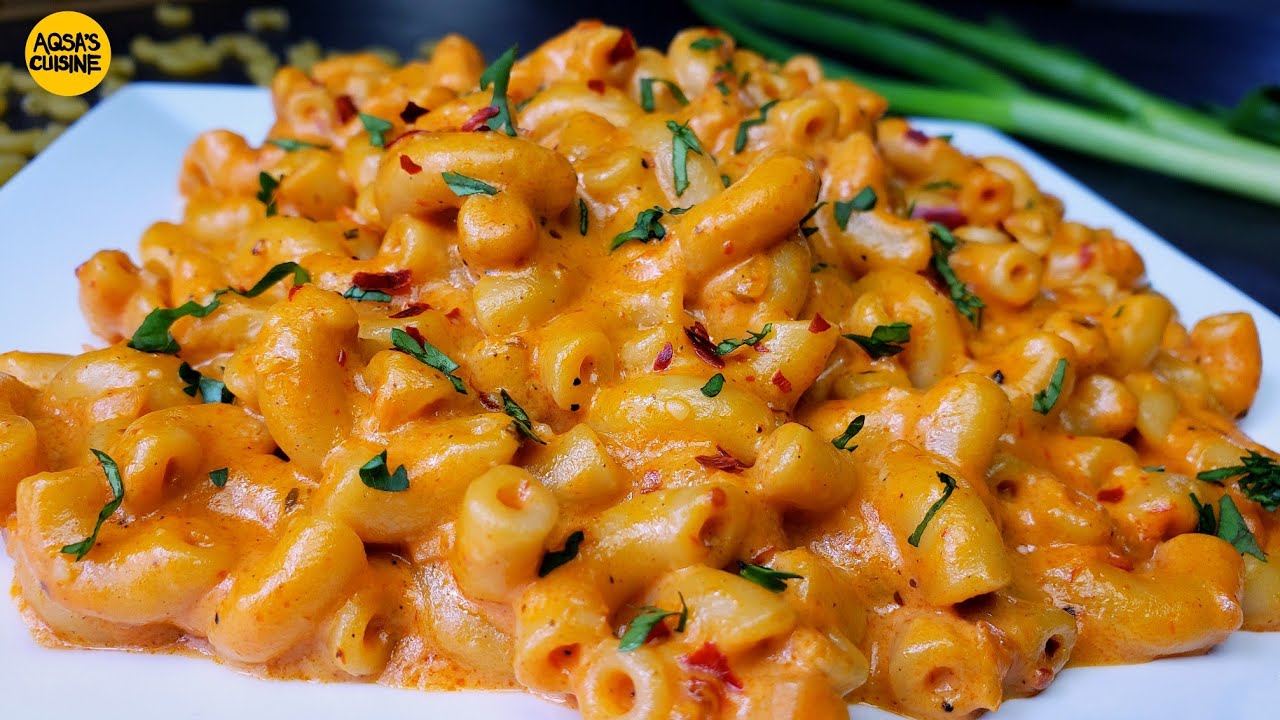
“Most spicy pasta is just pasta with red pepper flakes thrown in at the end. That's not heat — that's a decoration. Real spicy pasta builds heat in layers: oil-bloomed chili, a sauce that concentrates into something dark and serious, and pasta water that ties everything together into a glossy, coating emulsion. The difference between forgettable and craveable is understanding why the heat has to go in first, not last.”
Why This Recipe Works
Spicy pasta is the most deceptively simple dish in the Italian-American repertoire. Four or five ingredients. Thirty minutes. No technique that requires culinary school. And yet the gap between a bowl of spicy pasta that makes you close your eyes and one that tastes like ketchup with attitude is enormous — and it's entirely a matter of understanding what heat actually is and how it behaves in a hot pan.
Heat Is a Fat Problem
Capsaicin, the compound responsible for chili heat, does not dissolve in water. It dissolves in fat. This single chemical fact explains why most home-cooked spicy pasta is disappointing: people add red pepper flakes to a water-based tomato sauce and expect heat. What they get is crunchy red specks suspended in acid with no depth, no bloom, and no sustained burn. The correct move — the only correct move — is to introduce the chili to hot fat first, before any liquid enters the pan, and to keep it there long enough to fully extract the capsaicin into the oil.
Sixty to ninety seconds of blooming in a hot wide skillet transforms red pepper flakes from a garnish into a structural component. The oil turns orange. The smell sharpens. The heat becomes fat-soluble and therefore coat-everything, linger-in-your-chest, sustained rather than a momentary sting. That bloomed chili oil is the foundation on which every other flavor is built.
The Sauce Has to Mean Something
A sauce built on under-cooked tomato paste and two minutes of simmering is not a sauce — it's a suggestion. Tomato paste starts raw and metallic when it comes out of the can. It contains high concentrations of concentrated tomato solids that need sustained dry heat in the fat to undergo the Maillard reaction and develop their complex, umami-forward flavor. Cook it wrong and it tastes canned no matter how long you simmer it afterward.
Two full minutes of tomato paste in the chili oil — pressing it against the pan, watching it shift from bright red to brick — is mandatory. Then the crushed tomatoes go in, and the sauce simmers uncovered until the water evaporates and oil begins to pool on the surface. That pooling is a physical signal: the emulsion has broken, the water content has cooked off, and what remains is concentrated flavor. This is when the sauce is ready for pasta, not before.
The Pasta Water Is the Secret Ingredient
Restaurant pasta has a glossy, coating quality that home pasta almost never achieves — and the difference is almost always pasta water management. The starchy, salty water that pasta cooks in is a natural emulsifier. When added to a fat-based sauce and aggressively tossed, it binds the oil and tomato into a cohesive emulsion that clings to every surface of every noodle rather than pooling in the bottom of the bowl.
The rule is simple: always reserve a full cup before you drain, and never fully cook your pasta in the pot. Pull it two minutes early, transfer it directly into the sauce using a spider strainer, and finish it in the pan with ladles of pasta water added as needed. The noodle finishes cooking while simultaneously absorbing the chili-tomato flavor directly into its starch structure. This is not a technique shortcut — it is the technique. Everything else is prep work.
Why the Finishing Step Gets Skipped
Butter, off heat, tossed aggressively into the finished pasta. This step — called mantecare in Italian — is the difference between pasta that looks like a food blog photograph and pasta that looks like cafeteria food. The butter doesn't add richness in any perceptible way at two tablespoons across four servings. What it does is coat the surface starch on each noodle with fat molecules that catch light and create the visual and textural glossiness associated with professional pasta. Skip it and the dish is still good. Include it and the dish looks and feels finished.
The spicy pasta recipe that most home cooks make is technically correct but structurally incomplete. Heat the oil, add the garlic, bloom the chili, reduce the tomato, toss the pasta in starchy water, finish with butter and freshly grated cheese from a microplane. In that order. For those reasons. The dish is simple — the understanding is what makes it great.
Where Beginners Mess This Up
Before we start, read this. These are the 4 reasons your the perfect spicy pasta (why your heat is all wrong) will fail:
- 1
Adding red pepper flakes to cold oil: Chili compounds — capsaicin and its relatives — are fat-soluble. That means they only fully release their flavor and heat into a fat medium. Cold oil cannot extract those compounds efficiently. You must bloom the flakes in hot oil before anything else touches the pan, or you're just adding crunch, not heat.
- 2
Undersalting the pasta water: Pasta water should taste like mild seawater — roughly 1 tablespoon of salt per 4 quarts of water. Under-salted pasta is flat no matter how good your sauce is. The salt penetrates the noodle during cooking and seasons it from the inside out. No amount of sauce on top can fix an unseasoned noodle.
- 3
Draining the pasta completely dry: Pasta water is your emulsifier. The starch it contains binds the oil and tomato into a sauce that coats every strand instead of pooling at the bottom of the bowl. Always reserve at least a full cup before draining — you'll likely use most of it.
- 4
Adding pasta to the sauce instead of finishing in the pan: The final 2-3 minutes of pasta cooking should happen in the sauce, not in a colander. This is when the noodle absorbs flavor directly and releases starch that thickens the sauce around it. Skipping this step produces pasta with sauce on it, not pasta in sauce — a fundamentally different dish.
The Video Reference Library
Want to see it in action? Here are the exact videos we analyzed and combined to build this foolproof recipe translation:
The source video for this recipe. Clear demonstration of the blooming technique and exactly how long to let the tomato sauce reduce before adding pasta. Watch specifically for the color change in the sauce at the 8-minute mark.
A deep dive into pasta water starch science and the emulsification technique. Best explanation of when to pull pasta before it's fully cooked and why it finishes in the sauce.
Classic Italian arrabbiata technique stripped to its fundamentals. Covers the exact ratio of chili to oil and how Italian cooks calibrate heat without tasting constantly.
🛠️ Core Equipment
- Wide, deep skillet or sauté panYou need surface area for the sauce to reduce quickly and depth to toss the pasta without launching it across the kitchen. A 12-inch skillet with 2-inch sides is the ideal geometry.
- Large pasta potPasta needs room to move. In a small pot, noodles clump together and cook unevenly. Use at least 4 quarts of water per pound of pasta — more water means faster temperature recovery when you drop the pasta in.
- Spider strainer or slotted spoonTransfer pasta directly from the pot to the sauce pan without draining the pot. This keeps your pasta water hot and starchy, and lets you add it to the sauce by the ladle as needed.
- Microplane or fine graterFor finishing with hard cheese. Pre-grated cheese contains anti-caking agents that prevent it from melting smoothly into the sauce. Freshly grated Parmigiano or Pecorino melts on contact and integrates into the emulsion instead of clumping.
The Perfect Spicy Pasta (Why Your Heat Is All Wrong)
🛒 Ingredients
- ✦1 pound rigatoni or penne pasta
- ✦1/3 cup extra-virgin olive oil
- ✦6 garlic cloves, thinly sliced
- ✦1.5 teaspoons crushed red pepper flakes (more to taste)
- ✦1/2 teaspoon smoked paprika
- ✦1 can (28 oz) whole San Marzano tomatoes, crushed by hand
- ✦1/2 teaspoon granulated sugar
- ✦1 tablespoon tomato paste
- ✦1 cup reserved pasta water
- ✦1/2 cup freshly grated Pecorino Romano or Parmigiano-Reggiano
- ✦1/4 cup fresh flat-leaf parsley, roughly chopped
- ✦2 tablespoons unsalted butter
- ✦Kosher salt and freshly cracked black pepper to taste
- ✦1 tablespoon coarse sea salt (for pasta water)
👨🍳 Instructions
01Step 1
Bring a large pot of water to a rolling boil. Add 1 tablespoon of coarse salt — the water should taste noticeably salty.
02Step 2
While the water heats, add olive oil and sliced garlic to a cold wide skillet. Turn heat to medium-low and cook gently for 3-4 minutes until garlic is pale gold and fragrant but not brown.
03Step 3
Add the red pepper flakes and smoked paprika directly to the garlic oil. Stir and bloom for 60-90 seconds until the oil turns deep orange-red and the kitchen smells sharply of chili.
04Step 4
Add the tomato paste and stir into the chili oil. Cook for 2 minutes, pressing the paste against the pan, until it darkens from bright red to brick red.
05Step 5
Add the hand-crushed San Marzano tomatoes along with their juices. Stir in the sugar and season with salt and black pepper. Simmer uncovered on medium for 12-15 minutes until the sauce has reduced and darkened, and oil pools are visible on the surface.
06Step 6
Drop the pasta into the boiling salted water. Cook for 2 minutes less than the package directions indicate — it will finish in the sauce.
07Step 7
Before draining, scoop out at least 1 full cup of pasta water. Transfer the undercooked pasta directly into the sauce using a spider strainer.
08Step 8
Add 1/3 cup of pasta water to the skillet and toss aggressively over medium heat for 2-3 minutes, adding more pasta water as needed, until the sauce clings to every strand and looks glossy.
09Step 9
Remove from heat. Add butter and toss until melted and incorporated into the sauce.
10Step 10
Plate immediately. Top with freshly grated Pecorino, chopped parsley, and an extra pinch of red pepper flakes for those who want more heat.
Nutrition Per Serving
Estimates based on standard preparation. Adjustments alter macros.
🔄 Substitutions
Instead of Red pepper flakes...
Use Calabrian chili paste or fresh Thai chilies
Calabrian chili paste is fruitier and more complex than standard red pepper flakes. Use 1.5 teaspoons of paste in place of flakes. Fresh Thai chilies provide sharper, more immediate heat — slice thin and bloom with the garlic.
Instead of San Marzano tomatoes...
Use High-quality domestic crushed tomatoes
Mutti or Bianco DiNapoli are excellent alternatives. Avoid bargain-brand crushed tomatoes — the higher water content requires a longer reduction time and the flavor is significantly flatter.
Instead of Pecorino Romano...
Use Parmigiano-Reggiano or nutritional yeast
Parmigiano is milder and nuttier than Pecorino. Nutritional yeast works as a dairy-free option — add 3 tablespoons with the butter step. Neither will melt into the sauce quite the same way, but both produce a satisfying result.
Instead of Rigatoni...
Use Spaghetti, bucatini, or any short ridged pasta
Bucatini is exceptional in this sauce — the hollow center fills with chili oil and becomes its own delivery mechanism. Spaghetti requires slightly more pasta water during the tossing step to coat evenly.
🧊 Storage & Reheating
In the Fridge
Store in an airtight container for up to 3 days. The heat mellows slightly overnight but the flavor deepens.
In the Freezer
Not recommended. Tomato-based pasta sauces freeze well on their own, but cooked pasta turns mushy after thawing. Freeze the sauce separately and cook fresh pasta to order.
Reheating Rules
Add a splash of water or broth to the container, cover loosely, and microwave in 60-second intervals, stirring between each. Alternatively, reheat in a skillet over medium-low with a tablespoon of water, tossing until warmed through.
❓ Frequently Asked Questions
How do I make it less spicy without losing flavor?
Reduce the red pepper flakes to 1/2 teaspoon and add them at the end of the blooming step rather than letting them cook fully in the oil. You still get the chili flavor without the sustained heat. A tablespoon of heavy cream stirred in at the end also tempers heat significantly.
Can I use fresh tomatoes instead of canned?
Yes, but only during peak tomato season. Off-season fresh tomatoes have too much water and too little flavor. Use 2 pounds of ripe Roma or San Marzano tomatoes, seeded and roughly chopped. Expect an extra 5-7 minutes of reduction time.
Why does my sauce taste acidic and sharp?
Underdeveloped tomato paste and insufficient reduction time. Cook the tomato paste longer in the fat — at least 2 full minutes until it's brick red. Also let the full sauce simmer until oil pools on the surface, which signals the acidity has cooked off. The sugar is a last resort, not a first fix.
Can I add protein to this pasta?
Italian sausage is the most natural addition — brown crumbled sausage in the pan before adding the garlic, then proceed with the recipe. Shrimp works well added in the final 2 minutes of sauce simmering. Avoid chicken breast, which tends to dry out and has a flat flavor in this aggressive sauce.
My pasta is sticking together after I drain it. What went wrong?
You drained it and let it sit. Never let pasta air-dry in the colander — it sticks within 90 seconds. Transfer directly from the pot to the sauce using a spider strainer, or toss with a tablespoon of olive oil immediately if you must hold it briefly.
Do I need butter at the end? Can I skip it?
You can skip it, but you'll notice. The butter is not about richness — it's about texture. The fat molecules coat the starch on the pasta surface and create the glossy, restaurant-style finish that makes the sauce look and feel cohesive rather than watery. Two tablespoons is a small amount split across four servings.

The Science of
The Perfect Spicy Pasta (Why Your Heat Is All Wrong)
We turned everything on this page into a beautiful, flour-proof PDF cheat sheet. Print it out, stick it to your fridge, and never mess up your the perfect spicy pasta (why your heat is all wrong) again.
*We'll email you the high-res PDF instantly. No spam, just perfectly cooked meals.
AlmostChefs Editorial Team
We translate the internet's most popular cooking videos into foolproof, beginner-friendly written recipes. We analyze multiple methods, test them in our kitchen, and engineer a single "Master Recipe" that gives you the best possible result with the least possible stress.