The Only Spaghetti and Meatballs Recipe You Need (Tender Every Time)
A classic Italian-American comfort dish with a beef-and-pork meatball blend, panade-locked moisture, and a slow simmered marinara. We broke down the most common meatball failures to build one foolproof method that delivers tender, juicy meatballs and a sauce that actually clings to the pasta.
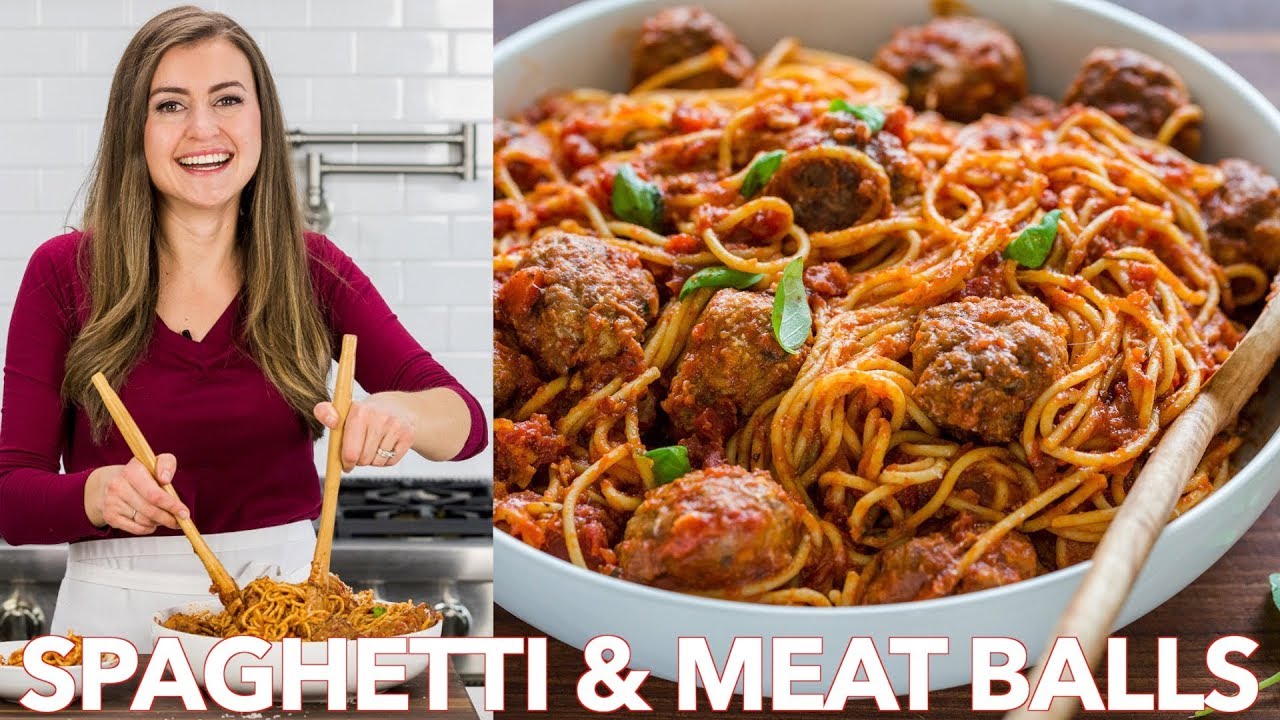
“Most meatball recipes tell you to just mix and roll. What they don't tell you is that how you mix — and when you stop — determines whether you get tender, yielding meatballs or dense, rubbery ones. The difference between a forgettable meatball and a great one comes down to three decisions: the meat blend, the panade ratio, and how little you handle the mixture. We tested every shortcut and every overcomplicated approach to find the method that actually works on a Tuesday night.”
Why This Recipe Works
Spaghetti and meatballs is the most cooked-wrong dish in the American home kitchen. Not because it's hard. Because it looks so simple that people skip the technique entirely. You mix meat, you roll it, you drop it in sauce. What could go wrong?
Everything. Every step has a failure mode that's invisible until you're already eating a dense, flavorless ball of compressed protein floating in watery tomato sauce.
The Panade Is Not Optional
A panade is breadcrumbs hydrated in liquid until they form a paste. In this recipe, it's panko soaked in whole milk for two minutes. This paste gets folded into the raw meat mixture and accomplishes one critical thing: it physically separates the myosin strands in the ground beef and pork, preventing them from bonding into a tight, rubbery matrix during cooking.
Ground meat wants to turn into a solid brick when heated. Every protein strand links to adjacent strands through cross-linking bonds. The panade interrupts that process — the hydrated breadcrumb particles sit between the protein strands like spacers, creating micro-pockets of moisture and fat that survive the cooking process. The result is a meatball that yields when you bite it, rather than one you need to cut with a fork.
Skip the panade and you get a meatloaf. It's not a preference. It's protein chemistry.
The Meat Blend Is Doing Two Jobs
Ground beef alone is too lean and too uniform in flavor. Pure pork is too fatty and too soft. The 70/30 beef-to-pork ratio solves both problems simultaneously. The pork contributes intramuscular fat that bastes the meatball from the inside during cooking, gelatin from its connective tissue that enriches the surrounding sauce, and a subtle sweetness that makes the final flavor more complex than beef alone can achieve.
This is also why ground turkey meatballs, while perfectly edible, are never as good. Turkey has neither the fat content nor the gelatin. You can compensate with added olive oil, but the sauce won't be the same.
Browning Is Structural, Not Just Cosmetic
Most recipes describe the browning step as creating flavor. That's true — the Maillard reaction converts surface proteins and sugars into hundreds of new aromatic compounds that raw meat doesn't have. But in the context of meatballs, browning also serves a structural function.
The browned crust creates a physical barrier around the meatball that holds it together during the 20-minute sauce simmer. Raw meatballs dropped directly into sauce lose their structural integrity almost immediately — the outside layer of meat dissolves into the liquid, the meatball erodes, and you end up with lumpy sauce instead of intact meatballs. The crust prevents this. It is not optional if you want your meatballs to look like meatballs when they hit the plate.
Use a cast iron skillet or heavy stainless pan for browning. Thin pans create uneven hot spots. You need consistent, sustained heat across the entire surface so every meatball browns at the same rate.
The Sauce Simmer Finishes the Cooking
After browning, the meatballs are not cooked through — they're set on the outside but raw in the center. The 18-to-22-minute simmer in marinara finishes the interior gently and simultaneously transfers flavor in both directions: the meat enriches the sauce with rendered fat and drippings, and the sauce penetrates the meatball with acidity, sweetness, and herb flavor.
Keep this simmer at medium-low. Tiny bubbles, occasional stirs, no boiling. High heat at this stage tightens the exterior proteins faster than the interior can cook, resulting in a tough shell around a soft center. Low and slow gives you uniform texture throughout.
Pasta Water Is the Sauce Adjustment Tool
One cup of pasta cooking water, reserved before draining, is the most underused tool in Italian-American cooking. It's starchy, mildly salted, and slightly emulsified from cooking pasta. Adding it to a sauce that's reduced too far doesn't just thin it — the starch helps the sauce adhere to the pasta strands rather than sliding off into a pool at the bottom of the bowl.
Two tablespoons at a time. Stir. Assess. Add more if needed. This gives you precise control over final sauce consistency in the last 90 seconds of cooking — something you can't achieve with plain water.
Where Beginners Mess This Up
Before we start, read this. These are the 4 reasons your the only spaghetti and meatballs recipe you need (tender every time) will fail:
- 1
Overmixing the meat: Ground meat contains myosin, a protein that binds aggressively when agitated. Every extra fold activates more of it, compressing the fat pockets that keep meatballs juicy. Mix until the ingredients just disappear into each other — 60 to 90 seconds by hand — and stop. The mixture should look barely combined, not smooth.
- 2
Skipping the panade: The panade — breadcrumbs soaked in milk until paste-like — is the single most important step most home cooks skip or rush. It physically separates the meat proteins, preventing them from cross-linking into a tight matrix during cooking. Without it, you get a meatloaf texture. With it, you get a meatball that yields when you bite it.
- 3
Using only one type of meat: Ground beef alone is too lean and too uniform. It produces a meatball with good flavor but tight texture and minimal juice. The pork addition — roughly a 70/30 beef-to-pork ratio — adds fat content, gelatin, and a subtly sweet depth that makes the meatball taste more complex and stay moist through the simmer.
- 4
Crowding the pan during browning: Meatballs release moisture as they hit the pan. If the pan is crowded, that moisture steams the meatballs instead of browning them — you lose the Maillard crust that provides flavor and structural integrity during the sauce simmer. Brown in batches. Give each meatball room.
The Video Reference Library
Want to see it in action? Here are the exact videos we analyzed and combined to build this foolproof recipe translation:
The source video that informed this method. Clear demonstration of the panade technique and the browning sequence that locks in the crust before the sauce simmer.
🛠️ Core Equipment
- Large heavy-bottomed skilletYou need even, sustained high heat for browning and enough surface area to avoid crowding. A thin skillet creates hot spots that burn the crust before the interior sets. A [cast iron skillet](/kitchen-gear/review/cast-iron-skillet) or heavy stainless is ideal.
- Large mixing bowlThe wider the bowl, the less you need to agitate the mixture to combine it. A cramped bowl forces you to press and compact. Give the meat mixture space to fold gently.
- Large pasta potWhole wheat spaghetti needs at least 4 quarts of aggressively salted water to cook evenly. A [pasta pot](/kitchen-gear/review/pasta-pot) with a built-in strainer insert makes reserving pasta water before draining foolproof.
- Fine-mesh sieve or pasta insertDraining quickly matters. Whole wheat pasta keeps cooking in residual heat faster than semolina. Pull it at al dente — it'll finish in the sauce.
The Only Spaghetti and Meatballs Recipe You Need (Tender Every Time)
🛒 Ingredients
- ✦1 pound ground beef
- ✦6 ounces ground pork
- ✦¾ cup panko breadcrumbs
- ✦3 tablespoons whole milk
- ✦2 large eggs
- ✦½ cup freshly grated Parmesan cheese
- ✦1 medium yellow onion, finely diced
- ✦4 garlic cloves, minced
- ✦3 tablespoons fresh flat-leaf parsley, chopped
- ✦1½ teaspoons Italian seasoning
- ✦¼ teaspoon red pepper flakes
- ✦1 teaspoon kosher salt, plus more to taste
- ✦½ teaspoon freshly ground black pepper
- ✦3 tablespoons extra virgin olive oil, divided
- ✦28 ounces marinara sauce
- ✦1 pound whole wheat spaghetti
- ✦Salt for pasta water
👨🍳 Instructions
01Step 1
Combine the panko breadcrumbs and whole milk in a small bowl and let sit for 2 minutes until the breadcrumbs have fully absorbed the milk into a paste.
02Step 2
Add the soaked breadcrumb paste, ground beef, ground pork, eggs, Parmesan, diced onion, minced garlic, parsley, Italian seasoning, red pepper flakes, salt, and black pepper to a large mixing bowl.
03Step 3
Fold everything together with your hands using a light, open-palm motion for 60 to 90 seconds until the ingredients are just combined. Stop as soon as you no longer see streaks of egg or unmixed breadcrumb.
04Step 4
Roll the mixture into 16 to 18 meatballs approximately 1.5 inches in diameter. Use a light, cupped-palm roll — don't compress or squeeze.
05Step 5
Heat 2 tablespoons of olive oil in a large heavy-bottomed skillet over medium-high heat until shimmering, about 1 minute.
06Step 6
Add the meatballs in a single layer without crowding — work in batches if needed. Brown for 3 to 4 minutes per side until a deep golden-brown crust forms. Do not move them during browning.
07Step 7
Once all meatballs are browned, return them all to the skillet. Pour the marinara sauce over the top, reduce heat to medium-low, and stir gently to coat.
08Step 8
Simmer uncovered for 18 to 22 minutes, stirring occasionally, until the meatballs are cooked through and the sauce has reduced slightly.
09Step 9
While the meatballs simmer, bring a large pot of heavily salted water to a rolling boil. Cook the whole wheat spaghetti according to package directions until al dente, typically 9 to 11 minutes.
10Step 10
Before draining, reserve 1 cup of pasta cooking water. Drain the pasta.
11Step 11
Taste the sauce and adjust seasoning. If it's too thick, add reserved pasta water 2 tablespoons at a time until you reach a sauce that coats a spoon but still flows.
12Step 12
Plate the spaghetti and top generously with meatballs and sauce. Finish with freshly grated Parmesan and chopped parsley. Serve immediately.
Nutrition Per Serving
Estimates based on standard preparation. Adjustments alter macros.
🔄 Substitutions
Instead of All-purpose spaghetti...
Use Whole wheat or legume-based pasta
Slightly nuttier flavor, heartier texture, and significantly more fiber. Pull it 1 minute before al dente — it keeps cooking faster than semolina.
Instead of Panko breadcrumbs...
Use Almond flour or crushed rolled oats
Use the same quantity. Creates a slightly denser crumb with a subtle nutty undertone. The panade still works — soak in milk the same way.
Instead of Ground beef and pork blend...
Use Ground turkey
Significantly leaner but dries out faster. Add an extra tablespoon of olive oil to the mixture and reduce simmer time by 5 minutes to compensate.
Instead of Whole milk in the panade...
Use Greek yogurt thinned with a splash of water
Adds protein and a subtle tang. The panade forms slightly thicker — use a touch less yogurt than milk. The binding still works.
🧊 Storage & Reheating
In the Fridge
Store meatballs in sauce in an airtight container for up to 4 days. Store pasta separately — it turns to mush sitting in sauce overnight.
In the Freezer
Freeze meatballs in sauce for up to 3 months. Portion into individual servings before freezing. Cook fresh pasta when reheating.
Reheating Rules
Reheat meatballs and sauce in a covered skillet over low heat with 2 tablespoons of water added. Avoid microwaving — it toughens the exterior. 8 to 10 minutes on low restores the original texture.
❓ Frequently Asked Questions
Why are my meatballs falling apart in the sauce?
Two causes: undermixing (the egg and breadcrumb didn't fully bind the meat proteins) or skipping the browning step. The browned crust is structural — it holds the meatball together during the simmer. Never add raw meatballs directly to sauce.
Can I bake the meatballs instead of pan-frying?
You can bake at 425°F for 18 to 20 minutes. You'll get even browning on all sides without babysitting the pan. The trade-off: you lose the browned fond in the skillet, which is a significant flavor loss. If baking, deglaze a separate pan with a splash of wine before adding the sauce.
Why do my meatballs turn tough after simmering?
The simmer is too aggressive. Medium-low means tiny bubbles breaking the surface occasionally — not a rolling boil. High heat tightens the meat proteins rapidly. Keep it at a gentle simmer and the meatballs stay tender through the full 20 minutes.
How do I know when the meatballs are cooked through?
Internal temperature of 165°F is the safe standard. Practically, after 18 to 22 minutes of simmering in sauce following a proper browning, they are done. Cut one in half — no pink, uniform color throughout, juices run clear.
Do I need both beef and pork, or can I use just one?
You can use just beef, but the texture will be tighter and the flavor more one-dimensional. The pork adds fat, moisture, and a subtle sweetness that the beef alone doesn't provide. The 70/30 ratio is the sweet spot — more pork than that and the meatballs can taste porky rather than balanced.
Why reserve pasta water if I'm just going to add jarred marinara?
Pasta water is starchy, slightly salted, and emulsified from the cooking process. When you add it to the sauce, it helps the sauce cling to the pasta strands rather than pooling at the bottom of the bowl. It also gives you a precise tool to adjust sauce consistency in the last 2 minutes of cooking — far more controlled than adding plain water.
The Science of
The Only Spaghetti and Meatballs Recipe You Need (Tender Every Time)
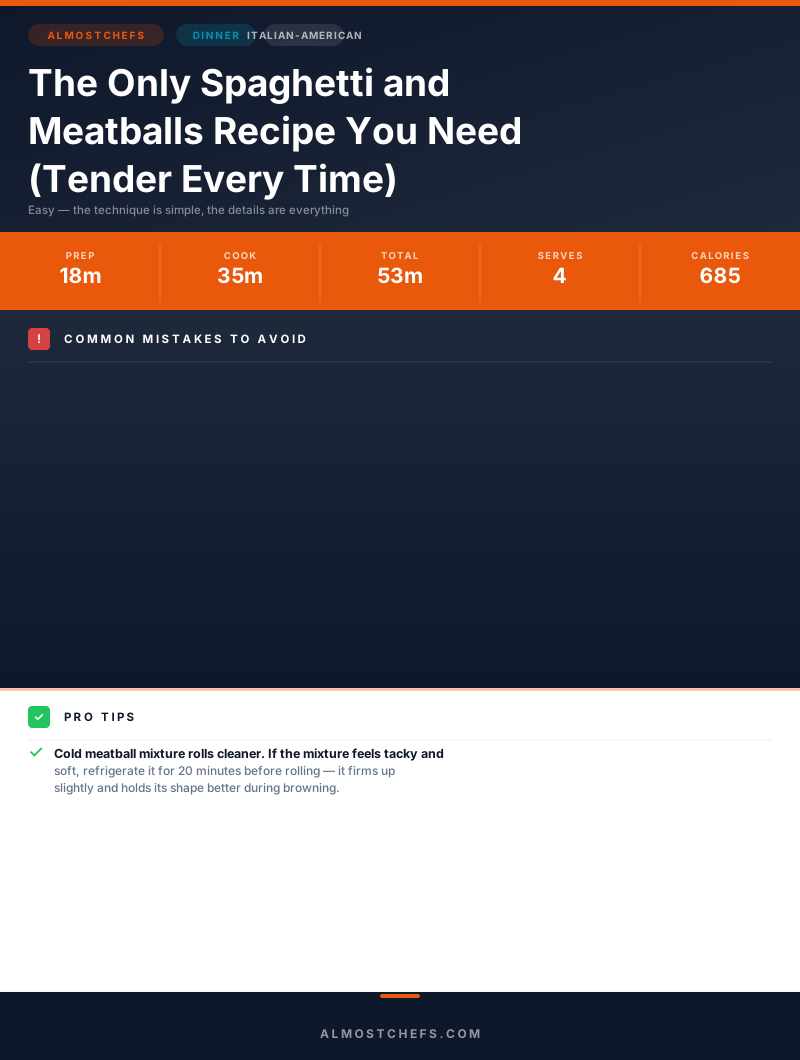
We turned everything on this page into a beautiful, flour-proof PDF cheat sheet. Print it out, stick it to your fridge, and never mess up your the only spaghetti and meatballs recipe you need (tender every time) again.
*We'll email you the high-res PDF instantly. No spam, just perfectly cooked meals.
AlmostChefs Editorial Team
We translate the internet's most popular cooking videos into foolproof, beginner-friendly written recipes. We analyze multiple methods, test them in our kitchen, and engineer a single "Master Recipe" that gives you the best possible result with the least possible stress.