Crispy Sooji Aloo Nasta (The Indian Breakfast You're Sleeping On)
A pan-roasted semolina and potato breakfast that delivers a crispy, nutty crust and tender spiced interior in under 30 minutes. We analyzed the top YouTube methods to isolate exactly why most home versions turn out sticky, clumped, or raw-tasting — and how to fix every single one.
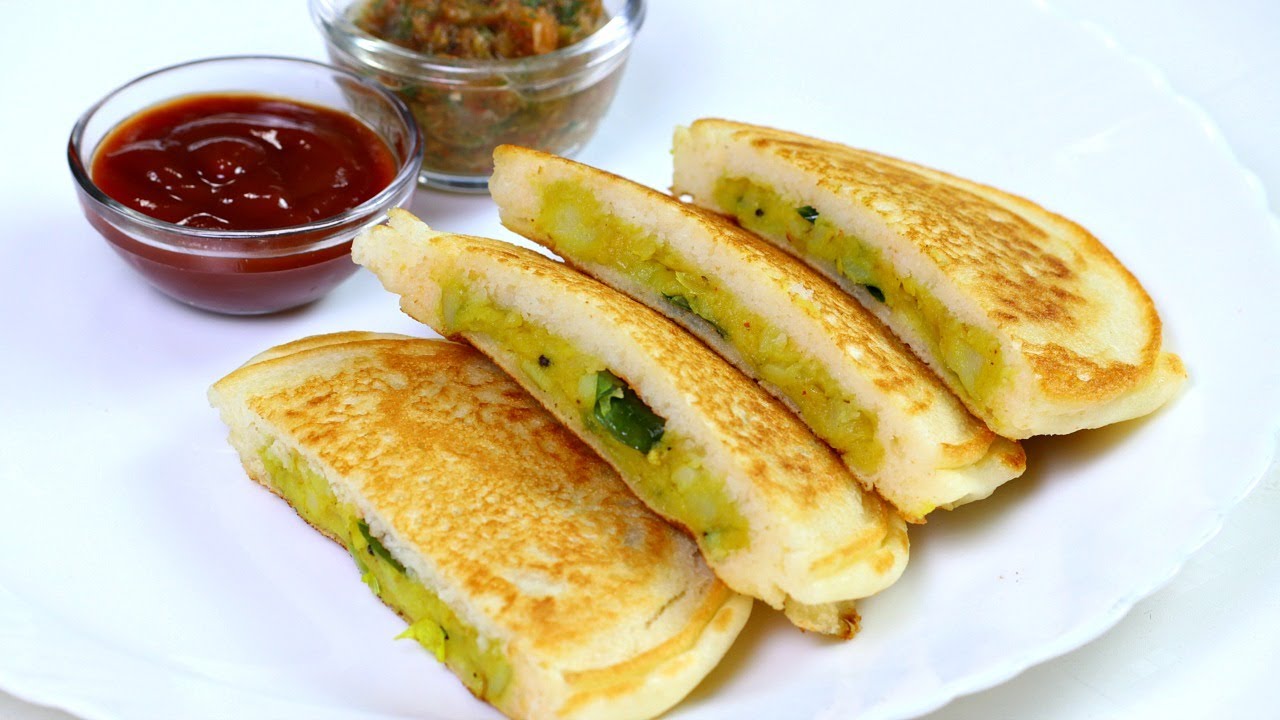
“Most sooji aloo nasta fails before the potatoes even hit the pan. The culprit is always the same: unroasted semolina. Skip the dry roast and you get a gluey, raw-tasting mass that sticks to the pan and your teeth in equal measure. Nail the roast — three to four minutes of constant stirring until the sooji smells like toasted wheat — and everything else falls into place. This is the one step every shortcut recipe skips and every good cook does automatically.”
Why This Recipe Works
Sooji aloo nasta sits at an unusual intersection: it's one of the fastest breakfasts in the Indian repertoire and simultaneously one of the most technically specific. Get the variables right and it's a deeply satisfying, crumbly, spice-forward plate of food that takes less than 30 minutes from cold pan to table. Get them wrong and you have a gluey mass that tastes like raw flour with potatoes suspended in it. The gap between those two outcomes is almost entirely about understanding the sooji itself.
The Dry Roast Is Everything
Semolina is essentially coarsely milled wheat endosperm — a dense starch matrix with residual moisture locked inside. That moisture is the enemy. When unroasted sooji hits a hot, wet environment (oil, water, or steam), the outer starch immediately absorbs liquid and swells, forming a sticky paste that seals off the interior grain from cooking evenly. The result is a clumped, gluey texture with unpleasant raw-flour notes running through every bite.
The dry roast solves this mechanically. Three to four minutes in a dry heavy-bottomed kadai or skillet drives off the residual surface moisture and partially dextrinizes the outer starch layer, creating a light protective coating around each grain. This coating slows water absorption enough that the grains hydrate individually rather than fusing into a paste. The visual cue is a shift from chalky white to pale gold. The olfactory cue — the one that tells experienced cooks the sooji is ready — is a warm, nutty, toasted wheat aroma that fills the kitchen. If you don't smell that, keep stirring.
The Tadka Foundation
Every Indian snack and breakfast worth eating starts with a proper tempering, and sooji aloo nasta is no exception. The sequence is non-negotiable: hot oil first, then mustard seeds until they pop, then cumin seeds and curry leaves together, then aromatics. Each step has a reason. Mustard seeds require direct contact with very hot oil to activate their volatile oils — add them to lukewarm oil and they'll never pop, producing a bitter, harsh flavor instead of the sharp, nutty crack they deliver when done correctly. Curry leaves must hit hot fat because their aromatic compounds are oil-soluble, not water-soluble. Adding them with water produces almost no flavor transfer. Adding them to hot ghee or oil releases a wave of citrusy, slightly herbaceous aromatics that permeate the entire dish.
A wooden spatula is the right tool for managing the tadka. Wood doesn't conduct heat into your hand, and it gives you enough tactile feedback to feel when the mustard seeds have started popping — that slight vibration through the handle is your cue to reduce the heat before they burn.
The Potato Geometry Problem
Sooji cooks in minutes. Potatoes do not. This is the central timing tension in the dish, and the only way to resolve it is geometry: cut the potatoes into small, uniform 1cm cubes so they finish before the sooji ever touches the pan. Uneven cuts mean some cubes are done and starting to fall apart while others still have hard centers — and there's no fixing it once the sooji is in. A sharp chef's knife and a few seconds of care during prep prevents the single most common textural failure in the finished dish.
The turmeric goes in with the potatoes, not later. Added to hot fat with the potato cubes, turmeric's curcumin blooms and distributes evenly throughout the oil, giving the final dish its characteristic golden color from the inside out. Added at the end, it produces yellow smears across an otherwise pale dish.
The Water Addition Technique
This is the step most recipes describe as "add water and stir," which is technically accurate and practically useless. The correct technique is: pour warm water in a thin, continuous stream with one hand while stirring vigorously with the other. The goal is to give each region of sooji equal access to incoming moisture before any grain absorbs so much that it swells and sticks to its neighbors. Stop stirring for even three seconds during the pour and you'll watch a lump form in real time. Keep moving and the grains hydrate individually, producing that loose, crumbly texture that distinguishes a properly made nasta from a failed one.
The water temperature matters too. Cold water shocks the pan temperature and causes uneven absorption. Warm water — about the temperature of a comfortable bath — integrates cleanly without thermal disruption.
Why It Works As A Breakfast
Sooji aloo nasta delivers on every axis that matters for a morning meal: it's quick, it's filling without being heavy, and the lemon-and-herb finish keeps it from feeling stodgy. The semolina provides slow-digesting complex carbohydrates, the potato adds resistant starch and potassium, and the mustard-cumin-curry leaf tempering delivers enough aromatic intensity that the dish feels satisfying even in small portions. It is, in the most literal sense, engineered for the morning.
Where Beginners Mess This Up
Before we start, read this. These are the 4 reasons your crispy sooji aloo nasta (the indian breakfast you're sleeping on) will fail:
- 1
Skipping the dry roast: Raw sooji contains moisture and starches that, when hit with water or steam, immediately gelatinize into a sticky paste. The dry roast drives off that residual moisture and partially dextrinizes the starch, giving each grain a protective coating that keeps it separate during cooking. Three to four minutes in a dry pan is the difference between fluffy and gluey.
- 2
Cutting the potatoes too thick: Sooji cooks fast. Thick potato cubes don't — and there's no catching up. By the time a thick chunk of potato is cooked through, the semolina has turned into rubber. Cut potatoes into small, uniform 1cm cubes. They need to be fork-tender within 8 to 10 minutes.
- 3
Adding water all at once: Dumping the full water volume into hot, dry sooji creates instant lumps. The outer grains absorb all the water before the inner ones get any, and you end up with dense doughy clumps surrounded by dry powder. Add water in a slow, steady stream while stirring continuously, letting each addition absorb before adding more.
- 4
Cooking on high heat throughout: High heat is correct for the tempering and potato stages. But once the sooji goes in, the heat must drop to medium-low. Too much heat causes the bottom to scorch before the steam can circulate and finish the top. A gentle simmer under a lid is what delivers that cohesive, just-set texture.
The Video Reference Library
Want to see it in action? Here are the exact videos we analyzed and combined to build this foolproof recipe translation:
The source video this recipe is built around. Clear technique on the dry roast step and the tempering sequence. Watch for the color cue on the sooji — pale gold, not white, not brown.
Broader context on Indian semolina breakfast dishes and how sooji nasta fits into the upma family. Useful for understanding the technique variations across regions.
A focused breakdown of the mustard seed and curry leaf tempering that forms the flavor backbone of sooji aloo nasta. Essential viewing if your tadka is consistently flat.
🛠️ Core Equipment
- Heavy-bottomed kadai or skilletEven heat distribution is essential for the dry roast and the final cook. A thin pan creates hot spots that scorch the sooji on one side while leaving the other side underdone. Cast iron or a thick stainless kadai is ideal.
- Wooden spatula or heat-resistant silicone spatulaContinuous stirring during the dry roast prevents any single grain from sitting on the hot surface long enough to burn. A wooden spatula lets you feel resistance as the sooji dries and tightens — that feedback tells you when it's ready.
- Tight-fitting lidAfter adding the water and sooji, a lid traps steam that finishes cooking both the semolina and the potatoes simultaneously. Without it, the top layer dries out and the potatoes stay undercooked at the center.
- Sharp chef's knifeUniform potato cubes are non-negotiable for even cooking. Ragged or inconsistently sized pieces cook at different rates, leaving you with some pieces mushy and some still hard when the rest of the dish is done.
Crispy Sooji Aloo Nasta (The Indian Breakfast You're Sleeping On)
🛒 Ingredients
- ✦1 cup coarse sooji (semolina/rava)
- ✦2 medium Yukon Gold potatoes, peeled and cut into 1cm cubes
- ✦1 medium yellow onion, finely diced
- ✦2 green Thai chilies, finely sliced
- ✦1 teaspoon mustard seeds
- ✦1 teaspoon cumin seeds
- ✦10 fresh curry leaves
- ✦1/2 teaspoon turmeric powder
- ✦2 tablespoons neutral oil or ghee
- ✦1.5 cups warm water
- ✦1.5 tablespoons fresh lemon juice
- ✦1/4 cup fresh cilantro, chopped
- ✦Salt to taste
👨🍳 Instructions
01Step 1
Heat a heavy-bottomed kadai or skillet over medium heat. Add the sooji with no oil and dry roast, stirring constantly, for 3 to 4 minutes until it turns pale gold and smells like toasted wheat.
02Step 2
Transfer the roasted sooji to a plate and set aside. Return the pan to medium-high heat.
03Step 3
Add oil or ghee to the hot pan. Once shimmering, add mustard seeds and wait for them to pop — about 30 to 45 seconds. Immediately add cumin seeds and curry leaves and let them sizzle for 20 seconds.
04Step 4
Add the green chilies and diced onion. Sauté on medium-high heat for 4 to 5 minutes until the onion is translucent and beginning to turn golden at the edges.
05Step 5
Add the cubed potatoes and turmeric. Stir to coat evenly, then reduce heat to medium. Cover and cook for 7 to 8 minutes, stirring once halfway through, until the potato cubes are just fork-tender.
06Step 6
Season with salt. Pour in the warm water in a slow, steady stream while stirring continuously with the other hand.
07Step 7
Reduce heat to medium-low. Add the roasted sooji in a steady stream, stirring vigorously as you pour to prevent lumps from forming.
08Step 8
Cover the pan with a tight-fitting lid and cook on low heat for 4 to 5 minutes until the sooji is fully set and no longer sticky to the touch.
09Step 9
Turn off heat. Add lemon juice and half the cilantro, then gently fold everything together. The texture should be light and crumbly, not dense or wet.
10Step 10
Serve immediately, garnished with remaining cilantro. Accompany with yogurt, green chutney, or pickle.
Nutrition Per Serving
Estimates based on standard preparation. Adjustments alter macros.
🔄 Substitutions
Instead of Coarse sooji...
Use Fine semolina or cream of wheat
Cooks faster and produces a softer, less crumbly texture. Reduce cook time by 2 minutes and watch for sticking more carefully.
Instead of Yukon Gold potatoes...
Use Sweet potatoes
Cuts faster and adds sweetness that plays well against the mustard and chili. Reduce the initial sauté time by 2 minutes as sweet potatoes soften more quickly.
Instead of Neutral oil...
Use Ghee
Ghee adds a distinct nutty richness to the tadka and elevates the entire dish. Highly recommended if dietary restrictions don't apply.
Instead of Green Thai chilies...
Use Serrano pepper or 1/2 teaspoon red chili flakes
Serranos are milder and work well for lower heat tolerance. Red chili flakes lose the fresh green flavor but integrate well into the tempering.
🧊 Storage & Reheating
In the Fridge
Store in an airtight container for up to 1 day. Sooji nasta does not keep particularly well — it firms up and loses its light texture by day two.
In the Freezer
Not recommended. The potato texture degrades significantly after freezing and thawing.
Reheating Rules
Sprinkle 2 tablespoons of water over the nasta, cover, and reheat on low heat for 3 to 4 minutes, stirring once. Alternatively, spread on a hot skillet for 2 minutes to restore some crispness to the base.
❓ Frequently Asked Questions
Why is my sooji aloo nasta sticky and clumped?
Almost always the dry roast was skipped or cut short. Unroasted sooji gelatinizes immediately when it contacts moisture, creating lumps that no amount of stirring can undo. Roast until pale gold and fragrant every single time — there is no workaround.
Can I use fine sooji instead of coarse?
Yes, but the texture will be softer and more paste-like. Fine sooji cooks faster and absorbs water more aggressively. If using fine, reduce your water by 2 tablespoons and watch the heat more carefully to avoid scorching.
What do I serve with sooji aloo nasta?
Green chutney is the classic pairing — the acidity and herb freshness cut through the starchy richness. Plain yogurt works equally well. Many households serve it with a side of masala chai, which balances the savory spice with warmth and sweetness.
Can I make this ahead for meal prep?
You can prep all the components — roast the sooji, cube the potatoes, dice the onion — the night before and store them separately. Assemble and cook fresh in the morning. The full dish doesn't hold well overnight, but the prep work cuts your active cook time to under 12 minutes.
My potatoes are still hard when the sooji is done. What went wrong?
The cubes were cut too large or weren't given enough time under the lid before the sooji was added. Always verify fork-tenderness before adding the sooji. The sooji phase adds no meaningful cooking time to the potatoes — they must be done before it goes in.
Can I add other vegetables?
Yes — green peas, finely diced carrots, and frozen corn all work well. Add them with the onion and cook through before the sooji goes in. Avoid watery vegetables like zucchini or tomatoes as they release moisture that throws off the water ratio.

The Science of
Crispy Sooji Aloo Nasta (The Indian Breakfast You're Sleeping On)
We turned everything on this page into a beautiful, flour-proof PDF cheat sheet. Print it out, stick it to your fridge, and never mess up your crispy sooji aloo nasta (the indian breakfast you're sleeping on) again.
*We'll email you the high-res PDF instantly. No spam, just perfectly cooked meals.
AlmostChefs Editorial Team
We translate the internet's most popular cooking videos into foolproof, beginner-friendly written recipes. We analyze multiple methods, test them in our kitchen, and engineer a single "Master Recipe" that gives you the best possible result with the least possible stress.