Smoked Shotgun Shells (The BBQ Appetizer That Disappears First)
Large pasta shells stuffed with seasoned ground beef, sharp cheddar, and cream cheese, then smoked low and slow at 225°F for 2-3 hours until the pasta is tender and the filling is rich with wood smoke. We broke down the technique so anyone with a smoker can nail these on the first try.
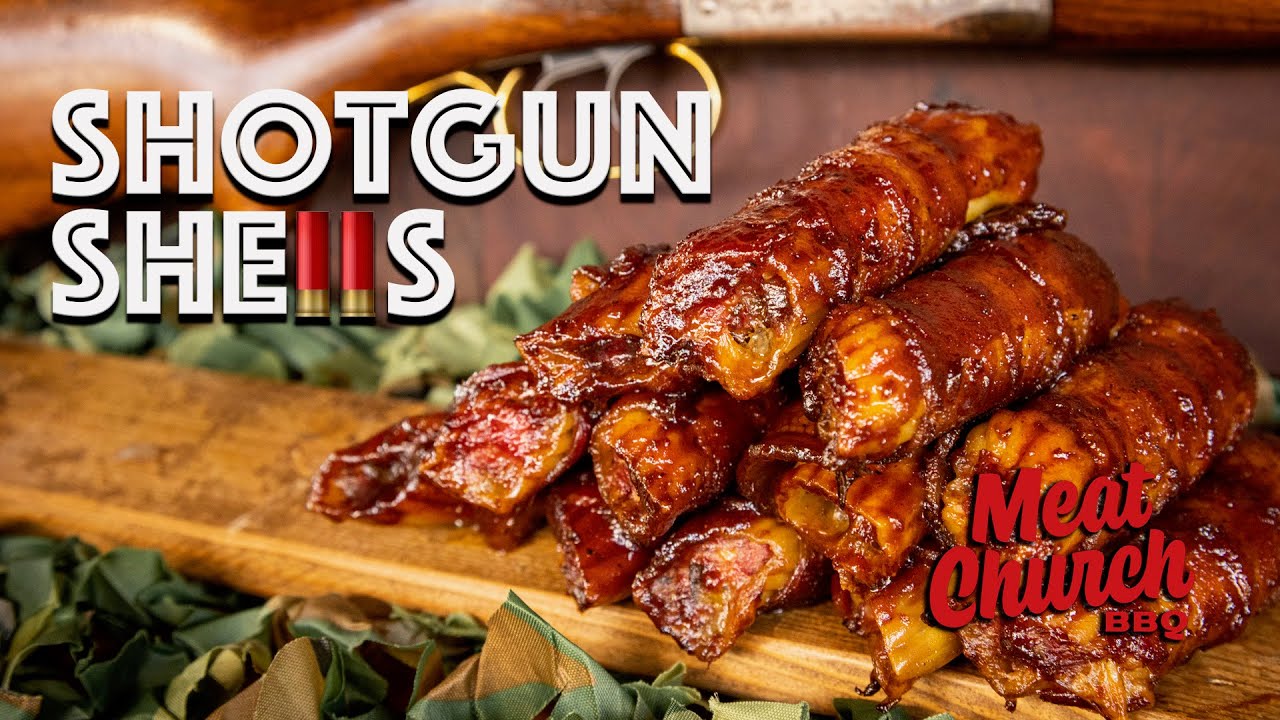
“Every backyard cookout has a dish that goes first. These are it. Smoked shotgun shells sit at the intersection of two things people cannot resist: stuffed pasta and barbecue smoke. The technique is simpler than it looks, the ingredients are pantry-standard, and the results are the kind of thing guests photograph before they eat. The only way to fail is to rush the smoke.”
Why This Recipe Works
Smoked shotgun shells are a trick. They look like a project — a weekend-long commitment involving specialized equipment and precise technique. They're not. The active work is under 30 minutes. The smoker does the rest. The impression they make is disproportionate to the effort, which is exactly the kind of recipe worth knowing.
The Pasta Problem Nobody Talks About
Every smoked shotgun shell failure traces back to the same mistake: fully cooked pasta going into the smoker. Standard pasta instructions say cook until al dente. For smoking, al dente is already too far. You want firm — barely past raw, with significant resistance when you bite through — because the pasta spends the next 2-3 hours in a 225°F environment absorbing heat and smoke. It continues cooking the entire time. If it enters the smoker at 90% done, it exits at 130%. That's mush.
Six to seven minutes in salted boiling water. Pull on time, drain immediately, and lay flat. Every extra minute in the water is a minute of structural integrity you won't get back during the smoke.
The Filling Is a Three-Layer System
This isn't just ground beef and cheese. It's a filling engineered to stay moist through three hours of dry smoke:
The cream cheese acts as the binder and moisture reservoir. It keeps the filling from drying out and crumbling during the long cook, and it's what makes the interior creamy rather than grainy when you bite in.
The beef broth gets absorbed into the browned beef before the filling is assembled. It replaces the moisture lost during browning, which means the filling enters the shell at the right hydration level — not wet enough to crack the pasta, not dry enough to turn to sawdust.
The cheddar-Parmesan combination provides both melt and body. Cheddar melts into a smooth, creamy matrix. Parmesan adds sharpness and keeps the mixture from getting greasy. Use finely shredded, not block-cut — it incorporates faster and more evenly.
Smoke Is a Seasoning, Not a Cooking Method
The purpose of smoking here is flavor, not heat. At 225°F, the shells aren't being cooked by the smoke — they're being cooked by ambient heat and the residual heat from the already-browned filling. The smoke is depositing aromatic compounds on the pasta surface and permeating into the filling slowly over time.
This is why temperature control matters. Spike to 300°F and you're baking, not smoking. The smoke compounds don't have time to penetrate properly at higher temperatures — they wick off the surface instead. Hold 225-250°F consistently and you get the graduated smoke penetration that makes these taste like they came from a serious BBQ operation.
Cherry wood or applewood are the right choices here. The slight sweetness in these woods harmonizes with the sharp cheddar filling without competing with it. Hickory works but can go harsh past the 2.5-hour mark. Offset smokers give you the best temperature control for this kind of long, low cook — but a kettle grill set up for indirect heat with a two-zone fire works perfectly well.
The Make-Ahead Advantage
Most recipes are better fresh. Shotgun shells are better when stuffed the night before. Cold filling sets more firmly than warm, which means less blowout during stuffing and a cleaner, more intact shell at the end of the smoke. The pasta also hydrates slightly overnight in the fridge, which gives it a little more flexibility and reduces cracking risk. Stuff them, cover the tray, refrigerate overnight, and pull them straight from the fridge into the smoker in the morning.
This is the dish you make the day before a party and reheat while people are arriving. The smoke deepens overnight. Day-two shells are genuinely better than fresh.
Assembly Is the Whole Game
One and a half tablespoons of filling per shell. Not two. Not packed tight. The filling expands as it heats and the cream cheese loosens — overstuff and the shells crack open during the smoke, spilling filling onto the tray and ruining the structure that makes these impressive. Leave a small gap between shells on the smoking tray so smoke circulates underneath. That's the entire technique. There's nothing else to get right.
Where Beginners Mess This Up
Before we start, read this. These are the 4 reasons your smoked shotgun shells (the bbq appetizer that disappears first) will fail:
- 1
Overcooking the shells before stuffing: You want the pasta at 6-7 minutes — firmly al dente, not soft. Fully cooked shells turn to mush during the 2-3 hour smoke. They need structural integrity to survive the heat. Pull them early, drain fast, and lay flat to stop carryover cooking.
- 2
Stuffing too tightly: Overpacking the shells cracks the pasta and forces filling out the sides during smoking. Use about 1.5 tablespoons per shell — enough to fill without straining the seam. The filling expands slightly as it heats.
- 3
Skipping the broth in the filling: The beef broth keeps the filling moist through three hours of smoke. Without it, the meat mixture dries out and turns granular before the pasta is done. Don't skip it, and don't substitute water — you need the body.
- 4
Temperature spikes in the smoker: Above 250°F, the pasta exterior hardens and cracks before the interior finishes. Lock the smoker at 225°F and hold it. Consistent low heat is what creates the tender-but-intact shell that makes this dish work.
The Video Reference Library
Want to see it in action? Here are the exact videos we analyzed and combined to build this foolproof recipe translation:
The source video for this technique. Covers filling consistency, stuffing method, and what properly smoked shells look like at the 2-hour mark versus 3 hours.
🛠️ Core Equipment
- Offset smoker or kettle grill set up for indirect heatDirect heat burns the pasta shells before the filling has time to set. You need sustained indirect smoke between 225-250°F. A [smoker](/kitchen-gear/review/smoker) designed for low-and-slow work is the right tool here.
- Heavy-bottomed skilletFor browning the beef and building the filling. A [cast iron skillet](/kitchen-gear/review/cast-iron-skillet) holds heat evenly and gives you better browning on the meat, which translates directly to flavor in the final shell.
- Smoking tray or rimmed baking sheetKeeps the shells organized and allows smoke to circulate underneath. Rimmed edges prevent any filling that escapes from dripping onto the grate.
- Wood chips (hickory, cherry, or applewood)Soak for 30 minutes before use. Hickory delivers the classic BBQ punch. Cherry and apple run sweeter and pair well with the cheddar filling. Don't use liquid smoke — it's not the same compound.
Smoked Shotgun Shells (The BBQ Appetizer That Disappears First)
🛒 Ingredients
- ✦20 large pasta shells, uncooked
- ✦1 pound lean ground beef
- ✦1 cup sharp cheddar cheese, finely shredded
- ✦1/2 cup grated Parmesan cheese
- ✦2 ounces cream cheese, softened
- ✦1 medium yellow onion, finely diced
- ✦3 cloves garlic, minced
- ✦1/2 cup beef broth
- ✦1 tablespoon Worcestershire sauce
- ✦1/2 cup panko breadcrumbs
- ✦2 tablespoons fresh Italian parsley, chopped
- ✦1 tablespoon fresh thyme leaves
- ✦1 teaspoon smoked paprika
- ✦1/2 teaspoon cayenne pepper
- ✦1 teaspoon kosher salt
- ✦1/2 teaspoon black pepper
- ✦2 tablespoons olive oil
- ✦2 cups wood chips, soaked in water for 30 minutes
👨🍳 Instructions
01Step 1
Cook the pasta shells in heavily salted boiling water for 6-7 minutes until firmly al dente. They should have significant bite remaining.
02Step 2
Drain the shells immediately and lay them in a single layer on a parchment-lined baking sheet. Do not stack.
03Step 3
Heat olive oil in a heavy-bottomed skillet over medium-high heat until shimmering, about 2 minutes.
04Step 4
Add the diced onion and sauté for 3-4 minutes, stirring frequently, until soft and translucent.
05Step 5
Add the minced garlic and cook for 1 minute more until fragrant but not browned.
06Step 6
Add the ground beef and cook for 6-8 minutes, breaking apart with a wooden spoon, until browned throughout with no pink remaining.
07Step 7
Add the Worcestershire sauce and beef broth. Stir to combine and let the liquid absorb for 2 minutes off the heat.
08Step 8
Let the beef mixture cool for 5 minutes, then fold in the cream cheese, cheddar, Parmesan, parsley, thyme, smoked paprika, cayenne, salt, and black pepper until evenly distributed.
09Step 9
Fill each pasta shell with approximately 1.5 tablespoons of the beef mixture. Press gently to seat the filling without cracking the shell.
10Step 10
Arrange the filled shells in a single layer on a smoking tray, leaving a small gap between each.
11Step 11
Prepare your smoker for indirect heat at 225°F. Add the pre-soaked wood chips to generate consistent smoke.
12Step 12
Place the tray of stuffed shells in the smoker. Smoke for 2-3 hours, maintaining 225-250°F throughout.
13Step 13
Transfer to a serving platter and rest for 5 minutes before serving.
Nutrition Per Serving
Estimates based on standard preparation. Adjustments alter macros.
🔄 Substitutions
Instead of Ground beef...
Use Ground turkey or ground chicken breast
Milder flavor but still savory when the seasonings are fully incorporated. Turkey runs leaner and drier — add an extra tablespoon of broth to compensate.
Instead of Sharp cheddar and Parmesan...
Use Aged Gruyère and Romano
More complex, nutty flavor profile. You can use 15-20% less by weight because the flavor is more concentrated. Melts beautifully into the filling.
Instead of Pasta shells (semolina)...
Use Whole wheat or chickpea pasta shells
Slightly firmer texture with nutty undertones that actually complement the smoke. Chickpea pasta is more fragile — handle gently when stuffing.
Instead of Olive oil...
Use Avocado oil or ghee
Higher smoke points make both more stable for browning the beef. Ghee adds subtle richness. Either is a direct swap at the same quantity.
🧊 Storage & Reheating
In the Fridge
Store cooled shells in an airtight container for up to 3 days. The smoke flavor deepens overnight — day-two shells are arguably better than day-one.
In the Freezer
Freeze in a single layer on a baking sheet until solid, then transfer to a zip-lock bag. Keeps for up to 2 months. Thaw overnight in the fridge before reheating.
Reheating Rules
Reheat in a 300°F oven covered with foil for 12-15 minutes. Add a small splash of beef broth to the pan to prevent drying. Microwave works in a pinch but softens the pasta texture significantly.
❓ Frequently Asked Questions
Can I make these without a smoker?
Yes. Use an oven at 275°F with a small pan of soaked wood chips placed directly on the oven floor (if electric) or a foil packet of chips near the burner (if gas). You won't get deep smoke penetration, but the smoked paprika in the filling carries the flavor. Cook time is the same: 2-2.5 hours.
Why did my shells crack during smoking?
Two causes: the pasta was too fully cooked before stuffing, or the smoker ran too hot. The shells need to be firmly al dente going in, and the temperature needs to stay between 225-250°F. Above that, the pasta exterior hardens and cracks before the interior finishes.
How do I know when they're done?
Press gently on a shell at the 2-hour mark. It should yield to light pressure but still hold its shape. The pasta should look slightly darker and the filling should smell aggressively smoky. If you see wisps of steam coming off the shells when you open the smoker, you're close.
Can I prep these the night before?
Yes — and you should. Stuff the shells, arrange on the tray, cover with plastic wrap, and refrigerate overnight. Cold shells go directly into the smoker. The cold filling actually holds its shape better during the early part of the smoke.
What wood chips work best?
Cherry or applewood for a sweeter, milder smoke that pairs well with the cheese filling. Hickory for a more assertive BBQ character. Avoid mesquite — it's too aggressive for a 2-3 hour cook and can turn bitter. Soak all chips for 30 minutes before use.
Can I add a BBQ sauce glaze?
Yes, and it's highly recommended. Brush on your preferred sauce in the last 20 minutes of smoking. The sugar in the sauce caramelizes against the pasta shell and creates a slightly sticky, charred exterior that contrasts sharply with the tender filling inside.
The Science of
Smoked Shotgun Shells (The BBQ Appetizer That Disappears First)
We turned everything on this page into a beautiful, flour-proof PDF cheat sheet. Print it out, stick it to your fridge, and never mess up your smoked shotgun shells (the bbq appetizer that disappears first) again.
*We'll email you the high-res PDF instantly. No spam, just perfectly cooked meals.
AlmostChefs Editorial Team
We translate the internet's most popular cooking videos into foolproof, beginner-friendly written recipes. We analyze multiple methods, test them in our kitchen, and engineer a single "Master Recipe" that gives you the best possible result with the least possible stress.