Better Than Takeout Shrimp Fried Rice (30-Minute Wok Method)
A fast, high-heat weeknight dinner that transforms day-old rice into restaurant-quality shrimp fried rice. We broke down the most common home cook mistakes — wet rice, underseasoned eggs, steamed vegetables — and built one technique that fixes all of them in under 30 minutes.
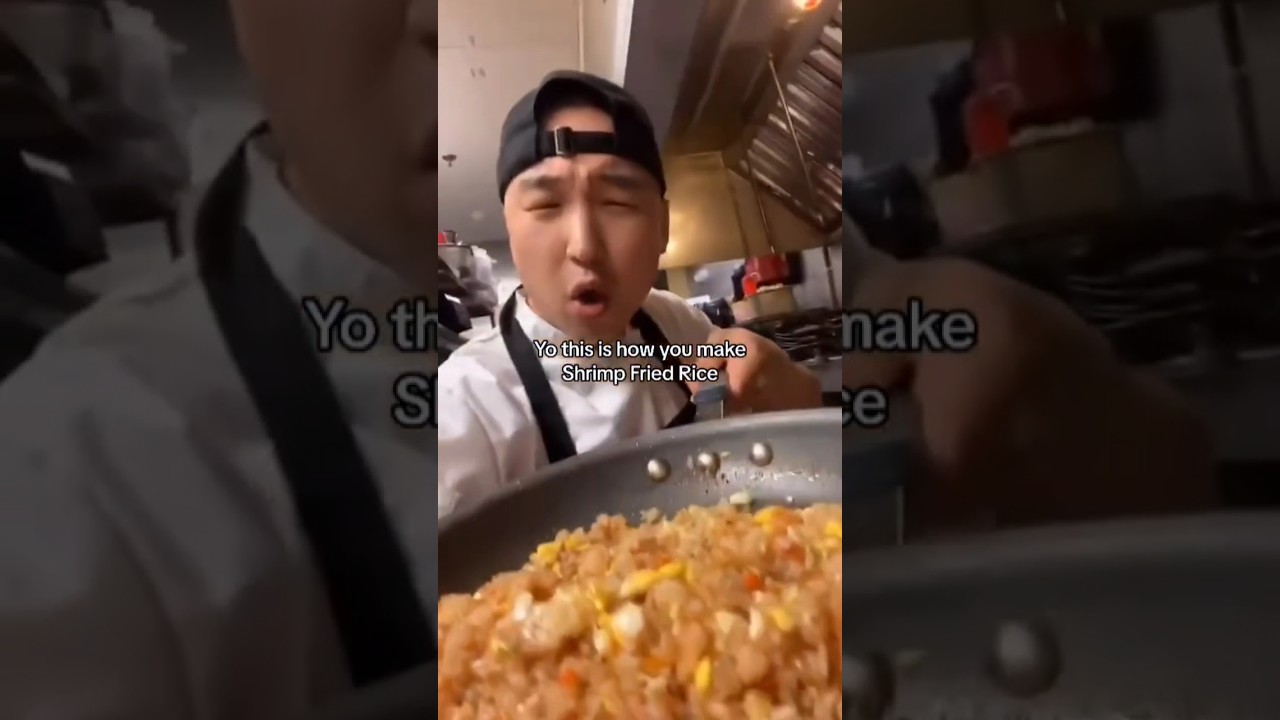
“Every takeout order of shrimp fried rice you've ever eaten was made in a wok over a flame that runs three times hotter than your home burner. That's the real secret — and it's one you can't replicate exactly. But you can get 90% of the way there if you stop making the mistakes that sabotage every home attempt: fresh rice, crowded pans, and eggs that steam instead of scramble. Fix those three things and you're done.”
Why This Recipe Works
Shrimp fried rice is the dish that exposes every bad habit a home cook has. Wet rice. Crowded pan. Sauce dumped in too early. Eggs stirred before they've had a chance to become anything. Any one of these will produce mediocre results. All four together produce the grey, soggy mess that makes people reach for the takeout app instead.
The fix is not a new ingredient. It's a sequence.
The Rice Has to Be Old
This is not a preference. It is a requirement. Freshly cooked rice contains residual steam trapped inside each grain and free surface moisture clinging to the outside. When that rice hits a hot pan, it off-gasses immediately, dropping pan temperature and coating every grain in a film of steam. You can't fry what's steaming.
Day-old rice — refrigerated overnight, ideally uncovered for part of that time — has shed most of that moisture. The grains are firm, separate, and slightly tacky on the surface. That tackiness is good: it means the starch has retrograted, which is the same thing that makes cold leftover rice feel different from hot freshly cooked rice. Those retrograded starches crisp up beautifully in a hot pan.
If you forgot to plan ahead, spread freshly cooked rice in a thin layer on a sheet pan and refrigerate uncovered for 90 minutes minimum. It's not perfect but it gets you past the worst of the moisture problem.
Heat Is Everything
Restaurant fried rice is cooked over a burner producing 15,000+ BTU. Your home stove runs somewhere between 5,000 and 8,000 on its best day. You cannot close that gap with technique. What you can do is stop fighting it by overcrowding your pan.
When you pile a full batch of shrimp plus vegetables plus rice into a home skillet simultaneously, you kill the temperature instantly and turn your "stir fry" into a braise. Cook in stages. Sear the shrimp first in a single layer, pull them out, then build the rest of the dish. A carbon steel wok holds heat better than stainless and recovers faster when cold ingredients go in, but even a 12-inch cast iron skillet will outperform a thin non-stick if your technique is correct.
The goal is a pan that stays hot enough throughout the entire cook that moisture evaporates on contact instead of pooling. That's what produces individual glossy grains instead of a clump.
The Egg Problem
Ask any home cook what's wrong with their fried rice and they'll say the eggs. The eggs are always wrong — pale, rubbery, integrated so thoroughly into the rice that you forget they're there.
The fix is embarrassingly simple: don't add the eggs to the rice. Push the vegetables to the sides of the pan with a flat-edged spatula, clear a well in the center of the hot surface, pour in the beaten eggs, and leave them alone for 20-30 seconds. Real curds need contact time with a hot surface before you touch them. Once they've set slightly, scramble gently, fold into the vegetables, then bring the rice in on top. The egg pieces stay distinct. They have texture. You can see them.
Sauce Timing Is Precision Work
Soy sauce, oyster sauce, and rice vinegar go in after the rice has been frying for 2-3 minutes — not before. This timing matters. Sauce added to cold or partially heated rice steams everything it touches and turns a fried dish into a braised one. Sauce added to properly hot, slightly dried-out rice coats each grain individually and caramelizes briefly on the hot surface before you can stir it through.
The final step — a drizzle of sesame oil added off-heat after the pan comes off the burner — is not redundant. The sesame oil you cooked with at medium heat has already lost most of its aromatic punch. Raw sesame oil at the end is purely fragrance: a sharp, nutty top note that your nose hits before the first bite. It costs nothing and it's the step that makes people ask what's different about your version versus every other fried rice they've had.
Where Beginners Mess This Up
Before we start, read this. These are the 4 reasons your better than takeout shrimp fried rice (30-minute wok method) will fail:
- 1
Using freshly cooked rice: Fresh rice is packed with steam and surface moisture. The second it hits a hot pan, it releases that moisture, dropping the pan temperature and turning everything into a soggy clump. Day-old rice — ideally refrigerated overnight uncovered — has dried out significantly. Each grain is separate, firm, and ready to fry. This is not optional.
- 2
Overcrowding the wok: When you pile too much into a home skillet, the temperature drops instantly and you're steaming, not frying. Everything turns soft, grey, and sad. Cook the shrimp separately, then set aside. Cook the vegetables separately. Only combine at the end. Your home burner can't maintain wok hei over a full load — work with that limitation, not against it.
- 3
Scrambling the eggs wrong: Pouring eggs directly into the rice buries them and produces pale, rubbery streaks. Push the vegetables to the sides, create a clear well, pour the eggs into that well, and let them sit untouched for 20-30 seconds before you scramble. You want actual egg curds with texture — not egg-flavored paste coating the rice.
- 4
Adding cold soy sauce at the wrong moment: Sauce goes on the rice, not the shrimp, and it goes in after the rice has been frying for 2-3 minutes — not at the start. Sauce added too early steams the rice. Sauce added too late doesn't penetrate the grains. Timing the sauce correctly is what separates glossy, evenly seasoned fried rice from beige rice with soy puddles.
The Video Reference Library
Want to see it in action? Here are the exact videos we analyzed and combined to build this foolproof recipe translation:
The source video for this method. Clear demonstration of the rice-pressing technique and egg well method that most home cooks skip.
🛠️ Core Equipment
- 12-inch carbon steel wok or large heavy skilletThe wider the cooking surface, the faster moisture evaporates. A [carbon steel wok](/kitchen-gear/review/carbon-steel-wok) conducts heat faster than stainless and seasons over time. A 12-inch skillet works as a backup — nothing smaller.
- Flat-edged wok spatulaYou need to press the rice against the hot surface and scrape the bottom continuously. A round spoon can't do this. A [wok spatula](/kitchen-gear/review/wok-spatula) with a flat metal edge is the difference between fried rice and stirred rice.
- Instant-read thermometerOptional but useful for shrimp. Shrimp are done at 120°F internally — they go from raw to rubbery in under 60 seconds past that point. A [probe thermometer](/kitchen-gear/review/instant-read-thermometer) eliminates the guesswork.
- Paper towelsPatting the shrimp bone-dry before cooking is the single most important prep step. Any surface moisture creates steam, drops pan temp, and prevents the light sear that keeps shrimp juicy.
Better Than Takeout Shrimp Fried Rice (30-Minute Wok Method)
🛒 Ingredients
- ✦3 cups day-old cooked white or brown rice, cooled
- ✦1 pound large shrimp, peeled and deveined
- ✦2 tablespoons sesame oil
- ✦3 cloves garlic, minced
- ✦1 inch fresh ginger, finely minced
- ✦1 medium yellow onion, finely diced
- ✦1 cup diced bell peppers (red, yellow, or orange)
- ✦1 cup frozen peas and carrots
- ✦3 green onions, thinly sliced
- ✦3 tablespoons low-sodium soy sauce
- ✦1 tablespoon oyster sauce
- ✦1 teaspoon rice vinegar
- ✦2 large eggs, lightly beaten
- ✦1/2 teaspoon white pepper
- ✦1/4 teaspoon red pepper flakes, optional
- ✦1 tablespoon vegetable oil for cooking
- ✦2 tablespoons fresh cilantro, chopped
- ✦1 lime, cut into wedges for serving
👨🍳 Instructions
01Step 1
Pat the shrimp completely dry with paper towels and season lightly with white pepper. Set aside.
02Step 2
Heat vegetable oil in a large wok or 12-inch skillet over medium-high heat until shimmering and just beginning to smoke.
03Step 3
Add shrimp in a single layer. Cook 2-3 minutes per side until pink and opaque. Transfer to a clean plate immediately.
04Step 4
Reduce to medium heat. Add sesame oil to the same wok. Add garlic and ginger and sauté for 30 seconds, stirring constantly.
05Step 5
Add diced yellow onion. Cook 2-3 minutes, stirring frequently, until translucent.
06Step 6
Add bell peppers and frozen peas and carrots. Cook 3-4 minutes until slightly softened but still with some bite.
07Step 7
Push all vegetables to the outer edges of the wok, creating a clear well in the center. Pour the beaten eggs into the well and let them sit undisturbed for 20-30 seconds.
08Step 8
Scramble the eggs gently, then fold them into the vegetables around the edges.
09Step 9
Add the day-old rice, breaking up any clumps by pressing the rice firmly against the hot surface with your spatula. Fry for 2-3 minutes.
10Step 10
Pour the soy sauce, oyster sauce, and rice vinegar over the rice. Mix thoroughly for about 1 minute until evenly coated and heated through.
11Step 11
Return the cooked shrimp to the wok. Toss everything together for 1-2 minutes until shrimp is warmed through.
12Step 12
Taste and adjust with additional soy sauce or white pepper if needed.
13Step 13
Remove from heat. Stir in green onions and red pepper flakes if using.
14Step 14
Divide among bowls. Top with fresh cilantro and serve with lime wedges.
Nutrition Per Serving
Estimates based on standard preparation. Adjustments alter macros.
🔄 Substitutions
Instead of White rice...
Use Brown rice or cauliflower rice
Brown rice is firmer and nuttier — a direct swap with a slightly chewier result. Cauliflower rice produces a lighter, lower-carb dish but requires faster cooking to avoid sogginess.
Instead of Soy sauce...
Use Tamari or coconut aminos
Tamari is gluten-free with a slightly richer flavor. Coconut aminos is sweeter and lower in sodium — reduce other seasonings slightly to compensate.
Instead of Large shrimp...
Use Diced chicken breast or firm tofu cubes
Chicken needs 2-3 extra minutes per side. Tofu should be pressed dry and handled gently — it breaks apart if you stir too aggressively.
Instead of Oyster sauce...
Use Mushroom-based sauce or additional low-sodium soy sauce with 1/4 teaspoon sugar
Mushroom sauce preserves the umami depth. The soy-plus-sugar combination mimics oyster sauce's sweet-savory balance in a pinch.
🧊 Storage & Reheating
In the Fridge
Store in an airtight container for up to 3 days. The flavors meld overnight and it often tastes better on day two.
In the Freezer
Freeze in individual portions for up to 1 month. Thaw overnight in the fridge before reheating.
Reheating Rules
Reheat in a hot skillet with a splash of water or a few drops of soy sauce, stirring constantly for 3-4 minutes. Microwave works but the rice loses its texture — use a skillet if you can.
❓ Frequently Asked Questions
Why is my fried rice soggy?
Fresh rice. Always fresh rice. It releases steam in the pan and drops the temperature too fast to fry properly. Use rice that was cooked at least a day ago and refrigerated. If you're in a hurry, spread fresh rice on a sheet pan and refrigerate uncovered for 1-2 hours minimum.
Do I need a wok, or will a regular skillet work?
A 12-inch heavy skillet works fine. The key is surface area and heat retention — you need enough room that the rice isn't piled on itself, and enough mass that the pan doesn't lose heat when you add cold ingredients. A thin non-stick pan is the worst option.
Can I use frozen shrimp?
Yes, but thaw completely and pat very dry before cooking. Frozen shrimp holds a lot of water. Skipping the dry step guarantees steamed, rubbery shrimp with a grey color instead of the light sear you want.
My eggs always disappear into the rice. What am I doing wrong?
You're adding them too late or stirring too fast. Push the vegetables aside, create a clear well in the center of the pan, pour the eggs in, and wait 20-30 seconds before you touch them. Let the curds form. Then scramble gently and fold into the vegetables before the rice goes in.
When should I add the soy sauce?
After the rice has been frying for 2-3 minutes — not before. Adding sauce to wet or cold rice prevents proper frying and makes everything steam. The rice needs to be hot and partially dried out before the sauce goes in so it coats each grain instead of pooling at the bottom.
What's wok hei and can I get it at home?
Wok hei is the smoky, slightly charred flavor from cooking in a carbon steel wok over a flame running 10,000-15,000 BTU. Your home burner runs 5,000-8,000 BTU at best. You can't replicate it exactly, but you can approximate it: get the pan ripping hot before anything goes in, don't overcrowd, and add a small drizzle of sesame oil off-heat at the end. It won't be identical to restaurant fried rice. It'll still be very good.
The Science of
Better Than Takeout Shrimp Fried Rice (30-Minute Wok Method)
We turned everything on this page into a beautiful, flour-proof PDF cheat sheet. Print it out, stick it to your fridge, and never mess up your better than takeout shrimp fried rice (30-minute wok method) again.
*We'll email you the high-res PDF instantly. No spam, just perfectly cooked meals.
AlmostChefs Editorial Team
We translate the internet's most popular cooking videos into foolproof, beginner-friendly written recipes. We analyze multiple methods, test them in our kitchen, and engineer a single "Master Recipe" that gives you the best possible result with the least possible stress.