Classic Shrimp Cocktail (The Party Starter You're Overcooking)
Tender poached shrimp served ice-cold with a punchy homemade cocktail sauce built from fresh horseradish and real citrus. We broke down the technique to fix the two mistakes most home cooks make: boiling too long and skipping the ice bath.
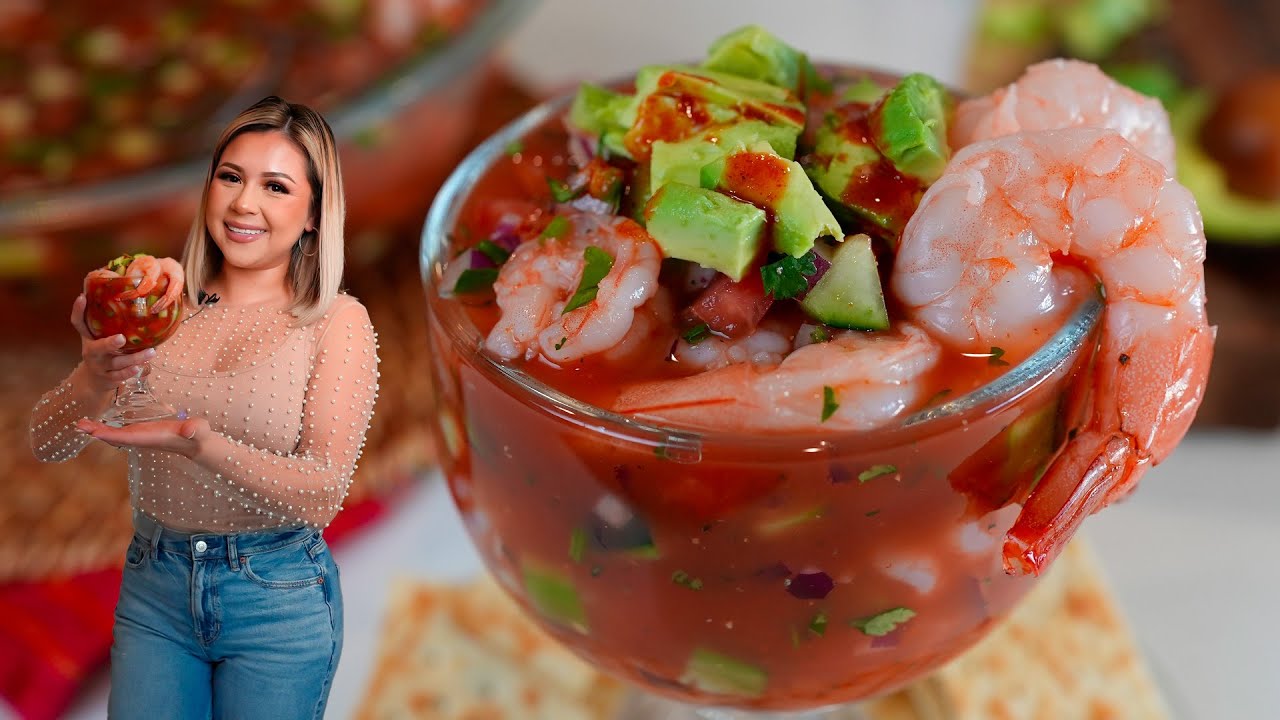
“Shrimp cocktail looks effortless. That's exactly why people ruin it. The dish has two components and about four minutes of actual cooking, yet most homemade versions produce rubbery, gray shrimp floating in bottled sauce that tastes like ketchup with an identity crisis. The fix is almost embarrassingly simple: cook less, chill faster, and make the sauce from scratch. That's it.”
Why This Recipe Works
Shrimp cocktail is the most dangerous dish on the appetizer menu — not because it's difficult, but because it looks so simple that no one respects it. Two components. Minimal cooking. Four ingredients in the sauce. And yet the version that shows up at most dinner parties involves gray, bouncy shrimp in a sauce that tastes like it was squeezed from a bottle of Heinz with a horseradish brand partnership. Which it was.
The dish earns its reputation when you give it five minutes of actual thought.
The Physics of Poaching
Shrimp are roughly 80% water and 20% protein. When that protein hits heat, it contracts — that's the curl. At the correct internal temperature of 120°F, the proteins set just enough to create a tender, snappy texture. At 140°F, those same proteins have tightened into a rubber band. The window between the two is approximately 60 to 90 seconds at a steady simmer.
This is why the poaching liquid should never be at a full boil when the shrimp go in. A rolling boil creates turbulence that throws off consistent heat distribution and physically beats the shrimp around the pot. A steady simmer — small bubbles breaking the surface, not a violent churn — surrounds the shrimp with even, controllable heat. Drop to medium-high the moment before they go in.
The ice bath is not a finishing touch. It is half the cooking method. Shrimp continue to cook from residual internal heat for 60 to 90 seconds after leaving hot water. If they sit in a colander while you fumble for the serving dish, they've cooked for an additional 2 minutes by the time they're plated. The ice bath ends the cook immediately and drops the surface temperature fast enough to lock in that precise snap-tender texture.
The Sauce Problem
Commercial cocktail sauce is an engineering exercise in shelf stability, not flavor. The horseradish in a jar of Heinz or Bookbinder's was packed months ago, and the volatile isothiocyanate compounds that create the distinctive sinus-clearing heat have largely evaporated. What remains is mild background heat and a lot of sugar.
Fresh horseradish grated on a microplane right before you mix the sauce is a completely different ingredient. The burn reaches the back of your throat instead of sitting politely on the front of your tongue. The aroma is sharp and vegetal. Three tablespoons of fresh grated horseradish does more work than six tablespoons of the jarred version — and it takes 90 seconds to prepare.
The citrus balance matters too. Lemon alone creates a one-dimensional bright note. Lemon plus lime creates depth — the lime adds a slightly rounder, more aromatic acid that makes the sauce taste more complex than it has any right to be given its ingredient list.
The Cold Chain
Temperature is the silent ingredient in this dish. The shrimp should be cold. The sauce should be cold. The glasses should be cold. When any element in the assembly is at room temperature, it starts pulling heat from the elements around it — and shrimp cocktail served at 55°F instead of 38°F is a different eating experience. Worse, warm shrimp sitting on room-temperature greens next to room-temperature sauce will be fully ambient by the time they're eaten.
Ten minutes in the freezer transforms a regular cocktail glass into a serving vessel that actively keeps the dish cold. It costs nothing and the difference is immediate. Restaurants do this for wine glasses, beer mugs, and cocktail glasses. There is no reason not to do it for a cold seafood appetizer.
The shrimp, the sauce, the vessel — cold all the way through. That's the dish.
Where Beginners Mess This Up
Before we start, read this. These are the 4 reasons your classic shrimp cocktail (the party starter you're overcooking) will fail:
- 1
Overcooking the shrimp: Shrimp are done at 2-3 minutes in simmering water — not boiling, simmering. A full rolling boil hammers the exterior before the center cooks through, then carryover heat finishes the job on the way to rubbery. Watch for the moment they turn opaque and curl into a loose C-shape. A tight O-shape means you went too far.
- 2
Skipping the ice bath: Hot shrimp keep cooking for 90 seconds after they leave the water. Without an immediate ice bath, the carryover heat pushes your 2-minute shrimp to 4-minute shrimp before they hit the plate. The ice bath is not optional — it is the off switch.
- 3
Using bottled cocktail sauce: Store-bought cocktail sauce is mostly high-fructose corn syrup with trace horseradish. The fresh version takes four minutes to assemble and tastes like an entirely different condiment. The heat from fresh-grated horseradish dissipates quickly in jarred form — you never get the sinus-clearing bite that makes the dish worth eating.
- 4
Serving warm shrimp in warm glasses: Shrimp cocktail is a cold dish. The glasses or bowls should be chilled in the freezer for 10 minutes before plating. Room-temperature serving vessels pull heat into the shrimp from below while air temperature hits from above. Fifteen minutes later you have warm seafood, which is a different problem entirely.
The Video Reference Library
Want to see it in action? Here are the exact videos we analyzed and combined to build this foolproof recipe translation:
The source video for this recipe. Clear demonstration of the poaching technique, ice bath timing, and cocktail sauce assembly that makes the dish work.
🛠️ Core Equipment
- Large potYou need enough water volume to maintain temperature when cold shrimp hit the water. A small pot drops to a simmer immediately and stalls the cook time, creating uneven results across a full pound and a half of shrimp.
- Large bowl and iceThe ice bath is the most important piece of equipment in this recipe. Fill the bowl with equal parts ice and cold water before you start cooking. You need it ready the second the shrimp come out.
- Fine-mesh sieve or slotted spoonFor transferring shrimp from hot water to ice bath quickly. Every second of delay is carryover cooking you didn't intend.
- Box grater or microplaneFresh horseradish grated on a [microplane](/kitchen-gear/review/microplane) releases volatile compounds that bottled horseradish has already lost. The difference in heat and aroma is not subtle.
Classic Shrimp Cocktail (The Party Starter You're Overcooking)
🛒 Ingredients
- ✦1.5 pounds large shrimp, peeled and deveined
- ✦6 cups filtered water
- ✦2 teaspoons sea salt
- ✦3 bay leaves
- ✦1 lemon, halved
- ✦1 cup organic ketchup
- ✦3 tablespoons fresh horseradish, grated
- ✦2 tablespoons fresh lemon juice
- ✦1 tablespoon fresh lime juice
- ✦2 teaspoons Worcestershire sauce
- ✦1 teaspoon hot sauce
- ✦1/2 teaspoon freshly ground black pepper
- ✦2 cups mixed leafy greens, loosely packed
- ✦1 bunch fresh scallions, thinly sliced
- ✦1 cucumber, diced into 1/2-inch cubes
- ✦8 lemon wedges, for garnish
- ✦1 pound ice, for chilling
👨🍳 Instructions
01Step 1
Fill a large bowl with equal parts ice and cold water. Set it next to the stove. Do this before you turn on the heat.
02Step 2
Bring the filtered water to a rolling boil in a large pot over high heat. Add the sea salt, bay leaves, and both lemon halves, squeezing them as you drop them in.
03Step 3
Reduce heat to medium-high to achieve a steady simmer rather than a full boil. Gently lower the shrimp into the water and stir once to separate them.
04Step 4
Cook for 2 to 3 minutes, watching closely. Pull the shrimp the moment they turn fully opaque and form a loose C-shape. Do not wait for a tight curl.
05Step 5
Immediately transfer the shrimp with a slotted spoon into the ice bath. Submerge fully and let chill for 5 minutes.
06Step 6
Drain the chilled shrimp and pat thoroughly dry with paper towels. Refrigerate until plating time.
07Step 7
Combine the ketchup, grated horseradish, lemon juice, lime juice, Worcestershire sauce, hot sauce, and black pepper in a bowl. Stir until fully blended.
08Step 8
Chill four cocktail glasses or bowls in the freezer for 10 minutes before plating.
09Step 9
Divide the mixed greens evenly among the chilled glasses. Arrange 6 to 8 shrimp per glass around the rim or over the greens.
10Step 10
Scatter the sliced scallions and diced cucumber over each portion.
11Step 11
Spoon 3 to 4 tablespoons of cocktail sauce over each serving. Garnish with two lemon wedges per glass and serve immediately.
Nutrition Per Serving
Estimates based on standard preparation. Adjustments alter macros.
🔄 Substitutions
Instead of Organic ketchup...
Use Fresh tomato paste mixed with diced fresh tomatoes
Brighter, less sweet sauce with more natural tomato flavor. Slightly thicker — thin with a splash of water if needed. Reduces added sugars significantly.
Instead of Hot sauce...
Use Fresh jalapeño, minced finely
Fresher heat profile with subtle fruity notes. Start with half a jalapeño and taste before adding more — the heat is harder to calibrate than bottled sauce.
Instead of Worcestershire sauce...
Use Tamari or coconut aminos
Keeps the umami depth while making the dish fully gluten-free. Coconut aminos run slightly sweeter — reduce the ketchup by a teaspoon to compensate.
Instead of Mixed leafy greens...
Use Arugula or watercress
More assertive flavor that pairs better with the briny shrimp and tangy sauce. Also holds its structure longer under cold shrimp than delicate spring mix.
🧊 Storage & Reheating
In the Fridge
Store cooked shrimp and sauce separately in airtight containers for up to 2 days. Do not store plated — the greens and cucumber go limp within an hour.
In the Freezer
Freeze cooked shrimp for up to 1 month. Thaw overnight in the fridge on a paper-towel-lined tray. Do not freeze the assembled dish or the sauce.
Reheating Rules
This dish is served cold — no reheating required. If shrimp have warmed above fridge temperature, return them to an ice bath for 5 minutes before serving.
❓ Frequently Asked Questions
How do I know when the shrimp are done?
Look for a loose C-shape and fully opaque flesh — no translucent gray sections in the center. A tight O-shape or completely curled shrimp means overcooked. You have roughly a 30-second window between perfect and rubbery, so watch the pot.
Can I use frozen shrimp?
Yes — frozen shrimp is often fresher than 'fresh' shrimp at the counter, which has typically been thawed from frozen anyway. Thaw in the fridge overnight or under cold running water for 15 minutes. Pat very dry before poaching.
Can I make this ahead for a party?
Yes, and it actually improves with advance prep. Poach and chill the shrimp up to 24 hours ahead. Make the sauce up to 48 hours ahead — it deepens in flavor overnight. Assemble no more than 30 minutes before serving.
Why is my cocktail sauce watery?
Fresh horseradish releases liquid as it sits. If you grated it ahead, the sauce thins out. Grate the horseradish fresh just before mixing, or strain off any accumulated liquid before combining with the ketchup.
Do I need to devein the shrimp?
For large shrimp at this size, yes. The vein is the digestive tract — it's not harmful but carries a slightly gritty, muddy flavor that's perceptible in a cold dish where there's no heavy seasoning to mask it.
What size shrimp should I buy?
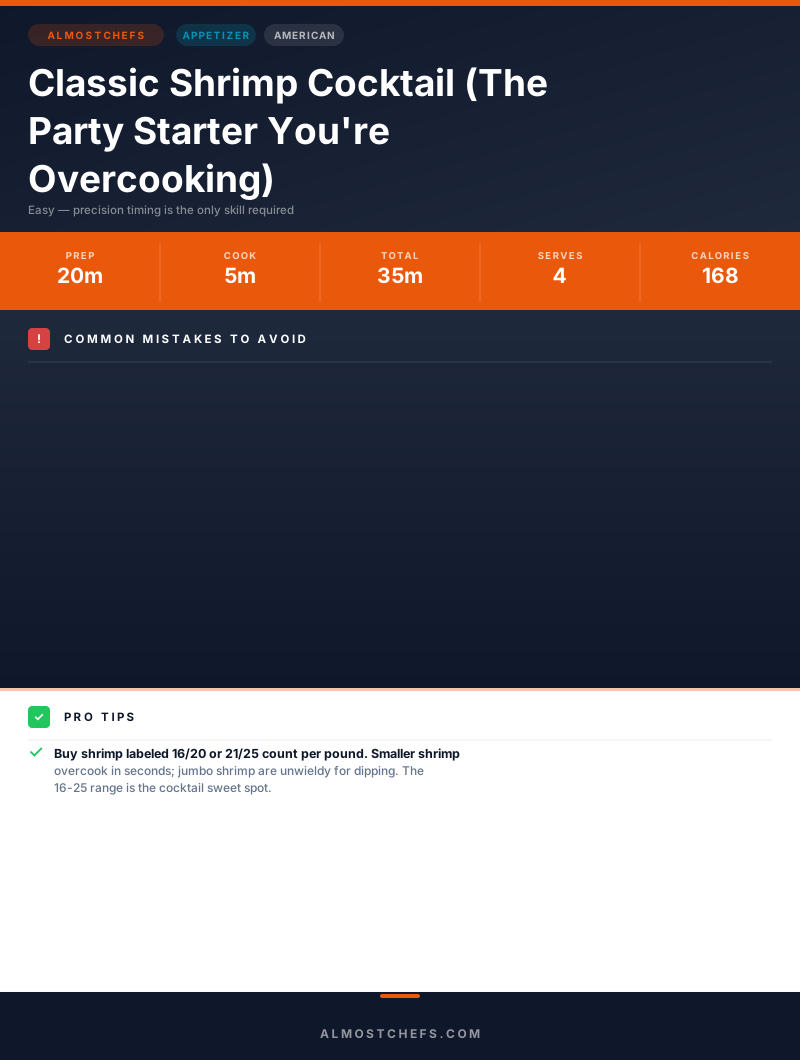
16/20 or 21/25 count per pound. The number refers to how many shrimp are in a pound — lower numbers mean larger shrimp. This range gives you a shrimp that's substantial enough to hold up visually, easy to eat in one or two bites, and large enough to have a margin of error on cook time.
The Science of
Classic Shrimp Cocktail (The Party Starter You're Overcooking)
We turned everything on this page into a beautiful, flour-proof PDF cheat sheet. Print it out, stick it to your fridge, and never mess up your classic shrimp cocktail (the party starter you're overcooking) again.
*We'll email you the high-res PDF instantly. No spam, just perfectly cooked meals.
AlmostChefs Editorial Team
We translate the internet's most popular cooking videos into foolproof, beginner-friendly written recipes. We analyze multiple methods, test them in our kitchen, and engineer a single "Master Recipe" that gives you the best possible result with the least possible stress.