Southern Shrimp and Grits (The Weeknight Version That Actually Holds Up)
Creamy stone-ground grits loaded with sharp cheddar, topped with sautéed shrimp, crispy bacon, mushrooms, and cherry tomatoes in a smoked paprika pan sauce. We broke down the technique so the grits and shrimp finish at exactly the same time — no cold grits, no rubbery shrimp.
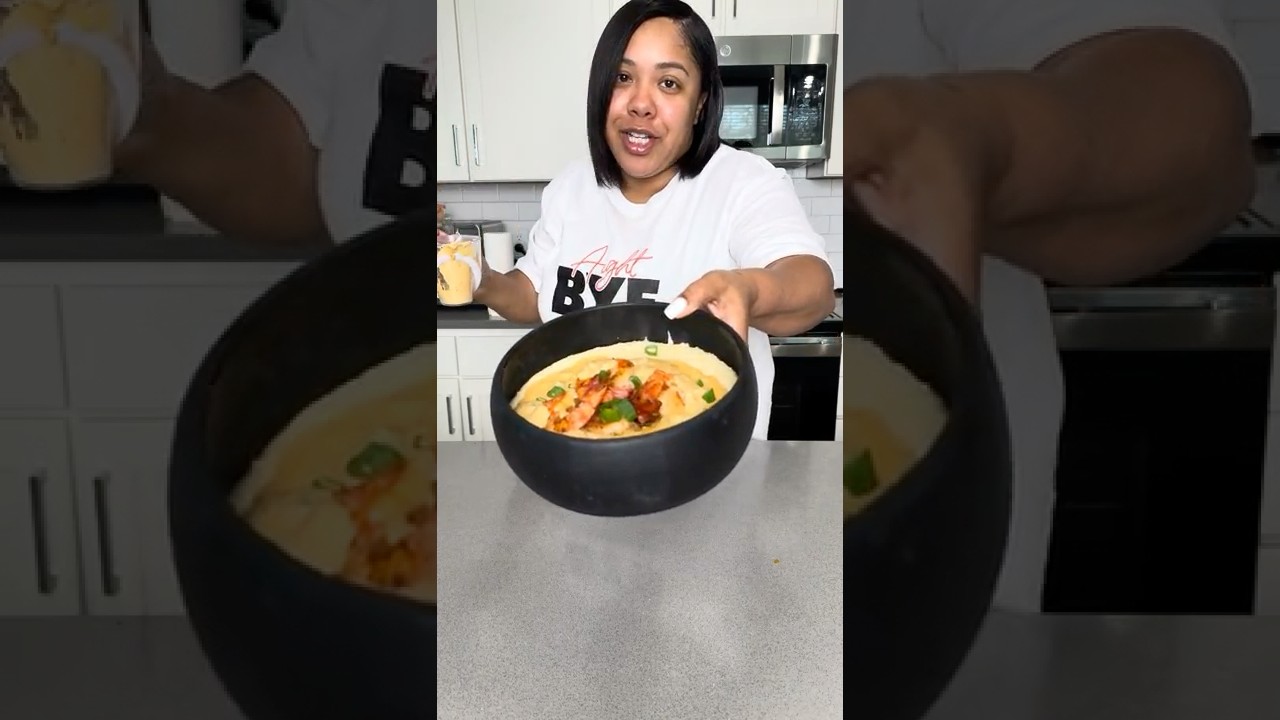
“Shrimp and grits fails in two ways: gluey, bland grits or overcooked, rubbery shrimp. Usually both at once. The fix is not a better recipe — it's understanding that these two components have completely different cooking timelines and need to be managed in parallel. The grits take 20-25 minutes of low, patient heat. The shrimp take 4-6 minutes and can never be walked away from. Get the timing right and everything else is straightforward.”
Why This Recipe Works
Shrimp and grits is not a complicated dish. It's a timing problem disguised as a recipe. Two components with wildly different cooking requirements need to arrive at the table simultaneously, at the correct temperature, neither one waiting for the other. Most home cooks treat it like a linear sequence — finish the grits, then start the shrimp — and end up with warm shrimp on cold, seized grits or perfect grits with overcooked rubber rings on top. The fix is parallel execution, and once you internalize it, the recipe runs itself.
What Stone-Ground Grits Actually Are
Quick grits and stone-ground grits are not the same ingredient. Quick grits are processed to remove the germ and hull, then milled fine so they cook fast. Stone-ground grits retain the whole kernel — germ, hull, and endosperm — ground coarsely so the individual corn pieces still have texture. This is why they take 20-25 minutes and quick grits take 5. The extra time isn't inconvenience; it's the process by which the starch granules fully hydrate, swell, and release into a genuinely creamy suspension rather than a paste.
The liquid ratio matters more than most recipes acknowledge. Four cups of broth to one cup of stone-ground grits produces a soft, spoonable consistency. Drop the liquid and you get gluey, stiff grits that pile on the plate. The heavy-bottomed saucepan keeps the heat even enough that you can maintain a true low simmer without scorching, which is the only way to give the grits the full 20-25 minutes they need.
The Bacon Drippings Are the Pan Sauce
The shrimp topping in this recipe is not just a topping — it's a built sauce. It starts with bacon rendered until crispy in a cast iron skillet, which leaves behind seasoned fat that carries more flavor than plain butter or oil. The onion and mushrooms cook in that fat, picking up all the fond. The garlic and spices bloom in the same fat. By the time the shrimp hit the pan, the base is already built.
Mushrooms are doing real work here. They release moisture during cooking, which deglazes the fond naturally and creates a loose, savory sauce without needing stock or a separate liquid. Let them cook until that moisture evaporates and they begin to brown — that's when the flavor concentrates. Pulling them early produces a watery, flat sauce.
The Shrimp Problem
Shrimp cook faster than almost any other protein. At medium-high heat in a properly hot skillet, large shrimp need exactly 2-3 minutes per side — and that's the entire window between raw and overcooked. The visual cue is specific: a loose C-curve with fully opaque pink flesh means done. A tight O-curl means you've gone 30 seconds too long and the proteins have contracted into firm rubber.
Pat them dry before they hit the pan. This is not optional. Surface moisture on shrimp creates steam, which drops the pan temperature and turns searing into poaching. Poached shrimp in a sear pan look pale, have no color, and contribute nothing to the sauce. Thirty seconds with a paper towel prevents this entirely.
Why the Components Go Separate
The grits and shrimp topping are plated separately, not combined. This preserves the texture contrast — creamy, soft grits underneath against tender shrimp and slightly yielding vegetables on top. Mix them together and you get a uniform stew where neither component is distinct. The contrast is the dish.
Start the grits first. At the 15-minute mark, start the bacon. By the time the grits are done and resting with the cheese melted in, the shrimp will be finishing in the pan. This is the only sequencing that works.
Where Beginners Mess This Up
Before we start, read this. These are the 4 reasons your southern shrimp and grits (the weeknight version that actually holds up) will fail:
- 1
Rushing the grits: Stone-ground grits are not instant grits. They need 20-25 minutes of low heat and constant attention to release their starch and develop a creamy texture. Crank the heat to speed things up and you get a scorched bottom, raw center, and gummy texture. Low and slow is the only path.
- 2
Overcooking the shrimp: Shrimp go from perfectly cooked to rubber in under 60 seconds. The moment they turn fully pink and opaque with a slight C-curve, they're done. A tight curl into an O-shape means you've gone too far. Pull them from the heat immediately — they'll continue cooking from residual heat even off the burner.
- 3
Adding shrimp to a cold pan: The pan needs to be properly hot before the shrimp go in. A lukewarm pan causes the shrimp to steam and poach rather than sear, and you lose all the color and fond that make the pan sauce worth building. Wait until the butter is foaming before adding them.
- 4
Underseasoning the grits: Grits are a blank canvas and they absorb salt slowly. Season them at the beginning of cooking, at the midpoint, and again after adding the cheese. Tasteless grits ruin the entire dish regardless of how good the shrimp topping is.
The Video Reference Library
Want to see it in action? Here are the exact videos we analyzed and combined to build this foolproof recipe translation:
The primary reference for this recipe. Covers the grits-to-shrimp timing sequence and demonstrates exactly how dark to take the bacon fond before building the sauce.
🛠️ Core Equipment
- Heavy-bottomed saucepanEssential for the grits. Thin pots create scorched hot spots that burn the bottom while the center stays undercooked. A heavy base distributes heat evenly so you can maintain a true low simmer without stirring every 30 seconds.
- Large cast iron or stainless skilletFor building the shrimp and sauce. Cast iron retains heat at high temperatures, which gives you the sear you need on the shrimp and a proper fond for the pan sauce. Non-stick pans don't get hot enough.
- WhiskNon-negotiable for the grits. Pouring dry cornmeal into hot liquid without constant whisking creates instant lumps that cannot be rescued. Whisk continuously for the first 2-3 minutes until the grits are fully hydrated and smooth.
- Instant-read thermometerOptional but useful. Shrimp are perfectly cooked at an internal temperature of 120°F. If you're uncertain about doneness by sight, a thermometer removes all guesswork.
Southern Shrimp and Grits (The Weeknight Version That Actually Holds Up)
🛒 Ingredients
- ✦1 pound large shrimp, peeled and deveined
- ✦1 cup stone-ground cornmeal or polenta
- ✦4 cups low-sodium vegetable broth
- ✦1 cup unsweetened almond milk
- ✦4 tablespoons grass-fed butter, divided
- ✦4 ounces sharp cheddar cheese, shredded
- ✦3 slices bacon, chopped
- ✦1 medium yellow onion, finely diced
- ✦8 ounces mushrooms, sliced
- ✦3 cloves garlic, minced
- ✦1 cup cherry tomatoes, halved
- ✦2 tablespoons fresh lemon juice
- ✦1 teaspoon smoked paprika
- ✦½ teaspoon cayenne pepper
- ✦½ teaspoon sea salt
- ✦¼ teaspoon black pepper
- ✦3 green onions, sliced
- ✦Fresh parsley, chopped for garnish
👨🍳 Instructions
01Step 1
Bring the vegetable broth and almond milk to a gentle boil in a heavy-bottomed saucepan over medium-high heat.
02Step 2
Whisk in the cornmeal slowly in a thin, steady stream while stirring constantly to prevent lumps from forming, about 2-3 minutes.
03Step 3
Reduce the heat to low and continue cooking the grits, stirring frequently, for 20-25 minutes until they reach a creamy consistency and pull away from the sides of the pan.
04Step 4
Stir in 2 tablespoons of butter and the shredded cheddar cheese until fully melted and combined, then season with salt and pepper to taste. Keep warm on the lowest heat setting.
05Step 5
While the grits cook, sauté the chopped bacon in a large skillet over medium heat until crispy, about 5-7 minutes. Transfer to a paper towel-lined plate, leaving the drippings in the pan.
06Step 6
Add the diced onion to the bacon drippings and cook until softened and translucent, approximately 4 minutes.
07Step 7
Stir in the sliced mushrooms and cook for 5-6 minutes, stirring occasionally, until they release their moisture and begin to brown.
08Step 8
Add the minced garlic and cook for 1 minute until fragrant, then sprinkle the smoked paprika and cayenne pepper over the mixture and stir to coat.
09Step 9
Increase heat to medium-high. Toss the shrimp with the remaining 2 tablespoons of butter and add them to the skillet in a single layer. Cook 2-3 minutes per side until pink and opaque.
10Step 10
Stir in the cherry tomatoes and return the cooked bacon to the skillet. Squeeze fresh lemon juice over everything and toss gently to combine.
11Step 11
Cook for another 2 minutes to allow the flavors to meld and the tomatoes to soften slightly. Taste and adjust seasoning.
12Step 12
Divide the creamy grits among four serving bowls and top each portion generously with the shrimp and vegetable mixture.
13Step 13
Garnish each serving with sliced green onions and fresh chopped parsley. Serve immediately.
Nutrition Per Serving
Estimates based on standard preparation. Adjustments alter macros.
🔄 Substitutions
Instead of Grass-fed butter...
Use Ghee or coconut oil
Ghee offers better digestibility and higher smoke point for searing the shrimp. Coconut oil works in the grits but adds subtle sweetness that changes the flavor profile slightly.
Instead of Sharp cheddar cheese...
Use Aged goat cheese or feta
Tangier flavor with similar creaminess. Crumble either into the warm grits off heat — they melt less uniformly than cheddar but the flavor is more complex.
Instead of Regular bacon...
Use Nitrate-free pasture-raised bacon or smoked mushroom pieces
The mushroom version is fully vegetarian-friendly and still delivers the smoky, savory foundation the pan sauce needs. Toss thick-sliced mushrooms in smoked paprika and cook until deeply browned before building the sauce.
Instead of Stone-ground cornmeal...
Use Polenta or a 50/50 blend with cauliflower rice
Polenta is functionally identical and widely available. The cauliflower blend reduces glycemic load significantly but changes the texture — looser, lighter, less starchy. Adjust liquid ratio down by about 20%.
🧊 Storage & Reheating
In the Fridge
Store grits and shrimp topping separately in airtight containers for up to 2 days. Combined, they become difficult to reheat without the grits drying out and the shrimp overcooking again.
In the Freezer
Grits freeze well for up to 1 month. The shrimp topping does not — shrimp texture degrades significantly after freezing and reheating. Freeze only the grits.
Reheating Rules
Reheat grits in a saucepan over low heat with a splash of broth, stirring constantly until smooth and warm. Reheat shrimp in a skillet over medium heat for 60-90 seconds maximum — they're already cooked, they just need warming.
❓ Frequently Asked Questions
Why are my grits lumpy?
You added the cornmeal too fast or didn't whisk continuously during the first 2-3 minutes. Once lumps set, they can't be fully smoothed out. Strain the grits through a fine-mesh sieve if the lumps are small, or start over if they're large. Next time: thin stream, constant whisking, non-negotiable.
Can I use pre-cooked or frozen shrimp?
Technically yes, but the result is significantly worse. Pre-cooked shrimp only need 60-90 seconds to warm through — any longer and they're rubbery. You also lose the ability to build pan fond from raw shrimp searing. Fresh or thawed-from-raw is strongly preferred.
My grits are done but the shrimp aren't started yet — what do I do?
Remove the grits from heat, cover tightly, and start the shrimp immediately. Covered grits hold temperature for 5-8 minutes without seizing. If they've thickened by the time the shrimp is ready, stir in warm broth until loose again.
Can I make this dairy-free?
Yes. Replace the butter with ghee or coconut oil, the almond milk with full-fat coconut milk for richness, and skip the cheddar or use a cashew-based cheese. The grits will be slightly less creamy but still deeply flavorful.
What type of shrimp works best?
Large (21-25 count) or extra-large (16-20 count) shrimp. Small shrimp cook too fast to develop any sear and disappear visually in the bowl. The larger the shrimp, the more forgiving the 2-3 minute cook window becomes.
Is this dish actually gluten-free?
Stone-ground cornmeal is naturally gluten-free, as are all other ingredients in this recipe. However, cross-contamination is possible with certain packaged broths and processed bacons. Check labels if celiac disease is a concern.
The Science of
Southern Shrimp and Grits (The Weeknight Version That Actually Holds Up)
We turned everything on this page into a beautiful, flour-proof PDF cheat sheet. Print it out, stick it to your fridge, and never mess up your southern shrimp and grits (the weeknight version that actually holds up) again.
*We'll email you the high-res PDF instantly. No spam, just perfectly cooked meals.
AlmostChefs Editorial Team
We translate the internet's most popular cooking videos into foolproof, beginner-friendly written recipes. We analyze multiple methods, test them in our kitchen, and engineer a single "Master Recipe" that gives you the best possible result with the least possible stress.