Easy Shrimp Alfredo (Ready in 30 Minutes, No Compromises)
A weeknight Shrimp Alfredo that tastes like a restaurant spent three hours on it. Greek yogurt alongside heavy cream gives you a silky, Parmesan-forward sauce with real body — shrimp cook in under five minutes, pasta water ties it all together, and dinner is on the table before anyone notices you barely tried.
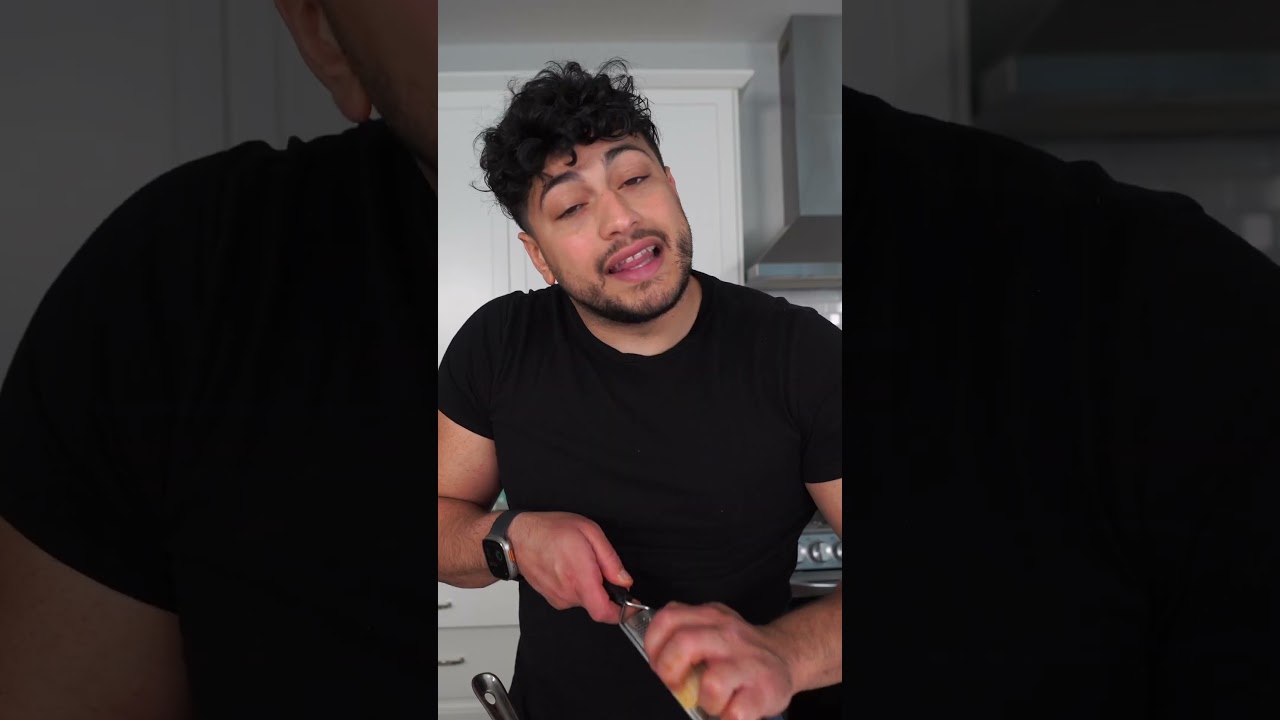
“Alfredo has a reputation problem. Half the versions you've eaten came from a jar or were so heavy they required a nap. The other half were broken, greasy, or tasted like nothing. This recipe fixes all of it by adding Greek yogurt to the cream base — not for health theater, but because the lactic acid brightens the sauce, adds body, and keeps it from splitting when the Parmesan goes in. Shrimp take three minutes per side. You've got time.”
Why This Recipe Works
Alfredo is one of the most frequently destroyed dishes in the home kitchen. Not because it's technically difficult — it isn't — but because three specific mistakes compound each other fast enough that by the time something goes wrong, it's already unsalvageable. Fix the three mistakes and you have a 30-minute dinner that consistently impresses people who have no idea how little effort it took.
The Cream Problem
Classic Alfredo in Rome uses no cream at all — just butter and Parmesan, emulsified with pasta water into a glossy sauce. The Italian-American version substitutes cream for accessibility, but it introduces a new vulnerability: cream breaks under high heat. Once it boils aggressively, the fat separates from the liquid and you're left with a greasy, thin sauce that no amount of Parmesan will fix. Medium heat. Gentle steam. Two minutes. That's the entire discipline.
The Greek yogurt in this recipe isn't a health substitute — it's a structural tool. Yogurt's lactic acid interacts with the casein proteins in the Parmesan, improving how the cheese emulsifies into the cream base. The result is a thicker, more cohesive sauce that clings to pasta instead of pooling in the bowl. The tanginess also cuts through the richness of the butter and cheese, which is why restaurant versions often squeeze lemon over the finished plate. Here, the acid is already built in.
The Cheese Question
Pre-shredded Parmesan is the enemy of this sauce. Manufacturers coat shredded cheese in cellulose or potato starch to prevent clumping during storage. This same coating prevents the cheese from melting when it hits the cream — instead of dissolving into the liquid, it sits in granular clumps at the bottom. Buy a microplane and a block of Parmigiano-Reggiano. The freshly grated cheese melts in under a minute, produces a dramatically silkier sauce, and tastes about four times better.
Add it in batches. The sauce temperature drops slightly with each addition, and whisking between batches ensures the previous batch is fully incorporated before you introduce more. Dump all the cheese in at once and the pan can't keep up — the proteins seize and you get the same lumpy result as the pre-shredded version.
The Shrimp Window
Shrimp cook in minutes, which is their greatest asset and their most common point of failure. The visual cue is a loose C-shape and uniform pink color. A tight curl means the muscle fibers have contracted fully — the shrimp is already overcooked. Pull them at the C. They will continue to cook from carryover heat and the warm sauce.
The other key: dry shrimp. Moisture on the surface of the shrimp steams them instead of searing them. Steam produces a gray, rubbery result with no browning and no flavor development. Paper towels and a heavy-bottomed skillet at proper temperature give you a quick golden crust and a sweet, snappy interior.
Pasta Water Is Not Optional
Every instruction on pasta tells you to reserve pasta water and roughly zero percent of home cooks do it. The starch leached from the cooking pasta turns the water into a mild emulsifier — it's the same principle as adding a small amount of flour to a pan sauce to give it body. When the cream sauce tightens as it cools, pasta water loosens it without diluting the flavor or breaking the emulsion. Plain water works but produces a visibly thinner, less glossy result.
Reserve a full cup. Add it by the tablespoon until the sauce moves the way you want it to — coating the back of a spoon, not flowing off it.
Where Beginners Mess This Up
Before we start, read this. These are the 4 reasons your easy shrimp alfredo (ready in 30 minutes, no compromises) will fail:
- 1
Boiling the cream: Heavy cream breaks when it boils hard. You want it warm — a gentle simmer, never a rolling boil. Once it passes 200°F and holds there, the fat separates and you're left with a greasy puddle instead of a silky sauce. Medium heat, patience, done.
- 2
Adding cold Greek yogurt directly to hot liquid: Cold yogurt hit with high heat curdles immediately. Remove the pan from the burner first, then whisk the yogurt in. The residual heat is more than enough to incorporate it smoothly. Skipping this step is why Alfredo breaks.
- 3
Dumping all the Parmesan at once: Parmesan added in one shot clumps into a rubbery mass at the bottom of the pan. Add it in two or three batches, whisking continuously between each, so the cheese melts gradually into the cream base instead of seizing up.
- 4
Overcooking the shrimp: Shrimp are done the moment they turn pink and curl into a loose C shape. A tight curl means overcooked — rubbery and dry. Pull them off heat while they still look like they need one more minute. Carryover heat does the rest.
The Video Reference Library
Want to see it in action? Here are the exact videos we analyzed and combined to build this foolproof recipe translation:
The source video for this recipe. Clear technique on shrimp timing and the yogurt incorporation step. Watch the color cues on the shrimp before pulling them.
🛠️ Core Equipment
- Large heavy-bottomed skilletEven heat distribution keeps the cream sauce from scorching in spots and gives the shrimp a proper sear. Thin pans create hot zones that burn garlic and break emulsions.
- Large pot for pastaFettuccine needs room to move in aggressively salted water. A crowded pot lowers the boil temperature and produces gummy, unevenly cooked pasta.
- Fine whiskEssential for incorporating yogurt and Parmesan smoothly. A spoon won't break up the clumps fast enough. A [whisk](/kitchen-gear/review/whisk) is the difference between silky and lumpy.
- Microplane or box graterPre-shredded Parmesan contains anti-caking agents that prevent it from melting properly. Freshly grated cheese from a [microplane](/kitchen-gear/review/microplane) melts in seconds and produces a noticeably silkier sauce.
Easy Shrimp Alfredo (Ready in 30 Minutes, No Compromises)
🛒 Ingredients
- ✦1 pound large shrimp, peeled and deveined
- ✦12 ounces fettuccine pasta
- ✦4 tablespoons unsalted butter
- ✦6 cloves garlic, minced
- ✦1 cup heavy cream
- ✦1 cup plain Greek yogurt, room temperature
- ✦1 cup freshly grated Parmesan cheese
- ✦2 tablespoons fresh lemon juice
- ✦2 tablespoons extra virgin olive oil
- ✦1/2 teaspoon garlic powder
- ✦1/4 teaspoon red pepper flakes
- ✦1 teaspoon sea salt
- ✦1/2 teaspoon black pepper
- ✦2 tablespoons fresh flat-leaf parsley, chopped
👨🍳 Instructions
01Step 1
Bring a large pot of heavily salted water to a rolling boil. Cook fettuccine according to package directions until just al dente, about 9-11 minutes. Before draining, reserve 1 cup of pasta water.
02Step 2
While the pasta cooks, heat olive oil in a large skillet over medium-high heat. Pat the shrimp dry with paper towels, season with salt and pepper, and add to the skillet in a single layer.
03Step 3
Cook shrimp 2-3 minutes per side until pink and just opaque. They should form a loose C shape, not a tight curl. Transfer to a clean plate immediately.
04Step 4
Reduce heat to medium. Melt the butter in the same skillet, scraping up any browned bits from the shrimp.
05Step 5
Add the minced garlic and cook for 1 minute, stirring constantly, until fragrant and just turning golden. Do not let it brown.
06Step 6
Pour in the heavy cream and stir to combine. Warm for 2 minutes over medium heat without letting it boil — you want gentle steam, not bubbles.
07Step 7
Remove the skillet from heat entirely. Whisk in the Greek yogurt and lemon juice until fully incorporated and smooth.
08Step 8
Return the skillet to low heat. Add Parmesan in two or three batches, whisking continuously between each addition until the sauce is silky and uniform.
09Step 9
Season with garlic powder, red pepper flakes, salt, and black pepper. Taste and adjust.
10Step 10
Return the shrimp to the skillet and toss gently to coat, warming through for 1-2 minutes.
11Step 11
Add the drained pasta directly to the skillet. Toss to combine, adding reserved pasta water one tablespoon at a time until the sauce coats every strand without pooling.
12Step 12
Divide among four bowls and garnish with fresh parsley and additional Parmesan.
Nutrition Per Serving
Estimates based on standard preparation. Adjustments alter macros.
🔄 Substitutions
Instead of Heavy cream...
Use Half-and-half mixed with Greek yogurt (1:1 ratio)
Lighter mouthfeel, slightly tangier. The yogurt does more structural work here. Reduce heat even more carefully — half-and-half breaks at lower temperatures than heavy cream.
Instead of Fettuccine...
Use Whole wheat fettuccine or zucchini noodles
Whole wheat adds nuttiness and fiber but holds the sauce just as well. Zucchini noodles need to be very dry — squeeze them in a towel before adding or they'll water down the sauce.
Instead of Unsalted butter...
Use Extra virgin olive oil or ghee
Olive oil produces a lighter, fruitier base. Ghee adds a nutty depth that pairs surprisingly well with Parmesan. Neither will foam like butter, so watch the garlic closely — it will color faster.
Instead of Parmesan cheese...
Use Aged pecorino Romano
Sharper and saltier than Parmesan. Use slightly less — about 3/4 cup — and reduce added salt in the sauce accordingly. Nutritional yeast works for dairy-free but produces a different flavor profile entirely.
🧊 Storage & Reheating
In the Fridge
Store in an airtight container for up to 2 days. The sauce thickens considerably in the fridge — this is normal.
In the Freezer
Not recommended. Cream and yogurt sauces separate when frozen and the shrimp texture suffers badly after thawing.
Reheating Rules
Add 2-3 tablespoons of water or cream to the portion, cover, and reheat on low on the stovetop, stirring frequently. Microwave works in a pinch — 50% power in 30-second intervals, stirring between each.
❓ Frequently Asked Questions
Why is my Alfredo sauce grainy?
Two likely causes: Parmesan added too fast to a sauce that was too hot, or pre-shredded cheese with anti-caking agents. Add cheese in small batches off high heat, and always grate fresh. Graininess means the proteins seized before they could melt.
Can I use frozen shrimp?
Yes. Thaw in a colander under cold running water for 10-15 minutes. The important step is drying them thoroughly with paper towels before they hit the hot pan — frozen shrimp release more water than fresh, and wet shrimp steam instead of sear.
Why did my yogurt curdle?
The pan was still too hot when you added it. Pull the skillet completely off the burner and let it sit for 30 seconds before whisking in the yogurt. If it still curdles, your yogurt may have been too cold — bring it to room temperature first.
My sauce is too thick. How do I fix it?
Reserved pasta water is the fix. Add it one tablespoon at a time, stirring between each addition. The starch in the water loosens the sauce while keeping it cohesive. Plain water works in a pinch but produces a thinner, less glossy result.
Can I add vegetables to this?
Absolutely. Baby spinach wilts directly into the sauce in under a minute. Sun-dried tomatoes add good acidity. Asparagus cut into 1-inch pieces can be sautéed with the shrimp. Add vegetables before returning the shrimp to the pan.
Is this the same as traditional Alfredo?
No, and that's intentional. Traditional Roman Alfredo uses only butter and Parmesan — no cream, no yogurt. This is the Italian-American version, which adds cream for richness and body. The yogurt is a further modification that improves both texture and flavor.
The Science of
Easy Shrimp Alfredo (Ready in 30 Minutes, No Compromises)
We turned everything on this page into a beautiful, flour-proof PDF cheat sheet. Print it out, stick it to your fridge, and never mess up your easy shrimp alfredo (ready in 30 minutes, no compromises) again.
*We'll email you the high-res PDF instantly. No spam, just perfectly cooked meals.
AlmostChefs Editorial Team
We translate the internet's most popular cooking videos into foolproof, beginner-friendly written recipes. We analyze multiple methods, test them in our kitchen, and engineer a single "Master Recipe" that gives you the best possible result with the least possible stress.