Classic Shortbread Cookies (The Buttery Scottish Method)
A rich, crumbly Scottish classic made with just a handful of quality ingredients and a fat-to-flour ratio that produces that signature melt-in-your-mouth texture. We broke down the most popular methods to build one foolproof technique that delivers perfect shortbread every time.
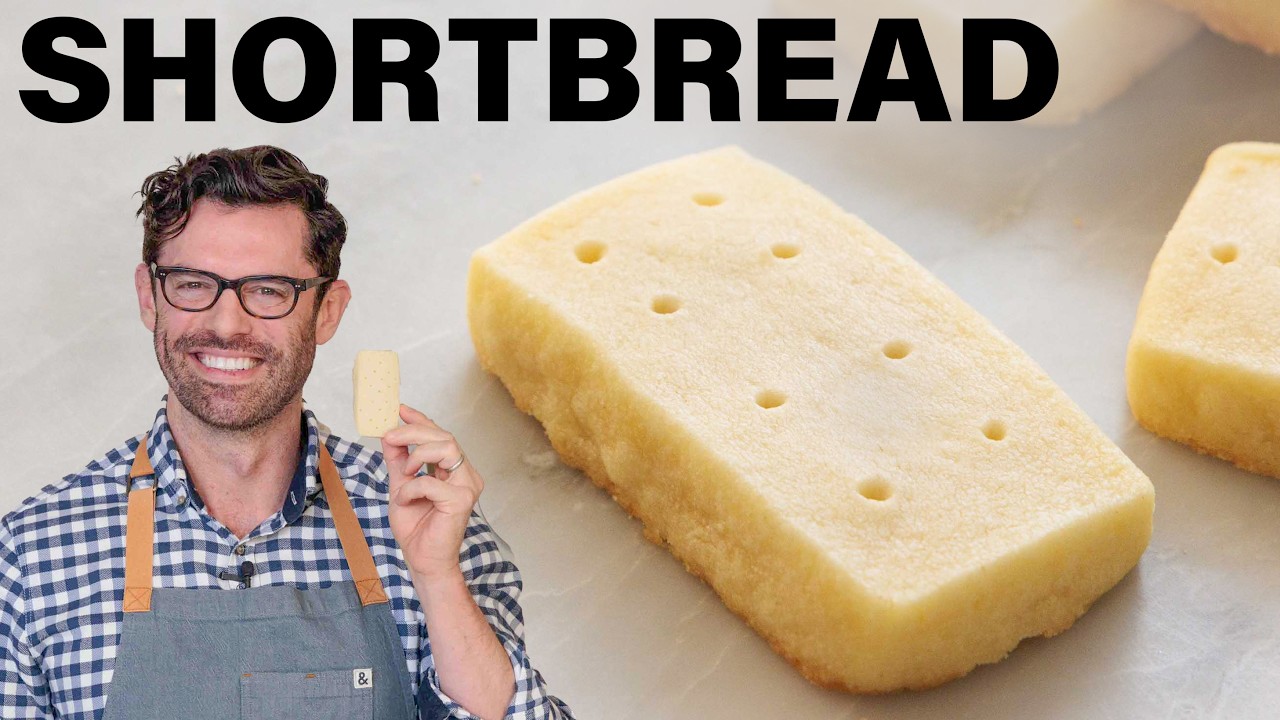
“Shortbread has three ingredients in its classic form — butter, sugar, flour — and yet most home bakers still get it wrong. The cookies spread flat, turn crunchy instead of crumbly, or taste like floury butter with no soul. None of these are ingredient problems. They are all technique problems. The fix is understanding what butter temperature actually does, why you cannot skip the chill, and exactly how far to take the color in the oven before pulling the sheet.”
Why This Recipe Works
Shortbread is a three-ingredient concept — butter, sugar, flour — that somehow manages to go wrong in a dozen different ways. The failure modes are not random. Every bad batch of shortbread can be traced to one of three variables: fat temperature, flour handling, or oven timing. Get those three right and the recipe becomes nearly impossible to mess up.
The Butter Problem
Shortbread's entire texture depends on how fat behaves during mixing and baking. Too cold, and the butter won't cream — you get a lumpy, dense dough that bakes into a hard slab. Too warm, and the fat loses its structure, spreads in the oven before the flour sets, and produces a flat, greasy result with no snap.
The target is 65°F — cool enough to hold its shape when pressed, soft enough to yield without resistance. At this temperature, the butter can trap air during creaming, which is the mechanism behind the tender, crumbly texture. You're not just blending fat and sugar; you're aerating fat with sugar, creating a foam structure that sets during baking.
This is why the chill step matters too. After mixing, the dough returns to the refrigerator for at least an hour. During this time, the fat re-solidifies around the flour particles. When the cold dough hits the 325°F oven, the fat melts gradually rather than all at once — giving the flour structure time to set before the shape collapses.
The Flour Handling Rule
Add flour to shortbread dough and the clock starts. Every fold of the spatula develops gluten. Shortbread is specifically engineered to have almost no gluten development — the "short" in shortbread is a baking term meaning a high fat-to-flour ratio that interrupts gluten strand formation, producing a crumbly rather than chewy texture.
The whole wheat component here contributes fiber and a subtle nutty depth, but it's kept to a 1:4 ratio with all-purpose flour to prevent the dough from becoming dense. Whole wheat absorbs more liquid than all-purpose, which is why the honey and egg yolk keep the dough cohesive without needing additional moisture.
Fold the flour in two additions. Stop when the dough just comes together. Do not mix until smooth — smooth means overworked, overworked means gluten, gluten means chew. The dough should look slightly rough and feel like soft clay.
The Oven Window
Three hundred twenty-five degrees is not an arbitrary number. It's the temperature at which butter melts slowly enough that the structure sets before the cookie spreads, and hot enough to drive off surface moisture and create that dry, sandy exterior that defines good shortbread.
The color target is unambiguous: edges show the faintest gold, centers remain matte and pale. If the whole cookie turns golden, you are looking at a finished product that will harden to a snap as it cools — acceptable for dunking in tea, wrong for the crumbly melt that makes shortbread what it is.
Pull the sheet when the edges just begin to color. Let carryover heat from the pan do the final work. This is called the "carry" — the interior temperature continues rising for several minutes after the oven door opens, and shortbread needs that quiet finishing time without additional direct heat.
The fork pricks are not decoration. They vent internal steam that would otherwise push up the surface and crack the cookie. Prick deeply — the tines should go all the way through the 1/4-inch thickness. Three or four passes per cookie is sufficient.
A wire cooling rack is mandatory, not optional. Shortbread on a solid surface traps steam and softens the base before it can cure properly. The rack allows air to circulate underneath, setting the bottom crust while the top finishes cooling. Give the cookies the full 30 minutes. They will seem too soft when warm. They will be exactly right when cold.
Where Beginners Mess This Up
Before we start, read this. These are the 4 reasons your classic shortbread cookies (the buttery scottish method) will fail:
- 1
Using butter that's too warm: Softened butter means yielding slightly under pressure but still holding its shape — about 65°F. Butter that's too soft or melted will cream into a greasy slick instead of trapping air, producing flat, dense cookies that spread in the oven. If you press your finger in and it slides through without resistance, the butter is too warm. Put it back in the fridge for 10 minutes.
- 2
Skipping the dough chill: Shortbread dough must rest in the refrigerator for at least 1 hour before rolling. Skipping the chill means warm fat that melts on contact with the oven, causing the cookies to spread and lose their clean edges before the structure sets. Chilled dough holds its shape through the first 5 minutes of baking — which is when structure is established.
- 3
Overbaking past pale gold: Shortbread is done when the edges are light golden and the centers look almost underdone — still pale and matte. If the whole cookie turns golden, you've gone too far and the texture shifts from tender-crumbly to hard-crunchy. It continues to firm up on the pan as it cools, so pull it early.
- 4
Overmixing once the flour goes in: The moment flour hits the butter mixture, gluten starts developing. Overmixing creates a tough, chewy cookie that bears no resemblance to proper shortbread. Fold the flour in two additions with a spatula until the dough just comes together — visible flour streaks are fine; they'll hydrate during the chill.
The Video Reference Library
Want to see it in action? Here are the exact videos we analyzed and combined to build this foolproof recipe translation:
The source video for this recipe. Clear technique demonstration covering butter temperature, dough consistency, and the exact color you're aiming for at the oven pull.
🛠️ Core Equipment
- Electric stand or hand mixerCreaming butter and sugar by hand is possible but inconsistent. An electric mixer ensures you hit the pale-and-fluffy stage reliably, which is the foundation of the entire texture.
- Rolling pinConsistent 1/4-inch thickness is non-negotiable. Uneven thickness means some cookies finish early while others are still raw. A straight rolling pin with thickness guides eliminates guesswork.
- Parchment-lined baking sheetsShortbread is high in fat and will stick to unlined pans. Parchment also insulates the bottom slightly, preventing the base from browning too fast before the interior sets.
- Wire cooling rackCookies must cool completely on a rack before storing. Trapping steam under warm shortbread on a solid surface softens the base and ruins the texture you just spent two hours building.
Classic Shortbread Cookies (The Buttery Scottish Method)
🛒 Ingredients
- ✦2 1/4 cups all-purpose flour
- ✦1/2 cup whole wheat flour
- ✦1 cup unsalted butter, softened to room temperature
- ✦1/2 cup granulated sugar
- ✦1/4 cup coconut sugar
- ✦1 large egg yolk
- ✦2 teaspoons vanilla extract
- ✦1/2 teaspoon fine sea salt
- ✦1/4 teaspoon almond extract
- ✦2 tablespoons honey
- ✦1 teaspoon lemon zest, finely grated
- ✦Pinch of nutmeg
- ✦Coarse sea salt for topping, optional
👨🍳 Instructions
01Step 1
Remove butter from the refrigerator and let it soften at room temperature for about 30 minutes until it yields slightly to pressure but still holds its shape.
02Step 2
Combine both flours in a small mixing bowl along with the fine sea salt and nutmeg, then whisk gently to distribute the seasonings evenly throughout the flour mixture.
03Step 3
Cream the softened butter and both sugars together in a large mixing bowl using an electric mixer on medium speed, beating for about 3 minutes until the mixture becomes pale and fluffy.
04Step 4
Add the egg yolk, vanilla extract, almond extract, and honey to the creamed butter mixture, then blend on medium speed for approximately 1 minute until fully incorporated and smooth.
05Step 5
Gently fold the lemon zest into the wet mixture using a rubber spatula, stirring just enough to distribute it throughout.
06Step 6
Add the flour mixture to the butter mixture in two additions, folding gently with a spatula after each addition until the dough just comes together without any visible dry flour streaks.
07Step 7
Shape the dough into a flat disk, wrap it tightly in plastic wrap, and refrigerate for at least 1 hour until firm enough to handle without sticking.
08Step 8
Preheat your oven to 325°F and line two baking sheets with parchment paper.
09Step 9
Roll the chilled dough out on a lightly floured surface to about 1/4-inch thickness, working quickly to prevent the dough from warming up.
10Step 10
Cut the rolled dough into rectangles using a sharp knife or into rounds using a cookie cutter, then transfer each piece carefully to the prepared baking sheets.
11Step 11
Prick the surface of each cookie several times with the tines of a fork to create the traditional shortbread pattern and allow for even cooking.
12Step 12
Sprinkle a tiny pinch of coarse sea salt on top of each cookie if desired, then bake for 12 to 15 minutes until the edges are light golden brown but the centers remain pale and tender.
13Step 13
Remove the baking sheets from the oven and allow the cookies to cool on the sheet for 5 minutes before transferring them to a wire cooling rack.
14Step 14
Let the cookies cool completely on the rack, about 30 minutes, before serving or storing in an airtight container.
Nutrition Per Serving
Estimates based on standard preparation. Adjustments alter macros.
🔄 Substitutions
Instead of All-purpose flour...
Use Blend of all-purpose and whole wheat flour (4:1 ratio)
Adds a subtle nutty flavor and slightly more fiber. The texture remains tender if you keep whole wheat at no more than 20% of total flour weight.
Instead of Granulated sugar...
Use Mix of granulated and coconut sugar
Coconut sugar contributes a mild caramel note and marginally lower glycemic index. Do not substitute more than half — coconut sugar adds moisture and can affect spread.
Instead of Unsalted butter...
Use Half butter, half coconut oil
Reduces saturated fat and adds a faint tropical undertone. Cookies may spread slightly more. Keep dough well chilled before baking to compensate.
Instead of Granulated sugar as sole sweetener...
Use Sugar combined with honey
Honey adds natural sweetness with trace minerals. Because honey is hygroscopic, cookies may brown faster — check 2 minutes early and reduce oven time slightly if needed.
🧊 Storage & Reheating
In the Fridge
Store in an airtight container at room temperature for up to 1 week. Refrigerating is unnecessary and can introduce moisture, softening the crisp texture.
In the Freezer
Freeze baked cookies in a single layer, then transfer to a freezer bag. Keeps up to 3 months. Thaw at room temperature for 20 minutes before serving.
Reheating Rules
No reheating needed — shortbread is a room-temperature cookie. If thawing from frozen, let them come to room temperature uncovered so condensation doesn't form on the surface.
❓ Frequently Asked Questions
Why did my shortbread spread flat in the oven?
The fat was too warm when the cookies went in. Either your butter was over-softened during creaming, or the cut cookies sat at room temperature too long before baking. Chill the cut cookies on the sheet for 15 minutes before sliding them into the oven.
Why is my shortbread hard instead of crumbly?
Two possible causes: overbaking past the pale-gold stage, or overmixing after adding the flour. Hard shortbread is a gluten and moisture problem — too much gluten development from mixing, or too much moisture driven off from overbaking. Both are technique fixes, not recipe fixes.
Do I need to use both flours or can I use all-purpose only?
All-purpose only works fine and produces the classic shortbread texture. The whole wheat addition adds subtle nuttiness and a small fiber boost without compromising tenderness, but it's not structural — you can leave it out and increase all-purpose flour by the same amount.
Can I make shortbread without an egg yolk?
Traditional Scottish shortbread contains no egg at all — just butter, sugar, and flour. The egg yolk here adds richness and a slightly more cohesive dough. Leave it out for the most authentic, crumbly texture. If you do, reduce the honey to 1 tablespoon to keep moisture in check.
Why do I prick shortbread with a fork?
The fork pricks vent steam from the interior of the cookie as it bakes. Without them, steam pressure builds underneath the surface and causes the cookie to puff unevenly or crack through the top. The pricks are functional, not just decorative.
Can I flavor shortbread with other extracts?
Yes. Shortbread is one of the most versatile base recipes in baking. Lavender, rose water, orange zest, cardamom, and espresso powder all work well. Keep total liquid flavoring under 1 teaspoon to avoid softening the dough. Dry additions like zest or ground spices can go up to 1 tablespoon without issue.

The Science of
Classic Shortbread Cookies (The Buttery Scottish Method)
We turned everything on this page into a beautiful, flour-proof PDF cheat sheet. Print it out, stick it to your fridge, and never mess up your classic shortbread cookies (the buttery scottish method) again.
*We'll email you the high-res PDF instantly. No spam, just perfectly cooked meals.
AlmostChefs Editorial Team
We translate the internet's most popular cooking videos into foolproof, beginner-friendly written recipes. We analyze multiple methods, test them in our kitchen, and engineer a single "Master Recipe" that gives you the best possible result with the least possible stress.