One-Pan Sheet Pan Chicken Thighs (48g Protein, Zero Excuses)
Bone-in chicken thighs marinated in Greek yogurt, roasted at high heat alongside charred broccoli and caramelized whole garlic cloves. We broke down what actually makes sheet pan chicken worth eating — and it starts with working the marinade under the skin.
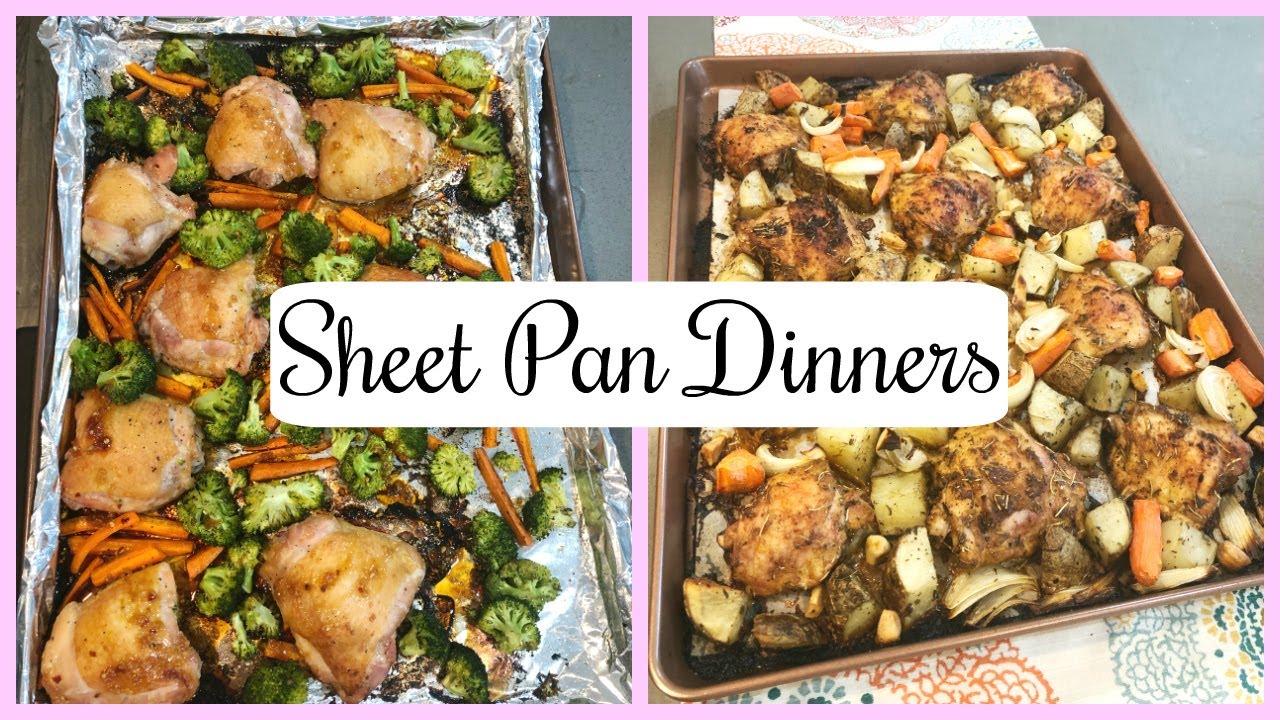
“Sheet pan chicken is either the most underrated weeknight meal or the most overrated one-pan gimmick, depending entirely on whether you did two things: dried the chicken skin before marinating, and worked the yogurt under it. Skip those steps and you get steamed, flabby chicken with broccoli that sweated instead of roasted. Do them right and you get crispy skin, juicy meat, charred florets, and 48g of protein per plate — in 40 minutes of hands-off oven time.”
Why This Recipe Works
Sheet pan chicken is the meal that sounds lazy but punishes laziness immediately. Done carelessly — wet skin, crowded pan, no thermometer — you get pale flabby thighs and gray broccoli sitting in a puddle of its own steam. Done correctly, you get deeply caramelized skin, juicy meat with flavor that reaches the bone, and charred broccoli florets that taste like they came from a wood-fired oven. The margin between those two outcomes is about three technique decisions made before the pan ever enters the oven.
The Skin Problem
Chicken skin is mostly water and fat. At high heat, the fat renders out and the skin crisps — but only after the water has evaporated. If you add a wet marinade to wet skin, you have given the oven two moisture problems to solve instead of one. By the time the surface dries out enough to brown, the interior has been cooking for 10 extra minutes and is already past its peak.
The fix is almost insultingly simple: paper towels, applied firmly, before any marinade touches the bird. Dry skin browns in the first 15 minutes of roasting. Wet skin starts browning in the last 5 — by which point it's often too late to develop real crispness without overcooking the meat.
Why Yogurt Works Differently Than Other Marinades
Most acid-based marinades use citrus juice or vinegar. Both work quickly — almost too quickly. The acid denatures the surface proteins aggressively, and if the meat sits in them for more than an hour or two, the exterior turns mealy and gray before it ever hits the heat. Greek yogurt contains lactic acid, which is gentler and slower-acting. It tenderizes the outer layer of the meat without the collateral damage, which is why an 8-hour yogurt marinade still produces better results than a 2-hour lemon juice marinade.
The fat in the yogurt serves a secondary function: it carries the fat-soluble aromatic compounds from the garlic, paprika, and oregano directly onto the meat surface, improving flavor distribution far beyond what a water-based marinade can achieve. This is also why working the marinade under the skin matters — the skin is a moisture barrier. Yogurt on top of the skin browns beautifully, but the meat underneath needs its own direct contact to take on flavor.
The Broccoli Situation
Roasted broccoli and steamed broccoli are not the same vegetable. Steamed broccoli is soft and grassy. Roasted broccoli at 425°F develops Maillard browning on its edges — a nutty, slightly bitter, complex flavor that has nothing in common with its bland steamed cousin. The only thing standing between you and great roasted broccoli is pan space.
Pack the florets tight and they create a humid microclimate on the pan surface. The moisture they release can't escape, so it recirculates and essentially steams the broccoli from the inside. Spread them in a single layer with room between each piece, and that moisture evaporates instantly, allowing the surface temperature to climb high enough for browning.
The whole unpeeled garlic cloves are not decoration. They roast in their papery skins, which insulate them from direct heat and allow the natural sugars to caramelize slowly over 40 minutes. The result is a sweet, spreadable paste inside each clove that you squeeze directly onto the meat or broccoli at serving. It's one of the best things that comes out of this pan.
The Thermometer Is Not Optional
Chicken thighs are more forgiving than breasts, but "more forgiving" has a limit. The USDA target is 165°F, and at that temperature the meat is safe, juicy, and at peak texture. Push past 185°F and the muscle fibers seize, expel their moisture, and turn the thigh from tender to chalky. An instant-read thermometer removes all the guesswork and takes three seconds to use. Without it, you're relying on visual cues — the skin color, the juices — that are useful indicators but not precision instruments.
The five-minute rest after roasting is the final step, and it's not negotiable. Carryover cooking continues for 1-2 minutes after the pan leaves the oven. The rest period lets that process complete and allows the muscle fibers to relax, reabsorbing the juices that migrated toward the center during cooking. Cut immediately and those juices run onto the board. Rest and they stay in the meat.
Forty minutes of active oven time. Three decisions that separate good from forgettable. This is the version worth making on repeat.
Where Beginners Mess This Up
Before we start, read this. These are the 4 reasons your one-pan sheet pan chicken thighs (48g protein, zero excuses) will fail:
- 1
Not patting the chicken dry: Moisture on the skin surface creates steam in the oven, which prevents browning. The yogurt marinade adds back enough moisture on its own — you need the skin itself to be bone dry before it goes on. Press paper towels firmly against every surface and don't skip this step.
- 2
Not getting marinade under the skin: The skin acts as a moisture barrier. Yogurt sitting on top of it will contribute to browning, but the meat underneath stays bland. Use your fingers to separate the skin from the flesh and push a tablespoon of marinade directly onto the muscle. This is where the flavor actually lives.
- 3
Overcrowding the pan: Broccoli needs air circulation to roast, not steam. If the florets are touching, they release moisture into a shared microclimate and turn soft and gray instead of charred at the edges. Use the largest sheet pan you have. If needed, run two pans.
- 4
Skipping the rest after roasting: Five minutes of rest lets the juices redistribute back into the meat. Cut immediately and you'll watch all of them pool on the cutting board. The chicken doesn't keep cooking — it just settles. Rest it.
The Video Reference Library
Want to see it in action? Here are the exact videos we analyzed and combined to build this foolproof recipe translation:
The source video for this recipe. Demonstrates the marinade-under-skin technique and shows exactly what the broccoli should look like at the halfway stir — lightly browned edges, not gray.
🛠️ Core Equipment
- Large rimmed sheet pan (18x13)Surface area is everything here. A half-sheet pan gives you enough room to keep the chicken and broccoli from crowding each other. Smaller pans force you to compromise spacing, which compromises browning.
- Instant-read thermometerChicken thighs are forgiving but not foolproof. Pull at 165°F and the meat is safe and juicy. Push to 185°F and you've extracted all the moisture you worked to preserve. Don't guess.
- Parchment paperThe yogurt marinade scorches on bare metal and bonds to the pan. Parchment keeps it from sticking and makes cleanup a 10-second job. Foil works but conducts more bottom heat — parchment is more forgiving.
- Wire rack (optional but recommended)Setting the chicken on a wire rack over the sheet pan allows hot air to circulate underneath the thighs, crisping the bottom as well as the top. Without it, the underside steams against the pan surface.
One-Pan Sheet Pan Chicken Thighs (48g Protein, Zero Excuses)
🛒 Ingredients
- ✦6 bone-in, skin-on chicken thighs (about 2 lbs total)
- ✦1 cup plain nonfat Greek yogurt
- ✦4 cloves garlic, minced
- ✦2 tablespoons extra virgin olive oil
- ✦1 tablespoon fresh lemon juice
- ✦1 teaspoon dried oregano
- ✦1 teaspoon smoked paprika
- ✦6 cups fresh broccoli florets (about 1.5 lbs)
- ✦8 whole garlic cloves, unpeeled
- ✦1 teaspoon kosher salt
- ✦1/2 teaspoon black pepper
- ✦1/2 teaspoon red pepper flakes
- ✦2 tablespoons grated Parmesan cheese
- ✦1 tablespoon fresh lemon zest
👨🍳 Instructions
01Step 1
Combine Greek yogurt, minced garlic, olive oil, lemon juice, oregano, smoked paprika, salt, and pepper in a large bowl. Stir until fully incorporated.
02Step 2
Pat the chicken thighs completely dry with paper towels. Work the marinade under the skin of each thigh using your fingers, then coat the exterior. Every surface should be covered.
03Step 3
Cover and refrigerate the chicken for at least 30 minutes. Up to 8 hours is fine — beyond that the acid begins to break down the texture.
04Step 4
Preheat the oven to 425°F. Line a large rimmed sheet pan with parchment paper.
05Step 5
Remove chicken from the fridge 15 minutes before roasting to take the chill off. Arrange skin-side up on one half of the pan, spaced at least 2 inches apart.
06Step 6
Toss broccoli florets with 1 tablespoon olive oil, the whole unpeeled garlic cloves, red pepper flakes, and a pinch of salt. Spread on the other half of the pan in a single layer.
07Step 7
Roast for 35-40 minutes. At the halfway mark, use tongs or a spatula to stir the broccoli and flip any florets that are browning heavily. Do not touch the chicken.
08Step 8
Check the chicken with an instant-read thermometer inserted into the thickest part, away from the bone. Pull at 165°F. The skin should be deep golden brown and pulling away from the edges.
09Step 9
Rest the entire pan, uncovered, for 5 minutes.
10Step 10
Finish with Parmesan and lemon zest scattered over everything. Serve 1.5 thighs per person with a generous portion of broccoli and the roasted garlic cloves on the side.
Nutrition Per Serving
Estimates based on standard preparation. Adjustments alter macros.
🔄 Substitutions
Instead of Nonfat Greek yogurt...
Use Plain 2% or full-fat Greek yogurt
Higher fat content improves browning on the skin and adds creaminess to the marinade. Protein content drops marginally but the texture improvement is noticeable.
Instead of Bone-in, skin-on chicken thighs...
Use Boneless, skinless thighs or chicken breasts
Reduce roasting time to 25-30 minutes and watch the thermometer carefully. Boneless cuts lose their insulation buffer and dry out fast past 165°F.
Instead of Parmesan cheese...
Use Nutritional yeast (2 tablespoons) or grated Pecorino Romano
Nutritional yeast keeps this dairy-adjacent for vegan builds and adds 8g protein and B-vitamins. Pecorino is sharper and saltier — reduce added salt by 1/4 teaspoon if using.
Instead of Olive oil...
Use Avocado oil or ghee
Both have higher smoke points than olive oil (500°F+), which produces crispier broccoli edges and better caramelization on the chicken skin at 425°F roasting temperature.
🧊 Storage & Reheating
In the Fridge
Store chicken and broccoli separately in airtight containers for up to 4 days. The skin softens overnight but crisps back in a hot skillet.
In the Freezer
Freeze cooked chicken thighs for up to 3 months. Broccoli does not freeze well after roasting — it turns mushy on thaw. Freeze chicken only.
Reheating Rules
Re-crisp chicken skin-side down in a dry skillet over medium-high heat for 3-4 minutes, then flip for 1 minute. Avoid the microwave — it steams the skin into rubber. Reheat broccoli in a 400°F oven for 5 minutes.
❓ Frequently Asked Questions
Why is my chicken skin soft instead of crispy?
Two likely causes: the skin wasn't dry before marinating, or the pan was overcrowded. Moisture on the surface creates steam that prevents the Maillard reaction. Pat the chicken completely dry before adding any marinade, and make sure there's at least 2 inches between thighs on the pan.
Can I skip the marinating time?
Technically yes, but you'll lose most of the benefit. The yogurt needs at least 30 minutes to penetrate the outer layer of the meat and begin tenderizing it. A rushed marinade gives you coated chicken, not flavored chicken. If you're truly short on time, 30 minutes is the hard floor.
Why are the broccoli florets turning gray instead of charring?
They're releasing steam instead of roasting — which means the pan is too crowded or the oven wasn't fully preheated. Spread the florets so no two are touching, and give the oven a full 15 minutes to reach 425°F before the pan goes in.
Can I use chicken breasts instead of thighs?
Yes, but reduce cook time to 25-30 minutes and check the thermometer at 25 minutes. Breasts have no bone insulation and less fat, so they go from done to dry in a narrow window. Thighs are more forgiving — breasts require active attention.
What do I do with the roasted whole garlic cloves?
Squeeze the soft, jammy garlic out of the skins directly over the chicken or broccoli when serving. The skins peel away easily after roasting. Roasted garlic is sweeter and more mellow than raw — it's one of the best parts of this dish and shouldn't be discarded.
Can I make this dairy-free?
Replace the Greek yogurt with full-fat coconut yogurt or blended silken tofu thinned with a tablespoon of lemon juice. The tenderizing mechanism is slightly different but the coating function works the same. Skip the Parmesan or use nutritional yeast. The protein count will shift depending on your substitution.
The Science of
One-Pan Sheet Pan Chicken Thighs (48g Protein, Zero Excuses)
We turned everything on this page into a beautiful, flour-proof PDF cheat sheet. Print it out, stick it to your fridge, and never mess up your one-pan sheet pan chicken thighs (48g protein, zero excuses) again.
*We'll email you the high-res PDF instantly. No spam, just perfectly cooked meals.
AlmostChefs Editorial Team
We translate the internet's most popular cooking videos into foolproof, beginner-friendly written recipes. We analyze multiple methods, test them in our kitchen, and engineer a single "Master Recipe" that gives you the best possible result with the least possible stress.