Classic Spanish Sangria (Stop Buying the Bottled Version)
A fruit-forward Spanish wine punch built from a bottle of dry red, fresh citrus, brandy, and whole spices — refrigerated overnight so the flavors actually meld. We stripped the excess sugar and kept everything that makes sangria worth drinking.
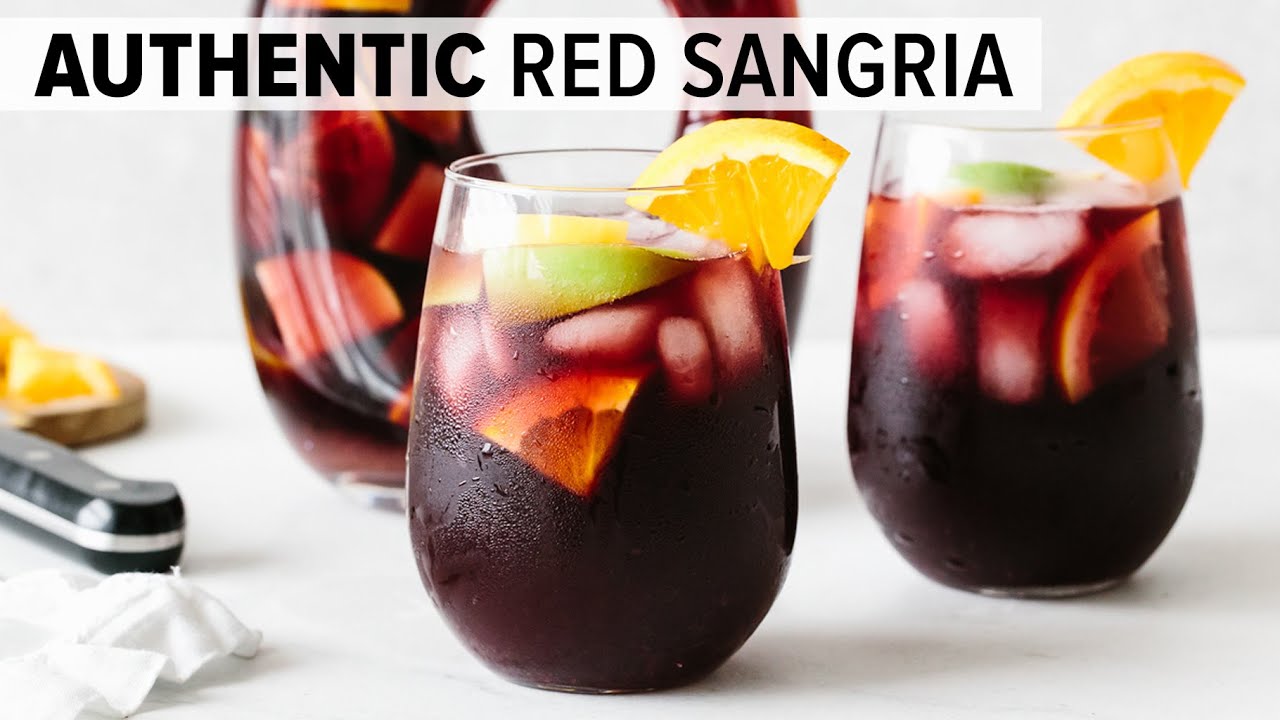
“Bottled sangria is wine-flavored sugar water with a label that says 'Spain' on it. Real sangria is built on dry red wine, fresh fruit you can taste, and enough time in the refrigerator for the brandy and citrus to actually talk to each other. The version people serve at parties and apologize for is the one they made an hour before guests arrived. This one is made the night before. That's it. That's the secret.”
Why This Recipe Works
Sangria has a branding problem. Somewhere between the 1964 World's Fair — where Spanish restaurateurs introduced it to the American public — and the current wall of bottled product at every grocery store checkout, it became synonymous with artificially sweetened, artificially colored, headache-in-a-bottle wine product. The real thing is quieter than that. More patient. It doesn't need artificial anything because it's built on ingredients that are already interesting.
The Overnight Argument
The most important instruction in this recipe is not a technique. It's a timeline. Refrigerate the sangria for at least 4 hours — and preferably the full night before your event. This is not chef's-note fussiness. It is the literal difference between a drink that tastes assembled and one that tastes inevitable.
What's happening during those hours: the citrus oils leaching from the sliced orange and lemon rounds are slowly dissolving into the wine, adding aromatic complexity without sourness. The brandy is losing its sharp edge as it integrates with the tannins in the red wine. The cinnamon and cloves are releasing their volatile compounds into the liquid at a rate slow enough to contribute warmth without overwhelming. The strawberries are beginning to break down slightly, tinting the surrounding wine a deeper ruby and contributing natural sugar. None of this happens in an hour. All of it happens overnight.
The Wine Decision
Dry, fruit-forward Spanish reds — Tempranillo, Grenache, Garnacha — are the canonical choice because they do two things simultaneously: they hold up against the acidity of the orange juice, and they amplify rather than fight with the fresh fruit. A wine that's already flabby and sweet becomes overwhelmingly jammy. A wine that's heavily tannic and austere turns sharp when the citrus hits it.
The price point should be in the range where you'd drink the wine on its own but wouldn't be offended by mixing it. Sangria is not a vehicle for bad wine. It also cannot rescue bad wine. It can only be as good as the bottle you open.
The Fruit Architecture
Thin cuts matter. Orange rounds sliced to 3mm release their oils into the wine. Orange rounds cut to 8mm do almost nothing in the same time window. This is surface area physics — the more cell surface exposed to the wine, the faster and more complete the flavor transfer. Same logic applies to the apple: thin wedges macerate, thick chunks just float.
The mint serves a different purpose. Rather than contributing flavor that infuses slowly like the fruit, bruised mint adds immediate aromatic lift when someone brings the glass to their face. It's sensory architecture — the first impression before the first sip.
The Carbonation Rule
Sparkling water is not optional, but its timing is absolute. Add it at the moment of serving. Not five minutes before. Not while you're still pouring ice. At the moment. Carbon dioxide dissolved in water is in a constant state of wanting to escape, and an open pitcher accelerates that escape dramatically. Flat sangria is still good wine punch. Properly carbonated sangria has a texture that makes the fruit flavors pop rather than sit.
Use a large glass pitcher for this — the glass lets you monitor the color shift during infusion and gives you a real sense of whether the fruit is distributed evenly before you serve. A dark plastic container turns the whole process into guesswork.
The sophistication of sangria is not that it's complicated. It's that it's entirely honest about what it is: wine made more welcoming, fruit made more interesting, and a room made more convivial. Make it the night before. Trust the refrigerator.
Where Beginners Mess This Up
Before we start, read this. These are the 4 reasons your classic spanish sangria (stop buying the bottled version) will fail:
- 1
Not chilling it long enough: Sangria needs a minimum of 4 hours in the refrigerator — ideally overnight. Made fresh and served immediately, it tastes like wine with fruit floating in it. After 8 hours, the citrus oils, brandy, and spices integrate into something that tastes like a single, coherent drink. Time is the only ingredient you cannot shortcut.
- 2
Using the wrong wine: Sangria is not a vehicle for disposing of wine you don't like. But it's also not the place for your best bottle. Dry, fruit-forward reds like Tempranillo or Grenache have enough body to hold up against the citrus and brandy without getting lost. Cheap sweet wine turns the whole pitcher cloying. Expensive Rioja is wasted on fruit punch.
- 3
Adding the sparkling water too early: Carbonation is delicate. If you add sparkling water during the infusion phase, it goes completely flat by the time you serve. Add it right before pouring. Not five minutes before. Not while people are walking through the door. Right before you pour it into glasses.
- 4
Oversweetening before tasting: The orange juice already contributes significant natural sugar. Add half the honey or maple syrup, taste after the first stir, and adjust. The fruit will release more sugar as it macerates overnight, so the final product will be sweeter than it was when you first assembled it.
The Video Reference Library
Want to see it in action? Here are the exact videos we analyzed and combined to build this foolproof recipe translation:
The foundational method this recipe is built around. Covers wine selection, fruit ratios, and why overnight refrigeration changes everything about the final flavor.
🛠️ Core Equipment
- Large glass pitcher (at least 2-quart capacity)You need volume for the fruit, wine, juice, and sparkling water. A pitcher that's too small means you're either cramming fruit in awkwardly or leaving some out. Glass lets you see the color and fruit distribution before serving.
- Long-handled bar spoon or wooden spoonFor gentle stirring that distributes the fruit without crushing it. Vigorous stirring breaks down the fruit and makes the sangria cloudy. You want whole, intact fruit pieces in every glass.
- Sharp chef's knife and cutting boardYou're slicing citrus into thin rounds and apple into thin wedges. Thin cuts maximize surface area for flavor extraction during the overnight chill. Thick cuts barely infuse. A [sharp chef's knife](/kitchen-gear/review/chefs-knife) is the difference between clean citrus rounds and fruit that looks like it was cut with a butter knife.
- Fine-mesh sieve (optional)For straining out the whole cloves and cinnamon stick before serving if you'd prefer a cleaner presentation. Not strictly necessary if you pour carefully.
Classic Spanish Sangria (Stop Buying the Bottled Version)
🛒 Ingredients
- ✦1 bottle (750 ml) dry red wine, such as Tempranillo or Grenache
- ✦2 cups fresh orange juice, no sugar added
- ✦1/4 cup brandy or cognac
- ✦2 tablespoons raw honey or pure maple syrup
- ✦1 large navel orange, sliced into thin rounds
- ✦1 large red apple, cored and cut into thin wedges
- ✦1 cup fresh strawberries, hulled and halved
- ✦1 cup fresh blueberries
- ✦1 medium lemon, sliced into thin rounds
- ✦1 cinnamon stick, about 3 inches long
- ✦3 whole cloves
- ✦6–8 fresh mint leaves, gently bruised
- ✦2 cups sparkling water or club soda, chilled
- ✦Ice cubes for serving
👨🍳 Instructions
01Step 1
Pour the red wine into a large glass pitcher.
02Step 2
Add the fresh orange juice and brandy to the wine. Stir gently to combine.
03Step 3
Add the honey or maple syrup and stir until fully dissolved.
04Step 4
Add the orange rounds, apple wedges, strawberries, blueberries, and lemon slices to the pitcher.
05Step 5
Drop in the cinnamon stick and whole cloves.
06Step 6
Add the bruised mint leaves. To bruise them, fold each leaf once and press firmly — this releases the aromatic oils without tearing the leaf into bits that clog the pour.
07Step 7
Cover the pitcher tightly with plastic wrap and refrigerate for at least 4 hours. Overnight is strongly preferred.
08Step 8
When ready to serve, remove from the refrigerator and stir gently once to redistribute the fruit.
09Step 9
Pour in the chilled sparkling water and stir briefly — about 30 seconds. Serve immediately.
10Step 10
Fill serving glasses with ice cubes. Ladle the sangria into each glass, making sure each pour includes some fruit.
11Step 11
Garnish with a fresh mint sprig or an additional orange slice if desired.
Nutrition Per Serving
Estimates based on standard preparation. Adjustments alter macros.
🔄 Substitutions
Instead of Dry red wine...
Use Dry rosé wine
Lighter body, more floral aroma, visually lighter pink hue. The flavor profile shifts toward delicate rather than robust. Works especially well in summer with lighter fruits like peach and raspberry.
Instead of Brandy or cognac...
Use Cointreau or another orange liqueur, or omit entirely
Orange liqueur doubles down on the citrus character and brightens the overall flavor. Omitting entirely reduces alcohol content and makes this a more sessionable drink — still good, just lighter.
Instead of Raw honey or maple syrup...
Use Monk fruit sweetener or stevia (1–2 teaspoons)
Nearly zero glycemic impact. Slight difference in mouthfeel without the caramel undertones of honey. Dissolves easily in the liquid.
Instead of Sparkling water or club soda...
Use Unsweetened sparkling white tea, chilled
Adds gentle tannins and a slightly sophisticated finish. The tea flavor is subtle after an overnight chill but contributes a layer of complexity that plain sparkling water doesn't.
🧊 Storage & Reheating
In the Fridge
Store covered in the pitcher for up to 3 days. Remove the cinnamon stick after 24 hours to prevent over-spicing. Keep the sparkling water separate and add fresh to each serving.
In the Freezer
Not recommended — the wine and fruit texture both suffer significantly when frozen and thawed.
Reheating Rules
Served cold. No reheating applicable. If the ice has diluted it, add a splash more wine or a few ice cubes made from frozen orange juice to refresh the flavor.
❓ Frequently Asked Questions
How far in advance can I make sangria?
Up to 24 hours before serving is ideal. Beyond 36 hours, the fruit starts to break down and the citrus pith can contribute bitterness. Remove the cinnamon stick at the 24-hour mark regardless. You can keep it in the refrigerator for up to 3 days total, but the peak window is between 8 and 24 hours.
Can I use white wine instead of red?
Yes — that's called sangria blanca, and it's a legitimate Spanish tradition. Use a dry white like Albariño or Verdejo, swap the red apple for green apple, replace strawberries with white peaches or green grapes, and use white grape juice instead of orange juice. The technique is identical.
Does the alcohol cook off since it's not heated?
No. Sangria is served cold and never cooked, so the full alcohol content of the wine and brandy remains. The overnight chill integrates the flavors but does nothing to reduce ABV. A standard 8-ounce serving contains roughly the same alcohol as a glass of wine.
Why does my sangria taste too acidic?
The orange juice and lemon are the primary acid sources. If the final product is sharper than you want, add a small amount of additional honey or maple syrup and stir to dissolve. You can also reduce the lemon to half a lemon's worth of slices, which cuts acidity without losing the citrus aroma.
Can I make sangria without brandy?
Yes. Omit it entirely or replace with 2 tablespoons of orange juice concentrate for a bit of extra body. The brandy contributes warmth and depth — without it, the sangria tastes lighter and more straightforwardly fruity. Neither version is wrong.
What food pairs well with sangria?
Sangria was designed for Spanish tapas: jamón, manchego, patatas bravas, grilled chorizo. But it also works anywhere you want something festive and approachable — barbecues, summer salads, cheese boards. Avoid pairing it with very delicate dishes where the fruit punch character would overwhelm the food.

The Science of
Classic Spanish Sangria (Stop Buying the Bottled Version)
We turned everything on this page into a beautiful, flour-proof PDF cheat sheet. Print it out, stick it to your fridge, and never mess up your classic spanish sangria (stop buying the bottled version) again.
*We'll email you the high-res PDF instantly. No spam, just perfectly cooked meals.
AlmostChefs Editorial Team
We translate the internet's most popular cooking videos into foolproof, beginner-friendly written recipes. We analyze multiple methods, test them in our kitchen, and engineer a single "Master Recipe" that gives you the best possible result with the least possible stress.