Authentic South Indian Sambar (The Lentil Stew You've Been Watering Down)
A complex, tangy South Indian lentil and vegetable stew built on a roasted spice base, tamarind, and toor dal cooked until perfectly tender. We broke down the most-viewed methods to identify exactly where home cooks go wrong — and how to fix it.
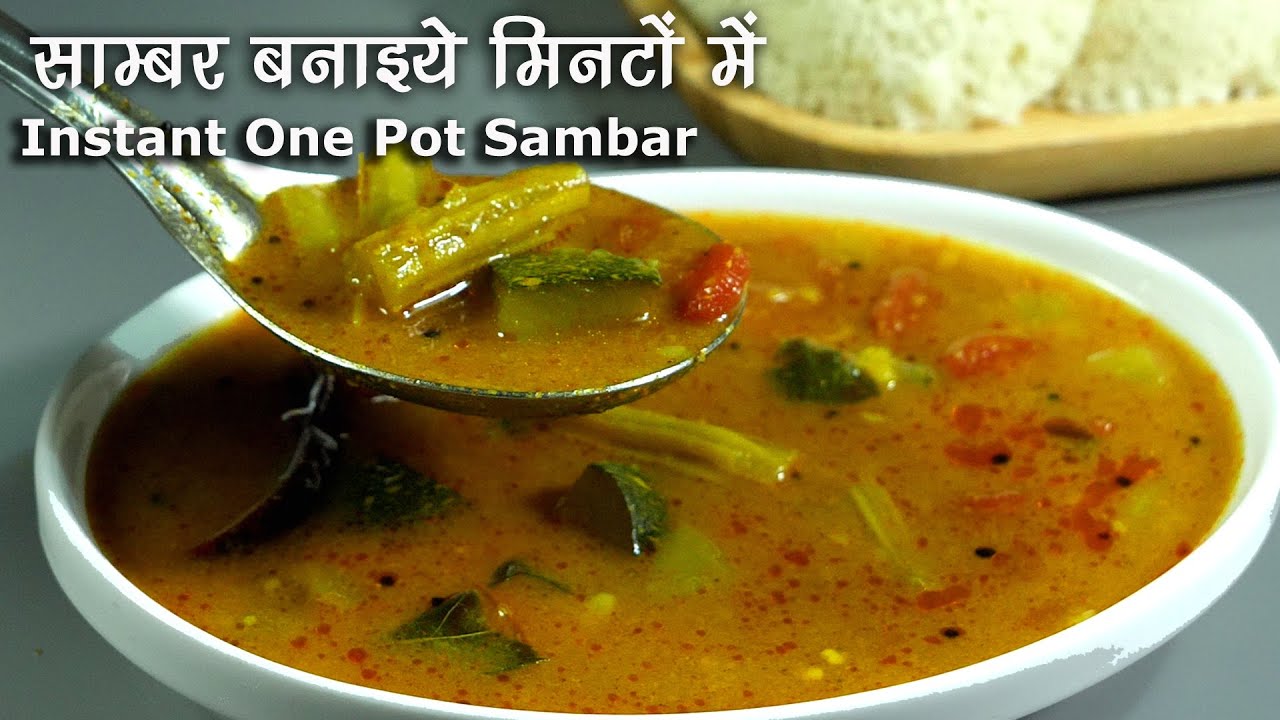
“Sambar is one of the most eaten dishes in the world, consumed daily across Tamil Nadu, Karnataka, Andhra Pradesh, and Kerala. It is also one of the most watered-down, under-spiced, incorrectly tempered dishes in home cooking. The difference between a flat, thin sambar and one that hits with deep tamarind funk, layered heat, and a round lentil body comes down to three decisions: how you cook the dal, how you build the tamarind base, and whether your tempering is actually hot enough. Get those three right and the rest writes itself.”
Why This Recipe Works
Sambar is the daily bread of South Indian cuisine — consumed at breakfast with idli, at lunch over rice, and at dinner alongside dosa. Billions of servings are eaten every year across four states and a global diaspora, which makes it one of the most cooked dishes on earth. It is also, paradoxically, one of the most consistently mediocre dishes in home kitchens outside the subcontinent. Watery, under-soured, timidly spiced, with dal that still has opinions about its structural integrity — this is the sambar that gives the dish a bad reputation among people who haven't had the real thing.
The fix is not complicated. It is structural.
The Dal Is the Body
Toor dal — split pigeon peas — is the protein and thickening agent in sambar, and it will not forgive inattention. The goal is complete capitulation: the dal must cook until every last grain has surrendered, then be mashed or whisked until at least half of it becomes a thick, smooth paste. This paste is what gives sambar its characteristic body — silky, slightly viscous, with enough weight to carry the tamarind and spice load without tasting watery.
A pressure cooker makes this achievable on a weeknight. Three whistles on a stovetop cooker, ten minutes in an Instant Pot — and your dal is done before you've finished extracting the tamarind. Without pressure, you're looking at nearly an hour of stovetop simmering, constantly checking water levels. It's doable, but the pressure cooker is the reason sambar remains a daily dish rather than a weekend project.
The Tamarind Is the Soul
If dal is the body, tamarind is what makes sambar itself and not just lentil soup. The extraction process matters: soaking block tamarind in warm water for fifteen minutes, then squeezing the pulp aggressively through your hands, then straining through a fine-mesh sieve produces a complex, fruity, deeply sour concentrate that paste from a jar simply cannot replicate. Tamarind block carries seeds, fibers, and concentrated pulp that release slowly during soaking — and all of that effort shows up as a layered sourness rather than a one-dimensional acidic punch.
The jaggery exists precisely because of the tamarind. These two ingredients have been paired in South Indian cooking for centuries because each makes the other better. Jaggery softens the tamarind's sharpness without sweetening the dish — it shifts the flavor from sour toward tangy, which is exactly the register sambar should occupy. Brown sugar is an acceptable substitute. Skipping it entirely produces a sambar that tastes unfinished, like a sentence without its last word.
The Spice Architecture
Sambar powder is a spice blend of considerable complexity — coriander, cumin, chana dal, urad dal, dried chilies, black pepper, curry leaves, and sometimes cinnamon and cloves, all dry-roasted and ground together. The quality of your sambar powder determines roughly sixty percent of the dish's flavor ceiling. A fresh jar from a South Indian grocery store beats a two-year-old supermarket jar by an embarrassing margin. Making your own is worth it if you cook sambar regularly.
What the powder requires is time. Added in the last five minutes of cooking, it produces a sharp, slightly raw spice note that dominates the tamarind rather than integrating with it. Added to the hot onion-tomato base at the start, cooked for two minutes in the oil, and then given fifteen minutes to simmer in the tamarind base — it becomes something else entirely. The volatile compounds mellow, the fat-soluble flavor molecules disperse evenly through the stew, and the sambar tastes like it has been cooking for hours even when it hasn't.
The Tempering Is Non-Negotiable
The tadka — the tempering of mustard seeds, cumin, curry leaves, dried chilies, and asafoetida in shimmering hot oil — is not a garnish. It is the final layer of flavor, added last so its volatile aromatics arrive fresh and intact rather than cooked into submission. The tadka pan must be genuinely hot before anything enters it. When the mustard seeds hit hot oil, they should crack loudly and aggressively within two seconds. When the curry leaves hit, they should spit oil and hiss. If neither of those things happens, the oil is too cold and you will taste the difference — or rather, you won't taste anything at all.
Asafoetida deserves special mention. It is the ingredient most unfamiliar cooks substitute out or simply skip, and it is the ingredient most responsible for sambar tasting distinctly like sambar rather than generic spiced lentil stew. Its allium-adjacent savory quality fills a gap that no other spice bridges. Buy a small jar. Use a fraction of a teaspoon. Wonder why you waited this long.
Where Beginners Mess This Up
Before we start, read this. These are the 4 reasons your authentic south indian sambar (the lentil stew you've been watering down) will fail:
- 1
Undercooking the toor dal: Toor dal must be completely soft — not just edible, but fully collapsed and mashable. If the dal has any resistance when you press it between your fingers, it hasn't cooked long enough. Undercooked dal makes sambar taste grainy and thin, no matter how good the tamarind base is. Pressure cook it properly and mash at least a third of it before adding to the pot.
- 2
Skipping or rushing the tamarind extraction: Sambar's backbone is tamarind. Block tamarind needs to soak in warm water for at least 15 minutes, then be squeezed thoroughly by hand to extract all the pulp. The instinct to just dissolve tamarind paste directly works, but you lose depth. Properly extracted tamarind has a fruity, complex sourness that paste cannot replicate. If you use paste, double the quantity and expect a slightly flatter result.
- 3
A cold tempering pan: The final tadka — mustard seeds, curry leaves, dried red chilies bloomed in hot oil or ghee — is not decorative. It is a flavor delivery mechanism. The oil must be shimmering hot before anything hits it. Cold oil produces seeds that steam rather than pop, curry leaves that turn soggy rather than crisp, and a tempering that smells like nothing. When the mustard seeds crack loudly and the curry leaves spit aggressively, that is the sound of the dish working.
- 4
Adding sambar powder too late: Sambar powder needs time to cook into the tamarind-vegetable base. Adding it in the last five minutes leaves raw spice notes — sharp, slightly dusty flavors that haven't had time to mellow and bloom. Add it early, let it simmer for at least 15 minutes, and taste the difference.
The Video Reference Library
Want to see it in action? Here are the exact videos we analyzed and combined to build this foolproof recipe translation:
The primary reference video demonstrating the full tamarind extraction process and layered spice approach. Clear technique on dal consistency and tempering order.
Focuses on building depth in the tamarind base and timing the sambar powder addition for maximum flavor integration. Good reference for consistency and color.
Strips the recipe back to its foundations. Useful for understanding the role each component plays before you start varying the vegetables or spice ratios.
🛠️ Core Equipment
- Pressure cooker or Instant PotToor dal takes 40+ minutes on the stovetop but only 10-12 minutes under pressure. A pressure cooker is not optional for weeknight sambar — it's the tool that makes the dish practical. Without it, you're committing to a long, slow simmer.
- Heavy-bottomed saucepanThe tamarind base needs even, consistent heat to reduce properly without scorching. A thin pan will burn the bottom before the top has thickened. Use something with mass.
- Small tempering pan (tadka pan)A small, deep pan concentrates the heat needed to properly bloom spices in oil. A wide skillet disperses heat too quickly — mustard seeds don't pop, they just sit there looking confused.
- Fine-mesh strainer or cheeseclothFor straining the tamarind extract cleanly. Tamarind fibers and seeds in the final dish create an unpleasant texture. Strain every time, no exceptions.
Authentic South Indian Sambar (The Lentil Stew You've Been Watering Down)
🛒 Ingredients
- ✦1 cup toor dal (split pigeon peas), rinsed
- ✦3 cups water (for pressure cooking dal)
- ✦1/4 teaspoon turmeric powder, divided
- ✦2 tablespoons tamarind block, soaked in 1 cup warm water
- ✦2 cups mixed vegetables (drumstick, pearl onions, tomatoes, eggplant)
- ✦2 medium tomatoes, roughly chopped
- ✦1 medium yellow onion, roughly diced
- ✦2 tablespoons sambar powder
- ✦1/2 teaspoon red chili powder
- ✦1 teaspoon jaggery or brown sugar
- ✦Salt to taste
- ✦2.5 cups water (for sambar base)
- ✦2 tablespoons coconut oil or ghee
- ✦1 teaspoon black mustard seeds
- ✦1/2 teaspoon cumin seeds
- ✦2 dried red chilies, broken in half
- ✦10-12 fresh curry leaves
- ✦1/4 teaspoon asafoetida (hing)
- ✦2 tablespoons fresh cilantro leaves, chopped
👨🍳 Instructions
01Step 1
Rinse the toor dal thoroughly under cold water until the water runs clear. Combine with 3 cups water and 1/8 teaspoon turmeric in a pressure cooker. Cook for 3 whistles (or 10 minutes in an Instant Pot on high pressure). Let pressure release naturally.
02Step 2
While the dal cooks, soak the tamarind block in 1 cup of warm water for 15 minutes. Squeeze it thoroughly with your hands to extract all the pulp, then strain through a fine-mesh sieve, discarding the fibers and seeds. Set the extract aside.
03Step 3
Heat 1 tablespoon coconut oil in a heavy-bottomed saucepan over medium heat. Add the diced onion and sauté for 4-5 minutes until softened and translucent. Add the chopped tomatoes and cook for another 3-4 minutes until they break down.
04Step 4
Add the sambar powder, red chili powder, remaining 1/8 teaspoon turmeric, and a generous pinch of salt directly to the onion-tomato base. Stir to coat and cook for 2 minutes until the spices are fragrant and the oil begins to separate.
05Step 5
Pour in the tamarind extract and 2.5 cups of water. Add your mixed vegetables — drumstick pieces, pearl onions, and eggplant all work well here. Bring to a boil, then reduce to a steady simmer. Cook uncovered for 15-18 minutes until the vegetables are fully tender and the base has deepened in color.
06Step 6
Once the dal has finished cooking, whisk it vigorously until smooth — or mash it with the back of a spoon. You want at least half of it fully broken down. Pour the dal into the simmering tamarind-vegetable base.
07Step 7
Add the jaggery. Stir and simmer everything together for 8-10 minutes, adjusting salt and tamarind sourness to taste. The sambar should coat a spoon lightly — not watery, not porridge-thick.
08Step 8
Heat the remaining 1 tablespoon coconut oil or ghee in a small tempering pan over high heat until shimmering. Add the mustard seeds — they should pop immediately and aggressively. Add cumin seeds, dried red chilies, curry leaves, and asafoetida in rapid succession.
09Step 9
Pour the entire tempering directly into the sambar. It will sizzle loudly. Stir once, gently. Top with fresh cilantro and serve immediately over rice or alongside idli and dosa.
Nutrition Per Serving
Estimates based on standard preparation. Adjustments alter macros.
🔄 Substitutions
Instead of Toor dal...
Use Masoor dal (red lentils)
Cooks faster and doesn't need a pressure cooker — about 20 minutes on the stovetop. Produces a slightly thinner, earthier sambar. Color shifts to orange-red. Perfectly acceptable weeknight swap.
Instead of Tamarind block...
Use Tamarind paste or concentrate
Use half the quantity and dissolve directly in water. Slightly less complex flavor, but significantly more convenient. Increase to 3 teaspoons if the sourness seems flat.
Instead of Coconut oil...
Use Ghee or neutral vegetable oil
Ghee adds richness and a nutty aroma that complements the tamarind beautifully. Neutral oil works but produces a flatter tempering. Ghee is the preferred substitute.
Instead of Sambar powder...
Use Combination of coriander powder, cumin, black pepper, and a pinch of cinnamon
A rough approximation — use 1.5 tablespoons total. It lacks the complexity of a proper sambar powder blend, but works in a pinch. Do not substitute with garam masala, which has an entirely different flavor profile.
🧊 Storage & Reheating
In the Fridge
Store in an airtight container for up to 4 days. Sambar keeps exceptionally well and the flavors improve after 24 hours as the tamarind and spices continue to meld.
In the Freezer
Freeze in portions for up to 2 months. Thaw overnight in the refrigerator. The vegetables may soften slightly but the flavor holds well.
Reheating Rules
Add 3-4 tablespoons of water before reheating to loosen the thickened sambar. Heat gently over medium-low heat, stirring occasionally, until just simmering. Taste and adjust salt after reheating.
❓ Frequently Asked Questions
Why does my sambar taste sour but flat?
You have the tamarind but not the depth. Flat sambar almost always means the sambar powder was added too late, the onion-tomato base wasn't cooked down enough, or the tempering wasn't hot enough to properly bloom the spices. The sourness from tamarind needs savory counterweight from well-cooked spices and mashed dal to taste balanced rather than sharp.
Can I make sambar without a pressure cooker?
Yes, but plan for 40-50 minutes of stovetop simmering for the toor dal. Keep it covered with enough water and check frequently to prevent scorching. Masoor dal (red lentils) is a much faster stovetop option — 20 minutes, no pressure required.
What vegetables work best in sambar?
Drumstick (moringa pods), pearl onions, tomatoes, eggplant, radish, and raw banana are all traditional. The key is using vegetables that hold up to 15+ minutes of simmering without completely disintegrating. Leafy greens don't work well — save those for rasam.
How do I know if my tempering is hot enough?
Drop one mustard seed into the oil. If it pops immediately with a sharp crack, the oil is ready. If it sizzles slowly or just sits there, wait another 30 seconds. The entire tempering process from mustard seeds to curry leaves should take under 45 seconds in properly hot oil.
Is sambar the same as rasam?
No. Sambar is thick, vegetable-laden, and dal-based. Rasam is thin, peppery, and primarily a digestive broth — it's more soup than stew, with no vegetables beyond tomatoes and no dal body. They're both South Indian and both use tamarind, but they are completely different dishes with different roles at the table.
Why does restaurant sambar taste different from homemade?
Restaurant sambar is often made in large batches where the flavors have hours to develop, and many use freshly ground sambar powder rather than commercial blends. The sheer volume of the pot also changes how it cooks. At home, you can close the gap by making your sambar a day ahead and reheating — the overnight rest makes a dramatic difference.

The Science of
Authentic South Indian Sambar (The Lentil Stew You've Been Watering Down)
We turned everything on this page into a beautiful, flour-proof PDF cheat sheet. Print it out, stick it to your fridge, and never mess up your authentic south indian sambar (the lentil stew you've been watering down) again.
*We'll email you the high-res PDF instantly. No spam, just perfectly cooked meals.
AlmostChefs Editorial Team
We translate the internet's most popular cooking videos into foolproof, beginner-friendly written recipes. We analyze multiple methods, test them in our kitchen, and engineer a single "Master Recipe" that gives you the best possible result with the least possible stress.