Foolproof Saag Paneer (Restaurant Results at Home)
A velvety North Indian spinach curry with golden pan-fried paneer, warm ground spices, and a cream-enriched sauce that comes together in under an hour. We broke down the blanch-and-blend technique and the paneer-frying step so yours never turns watery, bitter, or rubbery.
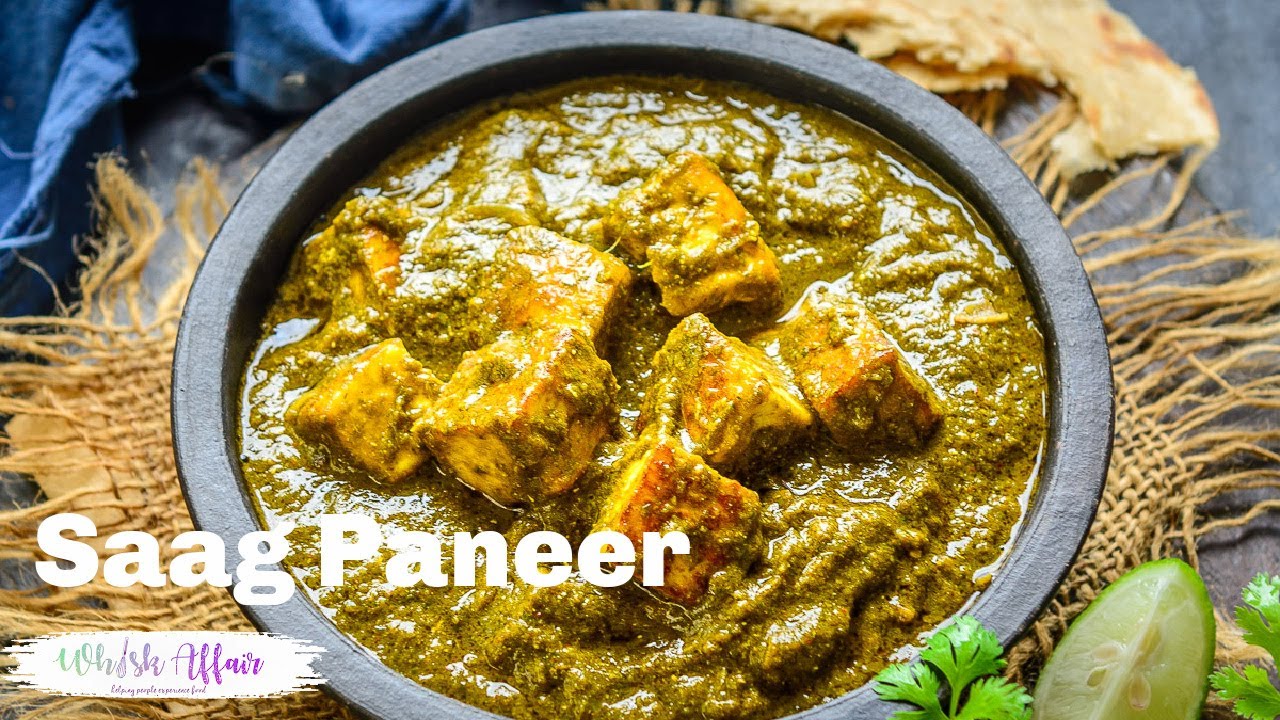
“Saag paneer looks simple. Spinach, cheese, spices. And yet most homemade versions land somewhere between a grey-green swamp and a rubbery cheese nightmare. The problem is almost never the ingredients — it's two technique failures that happen five minutes apart: overcooked spinach that loses its color and bitterness it never had, and paneer added raw to a sauce where it turns into a sponge. Fix those two things and you have restaurant-quality saag paneer on a Tuesday night.”
Why This Recipe Works
Saag paneer is on every Indian restaurant menu because the ingredients are cheap, the technique is forgiving, and — when done right — the result is one of the most satisfying vegetarian dishes on earth. Silky spiced spinach. Crispy-edged, pillowy paneer. A sauce that coats a piece of naan like it was designed to. None of that happens by accident.
The Spinach Problem Is a Heat Problem
Spinach contains chlorophyll — the pigment that makes it green — and chlorophyll starts breaking down the moment it hits sustained heat above 140°F. Blanch spinach and walk away without shocking it in ice water, and the residual heat keeps breaking down that pigment as it sits in the colander. By the time you blend it into a sauce and simmer it for fifteen minutes, you have grey-green mush that looks like it was made from a can of overcooked vegetables.
The fix is absolute and takes thirty seconds: ice bath, immediately. Fill a bowl with cold water and ice cubes before the spinach goes into the boiling water. The moment it's bright green and just tender — two to three minutes maximum — it goes directly from the boiling water to the ice bath. Two minutes later, the color is locked. Drain it, squeeze it bone dry, and blend it. That vivid green holds through the entire simmer.
Why does squeezing matter? Water is the enemy of a thick sauce. Spinach is roughly 91% water by weight, and blanching adds more. Every tablespoon of water left in the puree is a tablespoon of diluted sauce you'll spend the rest of the cook trying to reduce back out. Squeeze hard. Use your hands. Then squeeze again.
The Paneer Frying Step Is Not Optional
This is the decision that separates competent saag paneer from memorable saag paneer. Raw paneer dropped directly into a simmering sauce behaves like a sponge — it absorbs liquid, softens on the outside, and loses any textural distinction from the sauce surrounding it. The result is one monolithic texture from first bite to last.
Pan-frying in hot ghee creates a Maillard crust on all surfaces. That crust does two things: it adds a nutty, caramelized flavor layer that contrasts the earthy spinach, and it forms a barrier that keeps the cube intact during the final simmer. Golden paneer cubes hold their shape. They have a slight resistance when you bite in. They taste different from the sauce they're sitting in. That contrast is the dish.
The pan needs to be genuinely hot before the paneer goes in. Medium-high heat, heavy skillet, ghee shimmering but not smoking. Pat the paneer dry first — moisture on the surface causes aggressive splattering and steam that prevents browning. Two to three minutes per side, undisturbed. Don't move the cubes until they release cleanly from the pan.
Spice Timing Is Structural
Ground spices behave differently at different stages of the cook. Cumin, coriander, turmeric, and cayenne go in before the spinach puree — bloomed in hot oil for thirty seconds after the tomatoes break down. This fat-blooming step dissolves the fat-soluble flavor compounds in the spices and distributes them through the oil, which then coats every component in the dish. Spices added to liquid instead of fat produce a flat, one-dimensional flavor that never fully integrates.
Garam masala is the exception. It goes on at the very end, after the heat is off or nearly off. Garam masala is a finishing spice blend — its aromatic compounds are volatile and dissipate rapidly under sustained heat. Cook it into the sauce and you lose most of what makes it worth using. Add it at the end and it perfumes the whole dish without disappearing.
The onion-garlic-ginger-tomato base — the standard North Indian curry foundation — requires patience at the front end. The onions need a full six to eight minutes to go soft and golden. The tomatoes need three to four minutes to fully break down and release their acid into the fat. These aren't suggestions. They're the flavor base every other component is built on top of.
Get the spinach green. Fry the paneer. Bloom the spices in fat. Add garam masala last. Four rules. One excellent curry.
Where Beginners Mess This Up
Before we start, read this. These are the 4 reasons your foolproof saag paneer (restaurant results at home) will fail:
- 1
Skipping the ice bath after blanching: Spinach goes from vivid green to army-drab in about 60 seconds of residual heat. Blanching in boiling salted water brightens it — but you have to shock it immediately in ice water to lock that color in. Skip the ice bath and by the time the curry is done, the sauce looks like it was made last week.
- 2
Blending the spinach too thin: Spinach puree should have texture — not so smooth it becomes baby food. Blend with only a few tablespoons of reserved cooking water. A slightly coarse puree clings to the paneer and gives the sauce body. Over-blended spinach turns watery under heat and the sauce never thickens properly.
- 3
Adding paneer directly to the sauce without frying: Raw paneer in curry turns soft, porous, and bland — it absorbs sauce like a sponge and loses structural integrity. Pan-frying in hot ghee for 2-3 minutes per side creates a golden crust that keeps the cubes intact and adds a nutty, caramelized flavor that raw paneer simply cannot provide.
- 4
Adding the cream too early or on too high heat: Cream added to a screaming-hot pan breaks into greasy puddles. Reduce the heat to medium-low before it goes in, and stir continuously. The sauce should be smooth and velvety — if it looks separated or oily, the heat was too high.
The Video Reference Library
Want to see it in action? Here are the exact videos we analyzed and combined to build this foolproof recipe translation:
The source video for this recipe. Strong technique walkthrough covering the blanch-and-blend method and the importance of pan-frying the paneer before it goes into the sauce.
🛠️ Core Equipment
- Large heavy-bottomed pan or Dutch ovenEven heat distribution is critical for building the onion-tomato base without scorching. A thin pan creates hot spots that burn the spices in seconds. Use a [Dutch oven](/kitchen-gear/review/dutch-oven) or heavy stainless skillet.
- Blender or immersion blenderA high-powered blender gives you control over puree texture — pulse a few times for a coarse, rustic saag, or run it longer for a smooth restaurant-style finish. Immersion blenders work but produce a rougher texture.
- Small separate skillet for frying paneerFrying the paneer in a dedicated pan keeps the oil clean and hot enough to sear. Adding paneer to the curry pan risks splashing sauce and dropping the temperature too fast for a proper crust.
- Ice bath bowlNon-negotiable for stopping the spinach cook immediately after blanching. Have the bowl ready with ice and cold water before the spinach hits the pot.
Foolproof Saag Paneer (Restaurant Results at Home)
🛒 Ingredients
- ✦1 pound fresh spinach, roughly chopped
- ✦12 ounces paneer cheese, cut into 1-inch cubes
- ✦3 tablespoons ghee or clarified butter, divided
- ✦2 medium yellow onions, finely diced
- ✦4 cloves fresh garlic, minced
- ✦1 tablespoon fresh ginger, grated
- ✦2 medium Roma tomatoes, diced
- ✦1 teaspoon ground cumin
- ✦1 teaspoon ground coriander
- ✦1/2 teaspoon turmeric powder
- ✦1/2 teaspoon cayenne pepper
- ✦1/4 teaspoon garam masala
- ✦1/2 cup heavy cream or Greek yogurt
- ✦1/2 cup whole milk
- ✦2 green chilis, sliced lengthwise
- ✦1 tablespoon fresh cilantro, chopped
- ✦Salt and black pepper to taste
👨🍳 Instructions
01Step 1
Bring a large pot of salted water to a boil. Add the chopped spinach and blanch for 2-3 minutes until bright green and just tender.
02Step 2
Immediately transfer the blanched spinach to a bowl of ice water and let sit for 2 minutes to stop cooking and lock in the color.
03Step 3
Drain the cooled spinach thoroughly, squeezing out excess water. Transfer to a blender with the reserved cooking water and pulse to a slightly coarse puree. Set aside.
04Step 4
Heat 2 tablespoons ghee in a large heavy-bottomed pan over medium-high heat. Add the diced onions and sauté for 6-8 minutes, stirring frequently, until soft and golden brown at the edges.
05Step 5
Add the minced garlic and grated ginger. Cook for 1 minute, stirring constantly, until the raw aroma mellows.
06Step 6
Add the diced tomatoes and cook for 3-4 minutes until they break down and release their juices into the pan.
07Step 7
Sprinkle in the ground cumin, coriander, turmeric, and cayenne. Stir constantly for 30 seconds to toast the spices in the oil.
08Step 8
Pour in the spinach puree and stir well to combine. Cook for 2 minutes over medium heat.
09Step 9
Reduce heat to medium-low. Add the heavy cream and whole milk, stirring gently until the sauce is smooth. Season with salt and black pepper.
10Step 10
In a separate small skillet, heat the remaining 1 tablespoon ghee over medium-high heat until shimmering. Add the paneer cubes and pan-fry for 2-3 minutes per side until golden brown. Work in batches to avoid crowding.
11Step 11
Gently fold the golden paneer cubes into the simmering spinach sauce. Simmer uncovered for 5-7 minutes over low heat to meld the flavors.
12Step 12
Finish with a sprinkle of garam masala, fresh cilantro, and sliced green chilis. Serve immediately with warm naan or basmati rice.
Nutrition Per Serving
Estimates based on standard preparation. Adjustments alter macros.
🔄 Substitutions
Instead of Heavy cream...
Use Full-fat Greek yogurt or full-fat coconut milk
Greek yogurt adds a slight tang that works beautifully with the spices — temper it before adding to prevent splitting. Coconut milk creates a richer, slightly tropical note and keeps it dairy-free.
Instead of Ghee...
Use Extra virgin olive oil or avocado oil
You lose the nutty dairy richness, but both oils handle the heat well. Avocado oil is the more neutral choice; olive oil adds subtle fruity notes that actually complement the spinach.
Instead of Paneer...
Use Firm tofu or halloumi
Press firm tofu for 20 minutes before cubing and frying — it holds its shape and absorbs the spiced sauce beautifully. Halloumi behaves very similarly to paneer and is widely available in most supermarkets.
Instead of Whole spinach base...
Use 50% spinach, 50% Swiss chard or kale
Deeper, earthier flavor with more structural texture in the final sauce. Blanch kale for an extra minute — it's tougher than spinach and needs the extra time to fully soften.
🧊 Storage & Reheating
In the Fridge
Store in an airtight container for up to 4 days. The flavors deepen considerably overnight — this is genuinely better the next day.
In the Freezer
Freeze in portions for up to 2 months. Freeze without the paneer if possible — it can turn slightly grainy after thawing. Add freshly pan-fried paneer when reheating.
Reheating Rules
Reheat gently in a covered saucepan over low heat with a splash of milk or water to loosen the sauce. Stir frequently. Avoid high heat — the cream can separate.
❓ Frequently Asked Questions
Why does my saag paneer turn grey?
The spinach was overcooked or not shocked in ice water after blanching. Spinach loses its vibrant green color when chlorophyll breaks down under sustained heat. Blanch for no more than 3 minutes, then immediately plunge into ice water. The color is locked in within 2 minutes.
Can I use frozen spinach instead of fresh?
Yes, and it actually works well. Thaw completely and squeeze out as much water as possible before blending — frozen spinach holds significantly more water than blanched fresh. The flavor is slightly milder but the texture is fine.
Why is my paneer rubbery?
Paneer turns rubbery when it's overcooked or fried at too low a temperature. The pan needs to be genuinely hot before the paneer goes in — medium-high heat, oil shimmering. Sear quickly for 2-3 minutes per side and remove. Simmer briefly in the sauce, not for 20 minutes.
Do I have to fry the paneer first?
Technically no — but you should. Raw paneer in curry absorbs sauce and loses its shape, turning the texture of the dish mushy and indistinct. The frying step creates a crust that keeps the cubes intact and adds a layer of flavor that raw paneer simply doesn't have.
Is saag paneer the same as palak paneer?
Nearly, but not quite. Palak paneer uses only spinach (palak). Saag paneer can use a mix of greens — mustard leaves, fenugreek, spinach, chard. Most restaurant versions in the West are effectively palak paneer, but the traditional saag is more complex and slightly bitter from the mustard greens.
How do I make this vegan?
Replace paneer with firm pressed tofu, use coconut oil or avocado oil instead of ghee, and substitute full-fat coconut milk for the cream and dairy milk. The flavor profile shifts toward richer and more tropical, but the technique is identical.
The Science of
Foolproof Saag Paneer (Restaurant Results at Home)
We turned everything on this page into a beautiful, flour-proof PDF cheat sheet. Print it out, stick it to your fridge, and never mess up your foolproof saag paneer (restaurant results at home) again.
*We'll email you the high-res PDF instantly. No spam, just perfectly cooked meals.
AlmostChefs Editorial Team
We translate the internet's most popular cooking videos into foolproof, beginner-friendly written recipes. We analyze multiple methods, test them in our kitchen, and engineer a single "Master Recipe" that gives you the best possible result with the least possible stress.