Scottish Rumbledethumps (The Forgotten Comfort Food That Deserves a Revival)
A rustic Scottish bake of mashed potato, buttered cabbage, and sharp cheddar — humble ingredients transformed by heat and time into a golden, crackling gratin. We broke down the technique to show why this centuries-old dish earns a permanent spot on your weeknight rotation.
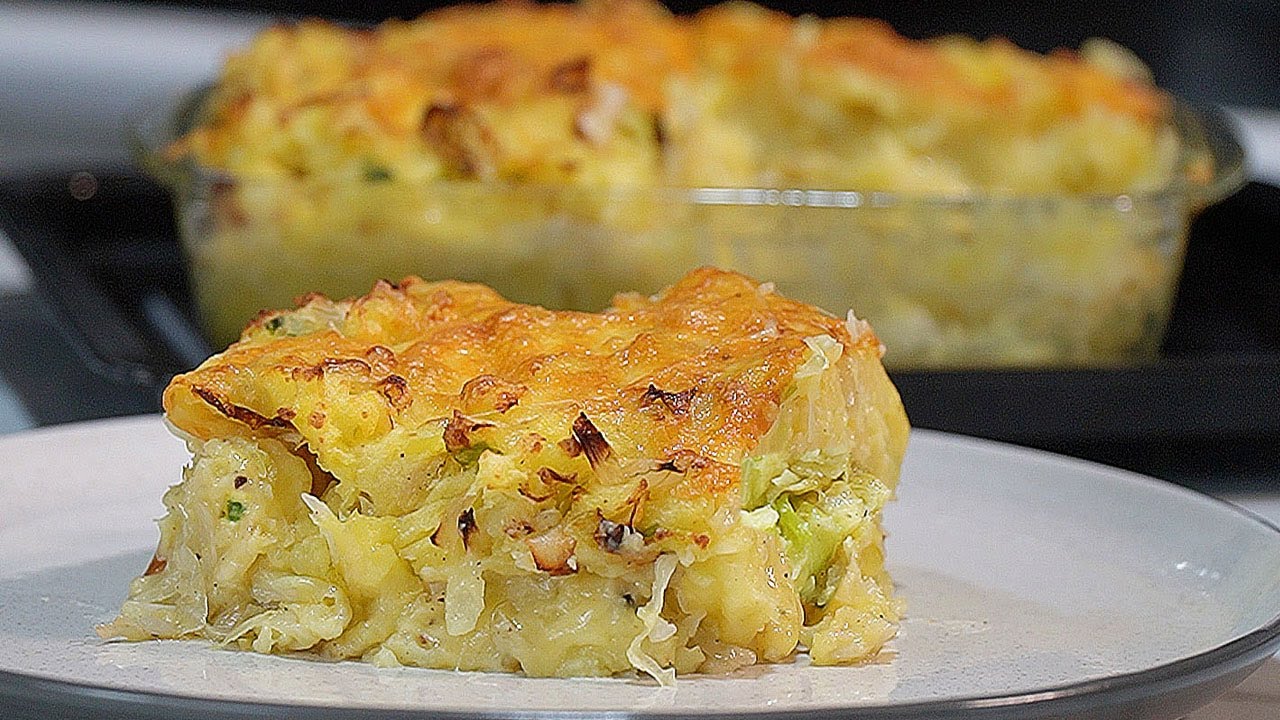
“Rumbledethumps has one of the best names in the English language and one of the worst reputations — mostly because people treat it like leftover mash dumped in a dish and forgotten. The truth is this centuries-old Scottish gratin is capable of a crackling, golden top, a creamy interior, and a depth of flavor that makes you wonder why it ever fell out of fashion. The difference between the disappointing version and the transcendent one comes down to how you handle the cabbage, how much butter you actually use, and whether you let it bake long enough to form a proper crust.”
Why This Recipe Works
Rumbledethumps is proof that the most overlooked dishes are often the most instructive ones. There are no shortcuts in this recipe, no exotic ingredients, no technical sleight of hand — just potato, cabbage, butter, and cheese subjected to enough heat for long enough that something genuinely excellent emerges. That simplicity is also why it fails so reliably when approached carelessly. Every component is load-bearing.
The Potato Foundation
Floury potatoes are not a preference here — they are a structural requirement. The distinction between floury and waxy varieties comes down to starch composition. Floury potatoes like russets and King Edwards are high in amylose, a long-chain starch that gelatinizes during boiling and then dries out as steam escapes, producing a light, crumbly interior that collapses easily into a fluffy mash. Waxy potatoes like Yukon Golds and red potatoes are high in amylopectin, a branched starch that stays firm and cohesive after cooking. Run a waxy potato through a potato ricer and it produces a gluey, elastic paste that clumps around the cabbage instead of integrating with it. The choice of potato determines the entire texture of the final dish.
The other non-negotiable is the potato ricer itself. An electric mixer introduces violent mechanical action that ruptures starch granules and releases excessive free starch into the mixture — the same process that makes over-mashed potatoes sticky. A hand masher is better but inconsistent. A ricer forces the potato through small holes under gentle pressure, shearing it into fine, light strands without agitating the starch. The result is a mash that folds cleanly with the cabbage without becoming dense. If you do not own a ricer and are unwilling to get one, a food mill is the acceptable alternative. Everything else is a compromise.
The Cabbage Transformation
Raw cabbage contains roughly 92% water and a battery of sulfur compounds — the same compounds responsible for the aggressive smell of overcooked cabbage. The goal of the initial sauté is to drive out that water and convert the sulfur compounds into sweeter, milder molecules through sustained heat. This takes longer than most recipes acknowledge: a full 10-12 minutes over medium-high heat in a heavy-bottomed skillet, stirring frequently, until the cabbage has collapsed to about half its raw volume and smells sweet rather than sharp.
The practical test: tilt the pan slightly. If liquid runs toward the edge, the cabbage is not ready. If the pan looks dry and the cabbage is soft and starting to color lightly at the edges, you're there. Any moisture that remains in the cabbage when it goes into the mash will create steam during the bake, which prevents crust formation and produces a wet, collapsing interior. The extra minutes are not optional.
The Cheese Crust as the Point
The cheese on top of Rumbledethumps is not a finishing touch. It is the transformation that justifies baking the dish in the first place instead of simply serving the mash straight from the pot. A proper cheese crust requires three things: the right cheese, enough of it, and enough time in the oven to develop Maillard browning on the surface.
Sharp aged cheddar — specifically cheddar aged at least 12 months — has both the fat content and the protein structure to brown properly at oven temperatures. Young mild cheddar has more moisture, which it releases as steam during baking, causing the cheese to separate into greasy pools rather than forming a cohesive crust. Pre-shredded cheese is coated in cellulose powder that absorbs surface moisture and inhibits browning. Grate your own from a block immediately before the dish goes together.
The quantity matters too. A token dusting of cheese melts into the potato and disappears. You need enough to form a distinct layer — approximately 3 ounces distributed evenly — that sits on the surface, dehydrates in the oven heat, and caramelizes into that crackling golden crust. At 400°F for the full 25-30 minutes, the surface cheese darkens to deep amber at the edges and develops the slightly crispy, mottled texture that distinguishes a properly baked gratin from a casserole with melted cheese on top.
Why the Simplicity is Intentional
Rumbledethumps came from an agricultural economy where meat was expensive and root vegetables were cheap, abundant, and could be stored through winter. The dish was designed to be filling, warm, and achievable with whatever was on hand — potatoes from the cellar, a head of cabbage from the garden, a wedge of local cheddar. The genius of the recipe is that it treats these humble ingredients with enough technique to make them genuinely excellent rather than merely adequate. That's a harder trick than it sounds, and it's why the dish has outlasted every trend around it.
Where Beginners Mess This Up
Before we start, read this. These are the 4 reasons your scottish rumbledethumps (the forgotten comfort food that deserves a revival) will fail:
- 1
Undercooking the cabbage before baking: Raw cabbage holds too much water and turns the entire dish watery and sulfurous during the bake. You must cook it down in butter first — until it's soft, sweet, and has lost at least half its volume. Any moisture left in the cabbage will steam the potato mixture instead of letting it bake, which kills any chance of a proper crust.
- 2
Using waxy potatoes: Waxy varieties like red potatoes or new potatoes hold their structure when cooked, which sounds appealing but produces a gluey, dense mash. Rumbledethumps needs floury potatoes — Maris Piper, King Edward, or russets — that break down into a light, fluffy mash that can absorb the butter and integrate with the cabbage without turning into paste.
- 3
Skimping on the cheese: The cheese layer on top is not a garnish. It is the entire point of the final bake — the thing that forms the golden, crackling crust that makes this dish worth eating instead of just scooping mash from a pot. Use a sharp, aged cheddar and be generous. A thin, miserly layer melts into the potato and disappears. You want a distinct, caramelized cheese crust.
- 4
Pulling it from the oven too early: Rumbledethumps needs 25-30 minutes at high heat to develop the crust. Too many cooks pull it when the cheese is just melted — which is wrong. You want the top deeply golden and bubbling at the edges, with the sides of the dish showing caramelization. That's the moment.
The Video Reference Library
Want to see it in action? Here are the exact videos we analyzed and combined to build this foolproof recipe translation:
The closest to an authoritative demonstration of the traditional method — cabbage technique, layering, and crust color are all correct. Watch specifically for how long the cabbage is cooked before it goes into the mash.
Covers the starch science behind why potato variety matters and why a ricer produces different results than a masher. Background context that makes the Rumbledethumps technique make sense.
Demonstrates how to read a gratin for doneness — the visual cues for crust color, edge bubbling, and internal temperature that tell you when to pull it. Applies directly to the final bake phase.
🛠️ Core Equipment
- Large heavy-bottomed skillet or sauté panFor sweating the cabbage and onion properly. Thin pans create hot spots that scorch the outer cabbage while leaving the center underdone. Even heat is essential for getting the cabbage sweet and silky without browning.
- Potato ricer or food millProduces a smooth, lump-free mash without overworking the starch. A hand masher works but leaves inconsistency. An electric mixer is the worst option — it shears the starch granules and produces wallpaper paste. Use a ricer.
- Deep oven-safe baking dish (2-quart)Deep enough to hold the full mixture without it spilling when it bubbles. A shallow dish loses the interior creaminess as moisture evaporates too quickly. Ceramic or cast iron retains heat and produces a more evenly baked result.
- Box graterPre-shredded cheese is coated in anti-caking agents that inhibit melting and produce a greasy, uneven crust. Grate your own sharp cheddar immediately before using.
Scottish Rumbledethumps (The Forgotten Comfort Food That Deserves a Revival)
🛒 Ingredients
- ✦2 pounds floury potatoes (Maris Piper, King Edward, or russets), peeled and quartered
- ✦1 small green cabbage (about 1.5 pounds), core removed, thinly shredded
- ✦1 large yellow onion, thinly sliced
- ✦4 tablespoons unsalted butter, divided, plus more for the dish
- ✦1/2 cup whole milk, warmed
- ✦2 tablespoons heavy cream
- ✦6 ounces sharp aged cheddar, coarsely grated (about 1.5 cups), divided
- ✦3 spring onions (scallions), thinly sliced
- ✦1/2 teaspoon freshly grated nutmeg
- ✦Sea salt and freshly ground black pepper to taste
👨🍳 Instructions
01Step 1
Preheat the oven to 400°F (200°C). Butter a 2-quart deep baking dish and set aside.
02Step 2
Place the potatoes in a large pot of cold salted water. Bring to a boil over high heat, then reduce to a steady simmer and cook for 18-22 minutes until completely tender when pierced with a knife.
03Step 3
While the potatoes cook, melt 2 tablespoons butter in a large heavy-bottomed skillet over medium heat. Add the sliced onion and a pinch of salt. Cook, stirring occasionally, for 8 minutes until softened and translucent.
04Step 4
Add the shredded cabbage to the onion and increase heat to medium-high. Cook, stirring frequently, for 10-12 minutes until the cabbage is fully wilted, sweet-smelling, and has reduced to about half its original volume. Season generously with salt and pepper. Remove from heat.
05Step 5
Drain the potatoes thoroughly and allow them to steam-dry in the colander for 2-3 minutes. Pass them through a potato ricer into a large mixing bowl.
06Step 6
Add the remaining 2 tablespoons butter, warm milk, and heavy cream to the riced potatoes. Fold gently with a rubber spatula until just combined and smooth. Do not overmix.
07Step 7
Fold the cooked cabbage and onion mixture, spring onions, nutmeg, and half the grated cheddar into the mash. Taste and adjust salt and pepper.
08Step 8
Transfer the mixture into the prepared baking dish. Spread evenly and press gently with a spatula to remove air pockets. Scatter the remaining cheddar in an even layer across the top.
09Step 9
Bake for 25-30 minutes until the top is deeply golden brown and bubbling at the edges. The cheese should have distinct dark caramelized patches.
10Step 10
Remove from the oven and rest for 5 minutes before serving. The interior will firm slightly as it cools, making it easier to scoop into clean portions.
Nutrition Per Serving
Estimates based on standard preparation. Adjustments alter macros.
🔄 Substitutions
Instead of Sharp cheddar...
Use Aged Gruyère or Comté
Nuttier, more complex flavor with a better melt. Gruyère produces a more refined, restaurant-quality gratin. More expensive but worth it for special occasions.
Instead of Green cabbage...
Use Savoy cabbage or kale
Savoy is more tender and silky; kale is heartier and more bitter. Both work. Savoy is closer to the traditional result. Avoid red cabbage — it bleeds color into the mash and turns everything purple.
Instead of Whole milk and cream...
Use Full-fat oat milk or unsweetened soy milk
Dairy-free substitution that maintains enough fat content for a creamy mash. Avoid thin plant milks like almond — they produce a watery, flat result. Use a dairy-free butter substitute in equal quantity.
Instead of Unsalted butter...
Use Good-quality olive oil
Lose the richness of dairy butter but gain a fruitier, more herbaceous note that works surprisingly well with the cabbage. Use about 3 tablespoons of olive oil in place of 4 tablespoons butter — oil carries flavor more intensely.
🧊 Storage & Reheating
In the Fridge
Cool completely and store covered in the baking dish or transfer to an airtight container. Keeps for up to 4 days. The flavor improves significantly overnight as the cabbage and potato flavors meld.
In the Freezer
Freeze in individual portions for up to 2 months. Thaw overnight in the fridge before reheating. The texture softens slightly after freezing but remains entirely acceptable.
Reheating Rules
Cover with foil and reheat at 350°F for 15-20 minutes until hot through. Remove the foil for the last 5 minutes to re-crisp the cheese crust. Avoid the microwave — it steams the crust into mush.
❓ Frequently Asked Questions
What does 'Rumbledethumps' mean?
The name likely derives from 'rumbled' (stirred or mixed) and 'thumped' (mashed) — describing exactly what you do to make it. It's a dialect word from the Scottish Borders region, where the dish originates. The name has been traced back to at least the 18th century.
Is Rumbledethumps the same as colcannon or bubble and squeak?
They're cousins, not twins. Irish colcannon is a stovetop mash of potato and kale or cabbage, served immediately — it's never baked. English bubble and squeak uses leftover roast vegetables (often including parsnips and Brussels sprouts) and is pan-fried into a cake, not baked in a dish. Rumbledethumps is distinctly Scottish and always baked with a cheese crust, which is what defines it.
Can I make Rumbledethumps ahead of time?
Yes — this is one of its great virtues. Assemble the dish completely, cover, and refrigerate for up to 24 hours before baking. Add 8-10 minutes to the bake time if it's going in cold from the fridge. The texture actually benefits from the rest, as the flavors integrate.
My crust didn't crisp up. What went wrong?
Either the dish was too deep and shallow (preventing surface drying), the cheese was too thin a layer, or there was too much moisture in the cabbage. Make sure your cabbage is fully cooked dry before mixing, use at least 3 ounces of cheese on top, and don't pull it from the oven until you see golden-brown patches with caramelized edges.
Can I add other vegetables?
Yes — turnip (swede) is traditional in some Scottish recipes, adding sweetness and body. Leeks in place of onion produce a more delicate, subtle result. Some versions include chives stirred through the mash. Avoid adding watery vegetables like zucchini or tomato — they introduce moisture that fights the bake.
What do you serve with Rumbledethumps?
It works as a standalone vegetarian dinner or as a side dish alongside roast lamb, grilled sausages, or braised beef. A simple green salad with a sharp mustard vinaigrette cuts through the richness effectively. Traditionally it was served as a complete meal — a practical, filling dish for cold Scottish winters.

The Science of
Scottish Rumbledethumps (The Forgotten Comfort Food That Deserves a Revival)
We turned everything on this page into a beautiful, flour-proof PDF cheat sheet. Print it out, stick it to your fridge, and never mess up your scottish rumbledethumps (the forgotten comfort food that deserves a revival) again.
*We'll email you the high-res PDF instantly. No spam, just perfectly cooked meals.
AlmostChefs Editorial Team
We translate the internet's most popular cooking videos into foolproof, beginner-friendly written recipes. We analyze multiple methods, test them in our kitchen, and engineer a single "Master Recipe" that gives you the best possible result with the least possible stress.