Perfect Roasted Vegetables (The High-Heat Method That Actually Caramelizes)
A foolproof method for roasting bell peppers, Brussels sprouts, zucchini, and mushrooms to deeply caramelized, tender perfection. We analyzed the most common failures — crowded pans, low heat, uniform timing — and built one technique that delivers golden edges and concentrated flavor every time.
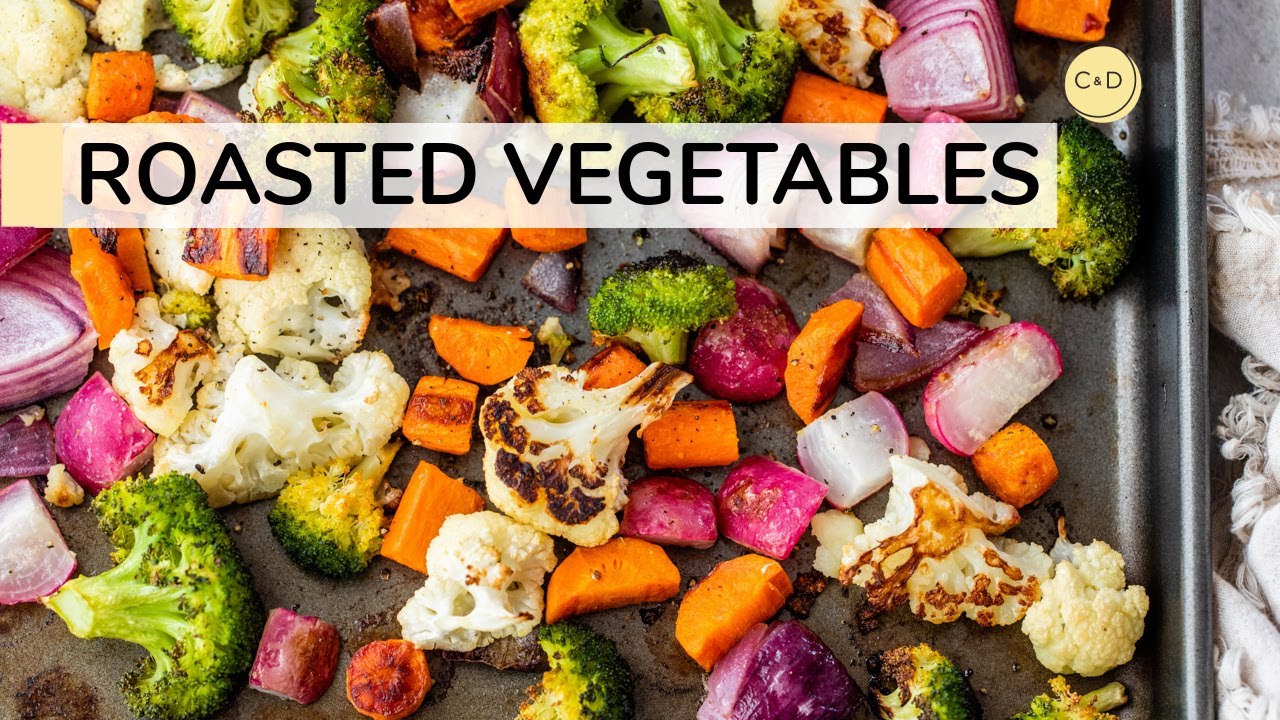
“Roasted vegetables should caramelize. They rarely do. Most home cooks pull underdone, steamed-in-their-own-moisture vegetables from the oven, blame the recipe, and move on. The real culprit is almost always the same: too many vegetables crammed onto one pan, too little heat, or a cold oven that never fully preheated. Fix those three things and every vegetable you roast for the rest of your life will have those dark, sweet, collapsed edges that make people eat a side dish and pretend it's the main course.”
Why This Recipe Works
Roasting is the simplest cooking method that home cooks consistently get wrong. Not because the technique is complicated — it isn't — but because the conditions required for real caramelization are unforgiving, and most recipes don't tell you what those conditions actually are.
The Temperature Floor
The Maillard reaction — the chemical process responsible for browning, flavor complexity, and those dark, collapsed edges — begins in earnest at around 300°F on the food's surface. To hit that surface temperature reliably, the oven needs to be running at 425°F minimum. Lower than that and you're cooking the interior faster than you're developing the exterior, which is the textbook definition of braising.
Most oven failures trace back to two things: a dial that reads 425 but delivers 375, and a door that was opened mid-cook and never fully recovered its temperature. Use an oven thermometer. It costs almost nothing and removes the single largest variable in your roasting results.
The Pan Geometry Problem
One baking sheet is almost always the wrong call for four servings of mixed vegetables. The math is straightforward: two pounds of cut vegetables generate significant steam as their water content evaporates. That steam needs somewhere to go. In a crowded pan, it has nowhere — it pools, drops the surface temperature, and converts your 425°F dry roast into a 212°F wet steam. The vegetables go grey and soft instead of brown and concentrated.
Two rimmed baking sheets solve this immediately. More surface area, more evaporation, more contact between vegetable and hot pan. The cut-side-down rule for Brussels sprouts is the same principle applied to a single piece: maximize flat surface area against direct heat.
The Oil Is Not Optional
Oil in roasting is a heat transfer medium, not just a flavor agent. A thin, even coat on every cut surface conducts heat from the pan to the vegetable consistently across the entire piece. Dry spots don't brown — they dehydrate and turn rubbery. The test is visual: after tossing, every piece should look evenly glossy. If you can see matte, dry patches, add more oil and toss again.
Extra-virgin olive oil works well here. Its flavor compounds contribute to the final taste in a way that neutral oils don't, and despite the common misconception, it handles 425°F without degrading into anything harmful. If you want crisper edges with zero smoke, avocado oil is a genuinely better high-heat choice.
Timing Is a Range, Not a Number
No recipe can tell you exactly when your roasted vegetables are done, because oven performance varies, vegetable water content varies, and pan thickness varies. What you're looking for is visual and tactile: golden-brown edges, slight collapse in the centers of bell peppers and zucchini, caramelized flat sides on the Brussels sprouts, and a fork that meets no resistance when pressed into the thickest piece.
The halfway stir matters. It exposes new surfaces to the hot pan and breaks up any steam that's accumulated around individual pieces. Do it once, around the 20-25 minute mark, and don't open the oven again until the timer goes off.
The Finish
Fresh lemon juice and basil go on after the oven, not before. This is non-negotiable. High-heat cooking volatilizes the delicate aromatic compounds in fresh herbs and converts lemon's brightness into flat acidity. Applied to hot vegetables just before serving, the lemon juice absorbs into the surface immediately and the basil stays vivid and fragrant. This is the difference between a side dish that tastes finished and one that tastes like it's missing something you can't quite name.
Where Beginners Mess This Up
Before we start, read this. These are the 4 reasons your perfect roasted vegetables (the high-heat method that actually caramelizes) will fail:
- 1
Crowding the pan: When vegetables are packed too tightly, moisture from the cell walls cannot evaporate fast enough. The pan fills with steam, the temperature drops, and instead of roasting you're braising. You need at least half an inch of space between each piece. When in doubt, use two pans and rotate them halfway through.
- 2
Not drying the vegetables before seasoning: Surface moisture is the enemy of caramelization. Wet vegetables steam. Dry vegetables roast. After washing and cutting, spread them on a clean kitchen towel for 5 minutes. This one step meaningfully changes the final texture.
- 3
Roasting everything together without adjusting for density: Brussels sprouts and bell peppers do not cook at the same rate. Dense, starchy vegetables need more time and higher heat than tender ones. Cut denser vegetables slightly smaller, and if you're mixing very fast-cooking items (zucchini) with slower ones (Brussels sprouts), add the faster ones 10 minutes into the cook time.
- 4
Using too little oil: Oil is not a coating — it's a heat conductor. Each piece needs a genuine, even coat on all sides to develop color. Toss until every surface shines. If you can still see dry patches, add more oil.
The Video Reference Library
Want to see it in action? Here are the exact videos we analyzed and combined to build this foolproof recipe translation:
The source video behind this recipe. Clear demonstration of single-layer spacing, proper oil coating, and how to identify correctly caramelized edges versus underdone vegetables.
🛠️ Core Equipment
- Two large rimmed baking sheetsOne sheet is almost always the cause of steaming instead of roasting. More surface area means more evaporation, more contact with the hot pan, and actual caramelization. Half-sheet pans are the standard.
- Oven thermometerMost home ovens run 25-50 degrees cooler than the dial says. At 425°F you're already on the edge of effective caramelization — if your oven reads 425 but delivers 380, the vegetables will never color properly. A cheap oven thermometer removes all doubt.
- Large mixing bowlSeasoning vegetables in a cramped bowl produces uneven coating. You need enough room to toss aggressively so every cut surface meets the oil and spices. A bowl that feels too big is exactly right.
Perfect Roasted Vegetables (The High-Heat Method That Actually Caramelizes)
🛒 Ingredients
- ✦2 medium red bell peppers, cut into 1-inch chunks
- ✦2 medium yellow bell peppers, cut into 1-inch chunks
- ✦1 medium red onion, cut into wedges
- ✦2 cups Brussels sprouts, halved lengthwise
- ✦2 medium zucchini, cut into half-moons
- ✦8 ounces cremini mushrooms, quartered
- ✦3 tablespoons extra-virgin olive oil
- ✦4 cloves fresh garlic, minced
- ✦1 teaspoon dried oregano
- ✦1 teaspoon dried thyme
- ✦1/2 teaspoon smoked paprika
- ✦1/4 teaspoon black pepper
- ✦1/2 teaspoon sea salt
- ✦2 tablespoons fresh basil, chopped
- ✦1 tablespoon fresh lemon juice
- ✦1/4 teaspoon red pepper flakes
👨🍳 Instructions
01Step 1
Preheat your oven to 425°F and position the rack in the center. Let the oven fully preheat for at least 15 minutes before the vegetables go in.
02Step 2
Wash all vegetables and dry thoroughly with a clean kitchen towel. Cut into uniform, bite-sized pieces — roughly 1-inch for dense vegetables, slightly larger for tender ones.
03Step 3
Transfer the vegetables to a large mixing bowl. Drizzle with extra-virgin olive oil and toss until every surface is coated and shining.
04Step 4
Add the minced garlic, oregano, thyme, smoked paprika, salt, and black pepper. Toss aggressively for a full minute until seasonings coat every piece evenly.
05Step 5
Spread the vegetables across two large rimmed baking sheets in a single layer with space between each piece. Place Brussels sprouts cut-side down.
06Step 6
Roast for 25-30 minutes, then shake the pans and stir the vegetables to expose new surfaces to the pan. Return to the oven.
07Step 7
Continue roasting for 5-10 more minutes until the vegetables are tender with golden-brown, slightly collapsed edges.
08Step 8
Remove from the oven and transfer to a serving platter. Immediately drizzle with fresh lemon juice and scatter the chopped basil and red pepper flakes.
09Step 9
Taste and adjust with additional salt or pepper before serving.
Nutrition Per Serving
Estimates based on standard preparation. Adjustments alter macros.
🔄 Substitutions
Instead of Cremini mushrooms...
Use Portobello mushrooms or cauliflower florets
Portobello adds richer, meatier umami. Cauliflower brings extra fiber and a slightly nuttier flavor — cut it into small florets so it doesn't dominate the pan.
Instead of Extra-virgin olive oil...
Use Avocado oil
Higher smoke point than olive oil, which actually benefits high-heat roasting. Creates slightly crisper edges. Neutral flavor lets the vegetables speak.
Instead of Dried oregano and thyme...
Use Fresh rosemary and Italian herb blend
Fresh herbs deliver brighter, more aromatic results. Add them in the final 10 minutes of roasting rather than at the start to prevent burning.
Instead of Red bell peppers...
Use Orange bell peppers or rainbow carrots
Orange peppers are slightly sweeter with comparable texture. Carrots add natural sugars that caramelize beautifully — cut them thinner than the other vegetables to match cook time.
🧊 Storage & Reheating
In the Fridge
Store in an airtight container for up to 3 days. The vegetables continue to absorb the herb and garlic flavors overnight and are often better on day two.
In the Freezer
Freeze in a single layer on a baking sheet first, then transfer to a freezer bag for up to 2 months. Texture softens significantly after freezing — use from frozen in soups, pasta sauces, or grain bowls rather than as a standalone side.
Reheating Rules
Spread on a baking sheet and reheat at 400°F for 8-10 minutes to restore some crispness. Microwaving works but turns edges soft and slightly watery.
❓ Frequently Asked Questions
Why are my roasted vegetables soggy instead of caramelized?
Almost always a pan-crowding issue. When vegetables are packed tight, moisture can't evaporate and the temperature drops — you're steaming, not roasting. Use two pans, space each piece with room around it, and make sure the oven is fully preheated before the vegetables go in.
Do I need to parboil Brussels sprouts before roasting?
No. Halved Brussels sprouts roast perfectly from raw at 425°F in 30-35 minutes. Parboiling softens them before they have a chance to caramelize. Skip it.
Can I add the garlic at the start without it burning?
Minced garlic can burn at high heat before the vegetables finish. If you want to be safe, add the garlic in the last 10 minutes of roasting, or use thin-sliced garlic instead of minced — it tolerates heat slightly better. Garlic powder is a fully acceptable substitute that won't burn.
What vegetables roast the fastest and slowest?
Fastest: zucchini, cherry tomatoes, asparagus (15-20 minutes). Medium: bell peppers, mushrooms, onions (25-30 minutes). Slowest: Brussels sprouts, carrots, cauliflower, beets (35-45 minutes). When combining categories, stagger your additions or size-adjust your cuts.
Why does lemon juice go on after roasting, not before?
Acid applied before high-heat cooking breaks down cell walls and contributes to sogginess rather than caramelization. Applied after, while the vegetables are still hot, the lemon juice absorbs into the surface and brightens the entire dish without softening the texture.
Can I prep the vegetables ahead of time?
Yes. Cut and season up to 24 hours in advance and refrigerate uncovered — the air exposure actually dries the surface slightly, which helps browning. Do not add the lemon juice until after roasting.
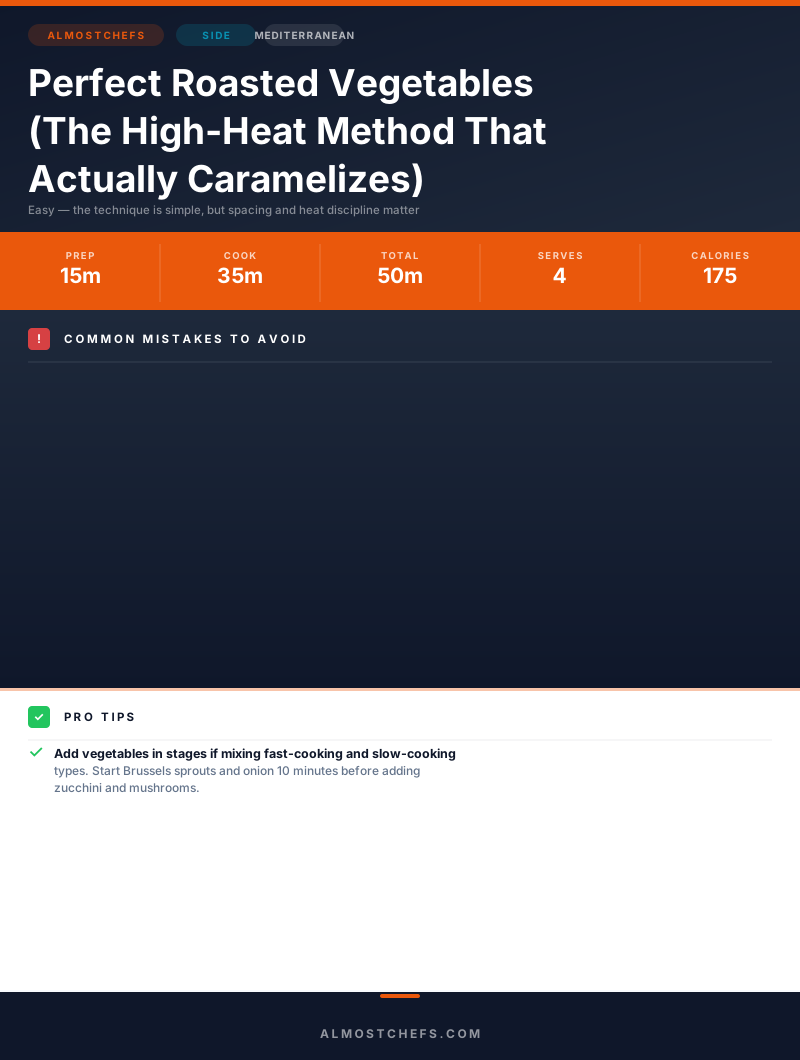
The Science of
Perfect Roasted Vegetables (The High-Heat Method That Actually Caramelizes)
We turned everything on this page into a beautiful, flour-proof PDF cheat sheet. Print it out, stick it to your fridge, and never mess up your perfect roasted vegetables (the high-heat method that actually caramelizes) again.
*We'll email you the high-res PDF instantly. No spam, just perfectly cooked meals.
AlmostChefs Editorial Team
We translate the internet's most popular cooking videos into foolproof, beginner-friendly written recipes. We analyze multiple methods, test them in our kitchen, and engineer a single "Master Recipe" that gives you the best possible result with the least possible stress.