Velvety Roasted Red Pepper Soup (Restaurant Quality at Home)
A silky, deeply flavored soup built on charred red peppers, caramelized onions, and smoked paprika — finished with Greek yogurt instead of heavy cream for a lighter bowl that doesn't compromise on richness. We broke down the technique so every home cook gets that signature velvety texture every time.
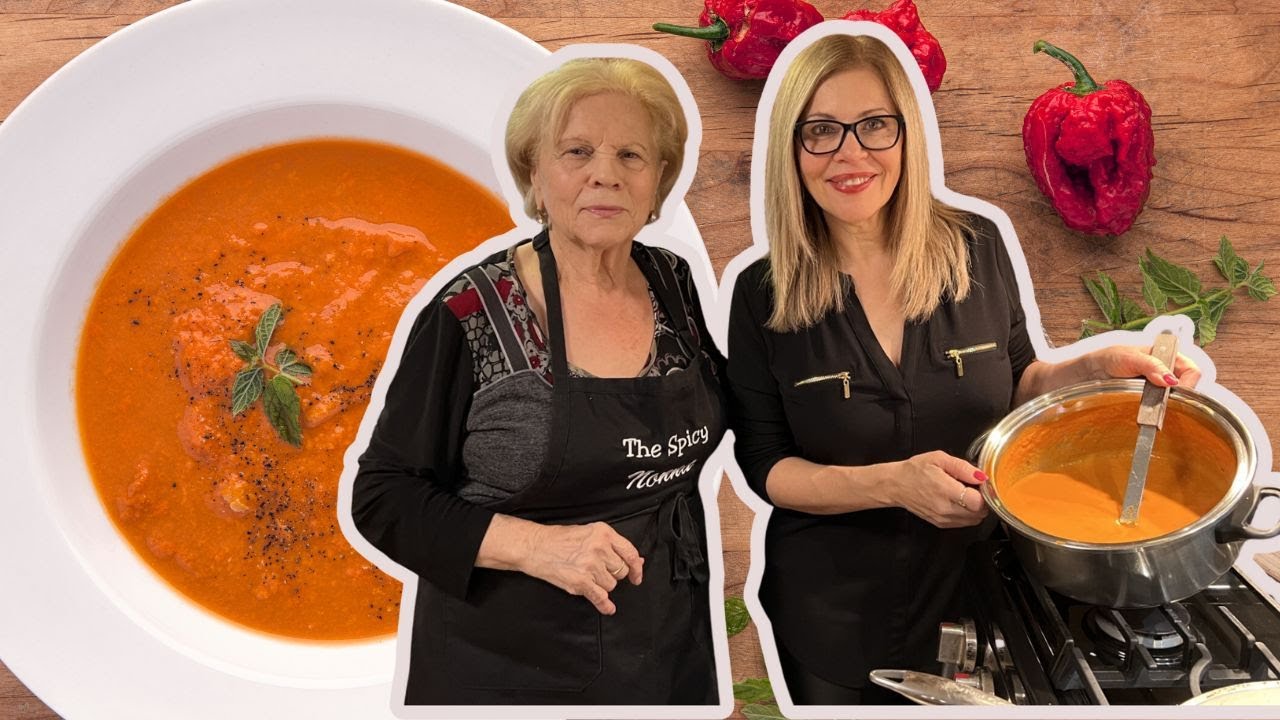
“Roasted red pepper soup has a reputation for being fancy restaurant food. It isn't. It's four bell peppers, an onion, a can of tomatoes, and one technique that most home cooks skip: actually letting the peppers char until the skins blister black. That char is the flavor. Skip it and you have a sad orange vegetable broth. Do it right and you have something people will ask you for again.”
Why This Recipe Works
Roasted red pepper soup fails for one reason: most people treat the peppers like an ingredient instead of the entire foundation. You don't add roasted peppers to soup. You build the soup around what roasting does to a pepper — and those are very different operations.
The Char Is the Flavor
A raw red bell pepper tastes clean, sweet, and slightly vegetal. A pepper roasted to golden tastes like a softer, sweeter raw pepper. A pepper roasted until its skin is black, blistered, and pulling away from the flesh tastes like something entirely different — concentrated, smoky, with a complexity that reads as rich even though nothing fatty has been added yet.
The chemical process is the same one that makes seared steak and toasted bread smell remarkable. The Maillard reaction converts the pepper's natural sugars and amino acids into hundreds of new flavor compounds at temperatures above 280°F. The charred skin is the proof that the reaction happened. When you peel it off and discard it, those compounds have already migrated into the pepper flesh below. The char is the delivery mechanism, not the waste product.
This is why pulling peppers early — at soft and golden instead of charred and blistered — produces flat soup no matter how many spices you add afterward.
Steam Unlocks the Peel
The 10-minute covered steam after roasting is a technique lifted from professional kitchens and it deserves more explanation than most recipes give it. When the hot peppers go into a covered bowl, residual steam creates a microenvironment where the skin's bond to the flesh softens and separates. The moisture migrates between the layers, and what was fused becomes detachable.
Skip this step and the skin fights back. You'll scrape and tear and end up with half the flesh on the skin and bitter charred bits in your soup. Ten minutes of patience produces peppers that peel in clean sheets with minimal effort.
Yogurt Over Cream
Heavy cream is the traditional thickener and enricher for this style of soup. It works — but it also adds approximately 200 calories and 22 grams of saturated fat per serving while contributing almost no flavor of its own. Greek yogurt adds creaminess through its thick protein structure, contributes a gentle tang that brightens the pepper flavor, and brings actual nutritional value in the form of protein and probiotics.
The trade requires one non-negotiable rule: the yogurt goes in off heat. Above roughly 160°F, the proteins in yogurt denature too quickly and you get curdled white flecks suspended in orange soup — not the visual you were going for. Let the pot cool for two to three minutes after blending, then stir in the yogurt gradually. The residual heat is sufficient to incorporate it completely and smoothly.
The Acid Finish
Lemon juice goes in last. This isn't aesthetic — it's chemical. Citric acid added to hot liquid during a long simmer loses its volatile aromatic compounds through evaporation. You're left with sourness without brightness. Added at the end, after the heat is off, the lemon's volatile aromatics stay in solution and lift the entire bowl. The soup goes from tasting rich-but-flat to tasting rich and alive.
Smoked paprika plays a complementary role. The roasted peppers provide sweetness and body; the smoked paprika provides the woody, charred background note that bridges the pepper flavor to the broth. Without it, the soup tastes like a very good vegetable purée. With it, it tastes like it came from somewhere specific.
A heavy-bottomed soup pot and a quality immersion blender are the only equipment investments that matter here. Everything else is patience and heat.
Where Beginners Mess This Up
Before we start, read this. These are the 4 reasons your velvety roasted red pepper soup (restaurant quality at home) will fail:
- 1
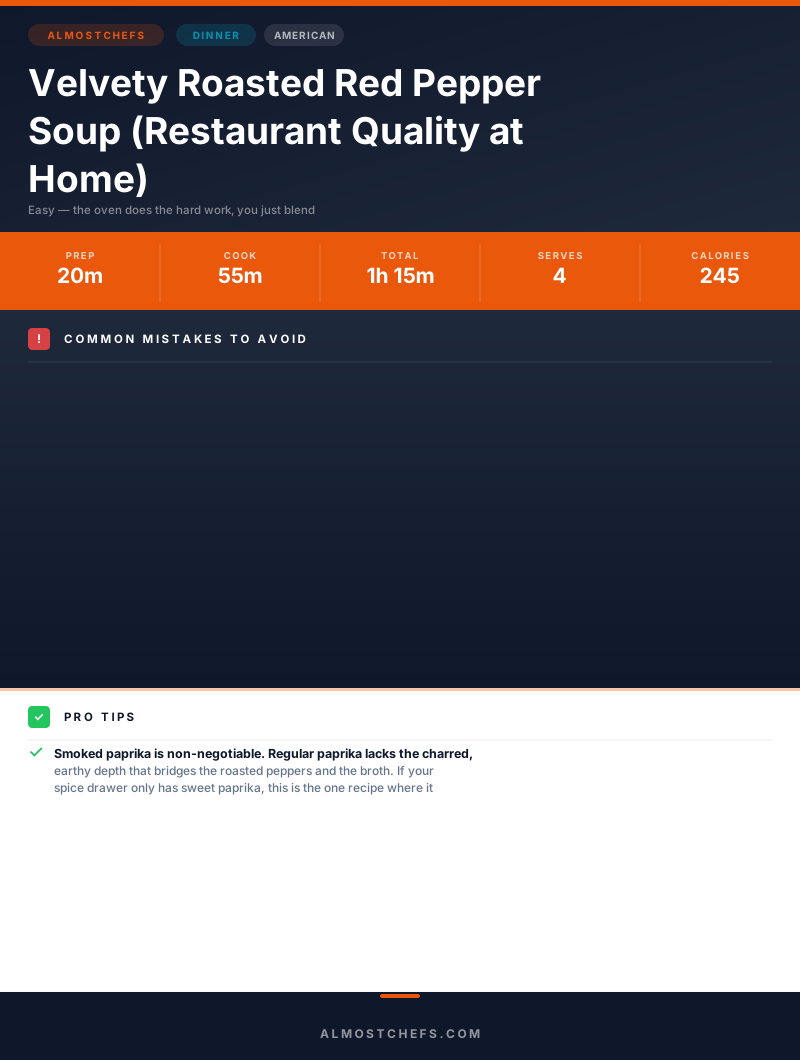
Pulling the peppers too early: The skins must be deeply charred — black in spots, blistered across the surface. If you pull them at 'golden' or 'softened,' you've missed the entire point. The Maillard reaction happening on the skin is what creates the sweet, smoky depth that defines this soup. Twenty-five minutes at 425°F is the minimum.
- 2
Skipping the steam step: After roasting, covering the peppers and letting them steam for 10 minutes isn't optional. The steam loosens the bond between the charred skin and the flesh. Skip it and you'll spend 20 minutes fighting with bits of bitter skin that refuse to peel — and any that stay in the soup will ruin the texture.
- 3
Adding yogurt to boiling soup: Greek yogurt breaks — it curdles into grainy white flecks — if added to liquid that's too hot. Remove the pot from heat entirely, let it cool for 2-3 minutes, then stir in the yogurt. The residual heat is more than enough to incorporate it smoothly.
- 4
Under-blending: Velvety means no chunks, no stringy pepper skin pieces, no onion texture. Blend for a full 60-90 seconds with an immersion blender, or work in batches with a standard blender. If you're unsure, blend longer. Then blend a little more.
The Video Reference Library
Want to see it in action? Here are the exact videos we analyzed and combined to build this foolproof recipe translation:
The primary technique walkthrough. Pay close attention to the charring stage — this video shows exactly how dark the peppers should get before you pull them from the oven.
🛠️ Core Equipment
- Sheet pan with parchmentHigh-sided sheet pans trap steam and cause peppers to soften unevenly. A flat sheet pan with parchment keeps airflow even for uniform charring across every pepper half.
- Large heavy-bottomed soup potEven heat distribution prevents the tomatoes and broth from scorching on the bottom during the 15-minute simmer. Thin pots create hot spots that stick and burn.
- Immersion blenderFar safer than transferring hot liquid to a standard blender in batches. Blend directly in the pot and you control the texture entirely. A standard blender works but requires more caution — never fill more than halfway and hold the lid down firmly.
- Large mixing bowl with plastic wrapFor steaming the charred peppers post-roast. The bowl traps the heat and moisture that loosens the skins. Any large bowl with a tight cover works.
Velvety Roasted Red Pepper Soup (Restaurant Quality at Home)
🛒 Ingredients
- ✦4 large red bell peppers, halved and seeded
- ✦2 medium yellow onions, finely diced
- ✦3 cloves garlic, minced
- ✦4 cups low-sodium vegetable broth
- ✦1 can (14 oz) diced tomatoes, no added sugar
- ✦1/2 cup plain non-fat Greek yogurt
- ✦2 tablespoons extra-virgin olive oil, plus more for garnish
- ✦1 teaspoon smoked paprika
- ✦1/4 teaspoon ground cumin
- ✦1/2 teaspoon cayenne pepper (optional)
- ✦2 fresh bay leaves
- ✦1 teaspoon dried thyme
- ✦2 tablespoons fresh lemon juice
- ✦1/4 cup fresh basil leaves, torn
- ✦Sea salt and freshly cracked black pepper to taste
👨🍳 Instructions
01Step 1
Preheat oven to 425°F. Arrange pepper halves skin-side up on a parchment-lined sheet pan.
02Step 2
Roast for 25-30 minutes until skins are deeply charred and blistered. Check at the 20-minute mark — you want black spots, not just browning.
03Step 3
Transfer roasted peppers to a large bowl and cover tightly with plastic wrap. Steam for 10 minutes.
04Step 4
Peel and discard the charred skins. Chop the flesh into rough 1-inch pieces.
05Step 5
Warm olive oil in a large heavy-bottomed pot over medium-high heat until shimmering. Sauté onions for 4-5 minutes until translucent.
06Step 6
Add minced garlic and cook 45 seconds, stirring constantly, until the raw smell fades.
07Step 7
Add the roasted pepper pieces, smoked paprika, cumin, dried thyme, and bay leaves. Stir to coat everything in the spices for about 1 minute.
08Step 8
Pour in vegetable broth and canned tomatoes with their juices. Bring to a gentle simmer.
09Step 9
Reduce heat to medium-low and simmer uncovered for 15-18 minutes to meld the flavors.
10Step 10
Remove from heat. Discard bay leaves. Blend until completely smooth using an immersion blender, about 60-90 seconds.
11Step 11
Let the soup cool 2-3 minutes off heat, then stir in the Greek yogurt until fully incorporated.
12Step 12
Add lemon juice and season with salt, pepper, and cayenne if using. Taste and adjust.
13Step 13
Ladle into bowls. Garnish with torn fresh basil and a light drizzle of olive oil. Serve immediately.
Nutrition Per Serving
Estimates based on standard preparation. Adjustments alter macros.
🔄 Substitutions
Instead of Greek yogurt...
Use Silken tofu blended with 1 tablespoon lemon juice
Produces an equally silky texture with a slightly less tangy finish. Fully vegan and dairy-free. Blend the tofu smooth before stirring in.
Instead of Vegetable broth...
Use Bone broth or mushroom broth
Adds deeper umami and a richer savory base. Bone broth introduces collagen and a slightly gelatinous body. Reduce added salt — these broths run saltier.
Instead of Canned diced tomatoes...
Use 1 cup fresh tomatoes, chopped, plus 1 tablespoon tomato paste
Brighter, fresher tomato character. Requires an extra 5 minutes of simmering for the raw tomato flavor to cook off. Worth it in peak summer.
Instead of Extra-virgin olive oil...
Use Ghee or avocado oil
Ghee adds a subtle nutty richness and handles high oven heat well. Avocado oil is neutral and equally effective. Both work without changing the soup's flavor architecture.
🧊 Storage & Reheating
In the Fridge
Store in an airtight container for up to 4 days. The flavors deepen overnight — day-two soup is noticeably better than day-one.
In the Freezer
Freeze in individual portions for up to 2 months. Thaw overnight in the refrigerator. Do not freeze with the yogurt stirred in — add fresh yogurt after reheating.
Reheating Rules
Reheat gently on the stovetop over medium-low heat, stirring occasionally. Add a splash of broth or water if the soup has thickened. Avoid boiling — it breaks the yogurt and dulls the pepper flavor.
❓ Frequently Asked Questions
Why does my soup taste bitter?
Almost always the pepper skins. Either the steaming step was cut short (less than 10 minutes), or bits of charred skin made it into the blender. Taste the peeled pepper flesh before it goes into the pot — if it tastes sweet and smoky, you're fine. If it tastes sharp or acrid, the skin contaminated it. Next time, steam longer and peel more carefully.
Can I use jarred roasted red peppers?
You can, but you'll lose the smoky char that makes this soup distinctive. Jarred peppers are roasted to a milder standard for mass-market palatability. If you use them, add an extra half teaspoon of smoked paprika and a dash of liquid smoke to approximate the depth you're missing.
My yogurt curdled when I stirred it in. What happened?
The soup was too hot. Greek yogurt breaks above approximately 160°F. Remove the pot from heat entirely and let it sit for 2-3 minutes before adding the yogurt. Stir it in gradually — a spoonful at a time — rather than dumping it all in at once.
Can I make this vegan?
Yes. Replace the Greek yogurt with silken tofu blended smooth with a tablespoon of lemon juice. The texture stays silky and the flavor difference is minor. Everything else in the recipe is already plant-based.
How do I get the soup to be as smooth as a restaurant version?
Blend longer than you think necessary — a full 60-90 seconds minimum. Then pass the blended soup through a fine-mesh sieve, pressing with the back of a spoon. That final straining step is what separates glossy restaurant texture from good home cooking texture.
Is this soup good cold?
Yes. Chilled, it works beautifully as a summer gazpacho-style dish. Thin it slightly with cold vegetable broth, add an extra squeeze of lemon, and serve in small glasses as an appetizer. Completely different presentation, same base recipe.
The Science of
Velvety Roasted Red Pepper Soup (Restaurant Quality at Home)
We turned everything on this page into a beautiful, flour-proof PDF cheat sheet. Print it out, stick it to your fridge, and never mess up your velvety roasted red pepper soup (restaurant quality at home) again.
*We'll email you the high-res PDF instantly. No spam, just perfectly cooked meals.
AlmostChefs Editorial Team
We translate the internet's most popular cooking videos into foolproof, beginner-friendly written recipes. We analyze multiple methods, test them in our kitchen, and engineer a single "Master Recipe" that gives you the best possible result with the least possible stress.