Crispy Roasted Cauliflower (The Caramelization Method That Actually Works)
Humble cauliflower florets transformed into deeply golden, nutty, crispy-edged perfection through high-heat roasting. We broke down the most common failures — steaming instead of browning, wet florets, crowded pans — and built one foolproof method that delivers restaurant-quality caramelization every time.

“Roasted cauliflower should be one of the easiest dishes in your repertoire. It almost never is. Most people pull florets out of the oven pale, soft, and faintly steamed — edible but forgettable. The gap between that and deeply bronzed, nutty, crispy-edged cauliflower comes down to three things: how dry the florets are before they hit the pan, whether they have room to breathe on the baking sheet, and how brave you are with your oven temperature. Get those three right and everything else follows.”
Why This Recipe Works
Cauliflower is not an interesting vegetable. It has no strong flavor of its own, a texture that defaults to mealy when undercooked and waterlogged when overdone, and a color that communicates nothing visually appealing when raw. Every good thing about roasted cauliflower is an achievement, not a given. The oven has to do serious work to make this vegetable worth eating, and most ovens never get the chance because the technique undermines them from the start.
The Moisture Problem
Raw cauliflower is roughly 92% water by weight. When you put a wet floret into a 425°F oven, that surface moisture has to evaporate before any browning can occur. This takes time — time during which the interior is cooking, the texture is softening, and the clock is running out on the window where the inside is tender but the outside hasn't started to brown yet.
Patting florets dry with paper towels before roasting is the single highest-leverage step in this recipe. It's also the most skipped. Two rounds of thorough drying removes enough surface moisture to shave several minutes off the pre-browning phase, which means you get caramelization while the interior is still at peak texture rather than past it.
Why Heat and Space Are the Same Problem
The Maillard reaction — the browning process responsible for every good flavor this dish has — requires direct surface contact with a hot, dry surface or dry circulating air. Crowd the florets on a single baking sheet and they trap each other's steam, turning the space between them into a humid microenvironment where browning is impossible. A large rimmed baking sheet solves this by providing surface area. Two of them solve it completely.
The upper rack position compounds the benefit. Most home ovens run hotter in the upper third due to proximity to the top broiler element, which adds radiant top heat that crisps the exposed tips of the florets while the pan caramelizes the cut bottoms. This dual-direction heat is what produces the textural contrast — crispy edges, tender interior — that makes properly roasted cauliflower genuinely satisfying rather than just cooked.
The Acid Timing Principle
Lemon juice and balsamic vinegar are both acidic, and acid inhibits browning. Applied before roasting, they slow the Maillard reaction and contribute to a paler, softer result. Applied after roasting, to a surface that's already deeply caramelized and radiating heat, they do something entirely different: they hit the hot, porous floret surface and partially reduce on contact, pulling into the crevices and coating the browned edges with a concentrated sweet-sour glaze.
This is not a subtle difference. Cauliflower finished with lemon post-oven tastes bright, complex, and almost restaurant-caliber. The same cauliflower finished with lemon pre-oven tastes flat and slightly pallid. Same ingredients, opposite results. Timing is the recipe.
The Spice Stack Logic
The seasoning blend here is built in layers. Garlic powder provides baseline savory foundation. Smoked paprika adds depth and color that intensifies during roasting, making the final dish read as more complex than the ingredient list suggests. Cayenne adds heat that you feel at the back of the palate — not enough to read as spicy but enough to make the dish feel alive. Dried thyme bridges the gap between the warm spices and the fresh parsley finish.
The optional Parmesan or nutritional yeast finish is worth understanding: both provide glutamates, the compounds responsible for umami. Applied to hot cauliflower directly from the oven, they partially melt into the surface and add a savory back note that makes the dish feel more substantial than 155 calories should. A fine grater makes the difference between Parmesan that distributes evenly and Parmesan that clumps in spots — use one if you have it.
What "Done" Actually Looks Like
This is where recipes fail their readers most reliably. "Golden brown" is an instruction that produces underroasted cauliflower in 90% of home kitchens. Golden brown is the beginning of good. The end of good looks like deep mahogany on the flat cut faces, dark charred edges on the floret tips, and a fork test that meets zero resistance. If it looks slightly alarming, it's probably right.
Where Beginners Mess This Up
Before we start, read this. These are the 4 reasons your crispy roasted cauliflower (the caramelization method that actually works) will fail:
- 1
Wet florets going into the oven: Moisture is the enemy of caramelization. If your cauliflower is even slightly damp from washing, it steams before it browns. The surface water has to evaporate before the Maillard reaction can begin, and by the time it does, your cauliflower is already half-cooked and soft. Pat every floret aggressively dry with paper towels before tossing in oil.
- 2
Crowding the pan: When florets are packed together, the steam they release during cooking has nowhere to go. It circulates between pieces and poaches everything instead of roasting it. Use two large baking sheets and spread florets in a single layer with space between each piece. If they're touching, they're too close.
- 3
Positioning the rack in the center or bottom of the oven: The upper third of the oven runs hotter and has more radiant heat from the top element. This is what creates the deep browning on the exposed edges and the slightly charred floret tips that make roasted cauliflower worth eating. Center rack produces even but mediocre results. Move the rack up.
- 4
Pulling it too early: Golden-yellow cauliflower is underroasted. You want deep mahogany-brown patches, almost-burnt edges on the floret tips, and a fork-tender interior. That takes a full 35-40 minutes at 425°F. If it looks 'done' at 20 minutes, give it 15 more.
The Video Reference Library
Want to see it in action? Here are the exact videos we analyzed and combined to build this foolproof recipe translation:
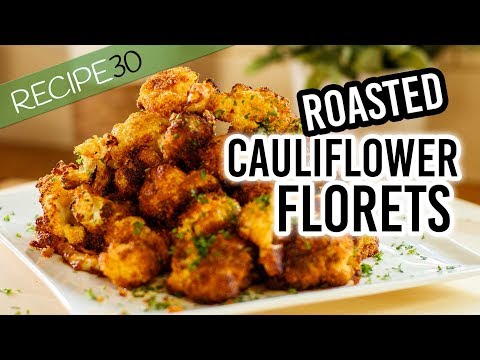
The source video for this technique. Covers the pat-dry step and high-heat method clearly, with good visual cues for what properly caramelized cauliflower looks like versus underroasted.
2. Crispy Roasted Vegetables — The Fundamentals
Breaks down the science of vegetable roasting across multiple varieties, with useful cross-application for cauliflower. Strong section on pan spacing and oven positioning.
3. Mediterranean Vegetable SidesUseful for context on finishing flavors — lemon, balsamic, fresh herbs — and how acid applied post-oven interacts with caramelized surfaces differently than acid added before roasting.
🛠️ Core Equipment
- Two large rimmed baking sheets ↗Single-sheet roasting almost guarantees crowding, which means steaming. Two sheets give each floret enough real estate to brown independently. Rimmed edges prevent pieces from rolling into the oven.
- Paper towels ↗For drying the florets before seasoning. This step is non-negotiable. Even a thin film of surface moisture delays browning by several minutes — long enough to overcook the interior before the outside colors.
- Large mixing bowl ↗You need room to toss the florets thoroughly in the oil and spice mixture. A bowl too small means some pieces get coated and others don't, producing uneven seasoning and spotty browning.
- Microplane or fine grater ↗For the optional Parmesan finish. Pre-grated Parmesan is too coarse and clumps. Freshly grated melts into a savory crust that distributes evenly across the hot florets.
Crispy Roasted Cauliflower (The Caramelization Method That Actually Works)
🛒 Ingredients
- ✦1 large head cauliflower, cut into 1.5-inch florets
- ✦4 tablespoons extra virgin olive oil
- ✦5 cloves fresh garlic, minced
- ✦1.5 teaspoons sea salt
- ✦0.75 teaspoon freshly ground black pepper
- ✦0.5 teaspoon smoked paprika
- ✦0.25 teaspoon cayenne pepper
- ✦1 teaspoon dried thyme
- ✦0.5 teaspoon garlic powder
- ✦2 tablespoons fresh lemon juice
- ✦1 tablespoon balsamic vinegar
- ✦0.25 cup fresh parsley, finely chopped
- ✦2 tablespoons grated Parmesan cheese (optional)
- ✦1 tablespoon nutritional yeast (optional, for vegan version)
👨🍳 Instructions
01Step 1
Preheat your oven to 425°F and position the rack in the upper third of the oven.
02Step 2
Cut the cauliflower into uniformly sized 1.5-inch florets, keeping the stems attached where possible for better texture and browning surface.
03Step 3
Pat the florets dry thoroughly with paper towels to remove all surface moisture.
04Step 4
Whisk together the olive oil, minced garlic, sea salt, black pepper, smoked paprika, cayenne, dried thyme, and garlic powder in a large mixing bowl.
05Step 5
Add the dried florets to the bowl and toss until every piece is evenly coated. Take your time — uncoated spots won't brown.
06Step 6
Spread the cauliflower in a single layer across two large rimmed baking sheets, arranging florets cut-side down with space between each piece.
07Step 7
Roast for 20-25 minutes, then flip each floret and rotate the pans between oven racks to equalize heat exposure.
08Step 8
Continue roasting for 10-15 minutes more until the florets are deeply golden brown with dark, slightly charred edges.
09Step 9
Remove from the oven and immediately drizzle with fresh lemon juice and balsamic vinegar while still hot.
10Step 10
Transfer to a serving bowl and top with fresh parsley and optional Parmesan or nutritional yeast. Adjust salt and pepper before serving.
Nutrition Per Serving
Estimates based on standard preparation. Adjustments alter macros.
🔄 Substitutions
Instead of Extra virgin olive oil...
Use Avocado oil
Higher smoke point makes it more forgiving at 425°F. Slightly cleaner flavor, no discernible difference in the final dish.
Instead of Parmesan cheese...
Use Nutritional yeast
Keeps the dish fully vegan while providing similar umami depth. Use 1.5 tablespoons — nutritional yeast is less intense per gram than Parmesan.
Instead of Balsamic vinegar...
Use Apple cider vinegar plus 1 teaspoon maple syrup
Tangier and brighter than balsamic. The maple syrup restores the sweetness that balsamic carries naturally. Works well if balsamic is unavailable.
Instead of Dried thyme...
Use Fresh thyme sprigs or dried oregano
Fresh thyme brings more volatile aromatic compounds but burns slightly at high heat — add half during roasting and half after. Oregano gives a more assertive Mediterranean character.
🧊 Storage & Reheating
In the Fridge
Store in an airtight container for up to 4 days. The texture softens slightly but the flavor intensifies. Good cold in salads or grain bowls.
In the Freezer
Not recommended. Cauliflower has high water content and loses its texture entirely after freezing and thawing. Make only what you'll eat within a few days.
Reheating Rules
Spread on a baking sheet and reheat at 400°F for 8-10 minutes. The oven restores crispiness that a microwave will permanently destroy.
❓ Frequently Asked Questions
Why is my roasted cauliflower soggy instead of crispy?
Either the florets went into the oven wet, the pan was overcrowded, or the oven wasn't fully preheated. All three cause the same problem: steam builds up around the florets before the surface can brown. Pat florets bone-dry, use two pans, and give the oven a full 15-minute preheat.
Can I add the lemon juice and balsamic before roasting?
Don't. Acid applied before roasting inhibits the Maillard reaction and prevents browning. It also partially evaporates during the long cook and loses its brightness. Add both immediately after the pan comes out of the oven.
How do I know when it's actually done?
Look for deep mahogany-brown patches on the flat cut sides and dark, slightly charred tips on the floret edges. A fork should slide in with zero resistance. If it still looks pale yellow or golden, it needs more time. Properly roasted cauliflower looks almost aggressively dark.
Can I make this ahead for a dinner party?
You can roast it up to 2 hours ahead and hold it uncovered at room temperature. Reheat on a sheet pan at 400°F for 8 minutes before serving. Covering it while holding will steam the crust soft — leave it exposed.
Is this actually vegan?
Yes, as long as you skip the Parmesan or substitute nutritional yeast. Every other ingredient is plant-based. It's also naturally gluten-free, making it one of the more universally friendly side dishes in a mixed-diet crowd.
My garlic is burning before the cauliflower is done. What's wrong?
Minced garlic at 425°F for 35+ minutes walks a fine line between toasted and burnt. Press the garlic into the florets as you toss rather than leaving loose pieces on the pan. Alternatively, substitute garlic powder entirely — it delivers the flavor without the burn risk.
The Science of
Crispy Roasted Cauliflower (The Caramelization Method That Actually Works)
We turned everything on this page into a beautiful, flour-proof PDF cheat sheet. Print it out, stick it to your fridge, and never mess up your crispy roasted cauliflower (the caramelization method that actually works) again.
*We'll email you the high-res PDF instantly. No spam, just perfectly cooked meals.
AlmostChefs Editorial Team
We translate the internet's most popular cooking videos into foolproof, beginner-friendly written recipes. We analyze multiple methods, test them in our kitchen, and engineer a single "Master Recipe" that gives you the best possible result with the least possible stress.