Crispy Roasted Broccoli (The Caramelized Edge Method)
High-heat oven roasting transforms humble broccoli florets into crispy, charred, deeply savory bites that convert skeptics on the first try. We broke down the technique — spacing, temperature, cut-side placement — so you stop getting steamed mush and start getting real caramelization.
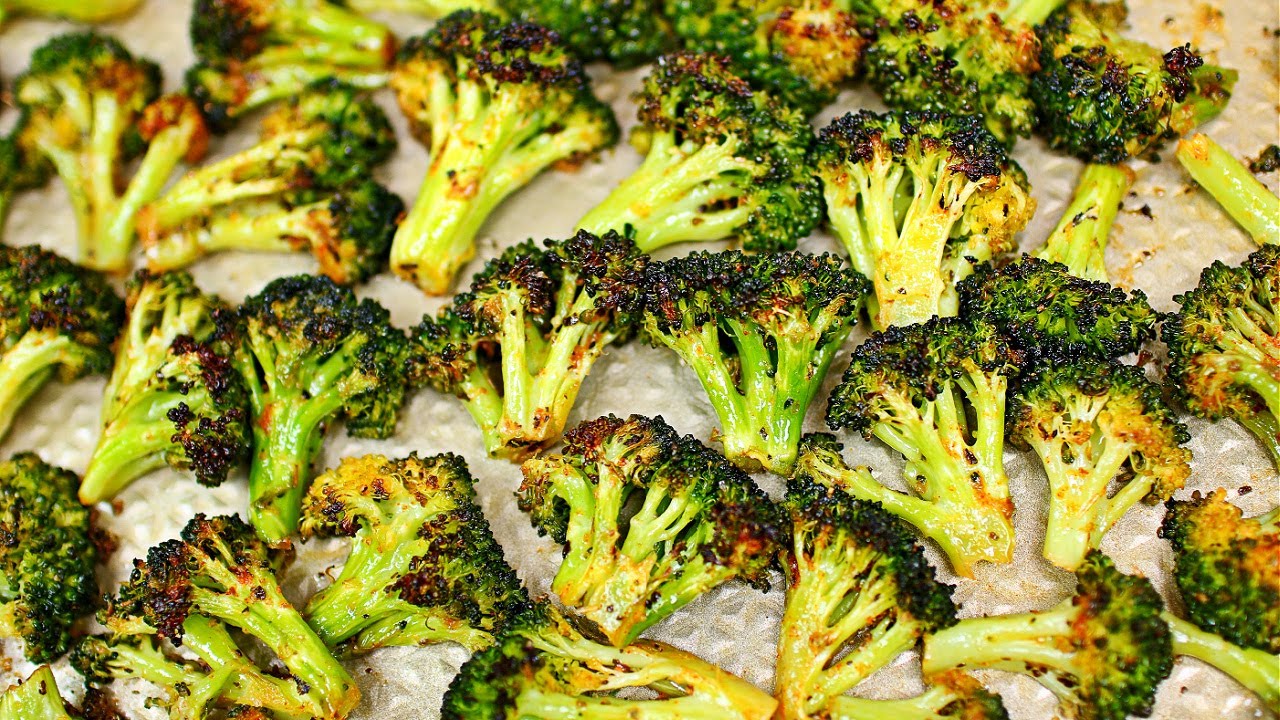
“Broccoli has a reputation problem, and it's entirely the fault of bad technique. Steamed into army-green submission, boiled until it smells like a school cafeteria, or microwaved into limp defeat — none of that is the broccoli's fault. Roast it at 425°F with enough oil and enough space on the pan, and you get something completely different: caramelized edges, a slightly nutty char, and florets that people actually reach for seconds of. The difference is heat, spacing, and knowing when to walk away.”
Why This Recipe Works
Broccoli is one of the most nutritionally dense vegetables on the planet and one of the most commonly ruined in home kitchens. The same cruciferous floret that gets boiled gray and pushed around plates with a fork becomes something genuinely craveable when you introduce it to a 425-degree oven with space to breathe. The transformation is not magic. It's thermodynamics.
Heat Is Everything
The Maillard reaction — the same browning chemistry responsible for seared steak, toasted bread, and roasted coffee — requires temperatures above 280°F at the food's surface. Boiled or steamed broccoli never gets there because water caps the maximum temperature at 212°F. No matter how long you steam it, you will never develop that nutty, complex, caramelized flavor. You need dry heat.
At 425°F, the surface moisture of the broccoli evaporates rapidly in the first few minutes. Once the surface is dry, the temperature climbs quickly into Maillard territory, browning the cut faces and charring the delicate tips. This is the flavor. The slightly bitter, nutty, smoky quality that makes people eat roasted broccoli straight off the pan — that's the Maillard reaction. You cannot get it any other way.
The Spacing Rule
Broccoli is about 89% water by weight. When it hits a hot oven, it releases that moisture as steam. If florets are packed together on the pan, the steam has nowhere to go — it pools around the vegetables and the oven is effectively steaming them from below, regardless of the air temperature above. Single layer, with visible gaps between each piece, is the only configuration that allows this moisture to escape and lets the surface dry out fast enough to brown.
This is also why a rimmed baking sheet is the right tool here. Dark sheet pans absorb radiant heat more efficiently and produce better browning than light-colored or insulated pans, which reflect heat. If your pan is thin, it will also develop hot spots — use a heavier gauge sheet if uneven browning is a recurring problem.
Cut-Side Down Logic
A broccoli floret has two distinct surfaces: the rounded dome of tight florets, and the flat cut face where you sliced through the stalk. The cut face has direct, flat contact with the hot sheet pan — it conducts heat faster and more evenly than the curved dome. Placing florets cut-side down maximizes the contact area between the highest-surface-area face and the hottest surface in the oven. The result is a flat, deeply caramelized base on every floret, which is where most of the flavor lives.
Garlic Management
Raw garlic burns at around 375°F — well below your target oven temperature. The reason the minced garlic in this recipe doesn't turn bitter and black is that it's coated in oil and pressed against the moisture-rich surface of a broccoli floret, not sitting exposed on hot metal. The broccoli acts as insulation. This is the same principle that allows you to roast garlic cloves whole — skin and moisture protect the interior from direct heat.
Toss the garlic in the bowl with the oil. Don't scatter it loose on the pan. The distinction matters.
The Lemon Finish
Acid applied immediately after roasting does something different than acid added before. Pre-roast lemon juice generates steam on the surface of the florets (more moisture — bad for caramelization) and the volatile aromatic compounds that make lemon smell bright and fresh degrade at high oven temperatures. Post-roast lemon juice hits the hot, slightly caramelized, slightly bitter surface of the broccoli and the contrast is immediate and clean: the acid cuts the richness of the olive oil, brightens the char, and pulls the whole dish together. Same ingredient, completely different result based solely on when you add it.
This recipe works because every decision — temperature, spacing, placement, seasoning timing — is made for a specific reason. Once you understand the reasoning, you can adapt it to any vegetable. The technique is the recipe.
Where Beginners Mess This Up
Before we start, read this. These are the 4 reasons your crispy roasted broccoli (the caramelized edge method) will fail:
- 1
Overcrowding the baking sheet: This is the single reason most roasted broccoli turns out soggy. When florets are packed together, moisture released during cooking has nowhere to go and the broccoli steams instead of roasts. Every floret needs an air gap around it. Use two pans if you have to — it's worth the extra dish.
- 2
Not drying the broccoli before oiling: Water on the surface of the florets turns to steam in the oven and — again — you get steamed broccoli. Pat every piece dry after washing. Moisture is the enemy of caramelization.
- 3
Roasting at too low a temperature: Anything below 400°F and the broccoli cooks through before the outside has time to brown. You need the aggressive, dry heat of 425°F to drive off surface moisture quickly and trigger the Maillard reaction. Do not go lower.
- 4
Forgetting to place florets cut-side down: The flat cut face has the most direct surface contact with the hot pan — that's where you get your best caramelization. Placing florets dome-up means the part with the most surface area is pointing at the oven ceiling instead of the sheet pan.
The Video Reference Library
Want to see it in action? Here are the exact videos we analyzed and combined to build this foolproof recipe translation:
The source video that demonstrates high-heat roasting technique, cut-side placement, and the visual cues for properly caramelized edges. Watch for the color benchmark at the 15-minute mark.
🛠️ Core Equipment
- Rimmed baking sheetThe rim keeps oil and small pieces from sliding off, and the sheet's flat surface gives florets maximum contact with the hot metal. Dark sheet pans brown faster — if yours is dark, check at 14 minutes.
- Clean kitchen towel or paper towelsFor drying the broccoli thoroughly after rinsing. This is not optional. Surface moisture prevents caramelization and produces steamed, not roasted, results.
- Large mixing bowlYou need enough room to actually toss the florets with oil and seasoning so every surface gets coated. A bowl that's too small means uneven seasoning and dry spots.
- Microplane or fine graterFor grating Parmesan finely enough that it melts into the hot broccoli on contact rather than sitting in clumps. Pre-grated cheese from a can does not behave the same way.
Crispy Roasted Broccoli (The Caramelized Edge Method)
🛒 Ingredients
- ✦1 large head fresh broccoli, cut into 1.5-inch florets
- ✦3 tablespoons extra virgin olive oil
- ✦4 cloves garlic, minced
- ✦1 teaspoon sea salt
- ✦1/2 teaspoon freshly ground black pepper
- ✦1/2 teaspoon garlic powder
- ✦1/4 teaspoon red pepper flakes
- ✦2 tablespoons grated Parmesan cheese, optional
- ✦1 tablespoon fresh lemon juice
- ✦1/2 teaspoon smoked paprika
👨🍳 Instructions
01Step 1
Preheat your oven to 425°F and position a rack in the upper-middle section for optimal browning.
02Step 2
Rinse the broccoli head thoroughly under cool water, then pat the florets completely dry with a clean kitchen towel.
03Step 3
Cut the broccoli into evenly sized 1.5-inch florets, discarding the thick woody stem or peeling and reserving it for soup.
04Step 4
In a large mixing bowl, toss the dry florets with olive oil until every surface is lightly coated.
05Step 5
Add minced garlic, sea salt, black pepper, garlic powder, and red pepper flakes. Toss again to distribute evenly.
06Step 6
Spread the florets in a single layer on a rimmed baking sheet, arranging each piece cut-side down with space between florets. Do not crowd.
07Step 7
Roast for 15 to 18 minutes, stirring once at the halfway point, until the florets develop golden-brown, crispy edges.
08Step 8
Remove from the oven and immediately drizzle with fresh lemon juice while still hot.
09Step 9
Sprinkle with Parmesan cheese and smoked paprika if using, then serve warm.
10Step 10
For maximum impact, finish with a pinch of fleur de sel and fresh cracked pepper at the table.
Nutrition Per Serving
Estimates based on standard preparation. Adjustments alter macros.
🔄 Substitutions
Instead of Extra virgin olive oil...
Use Avocado oil or ghee
Avocado oil has a higher smoke point and a neutral flavor — better choice if you want the broccoli flavor to stand on its own. Ghee adds a nutty richness and may improve absorption of fat-soluble vitamins like K and C in the broccoli.
Instead of Parmesan cheese...
Use Nutritional yeast or cashew parmesan
Nutritional yeast provides the same umami-savory quality with B vitamins and zero dairy. Use the same quantity. It won't melt the same way but the flavor hit is comparable.
Instead of Fresh lemon juice...
Use Apple cider vinegar or white wine vinegar
Use about two teaspoons instead of one tablespoon — vinegar is sharper than lemon. Apple cider vinegar adds a slightly fruity note; white wine vinegar is more neutral.
Instead of Red pepper flakes...
Use Cayenne pepper or fresh jalapeño slices
Cayenne is more potent — start with half the amount and adjust. Fresh jalapeño slices roasted alongside the broccoli add heat plus a fresh green brightness that dried flakes can't replicate.
🧊 Storage & Reheating
In the Fridge
Store in an airtight container for up to 4 days. The texture softens slightly but the flavor holds. Good cold on salads or grain bowls.
In the Freezer
Technically freezable for up to 2 months but not recommended — the florets lose their crisp texture and turn mushy on thaw. Make fresh instead.
Reheating Rules
Spread on a baking sheet and reheat at 400°F for 5-6 minutes. This is the only reheating method that restores any crispness. Microwave reheating produces soggy, limp results — avoid it.
❓ Frequently Asked Questions
Why is my roasted broccoli soggy instead of crispy?
Two causes, almost always in combination: the pan was too crowded and the broccoli wasn't dry before oiling. Wet florets steam before they can roast. Crowded florets trap moisture and can't release it. Fix both and the sogginess problem disappears.
Can I use frozen broccoli?
You can, but the results are noticeably inferior. Frozen broccoli has significantly higher water content from ice crystal formation inside the cell walls. You'd need to thaw it completely, pat it very dry, and roast it at 450°F — and even then, you'll get less caramelization than fresh florets. For this specific technique, fresh is worth it.
Do I need to blanch the broccoli before roasting?
No. Blanching is a pre-treatment that makes sense for some vegetables but works against you here. You want the surface of the broccoli to be as dry as possible going into a high-heat oven. Blanching adds water and softens the texture before roasting even starts.
When should I add the garlic so it doesn't burn?
Toss it in the bowl with the oil and florets so it adheres to the broccoli surface rather than sitting exposed on the metal pan. Garlic directly on the hot sheet pan in a 425°F oven will burn within the first 10 minutes. Garlic clinging to a floret is protected by the moisture in the broccoli itself.
How do I make this vegan?
Skip the Parmesan and use nutritional yeast instead — same savory umami quality, zero dairy. Everything else in the recipe is already plant-based. The nutritional yeast version is arguably better.
Can I add other vegetables to the same pan?
Yes, with caution. Vegetables with similar water content and roasting times work well alongside broccoli — cauliflower, Brussels sprouts, asparagus cut into thick pieces. Avoid high-water vegetables like zucchini or tomatoes in the same pan; they'll release liquid that steams the broccoli.
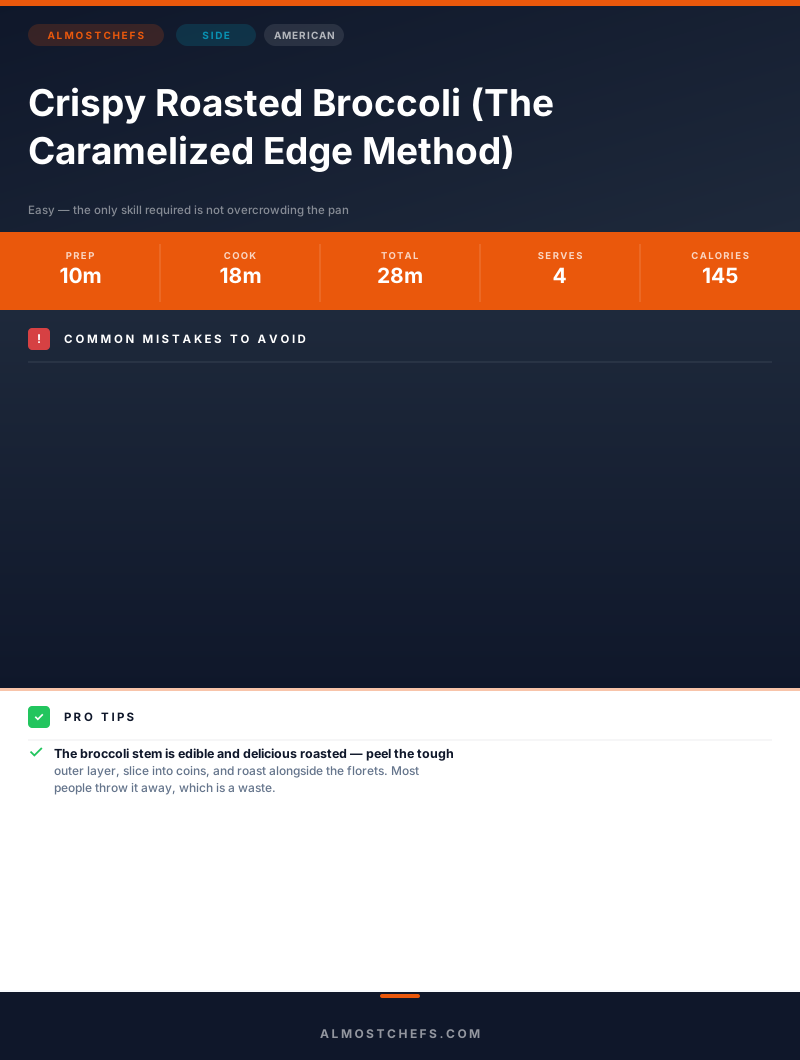
The Science of
Crispy Roasted Broccoli (The Caramelized Edge Method)
We turned everything on this page into a beautiful, flour-proof PDF cheat sheet. Print it out, stick it to your fridge, and never mess up your crispy roasted broccoli (the caramelized edge method) again.
*We'll email you the high-res PDF instantly. No spam, just perfectly cooked meals.
AlmostChefs Editorial Team
We translate the internet's most popular cooking videos into foolproof, beginner-friendly written recipes. We analyze multiple methods, test them in our kitchen, and engineer a single "Master Recipe" that gives you the best possible result with the least possible stress.