Crispy Roast Potatoes (The Fat and Heat Method)
Shatteringly crisp on the outside, fluffy and steaming on the inside — roast potatoes done the way they were meant to be done. We broke down every variable that separates a golden, craggy crust from a pale, soft disappointment and built one technique that works every time.
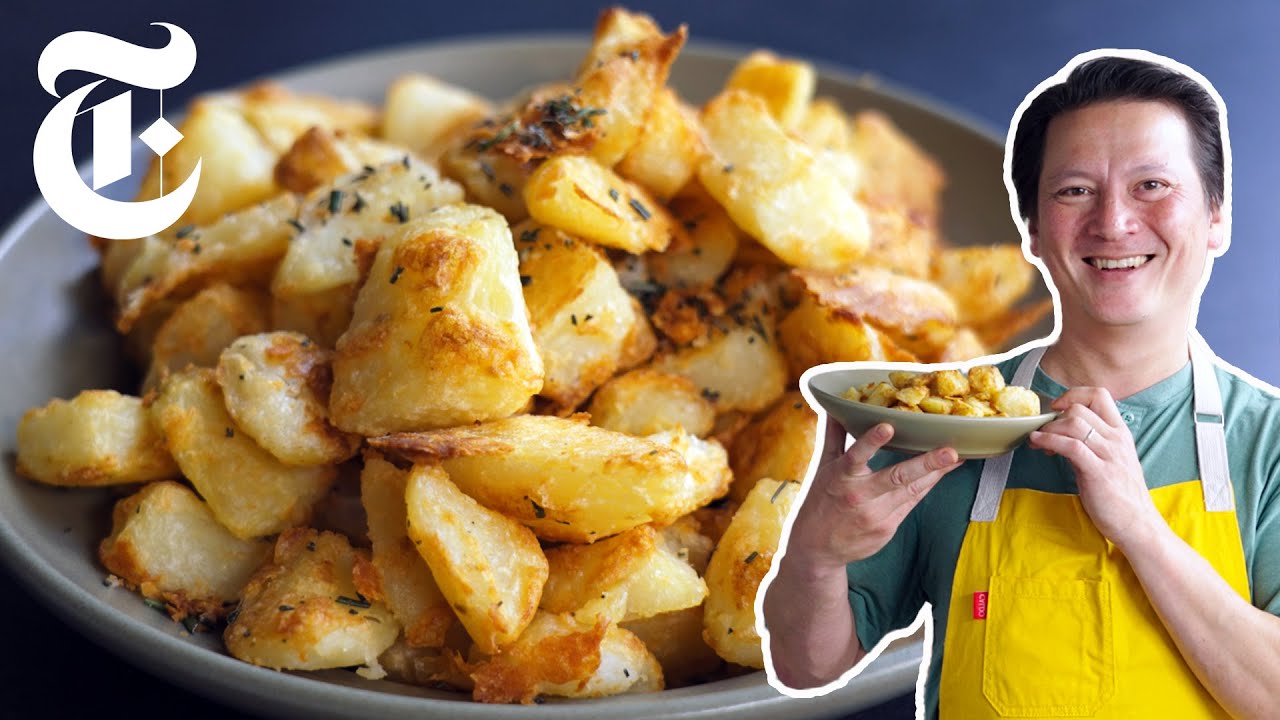
“Roast potatoes are the dish everyone thinks they know how to make. They are also the dish that arrives pale and limp to more tables than anyone admits. The difference between a potato that shatters when you bite it and one that bends is not seasoning, not variety — it's heat management and surface area. We analyzed every failure point to give you the one technique that produces a crispy, golden crust every single time.”
Why This Recipe Works
Roast potatoes are the most deceptively simple dish in British cooking. The ingredient list is four items. The concept — potato plus fat plus heat — is so straightforward that most people assume they already know how to do it. Most of them are wrong, and the evidence arrives at the table in the form of pale, soft potatoes that taste like they gave up somewhere between the parboil and the oven.
The gap between a forgettable roast potato and one that shatters audibly when you press it is not a mystery. It is a sequence of physical and chemical events that either happen correctly or don't, and understanding them tells you exactly where your current method is failing.
The Starch Architecture
Potato starch is your primary building material. High-starch varieties like Maris Piper and Yukon Gold contain large, loosely packed starch granules that absorb water rapidly during parboiling and then — critically — burst and expand when they hit the hot fat. This expansion is what creates the fluffy, almost foamy interior and the rough exterior that crisps so dramatically. Waxy potatoes have smaller, more tightly bound starch cells that don't burst and expand the same way. They roast into something perfectly pleasant and completely wrong for this application.
The baking soda in the parboil water addresses a specific problem: pectin. Pectin is the structural glue that holds plant cell walls together, and in its intact state it keeps the potato surface smooth and sealed. An alkaline environment (what baking soda creates) accelerates pectin breakdown at the surface while leaving the interior structurally sound. The result is a potato that emerges from the water with a rough, almost furry exterior — ideal material for fat absorption and crisping — while staying firm enough to hold its shape on the pan.
The Shake and the Surface
The shaking step is the most skipped, most important step in this recipe. After draining, you return the potatoes to the pot and agitate them aggressively. The soft, starchy edges of each chunk break apart and fold over themselves, creating a thick, craggy coating of roughed-up starch around the exterior. This is the architecture of the crust. Every ridge and valley you create at this stage becomes a point of contact with the hot fat, a potential spot for a Maillard reaction, a fragment of the eventual shattered crust that makes these potatoes worth the effort.
A fine-mesh sieve gives you more friction than a standard colander during the shaking process — the smaller holes catch the starch crumbles and create more resistance as you toss. It's a marginal advantage, but at this precision level, marginal advantages are the whole game.
The Fat and the Pan
The temperature of the fat when the potatoes enter the pan determines everything that follows. Cold or lukewarm fat soaks into the starch rather than instantly searing it. The potato absorbs the fat like a sponge, becomes greasy, and never achieves the structural crust you're building toward. The fat needs to be at the point where it's shimmering and beginning to smoke — hot enough that the potatoes sizzle loudly and visibly on contact.
A heavy roasting pan is not optional here. Thin pans warp under the sustained 425°F heat required for this method, creating uneven contact with the oven floor. Where the pan bows away from the heat, potatoes sit in pooled fat and steam rather than sear. Where the pan bows toward the heat, potatoes scorch before the interior is cooked through. A thick, heavy pan maintains flat contact and distributes heat evenly across the entire cooking surface.
Animal fats — duck fat, goose fat, beef dripping — all bring something olive oil cannot fully replicate: a dense, savory baseline flavor that penetrates the potato crust during roasting and leaves a lingering richness in every bite. This is why restaurant roast potatoes often taste categorically different from home versions made with vegetable oil. The difference is not technique — it's the fat.
The Oven Logic
High heat is not aggressive. At 425°F, the surface of the potato reaches crisping temperature quickly while the interior continues cooking gently from residual heat and steam. Lower temperatures try to achieve both simultaneously and achieve neither — you get a uniformly cooked potato with a soft, pale exterior that simply ran out of time to develop a crust.
The 25-minute mark before the first flip is not arbitrary. That's how long the base crust takes to fully set through Maillard reaction at this temperature. Flip early and you tear the crust away from the potato, taking your best texture with it. Wait for the crust, and the flip is effortless — the potato lifts cleanly off the pan surface and presents a deep, even golden shell ready for its final 20 minutes of crisping on the other side.
Serve within 15 minutes of coming out of the oven. The crust is a living thing — it continues absorbing ambient moisture as it cools, and the window of peak crispiness is shorter than you think.
Where Beginners Mess This Up
Before we start, read this. These are the 4 reasons your crispy roast potatoes (the fat and heat method) will fail:
- 1
Not parboiling long enough: The fluffier and more roughed-up the exterior of the potato before it hits the fat, the more surface area you create for crisping. Undercooked parboil produces a smooth, sealed surface that browns poorly. The potato should be genuinely soft at the edges — almost starting to fall apart — before you drain it.
- 2
Adding cold potatoes to cold fat: The fat must be screaming hot before the potatoes go in. Cold fat causes the potato surface to absorb it instead of searing against it. You want instant contact heat that immediately seizes the exterior. If the fat isn't smoking, wait. Every extra minute of preheat is worth it.
- 3
Overcrowding the roasting pan: Potatoes crammed together steam each other. Steam is the enemy of crispiness. Each potato piece needs clear space around it so moisture escapes upward rather than recirculating. Use two pans if you have to — a slightly awkward kitchen situation beats a soft potato.
- 4
Opening the oven too early: The crust needs uninterrupted high heat for the first 25 minutes to set. Opening the oven drops the temperature and releases the convective heat that's building the crust. Set a timer. Resist the urge to peek.
The Video Reference Library
Want to see it in action? Here are the exact videos we analyzed and combined to build this foolproof recipe translation:
The definitive walkthrough on fat temperature, parboil timing, and how to build the crust that makes these potatoes worth cooking.
A focused look at potato variety selection and why the starch content of your potato determines everything about the final texture.
Covers the shaking technique in detail with slow-motion footage showing exactly what the roughed-up potato surface looks like before it goes into the fat.
🛠️ Core Equipment
- Heavy roasting pan or rimmed baking sheetThin pans warp under high heat and create uneven contact with the oven floor, producing inconsistently crisped potatoes. A heavy-gauge pan maintains flat, even contact and holds heat better.
- Large saucepanFor parboiling. The pot needs to be large enough that the potatoes aren't stacked — they should have space to tumble when you shake them to rough up the edges.
- Fine-mesh sieve or colanderDraining and then aggressively shaking the potatoes while they're still hot and steaming is what creates the rough, craggy surface that crisps so dramatically. A colander with large holes doesn't create enough friction — a fine-mesh sieve lets you really toss them.
Crispy Roast Potatoes (The Fat and Heat Method)
🛒 Ingredients
- ✦2.5 pounds Maris Piper or Yukon Gold potatoes, peeled and cut into large chunks
- ✦4 tablespoons duck fat, goose fat, or beef dripping (or olive oil)
- ✦1 tablespoon flaky sea salt
- ✦1 teaspoon freshly ground black pepper
- ✦1 teaspoon garlic powder
- ✦1 tablespoon baking soda (for parboil water)
- ✦4 cloves garlic, unpeeled and lightly crushed
- ✦6 sprigs fresh rosemary
- ✦4 sprigs fresh thyme
- ✦Flaky sea salt for finishing
👨🍳 Instructions
01Step 1
Preheat the oven to 425°F (220°C). Place the roasting pan inside the oven while it preheats so the pan is fully hot when you add the fat.
02Step 2
Peel and cut the potatoes into even large chunks — roughly 2 to 3 inches. Uneven pieces cook at different rates. Larger is better here; small pieces can't develop a substantial crust before the interior overcooks.
03Step 3
Fill a large saucepan with cold salted water. Add 1 tablespoon of baking soda. Add the potato chunks and bring to a boil over high heat. Boil for 8-10 minutes until the edges are genuinely soft and beginning to fray.
04Step 4
Drain the potatoes thoroughly in a fine-mesh sieve. Let them steam-dry for 2 minutes — excess moisture in the pan causes steaming instead of searing.
05Step 5
Return the potatoes to the empty saucepan, cover with the lid, and shake vigorously for 20-30 seconds. The edges should be completely roughed up and fluffy-looking, almost like each piece has a fur coat of starch.
06Step 6
Remove the preheated roasting pan from the oven. Add the duck fat directly to the hot pan and return to the oven for 3-4 minutes until the fat is shimmering and smoking.
07Step 7
Carefully add the potatoes to the hot fat in a single layer. They should sizzle loudly on contact. Use tongs to turn each piece so all sides are coated in fat.
08Step 8
Scatter the crushed garlic cloves and rosemary and thyme sprigs around the potatoes.
09Step 9
Roast at 425°F for 25 minutes without opening the oven. Then flip each potato with tongs, baste with the pooled fat in the pan, and return to the oven for a further 20-25 minutes.
10Step 10
When the potatoes are deep golden-brown all over and visibly craggy, remove from the oven. Transfer to a wire rack or paper towel briefly to shed excess fat.
11Step 11
Season immediately with flaky sea salt while the potatoes are still hot. Serve within 15 minutes — roast potatoes do not wait gracefully.
Nutrition Per Serving
Estimates based on standard preparation. Adjustments alter macros.
🔄 Substitutions
Instead of Duck fat...
Use Extra-virgin olive oil
Produces a good crust with a lighter, more Mediterranean flavor. Smoke point is lower, so watch the oven temperature carefully — reduce to 400°F if the oil starts smoking excessively.
Instead of Maris Piper or Yukon Gold potatoes...
Use Russet (Idaho) potatoes
High-starch Russets roast excellently and are widely available. Cut them larger than you think you need — they shrink and soften more than Yukon Golds.
Instead of Fresh rosemary...
Use Fresh thyme or dried oregano
Fresh herbs always produce better flavor. If using dried, add them in the last 15 minutes of roasting so they don't burn and turn bitter.
Instead of Baking soda in parboil water...
Use Plain salted water
Skipping the baking soda still produces good roast potatoes — just not quite as dramatically craggy. The crust will be slightly smoother and less pronounced.
🧊 Storage & Reheating
In the Fridge
Store in an airtight container for up to 3 days. They lose their crispness but taste perfectly good cold or reheated.
In the Freezer
Freeze after roasting, fully cooled, for up to 1 month. Reheat straight from frozen in a 425°F oven for 20-25 minutes.
Reheating Rules
Best reheated in a hot dry skillet over medium-high heat for 5-7 minutes, turning frequently. An air fryer at 400°F for 6-8 minutes also works well. Avoid the microwave entirely.
❓ Frequently Asked Questions
Why aren't my roast potatoes getting crispy?
Three likely causes: the fat wasn't hot enough when the potatoes went in, you didn't rough up the surface enough after parboiling, or the pan was too crowded and the potatoes steamed each other. Run through all three checks before assuming it's a recipe problem.
Can I prepare roast potatoes in advance?
Yes — parboil, shake, and rough them up, then let them cool completely on a baking sheet in the fridge uncovered for up to 24 hours. The surface dries out further in the fridge, which actually improves crisping. Roast straight from cold when ready.
What's the best potato variety for roast potatoes?
High-starch, low-moisture varieties — Maris Piper in the UK, Yukon Gold or Russet in the US. Waxy potatoes like red bliss or fingerlings don't fluff at the edges during parboiling, so they can't develop the same crust. Save waxy varieties for potato salad.
Do I really need to add baking soda to the water?
Not strictly, but it makes a measurable difference. The alkaline water accelerates the breakdown of surface pectin on the potato, creating a rougher exterior that holds fat and crisps more aggressively. Testers who skipped it consistently got a slightly smoother, less dramatic crust.
Can I use an air fryer instead of an oven?
Yes, with adjustments. Air fry at 400°F for 20-25 minutes, shaking the basket every 8 minutes. You won't need as much fat — 1 tablespoon tossed with the potatoes before cooking is enough. The crust is excellent but different from oven-roasted — slightly drier and more uniform.
Why do my potatoes stick to the pan?
The crust isn't fully formed yet. A properly seared potato will release naturally when it's ready to flip — the same principle as searing meat. If it resists, give it another 3-4 minutes. Forcing the flip before the crust sets tears the surface and ruins the texture.

The Science of
Crispy Roast Potatoes (The Fat and Heat Method)
We turned everything on this page into a beautiful, flour-proof PDF cheat sheet. Print it out, stick it to your fridge, and never mess up your crispy roast potatoes (the fat and heat method) again.
*We'll email you the high-res PDF instantly. No spam, just perfectly cooked meals.
AlmostChefs Editorial Team
We translate the internet's most popular cooking videos into foolproof, beginner-friendly written recipes. We analyze multiple methods, test them in our kitchen, and engineer a single "Master Recipe" that gives you the best possible result with the least possible stress.