Fluffy Rice Pilaf (The Toast-First Method That Changes Everything)
A fragrant, perfectly separated rice pilaf built on the one step most home cooks skip: toasting the raw grains until they smell nutty. We reverse-engineered the technique to give you fluffy, flavorful rice every single time — no clumping, no mush, no guesswork.
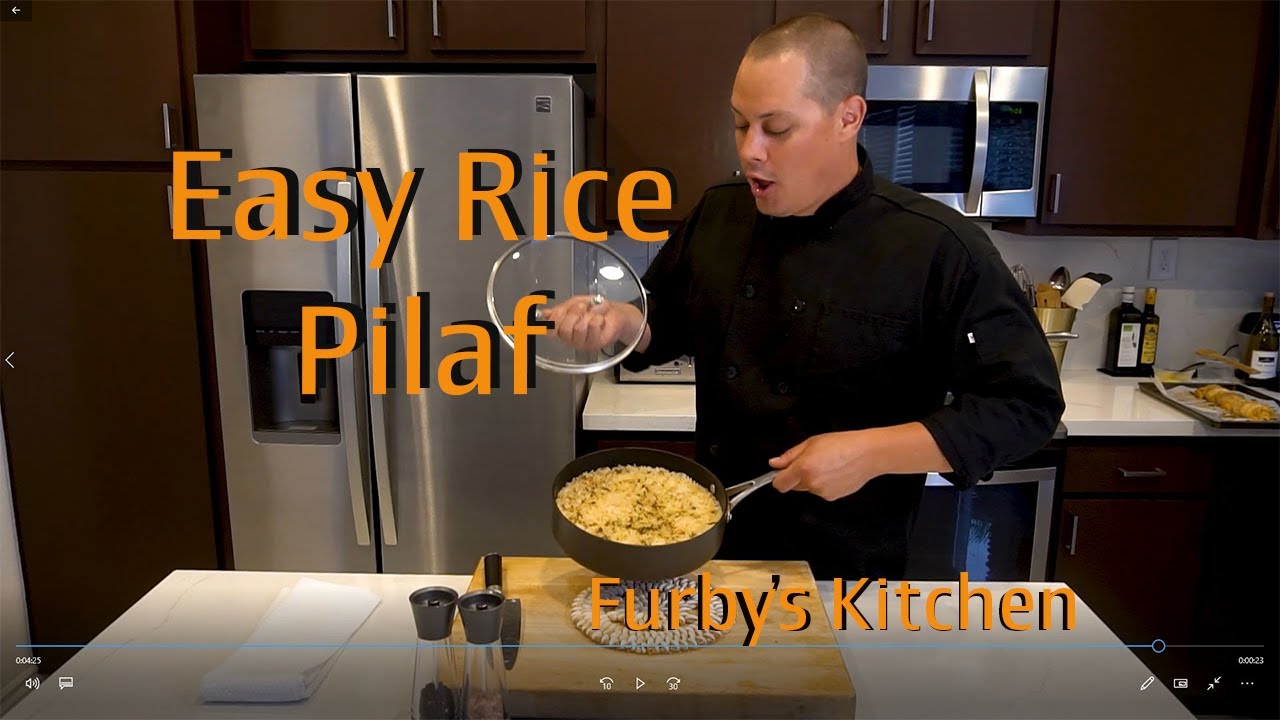
“Most rice pilaf recipes produce one of two outcomes: wet, sticky clumps, or dry grains that taste like nothing. The fix is embarrassingly simple — you're not toasting the rice long enough, or you're not doing it at all. Three to four minutes in hot oil, stirring constantly until the grains smell like popcorn, is the difference between a forgettable side dish and something that makes people reach for seconds.”
Why This Recipe Works
Rice pilaf is simultaneously one of the simplest and most misunderstood side dishes in the Western kitchen. It shows up on menus across a dozen cuisines — Middle Eastern, French, American, Turkish — and every version claims to be the authentic one. The specifics vary. The underlying physics don't. And most home cooks get the physics wrong.
The Toast Is the Recipe
Strip away the spices, the vegetables, the garnish — none of it matters if you don't toast the rice properly. This is not optional flavor enhancement. It is structural engineering.
When raw rice grains hit hot oil and sustained heat, the outer starch layer undergoes partial gelatinization. That thin, dry coating acts as a moisture barrier, allowing each grain to absorb liquid gradually and evenly during simmering. Without it, the grains suck up broth too fast and too unevenly — the outside turns to paste while the center is still firm, and you end up fluffing what is essentially a mass of small dumplings.
Three to four minutes in shimmering oil, stirring constantly. You're looking for a uniform pale gold color, like unbuttered popcorn. You're smelling for nuttiness — the same Maillard reaction that makes browned butter taste better than melted butter. If you pull the rice at the first hint of gold, you haven't gone far enough.
The Broth Decision
Water cooks rice. Broth builds a dish. Vegetable broth, particularly a good-quality low-sodium version, carries the cumulative flavor of everything that went into making it — onions, celery, carrots, bay leaves, peppercorns — and deposits all of it into the rice as it absorbs. The difference between pilaf made with water and pilaf made with proper broth is the difference between a blank canvas and a painting.
The ratio matters too. Two parts broth to one part rice is the standard, but your pan width and your stove's low-heat output affect how much liquid evaporates before the rice absorbs it. A wide, heavy saucepan with a tight lid retains moisture efficiently. A thin, too-wide pan on a powerful burner loses more to evaporation. Know your equipment and adjust by 2-3 tablespoons if needed.
Spice Architecture
Cumin and turmeric are doing different jobs here. Cumin brings warm, earthy depth — it's a savory anchor. Turmeric brings color and a faint bitterness that balances the richness of the oil and the sweetness of the onion. The bay leaf is slow-release aromatics that you'd never notice if they were present and would miss if they weren't.
All of these go into the pan with the garlic and onion, before the broth. Spices bloom in fat — the volatile oils that carry flavor dissolve into oil far more effectively than water. Adding them directly to the liquid means most of their aromatic compounds stay trapped in the spice particles instead of distributing through the dish.
The Vegetable Timing Problem
Carrots and peas added at the start of a 20-minute simmer are mush by the end. Both have cell structures that collapse quickly under sustained moist heat. The fix is annoyingly simple: add them in the last five minutes. Scatter them on top of the par-cooked rice, cover immediately, and let the steam do the work. They cook through without disintegrating, and their color stays vivid instead of turning army-drab.
The Rest Period Nobody Respects
Five minutes off heat, covered, is not a suggestion. It's the final step of a controlled cooking process. During simmering, the bottom layer of rice absorbs most of the liquid while the top layer cooks primarily from steam. The rest period allows moisture to migrate upward through capillary action, equalizing the texture from bottom to top. Cut it short and you get two different rice textures in the same pan.
When you finally fluff — always with a fork, never a spoon — you're separating grains that have had time to set their structure. The lemon juice and fresh herbs go in last, right before serving, so the acid doesn't dull the warm spice notes you've been building for the last half hour.
This dish works because every step has a reason. Honor the reasons.
Where Beginners Mess This Up
Before we start, read this. These are the 4 reasons your fluffy rice pilaf (the toast-first method that changes everything) will fail:
- 1
Skipping or rushing the toast: Toasting the raw rice in oil before adding any liquid is the single most important step in this recipe. The dry heat gelatinizes the outer layer of each grain, creating a protective coating that keeps the grains separate during cooking. Pale, under-toasted rice absorbs liquid unevenly and turns gummy. You want the grains visibly golden and the kitchen smelling like roasted nuts.
- 2
Lifting the lid during simmering: Once you've added the broth and covered the pot, the steam inside is doing the work. Every time you lift the lid, you drop the internal temperature and release the moisture the rice needs to finish cooking. The 15-minute simmer requires exactly zero supervision. Set a timer and leave it alone.
- 3
Skipping the rest period: Five minutes off heat, still covered, is not optional. The rice is still absorbing residual steam during this phase. Cut it short and the bottom grains are cooked through while the top grains are underdone. The rest period equalizes moisture from bottom to top.
- 4
Adding vegetables too early: Carrots and peas added at the start turn to mush. They go on top of the par-cooked rice with five minutes left. That's enough time to cook through without losing texture. The timing is engineered — don't fight it.
The Video Reference Library
Want to see it in action? Here are the exact videos we analyzed and combined to build this foolproof recipe translation:
The foundational walkthrough for this recipe. Demonstrates exactly how long to toast the rice and what color to look for before adding liquid.
🛠️ Core Equipment
- Heavy-bottomed saucepan with tight-fitting lidEven heat is everything in pilaf. A thin pan scorches the bottom before the top layer has time to cook. A [heavy saucepan](/kitchen-gear/review/saucepan) distributes heat evenly and holds a steady simmer without hot spots.
- Wide wooden spoon or silicone spatulaFor stirring the rice during toasting without scratching the pan. You need constant movement during those 3-4 minutes to ensure every grain makes contact with the hot oil.
- Fine-mesh sieveOptional, but rinsing the rice before toasting removes excess surface starch that contributes to clumping. Drain thoroughly — wet rice in hot oil spits.
- Fork for fluffingNever use a spoon to fluff cooked rice. Spoons compress the grains and undo the texture you just spent 40 minutes building. A [fork](/kitchen-gear/review/kitchen-fork) separates without crushing.
Fluffy Rice Pilaf (The Toast-First Method That Changes Everything)
🛒 Ingredients
- ✦2 tablespoons extra virgin olive oil
- ✦1 medium yellow onion, finely diced
- ✦3 cloves garlic, minced
- ✦1.5 cups long-grain white rice
- ✦3 cups vegetable broth
- ✦1 teaspoon kosher salt
- ✦0.5 teaspoon black pepper
- ✦0.5 teaspoon ground cumin
- ✦0.25 teaspoon turmeric
- ✦1 bay leaf
- ✦0.5 cup diced carrots
- ✦0.5 cup frozen peas
- ✦2 green onions, thinly sliced
- ✦2 tablespoons fresh parsley, chopped
- ✦1 tablespoon fresh lemon juice
- ✦0.25 teaspoon red pepper flakes (optional)
👨🍳 Instructions
01Step 1
Heat olive oil in a large saucepan over medium-high heat until shimmering, about 1 minute.
02Step 2
Add the diced yellow onion and sauté until softened and translucent, approximately 4 minutes.
03Step 3
Stir in the minced garlic and cook until fragrant, about 30 seconds.
04Step 4
Pour the rice into the pan and toast in the oil, stirring constantly, until the grains turn golden and smell nutty — roughly 3 to 4 minutes.
05Step 5
Pour the vegetable broth slowly into the toasted rice, then add salt, pepper, cumin, turmeric, and the bay leaf. Stir once to combine.
06Step 6
Bring to a gentle boil, then reduce heat to low, cover with a tight-fitting lid, and simmer undisturbed for 15 minutes.
07Step 7
Remove the lid, scatter the diced carrots and frozen peas across the top of the rice, then cover again and simmer for 5 more minutes.
08Step 8
Turn off the heat and let the pilaf rest, still covered, for 5 minutes.
09Step 9
Remove the bay leaf. Fluff the rice with a fork, separating the grains from the bottom up.
10Step 10
Stir in the sliced green onions, fresh parsley, and lemon juice. Adjust seasoning with additional salt or pepper, then serve warm with red pepper flakes if desired.
Nutrition Per Serving
Estimates based on standard preparation. Adjustments alter macros.
🔄 Substitutions
Instead of White rice...
Use Brown rice or wild rice blend
Nuttier, firmer texture. Add 5 extra minutes to the covered simmer and increase broth by 0.25 cups. The toast step becomes even more important for separating the denser grains.
Instead of Vegetable broth...
Use Low-sodium chicken broth or bone broth
Richer, more savory depth. Chicken broth pushes the dish away from vegan but adds complexity that plain vegetable broth can lack. Use low-sodium to control the final salt level.
Instead of Extra virgin olive oil...
Use Ghee or coconut oil
[Ghee](/kitchen-gear/review/ghee) raises the smoke point and adds a nutty dairy richness that complements the toasted rice particularly well. Coconut oil works but adds subtle sweetness — appropriate for some cuisines, odd for others.
Instead of Frozen peas...
Use Fresh broccoli florets or diced bell peppers
Bell peppers add sweetness and color. Broccoli adds earthiness. Both hold texture better than peas at the same 5-minute cook time. No timing adjustment needed.
🧊 Storage & Reheating
In the Fridge
Store in an airtight container for up to 4 days. The rice firms slightly as it cools — this is normal and reverses on reheating.
In the Freezer
Freeze in individual portions for up to 2 months. Spread on a sheet pan to cool completely before containerizing to prevent clumping.
Reheating Rules
Add 1 tablespoon of water per cup of rice, cover tightly, and warm on low heat for 5-7 minutes. Microwave works — cover with a damp paper towel and use 50% power to avoid drying out the grains.
❓ Frequently Asked Questions
Why is my rice pilaf sticky and clumped?
Two likely causes: you didn't toast the rice long enough, or you stirred it during the simmer phase. Toasting creates a starch barrier on each grain that prevents clumping. Stirring during cooking breaks that barrier and releases starch into the liquid. Toast until golden, then leave it completely alone.
Can I make pilaf without onion?
You can, but you're sacrificing a significant flavor layer. The sautéed onion builds the fond at the bottom of the pan that the broth picks up during deglazing. Without it, the dish tastes flat despite the spices. Shallots are a milder substitute if onion is the issue.
What's the right broth-to-rice ratio?
The standard is 2:1 — two parts broth to one part rice — but it varies slightly by pan width and stove strength. Wider pans lose more moisture to evaporation and may need an extra 2-3 tablespoons of broth. If your pilaf consistently comes out dry, add a splash more broth next time.
Can I add protein to turn this into a main dish?
Yes. Shredded rotisserie chicken stirred in after fluffing works well and requires no additional cooking. Chickpeas added with the broth create a complete vegetarian protein. Tofu cubes, pan-seared separately, can be folded in at the end.
Do I need to rinse the rice?
It helps but isn't mandatory. Rinsing removes surface starch that contributes to clumping in the final dish. If you're toasting aggressively and not stirring during simmering, you can skip it. If your rice consistently clumps despite correct technique, try rinsing.
Why does my pilaf taste bland even with all the spices?
You likely underseasoned the broth or skimped on the toast. Spices need fat to bloom — they go into the pan with the oil, onion, and garlic, not directly into the liquid. Also taste your broth before using it. Low-quality or no-sodium broth produces flat pilaf no matter how many spices you add.
The Science of
Fluffy Rice Pilaf (The Toast-First Method That Changes Everything)
We turned everything on this page into a beautiful, flour-proof PDF cheat sheet. Print it out, stick it to your fridge, and never mess up your fluffy rice pilaf (the toast-first method that changes everything) again.
*We'll email you the high-res PDF instantly. No spam, just perfectly cooked meals.
AlmostChefs Editorial Team
We translate the internet's most popular cooking videos into foolproof, beginner-friendly written recipes. We analyze multiple methods, test them in our kitchen, and engineer a single "Master Recipe" that gives you the best possible result with the least possible stress.