Perfect Rice and Beans (The Protein Pairing That Actually Works)
A complete protein powerhouse built from pantry staples — seasoned beans slow-cooked with aromatics, sofrito, and smoked spices, served over long-grain white rice that's cooked the right way. We analyzed the most popular YouTube methods to build one foolproof technique that nails the texture and depth every time.
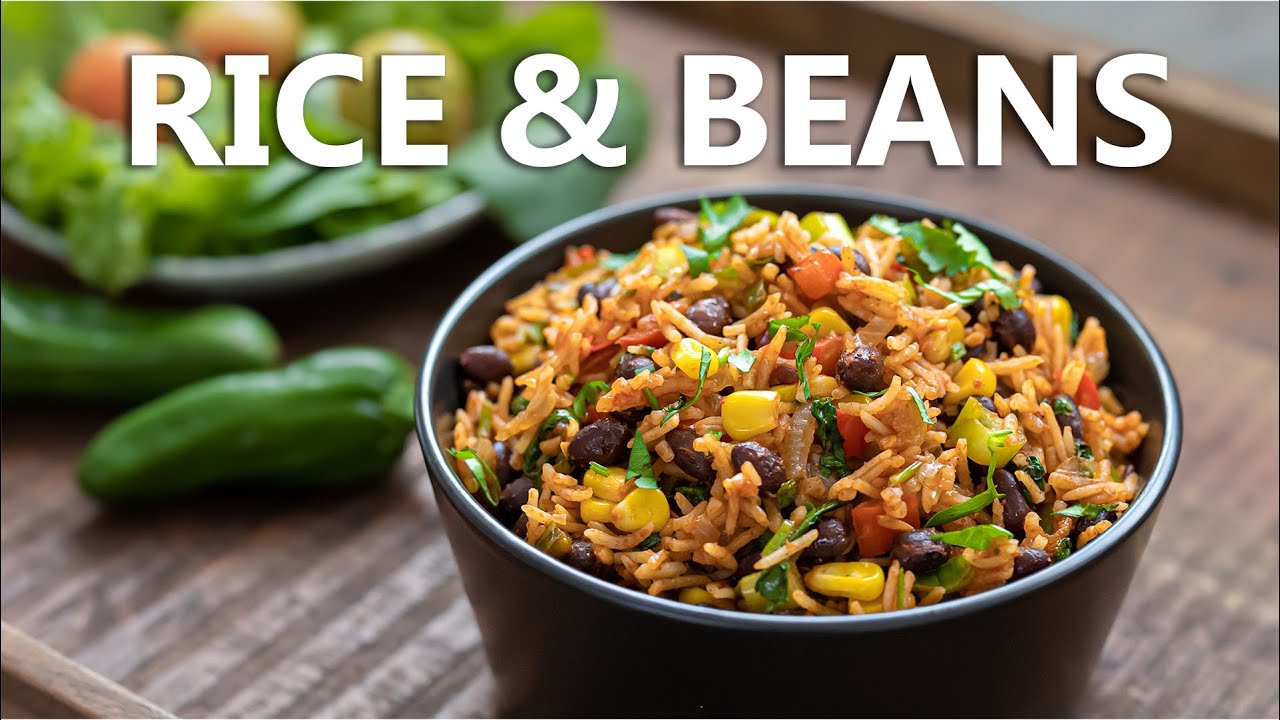
“Rice and beans is the most cooked dish on the planet. It is also the most ruined. Watery beans with no depth, gummy rice that clumps in the pot, aromatics that were added too late to do anything — these are not recipe failures, they are technique failures. The difference between forgettable rice and beans and the version that makes people lean back in their chair comes down to one thing: you have to cook the flavor in, not stir it in at the end.”
Why This Recipe Works
Rice and beans is the oldest complete meal in the human diet. It fed empires. It fueled the construction of civilizations. And every day, millions of home cooks produce versions of it that are so underseasoned and texturally incoherent that they reach for salt, hot sauce, anything — trying to fix at the table what should have been built into the pot. The problem is not the ingredients. It is the order of operations.
The Sofrito Foundation
Every good rice and beans starts before the beans. The aromatics — onion, bell pepper, garlic — need 5-6 minutes of sustained heat in oil before anything wet enters the pot. This step is called making a sofrito, and it is not optional decoration. During those minutes, the sharp sulfur compounds in raw onion and garlic volatilize off, and the natural sugars begin to caramelize through the Maillard reaction. The resulting base is sweet, savory, and deeply aromatic in a way that raw or barely cooked aromatics simply cannot replicate.
The spices go in after the sofrito, not before and not with the beans. Cumin, smoked paprika, and oregano are fat-soluble compounds — they need hot oil to release their volatile aromatic molecules. When you dump them directly into liquid, the water carries away the surface flavor before it has time to develop. Ninety seconds in hot oil after the aromatics, stirring continuously, is the difference between beans that taste seasoned and beans that taste like they have spices in them.
The Tomato Paste Moment
One tablespoon of tomato paste, stirred into the sautéed aromatics and spices for sixty seconds, does more for a pot of beans than a whole can of diced tomatoes. Tomato paste is already concentrated — its water has been cooked off, leaving behind pure glutamate-rich tomato solids. When you cook it directly in hot oil, the sugars in the paste caramelize and the color shifts from bright red to deep brick red. This is the Maillard reaction again, and it adds a savory, almost meaty undercurrent to the beans that no amount of late-stage seasoning can reproduce.
Do not skip this step. Do not substitute diced tomatoes and add them early instead. The concentration and the direct-heat caramelization are what matter here.
The Reduction Phase
Canned beans come in thin, starchy liquid that is nutritious but not saucy. Most home cooks drain and rinse canned beans, losing everything, then add them to plain water. Both approaches waste an opportunity. Here, the beans go in with broth and enough water to allow simmering, and the entire pot cooks uncovered for 20-25 minutes until the liquid thickens into something that coats the back of a spoon.
This is not boiling down — it's integrating. The bean starch that escapes through the skins during simmering dissolves into the liquid and acts as a natural thickener. The collagen-like compounds in the broth contribute body. The aromatics and spices concentrate as the water reduces. By the end, you have a cohesive sauce built from the same pot the beans cooked in, not a thin broth with beans floating in it. The difference in mouthfeel is not subtle.
The Rice Discipline
The absorption method for cooking rice is simple in principle and wrong in practice about sixty percent of the time because people interfere with it. The rule: boil, reduce, cover, timer, rest, fluff. That is the entire method. No stirring after the heat drops. No lid-lifting to check. No adding more water because it looks dry. The absorption method works because steam pressure builds inside a sealed pot and finishes cooking the top layer of rice without direct contact with the water below. Every time you break the seal, you collapse that pressure differential and the top grains stall out.
The resting phase — five minutes off heat, still covered — is where the final moisture redistributes from the wet bottom layer up through the drier top. Skip the rest and you get uneven texture, wet at the bottom, slightly underdone at the surface. Five minutes is not extra time. It is the last step of the recipe.
A heavy-bottomed pot is the single piece of equipment that makes everything else work. The bean sauce will not scorch. The aromatics will not burn in one spot while the rest of the pot stays cool. The heat distributes evenly, and every bite tastes the same as the last.
Where Beginners Mess This Up
Before we start, read this. These are the 4 reasons your perfect rice and beans (the protein pairing that actually works) will fail:
- 1
Not blooming the aromatics: Dumping sofrito or diced vegetables directly into beans without sautéing them first is the single biggest reason home rice and beans tastes flat. Raw garlic, onion, and peppers need 4-6 minutes in hot fat before liquids enter the pot. The heat drives off the harsh volatile compounds and builds the foundational savory layer that carries every other flavor in the dish.
- 2
Skipping the bean liquid reduction: After the beans are tender, most home cooks stop there. But the bean cooking liquid is a reservoir of starch and flavor that needs to be reduced by at least a third to become a cohesive sauce rather than thin soup. Simmer uncovered, stir occasionally, and watch the liquid thicken around the beans. This is what creates that glossy, coating consistency.
- 3
Washing the rice too little — or too much: Under-washed rice carries excess surface starch that turns the cooking water cloudy and sticky, producing clumped grains. Over-washed rice loses structural starch and cooks up dry and separate but bland. Two rinses under cold water until the water runs mostly clear is the target — not perfectly clear, just mostly.
- 4
Lifting the rice lid: Rice cooked by the absorption method requires an unbroken steam environment for the final 10 minutes. Every time you lift the lid to check, you drop the temperature and interrupt the steaming phase. The grains on top stay raw while the bottom overcooks trying to compensate. Set a timer and leave it alone.
The Video Reference Library
Want to see it in action? Here are the exact videos we analyzed and combined to build this foolproof recipe translation:
A precise, no-nonsense walkthrough of the sofrito-first method, showing exactly when to add each ingredient and how the bean liquid should look before you stop reducing. Clear close-ups of the aromatics at each stage.
Focused on building depth in canned beans — a technique most recipes ignore. Shows how smoked paprika and cumin change character when they hit hot oil versus when they're stirred in cold.
The definitive guide to absorption-method rice. Covers the rinsing protocol, the water ratio by rice type, and the resting phase that most home cooks skip entirely.
🛠️ Core Equipment
- Heavy-bottomed saucepan or Dutch ovenEven heat distribution prevents scorching the beans at the bottom while the top stays cold. Thin pots create hot spots that burn the sofrito and turn garlic bitter before the beans have had any time to cook.
- Fine-mesh sieveFor rinsing the rice under running cold water. Rinsing in the pot and draining by tilting leaves starch behind. The sieve lets you rinse thoroughly and drain completely in one move.
- Separate tight-lidded pot for riceRice and beans should cook in separate vessels. Cooking them together requires compromises in liquid ratios that make both worse. Use dedicated pots, plate together at the end.
- Wooden spoonFor scraping the fond off the bottom of the pot after sautéing the aromatics. That browned crust is pure flavor — deglaze it with the first splash of liquid and fold it into the beans.
Perfect Rice and Beans (The Protein Pairing That Actually Works)
🛒 Ingredients
- ✦1.5 cups long-grain white rice
- ✦2 cans (15 oz each) black beans or kidney beans, drained and rinsed
- ✦1 cup chicken or vegetable broth
- ✦1 cup water (for beans)
- ✦2.25 cups water (for rice)
- ✦1 medium yellow onion, finely diced
- ✦1 green bell pepper, finely diced
- ✦5 cloves garlic, minced
- ✦2 tablespoons olive oil
- ✦1 tablespoon tomato paste
- ✦1 teaspoon smoked paprika
- ✦1 teaspoon ground cumin
- ✦1/2 teaspoon dried oregano
- ✦1/4 teaspoon cayenne pepper
- ✦1 bay leaf
- ✦1/2 teaspoon kosher salt for beans, plus more to taste
- ✦3/4 teaspoon kosher salt for rice
- ✦Freshly ground black pepper
- ✦Fresh cilantro leaves, for serving
- ✦Lime wedges, for serving
👨🍳 Instructions
01Step 1
Rinse the rice in a fine-mesh sieve under cold running water, agitating with your hand, until the water runs mostly clear — about 2 rinses.
02Step 2
In a medium saucepan, bring 2.25 cups of water to a boil. Add 3/4 teaspoon kosher salt and the rinsed rice. Stir once, reduce heat to the lowest setting, cover tightly, and cook for 18 minutes. Do not lift the lid.
03Step 3
After 18 minutes, remove from heat and let the rice rest, still covered, for 5 minutes. Fluff with a fork before serving.
04Step 4
While the rice cooks, heat olive oil in a heavy-bottomed pot over medium heat. Add the diced onion and bell pepper. Sauté for 5-6 minutes until softened and the onion is translucent.
05Step 5
Add the minced garlic, smoked paprika, cumin, oregano, and cayenne. Stir continuously for 90 seconds until the spices are fragrant and darkened slightly.
06Step 6
Add the tomato paste and stir it into the aromatics for 1 minute until it deepens in color from bright red to brick red.
07Step 7
Scrape the bottom of the pot to release any browned bits. Add the drained beans, broth, 1 cup water, bay leaf, and 1/2 teaspoon salt. Stir to combine.
08Step 8
Bring to a boil, then reduce to a gentle simmer. Cook uncovered for 20-25 minutes, stirring occasionally, until the liquid has reduced by one-third and thickened into a light sauce that coats the beans.
09Step 9
Remove the bay leaf. Taste and adjust salt and pepper. The beans should taste fully seasoned on their own — under-seasoned beans cannot be saved at the table.
10Step 10
Serve the beans over or alongside the rice. Garnish with fresh cilantro and a lime wedge.
Nutrition Per Serving
Estimates based on standard preparation. Adjustments alter macros.
🔄 Substitutions
Instead of Black beans...
Use Kidney beans, pinto beans, or chickpeas
Each bean changes the flavor profile substantially. Kidney beans are earthier and sturdier. Pinto beans are creamier and milder. Chickpeas add a nutty sweetness. The technique is identical for all of them.
Instead of Chicken broth...
Use Vegetable broth or water with 1/2 teaspoon soy sauce
Vegetable broth works well for a fully plant-based version. The soy sauce addition adds the umami depth that chicken broth provides naturally.
Instead of Long-grain white rice...
Use Basmati or jasmine rice
Both are long-grain varieties and behave similarly. Basmati is drier and more aromatic. Jasmine is slightly stickier with a floral note. Reduce water by 2 tablespoons for jasmine due to its higher moisture content.
Instead of Olive oil...
Use Avocado oil or coconut oil
Avocado oil is neutral and high smoke point — essentially invisible in the final dish. Coconut oil adds a subtle sweetness that works well with black beans but can feel out of place with kidney beans.
🧊 Storage & Reheating
In the Fridge
Store rice and beans separately in airtight containers for up to 4 days. Combined storage leads to the rice absorbing bean liquid and becoming mushy by day two.
In the Freezer
Beans freeze exceptionally well for up to 3 months. Portion into 1-cup servings before freezing. Rice freezes adequately but loses some texture — acceptable if you're meal prepping.
Reheating Rules
Reheat beans in a small saucepan over medium-low heat with a splash of water or broth to loosen the sauce. Reheat rice in a covered microwave-safe bowl with a damp paper towel over the top — 90 seconds at 70% power.
❓ Frequently Asked Questions
Can I cook the rice directly in the beans to save a pot?
You can, but the result is a thick porridge rather than distinct rice and beans. The starch from the beans clouds the rice cooking water and the grains absorb unevenly. If you want a one-pot version, look for rice and bean stew recipes designed for it — the technique is entirely different.
Why are my beans still bland even after all this seasoning?
The most common cause is adding salt too early during bean cooking, which firms up the skins and prevents absorption — but since we're using canned beans, the issue is almost always insufficient reduction. If the liquid is thin and watery, it's diluting the seasoning. Reduce longer, then taste again.
Do I need to soak canned beans?
No. Canned beans are pre-cooked and pre-soaked during the canning process. You only soak dried beans, and for a dramatically different reason — to hydrate the raw legume before it can cook. Canned beans require only rinsing.
Why does my rice always come out clumpy?
Two causes: insufficient rinsing (excess surface starch), or too much water in the cooking ratio. Rinse until the water runs mostly clear, and make sure your water ratio is no higher than 1.5:1 for long-grain white rice. Also, never stir rice after it begins cooking — that activates starch and creates paste.
Is this actually a complete protein?
Yes. Beans are low in methionine and high in lysine. Rice is the inverse — high in methionine and low in lysine. Together they provide all nine essential amino acids in balanced proportions. This is not a coincidence — this pairing was independently discovered across dozens of cultures precisely because it works biologically.
Can I use dried beans instead of canned?
Yes, with a significant time investment. Soak 1 cup dried beans overnight in cold water. Drain and simmer in fresh water for 60-90 minutes until fully tender before beginning the sofrito step. You'll have better texture and a richer bean liquid, but it adds 2+ hours to the process.

The Science of
Perfect Rice and Beans (The Protein Pairing That Actually Works)
We turned everything on this page into a beautiful, flour-proof PDF cheat sheet. Print it out, stick it to your fridge, and never mess up your perfect rice and beans (the protein pairing that actually works) again.
*We'll email you the high-res PDF instantly. No spam, just perfectly cooked meals.
AlmostChefs Editorial Team
We translate the internet's most popular cooking videos into foolproof, beginner-friendly written recipes. We analyze multiple methods, test them in our kitchen, and engineer a single "Master Recipe" that gives you the best possible result with the least possible stress.