Foolproof Red Velvet Cheesecake (Two Classics, One Showstopper)
A dramatic dessert that fuses the tangy cocoa depth of red velvet cake with the dense, silky richness of New York-style cheesecake. We broke down the most-watched YouTube techniques to solve the cracking problem once and for all — and deliver a clean crimson slice every single time.
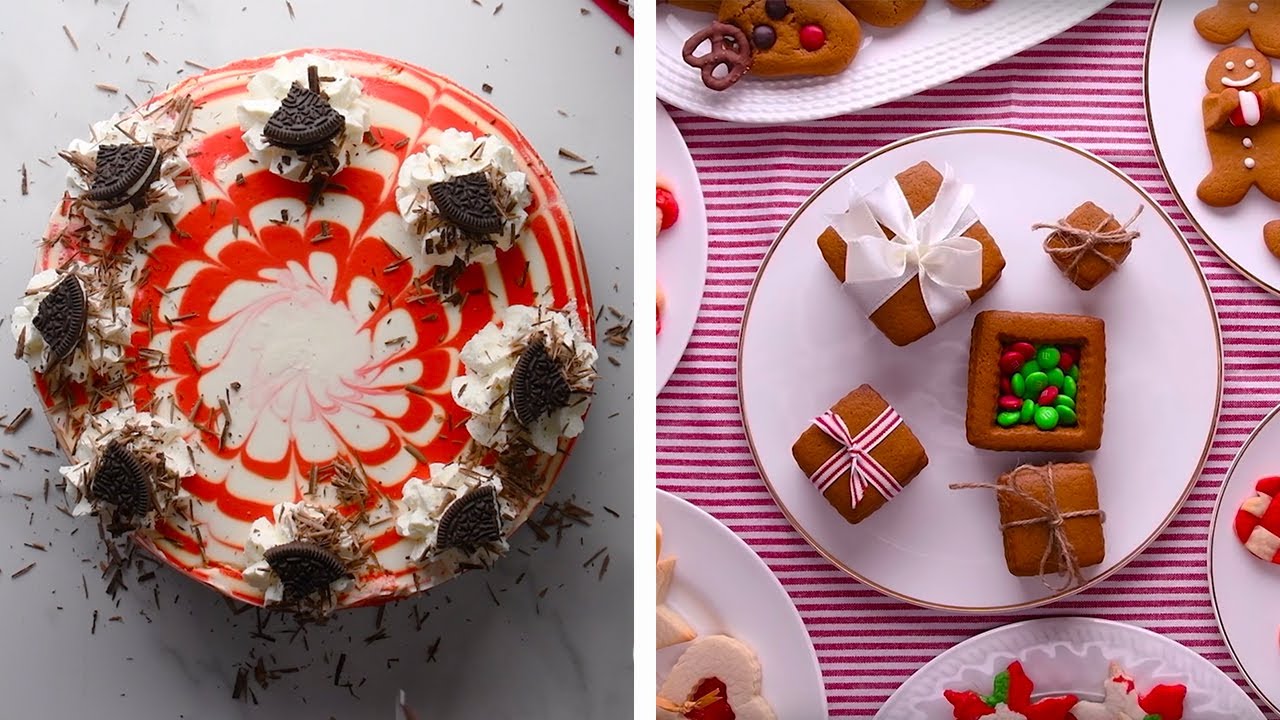
“Red velvet cheesecake looks like it belongs in a bakery case, and most home attempts end up looking like it came out of a car accident. Cracked tops, grey interiors, rubbery texture, color that fades to a muddy brick. None of these are bad luck. They are predictable failures with predictable causes. Get the water bath right, the cream cheese to room temperature, and the cooling schedule disciplined — and this becomes one of the most reliably impressive desserts you can make.”
Why This Recipe Works
Red velvet cheesecake sits at the intersection of two desserts that both have serious failure modes. Red velvet baked goods are famous for turning out dry, crumbly, and the approximate color of old brick. Cheesecakes are infamous for cracking, weeping, and developing the texture of refrigerated rubber. Combining them should double the ways this can go wrong. Instead, something interesting happens: the cheesecake method actually rescues red velvet from its worst tendencies, and the red velvet flavor gives the cheesecake a depth that plain New York-style cannot match.
The Cream Cheese Problem
The entire texture of this dessert lives or dies by the state of the cream cheese before it enters the mixer. Cold cream cheese — even cream cheese that has been sitting out for 20 minutes — contains fat crystals that have not fully loosened. When you beat cold cream cheese, those crystals break into small lumps that coat themselves in a thin film of protein. Once coated, they will not re-incorporate no matter how long you beat. They bake into dense, rubbery pockets distributed through the finished cheesecake.
Sixty minutes at room temperature is the threshold. At that point, the fat has relaxed into a fully plastic state — pliable, smooth, and ready to emulsify with the sugar, eggs, and dairy that follow. If your kitchen is cold (below 68°F), extend the rest to 75 minutes. The eggs and sour cream require the same treatment: cold eggs shock the batter and cause the fat in the cream cheese to seize and break. This is not a suggestion — it is the prerequisite for everything that follows working correctly.
The Water Bath Principle
Cheesecake is not a cake. It is a baked custard — a protein network set by heat, with fat suspended throughout. Custards require gentle, even, humid heat. A dry oven at 325°F has a desiccating effect on the exposed surface of the filling, pulling moisture upward while the interior is still liquid. The result is a skin on top that sets and contracts before the filling below has solidified enough to support it, and the resulting tension tears the surface.
A large roasting pan filled with an inch of boiling water solves this in two ways simultaneously. First, it caps the effective air temperature around the cheesecake at 212°F — the boiling point of water — regardless of what the oven thermostat says. Second, it saturates the oven air with steam, which prevents the surface of the cheesecake from drying. The outside of the filling sets gradually, at the same rate as the inside, and there is no stress differential to cause cracking.
Wrap the springform pan in two layers of heavy-duty foil before the water bath. Standard foil will allow seepage. The seepage ruins the crust and adds unwanted water to the filling. Heavy-duty foil, pressed tight against the pan's exterior and folded up above the waterline, is a complete seal.
Why Red Velvet Works Inside a Cheesecake
Classic red velvet cake is a cocoa cake leavened with buttermilk and vinegar. The leavening gives it a light crumb, but that same lightness makes it prone to drying out — there is not much fat or moisture in the structure once the air bubbles bake off. In cheesecake form, the cream cheese, sour cream, and eggs replace the structural role of flour and baking soda entirely. The result is a filling that is exponentially more moist and rich than any red velvet layer cake, while still carrying the distinctive tangy cocoa flavor that defines the style.
Dutch-process cocoa is non-negotiable here. Natural cocoa is acidic, and the red gel dye reacts with acid — it's the same anthocyanin chemistry that makes natural cocoa-based red velvets turn brown in the oven. Dutch-process cocoa is alkalized to a neutral pH, which locks the red pigment in place and keeps the interior a clean, vivid crimson through the full bake. Check the tin before you buy.
The Cooling Architecture
Most cheesecake failures happen after the oven door opens, not before. The cheesecake needs to cool in three distinct stages, and each stage is doing different work. The first stage — oven off, door cracked, 60 minutes — lets the residual heat in the water bath and the oven cavity finish cooking the center without any new heat input. The gradual temperature drop prevents the thermal shock that causes surface contraction.
The second stage — wire rack, room temperature, 90 minutes — allows the water bath warmth to fully dissipate and the structure to stabilize before refrigeration. Putting a warm cheesecake directly into the refrigerator creates condensation on the surface and the same thermal stress the oven-cool was designed to prevent.
The third stage — refrigeration for at least six hours — is where the cheesecake actually sets. The proteins in the eggs and cream cheese firm as they cool, and the fat crystals in the cream cheese re-solidify into a dense, sliceable matrix. Cut before this is complete and you will have a filling that smears, collapses, and buries the clean red interior under a layer of visual chaos. The overnight rest is the easiest step in the entire recipe. It requires you to do nothing except wait. Do it.
Where Beginners Mess This Up
Before we start, read this. These are the 4 reasons your foolproof red velvet cheesecake (two classics, one showstopper) will fail:
- 1
Cold cream cheese: Cold cream cheese does not fully incorporate into the batter. It leaves lumps that bake into dense, rubbery pockets and prevents the custard from setting evenly. Every block of cream cheese must sit at room temperature for a full hour before you even open the mixer. There is no shortcut — not even a microwave.
- 2
Overmixing after adding eggs: Eggs introduce air into the batter when beaten. Air expands in the oven, causes the cheesecake to rise dramatically, then collapses on cooling — and that collapse is what creates cracks. Once the eggs go in, mix on the lowest speed and stop the moment they are incorporated. Five extra seconds of mixing can split the top.
- 3
Skipping the water bath: Cheesecake is a custard. Custards set gently at low, even heat with humidity. A dry oven bakes the edges too fast, creating a temperature gradient from edge to center that tears the filling. The water bath holds the oven temperature at an even 325°F and keeps enough moisture in the air to prevent the surface from drying and cracking. It is not optional.
- 4
Cutting before fully chilled: Cheesecake does not finish setting in the oven. It sets during the refrigeration phase, when the proteins and fats cool and firm into their final structure. Slicing before 6 hours in the fridge — ideally overnight — produces a filling that smears, collapses, and hides the clean red-and-white cross-section that makes this dessert visually worth making.
The Video Reference Library
Want to see it in action? Here are the exact videos we analyzed and combined to build this foolproof recipe translation:
The definitive walkthrough for this specific combination — covers the water bath setup, the right consistency for the red velvet base, and exactly what the finished filling should look and feel like before it goes in the oven.
A focused deep-dive on the cooling and setting science behind cheesecake. Explains why the gradual oven-cool and refrigeration phases matter as much as the bake itself.
Covers the chemistry of red velvet — the cocoa-vinegar-buttermilk reaction, how gel food coloring behaves under heat, and why the color stays vivid in some bakes and turns muddy in others.
🛠️ Core Equipment
- 9-inch springform panThe removable sides are essential for releasing the cheesecake without destroying the crust or cracking the edges. A regular cake pan will trap the dessert. Wrap the outside in two layers of heavy-duty foil before the water bath to prevent seepage.
- Stand mixer or hand mixerCream cheese needs sustained, even beating to break down completely before the eggs go in. A whisk by hand will not achieve a lump-free texture at room temperature, and will certainly introduce too much air after the eggs are added.
- Large roasting panFor the water bath. The springform pan must sit inside a roasting pan with at least 1 inch of hot water surrounding it. A standard 9x13 works — anything shallower than 2 inches risks the water evaporating before the cheesecake is done.
- Offset spatulaFor spreading the red velvet layer evenly over the crust and smoothing the cheesecake top before baking. A clean, flat top going into the oven gives you a clean, flat top coming out.
Foolproof Red Velvet Cheesecake (Two Classics, One Showstopper)
🛒 Ingredients
- ✦2 cups finely crushed Oreo cookies (about 22 cookies, filling included)
- ✦4 tablespoons unsalted butter, melted
- ✦3 blocks (8 oz each) full-fat cream cheese, room temperature
- ✦1 cup granulated white sugar
- ✦3 large eggs, room temperature
- ✦1/2 cup full-fat sour cream, room temperature
- ✦1/4 cup heavy whipping cream
- ✦2 tablespoons Dutch-process cocoa powder
- ✦1 tablespoon red gel food coloring
- ✦1 teaspoon pure vanilla extract
- ✦1 teaspoon white wine vinegar
- ✦1/2 teaspoon fine sea salt
- ✦1 cup heavy whipping cream (for topping)
- ✦3 tablespoons powdered sugar (for topping)
- ✦1 teaspoon pure vanilla extract (for topping)
- ✦Red velvet cake crumbles or red sprinkles, for garnish (optional)
👨🍳 Instructions
01Step 1
Remove all cream cheese, sour cream, and eggs from the refrigerator. Let them sit at room temperature for 60 full minutes before beginning.
02Step 2
Preheat the oven to 325°F. Wrap the outside of a 9-inch springform pan tightly in two layers of heavy-duty aluminum foil, covering the base and extending up the sides. This prevents water from seeping in during the water bath.
03Step 3
Combine the crushed Oreo cookies and melted butter in a bowl and mix until the crumbs are evenly moistened. Press firmly into the bottom of the prepared springform pan in an even layer using the bottom of a measuring cup. Refrigerate while you make the filling.
04Step 4
In the bowl of a stand mixer fitted with the paddle attachment, beat the cream cheese on medium speed for 3-4 minutes until completely smooth with zero lumps. Scrape the bowl and paddle thoroughly.
05Step 5
Add the granulated sugar and beat on medium for 2 more minutes. Add the sour cream, heavy cream, cocoa powder, vanilla extract, and white wine vinegar. Mix on low until just combined.
06Step 6
Add the red gel food coloring and mix on low until the color is evenly distributed throughout the batter. The batter should be a deep, uniform crimson. Taste and adjust coloring if needed — the color will lighten slightly during baking.
07Step 7
Add the eggs one at a time, mixing on the lowest speed after each addition until just barely incorporated. Stop the mixer the moment each egg disappears into the batter. Do not overmix.
08Step 8
Add the sea salt and give the batter one final fold with a rubber spatula, scraping the bottom of the bowl to catch any unmixed flour or cocoa.
09Step 9
Pour the filling over the chilled Oreo crust. Smooth the top with an offset spatula. Tap the pan gently on the counter 5-6 times to release any large air bubbles.
10Step 10
Place the foil-wrapped springform pan inside a large roasting pan. Pour boiling water into the roasting pan until it reaches 1 inch up the sides of the springform. Carefully transfer to the oven.
11Step 11
Bake at 325°F for 75-85 minutes. The cheesecake is done when the edges are set and matte but the center 3 inches still jiggles like firm Jell-O when you gently shake the pan. Do not wait for the center to look set — it will continue cooking from residual heat.
12Step 12
Turn the oven off. Crack the oven door open 2 inches using a wooden spoon. Let the cheesecake cool inside the oven for 60 minutes. This gradual temperature drop prevents the surface from contracting too fast and cracking.
13Step 13
Remove the cheesecake from the water bath and set on a wire rack. Run a thin knife around the inside edge of the pan to release any stuck edges. Cool to room temperature — about 90 more minutes — then cover loosely and refrigerate for at least 6 hours, preferably overnight.
14Step 14
Before serving, whip the heavy cream, powdered sugar, and vanilla to stiff peaks. Pipe or spoon dollops around the perimeter of the cheesecake. Garnish with red velvet crumbles or red sprinkles if desired.
15Step 15
Release the springform ring. Slice with a sharp knife dipped in hot water and wiped clean between each cut.
Nutrition Per Serving
Estimates based on standard preparation. Adjustments alter macros.
🔄 Substitutions
Instead of Full-fat cream cheese...
Use Vegan cream cheese (Violife or Kite Hill)
Viable dairy-free swap. Use the same room-temperature rule — cold vegan cream cheese lumps even worse than dairy. Expect a slightly less dense texture and a subtly different tang.
Instead of Sour cream...
Use Full-fat Greek yogurt
Nearly identical function — both add tang and moisture. Greek yogurt produces a marginally lighter texture. Do not use low-fat versions of either; the reduced fat content causes the filling to weep after slicing.
Instead of Oreo crust...
Use Graham cracker crust with 1 tablespoon cocoa powder added
More neutral flavor that lets the cheesecake filling lead. Slightly crumblier than Oreo. Add 1 extra tablespoon of butter to compensate for the lower fat content of graham crackers.
Instead of Red gel food coloring...
Use Beet powder (2-3 tablespoons)
Natural alternative that produces a deep magenta rather than true red. The flavor is neutral in small amounts. The color fades slightly during baking — start with 3 tablespoons and adjust. Expect a darker, more burgundy result.
🧊 Storage & Reheating
In the Fridge
Store tightly covered or in an airtight container for up to 5 days. The flavor and texture peak on days 2 and 3. Keep away from strong-smelling foods — cream cheese absorbs odors readily.
In the Freezer
Freeze individual slices on a parchment-lined tray until solid, then transfer to freezer bags. Keeps for up to 2 months. Thaw in the refrigerator overnight — never at room temperature, which causes condensation and a wet, rubbery surface.
Reheating Rules
Cheesecake is served cold. There is no reheating step. If slices were frozen, thaw in the refrigerator for 8 hours before serving.
❓ Frequently Asked Questions
Why did my cheesecake crack on top?
Almost certainly overmixing after the eggs were added, or skipping the gradual cooling step. Overmixing aerates the batter, which expands in the oven and collapses on cooling — tearing the surface. The gradual oven-cool (door cracked, heat off, 60 minutes) prevents the rapid temperature drop that contracts the edges faster than the center can follow.
Can I make this without a water bath?
Technically yes, practically no. Without a water bath, the oven air is dry and hot. The edges bake and set in 30 minutes while the center is still raw. This temperature gradient creates an enormous stress on the filling as the edges try to pull inward before the center can support them. The result is always a cracked, uneven texture. The water bath takes two extra minutes to set up. Use it.
My red color turned dark or brownish during baking — what happened?
One of two issues: either you used liquid food coloring instead of gel (which dilutes and fades under heat), or the cocoa powder is natural rather than Dutch-process. Natural cocoa is more acidic and reacts with the red dye to produce a brownish tone. Dutch-process cocoa is alkalized, which neutralizes this reaction and keeps the red vivid. Check your cocoa tin — it should specifically say 'Dutch-process' or 'alkalized.'
How do I know when the cheesecake is done if I don't have a thermometer?
The jiggle test: hold the sides of the pan and give it a firm but gentle lateral shake. The outer 2-3 inches should be completely still and matte. The center 3 inches should wobble like a thick custard or firm Jell-O — a cohesive, slow jiggle, not a liquid slosh. If the entire surface moves like water, it needs more time. If nothing moves at all, it's overbaked.
Can I make this ahead for a party?
This is one of the best make-ahead desserts in existence. Bake it the night before, refrigerate overnight, and add the whipped cream topping no more than 2 hours before serving. The cheesecake itself holds beautifully for 5 days refrigerated. Do not add the whipped topping more than a few hours in advance — it will weep and deflate.
Does the vinegar make the cheesecake taste sour?
No. One teaspoon of white wine vinegar in a batter this size contributes no perceptible sourness. It serves the same function it does in classic red velvet cake — it reacts with the cocoa and activates the leavening properties of the other dairy ingredients, contributing to the tender crumb and deepening the cocoa flavor. You will not taste it. You will, however, taste the difference if you leave it out.

The Science of
Foolproof Red Velvet Cheesecake (Two Classics, One Showstopper)
We turned everything on this page into a beautiful, flour-proof PDF cheat sheet. Print it out, stick it to your fridge, and never mess up your foolproof red velvet cheesecake (two classics, one showstopper) again.
*We'll email you the high-res PDF instantly. No spam, just perfectly cooked meals.
AlmostChefs Editorial Team
We translate the internet's most popular cooking videos into foolproof, beginner-friendly written recipes. We analyze multiple methods, test them in our kitchen, and engineer a single "Master Recipe" that gives you the best possible result with the least possible stress.