Copycat Red Lobster Shrimp Scampi (Better Than the Restaurant)
Tender shrimp sautéed in a silky garlic-butter-white wine sauce with fresh herbs and lemon — a faithful homemade recreation of Red Lobster's most-ordered dish, ready in 25 minutes with less fat and sodium than the original.
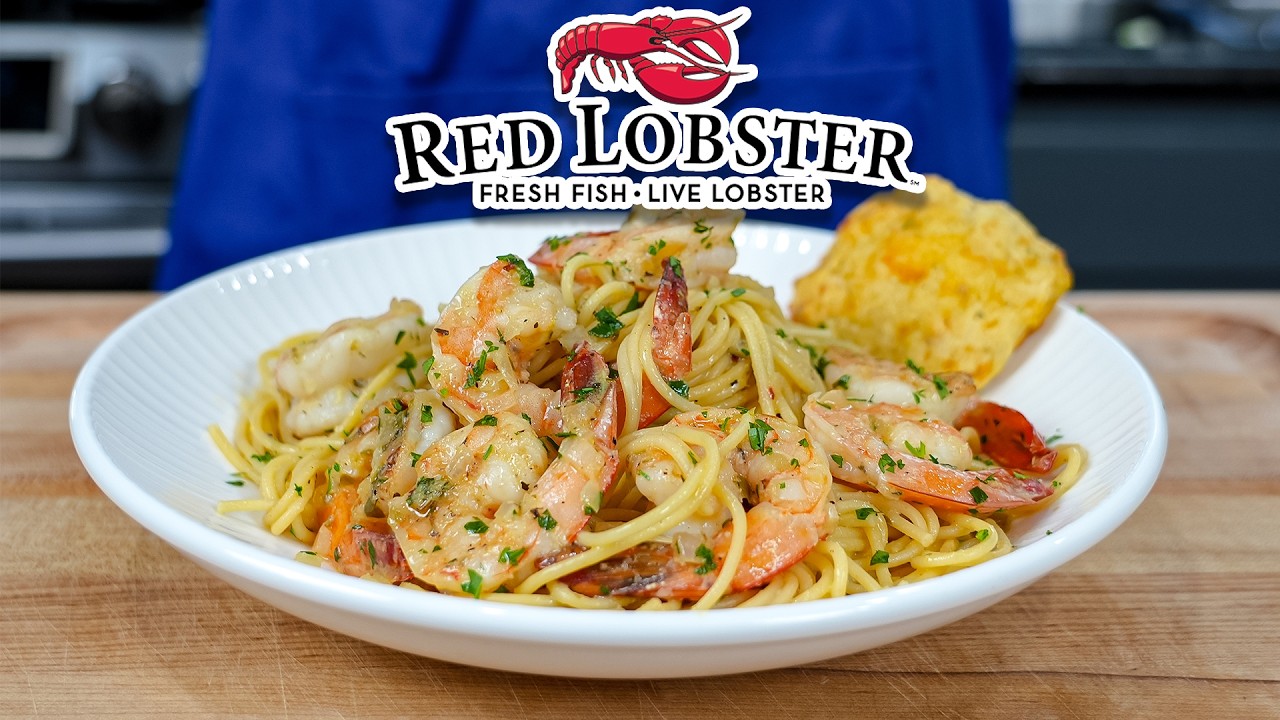
“Red Lobster's shrimp scampi has been on the menu since 1968 and it's never left because the formula works: big shrimp, absurd amounts of garlic, butter, white wine, lemon. The problem is the restaurant version clocks in at 1,240mg of sodium per plate. This recreation keeps the flavor architecture intact — same garlic depth, same buttery gloss, same bright acid finish — and cuts the sodium nearly in half without touching what makes the dish worth ordering in the first place.”
Why This Recipe Works
Red Lobster's shrimp scampi is not a complicated dish. It is butter, garlic, white wine, and lemon applied to shrimp with enough competence to make you feel like the $22 was worth it. The reason most home attempts fall short is not missing ingredients — it's missing technique. Three things kill homemade scampi before the first bite: wet shrimp, impatient garlic, and sauce that never gets a chance to concentrate.
The Sear Problem
Shrimp are roughly 75% water by weight. Every drop of surface moisture that goes into the pan becomes steam, and steam prevents browning. The Maillard reaction — the same chemical process that makes seared steak taste different from boiled chicken — requires dry surface contact with a hot pan. Wet shrimp never achieve it. They cook, but they don't sear. The result is pale, slightly rubbery shrimp sitting in a watery pan liquid instead of a concentrated buttery sauce.
The fix costs you nothing: paper towels and 30 seconds. Dry every surface of every shrimp before they go anywhere near heat. The difference in the finished dish is substantial enough that this is worth treating as a rule, not a suggestion.
Why the Split Fat Works
Four tablespoons of straight butter is how the restaurant version achieves its indulgent richness — and also how it accumulates 14 grams of saturated fat per plate. The butter-olive oil split solves two problems simultaneously. Olive oil's higher smoke point prevents the butter from burning during the shrimp sear, when the pan is hottest. And the monounsaturated fats in olive oil replace some of the saturated fat without touching the sauce's luxurious mouthfeel. The sauce still coats the pasta and shrimp in that glossy, clingy way scampi should. It's just not actively trying to cause cardiovascular events while doing it.
The Garlic Window
Eight cloves of minced garlic is not excessive for this dish — it's the point of the dish. But minced garlic at medium heat has a roughly 45-second window between "fragrant and perfect" and "bitter and ruined." The key is understanding that you're not trying to cook the garlic. You're trying to bloom it — to heat it just enough that its sulfur compounds convert into the mellow, savory sweetness that defines scampi. The wine goes in immediately after that window closes. Not a minute later. The liquid stops the cooking and pulls all that garlic flavor into the sauce.
This is why the instructions say to stay at the pan. Not because it's dramatic. Because the garlic will not wait for you to check your phone.
Deglaze or Waste
After the shrimp sear, the bottom of your stainless skillet is coated in fond — the browned, caramelized proteins and sugars left behind by the sear. This is concentrated flavor. The white wine dissolves it and pulls it back into suspension. Skip this step and you're cooking with a clean pan, which is a waste of the best thing the shrimp left you.
Use a wooden spoon and scrape deliberately. Every bit of fond that lifts off the bottom goes directly into the sauce.
The Return Method
Returning slightly undercooked shrimp to a reducing sauce at the end is the correct technique, not a shortcut. It accomplishes two things: it finishes the shrimp to perfect doneness using gentle residual heat, and it allows the shrimp to absorb the sauce as they complete cooking. Shrimp cooked all the way through before hitting the sauce sit on top of it. Shrimp that finish in the sauce become part of it. That's the difference between shrimp scampi that tastes integrated and shrimp scampi that tastes like parts.
Fresh parsley and basil go in off the heat. Heat destroys their volatile aromatic compounds in under a minute. The lemon zest goes on at the very end, over the finished plate — same principle. These are not garnish decisions. They are flavor architecture decisions. Respect the sequence and the dish rewards you with a brightness that no amount of extra butter can replicate.
Where Beginners Mess This Up
Before we start, read this. These are the 4 reasons your copycat red lobster shrimp scampi (better than the restaurant) will fail:
- 1
Overcooking the shrimp: Shrimp cook in under 2 minutes per side. The moment they curl into a tight C-shape and turn fully opaque, they're done. Leave them in the pan another 30 seconds and you have rubber. Pull them early — they'll finish in the sauce when you return them at the end.
- 2
Not drying the shrimp before cooking: Wet shrimp steam instead of sear. Patting them dry with paper towels before they hit the pan is the difference between shrimp with a light golden crust and shrimp that look boiled. Takes 30 seconds. Non-negotiable.
- 3
Burning the garlic: Eight cloves of minced garlic in hot butter goes from fragrant to bitter in under a minute. The heat should be medium, not high, and you need to stir constantly for the full 30-45 seconds. Burnt garlic ruins the entire sauce and there's no fixing it — you have to wipe the pan and start over.
- 4
Skipping the deglaze: The browned bits stuck to the bottom of the pan after searing the shrimp are concentrated flavor. The white wine dissolves them and pulls them back into the sauce. If you add the wine and immediately stir in something else, you've left half the flavor behind.
The Video Reference Library
Want to see it in action? Here are the exact videos we analyzed and combined to build this foolproof recipe translation:
The source video for this recipe. Demonstrates the sear-and-return method clearly, with good close-ups of the garlic timing and sauce consistency.
🛠️ Core Equipment
- Large stainless steel or cast iron skilletYou need a pan that gets hot enough to sear shrimp without crowding. Nonstick pans inhibit the browning that creates those flavorful pan drippings the deglaze depends on.
- Wooden spoon or silicone spatulaFor deglazing and stirring garlic without scratching your pan. Metal utensils on a hot stainless pan are fine, but wood gives you more control during the delicate garlic-cooking phase.
- Microplane or fine zesterLemon zest on top at the end is not garnish — it's a second hit of lemon flavor without added acid. A microplane produces featherlight zest that melts into the dish; a box grater produces wet clumps that don't.
- Paper towelsFor drying the shrimp. Sounds trivial. Changes everything about how the shrimp cook.
Copycat Red Lobster Shrimp Scampi (Better Than the Restaurant)
🛒 Ingredients
- ✦2 pounds large shrimp, peeled and deveined
- ✦3 tablespoons butter, divided
- ✦2 tablespoons extra virgin olive oil, divided
- ✦8 cloves garlic, minced
- ✦1/2 cup dry white wine
- ✦1/4 cup fresh lemon juice
- ✦2 tablespoons chicken broth
- ✦1/4 teaspoon red pepper flakes
- ✦1/4 teaspoon sea salt
- ✦1/8 teaspoon black pepper
- ✦2 tablespoons fresh parsley, chopped
- ✦1 tablespoon fresh basil, chopped
- ✦1 teaspoon fresh thyme
- ✦1/2 teaspoon Italian seasoning
- ✦Zest of 1 lemon
- ✦1/2 teaspoon paprika
- ✦Pasta of choice, cooked, for serving
👨🍳 Instructions
01Step 1
Pat the shrimp completely dry with paper towels and season lightly with sea salt and black pepper on both sides.
02Step 2
Heat a large skillet over medium-high heat. Add 1 tablespoon butter and 1 tablespoon olive oil. Once the butter is melted and foaming, add the shrimp in a single layer.
03Step 3
Cook shrimp 1-2 minutes per side until they just begin to turn pink and form a light crust. Remove to a plate — they should be slightly underdone at this point.
04Step 4
Reduce heat to medium. Add the remaining 2 tablespoons butter and 1 tablespoon olive oil to the same skillet.
05Step 5
Add the minced garlic and red pepper flakes. Sauté for 30-45 seconds, stirring constantly, until fragrant but not browned.
06Step 6
Pour in the white wine and use a wooden spoon to deglaze the pan, scraping up all the browned bits from the bottom.
07Step 7
Add the fresh lemon juice, chicken broth, Italian seasoning, and thyme. Stir to combine.
08Step 8
Simmer the sauce for 2-3 minutes until the liquid reduces slightly and the flavors meld.
09Step 9
Return the shrimp to the skillet and gently toss to coat with the sauce. Cook for 1 minute to finish.
10Step 10
Remove from heat. Stir in the fresh parsley and basil. Taste and adjust with additional salt, pepper, or lemon juice.
11Step 11
Divide cooked pasta among serving bowls. Spoon shrimp and sauce over the top.
12Step 12
Garnish with lemon zest and a light dusting of paprika. Serve immediately.
Nutrition Per Serving
Estimates based on standard preparation. Adjustments alter macros.
🔄 Substitutions
Instead of Butter...
Use Vegan butter or additional olive oil
Loses the dairy richness but still produces a cohesive sauce. Vegan butter emulsifies better than straight olive oil for a glossier finish.
Instead of Dry white wine...
Use Chicken broth + 2 tablespoons white wine vinegar
A solid alcohol-free swap. The vinegar mimics the acidity and tangy depth of white wine without the alcohol. Don't use apple cider vinegar — too sweet.
Instead of Large shrimp...
Use Sea scallops or large prawns
Scallops need a slightly longer initial sear (2-3 minutes per side) and should not be returned to the sauce — the texture breaks down. Finish the sauce separately and spoon over.
Instead of Fresh herbs (parsley, basil, thyme)...
Use 1.5 teaspoons Italian herb blend
Dried herbs work in a pinch but add them to the sauce 30 seconds earlier than fresh — dried herbs need heat time to bloom. The dish loses some brightness.
🧊 Storage & Reheating
In the Fridge
Store shrimp and sauce separately from the pasta in an airtight container for up to 2 days. Combined, the pasta absorbs the sauce overnight and the shrimp texture degrades.
In the Freezer
Not recommended. Shrimp become watery and grainy after freezing in a butter-wine sauce. Make only what you'll eat.
Reheating Rules
Low heat in a skillet with a splash of chicken broth or water to loosen the sauce. 2-3 minutes, stirring gently. Do not microwave — it turns the shrimp rubbery immediately.
❓ Frequently Asked Questions
Why do my shrimp come out rubbery?
Overcooked. Shrimp need 1-2 minutes per side maximum, and they finish in the sauce for one more minute. Total cook time should be under 5 minutes. If they're rubbery, they stayed in the pan too long — likely because the heat was too low and they steamed instead of searing, which extends the time needed and gives you more opportunities to accidentally overdo it.
What white wine should I use?
Dry and cheap. Pinot Grigio, Sauvignon Blanc, or an unoaked Chardonnay all work. You're using half a cup — don't open something expensive. Avoid anything labeled 'cooking wine,' which contains added salt that will throw off your seasoning.
Can I make this without pasta?
Absolutely. The shrimp and sauce are excellent over crusty bread, cauliflower rice, zucchini noodles, or on their own as an appetizer. The sauce is the star — pasta is just one vehicle for it.
How do I keep the garlic from burning?
Medium heat, not medium-high. Constant stirring. Add the wine within 45 seconds of adding the garlic — don't give it more time than it needs. If your garlic turns brown or smells bitter, you have to start over. There is no saving burnt-garlic sauce.
Is this actually similar to Red Lobster's version?
The flavor profile is very close — same garlic-butter-lemon foundation, same tender shrimp. The texture is slightly different: the restaurant version uses more butter for a heavier, richer sauce. This version is silkier and brighter, which most people prefer once they've had both.
Can I use frozen shrimp?
Yes, but thaw them completely and dry them aggressively. Frozen shrimp retain more water, so you may need to use more paper towels and let them sit for a few minutes after drying. Shrimp that go into the pan even slightly wet will not sear properly.
The Science of
Copycat Red Lobster Shrimp Scampi (Better Than the Restaurant)
We turned everything on this page into a beautiful, flour-proof PDF cheat sheet. Print it out, stick it to your fridge, and never mess up your copycat red lobster shrimp scampi (better than the restaurant) again.
*We'll email you the high-res PDF instantly. No spam, just perfectly cooked meals.
AlmostChefs Editorial Team
We translate the internet's most popular cooking videos into foolproof, beginner-friendly written recipes. We analyze multiple methods, test them in our kitchen, and engineer a single "Master Recipe" that gives you the best possible result with the least possible stress.