Better Than Red Lobster Garlic Shrimp Scampi (In 27 Minutes)
Plump seared shrimp in a buttery white wine garlic sauce with lemon, fresh herbs, and just enough heat. We broke down the most-watched copycat methods to build a cleaner version that matches the restaurant flavor — without the sodium bomb or the drive.
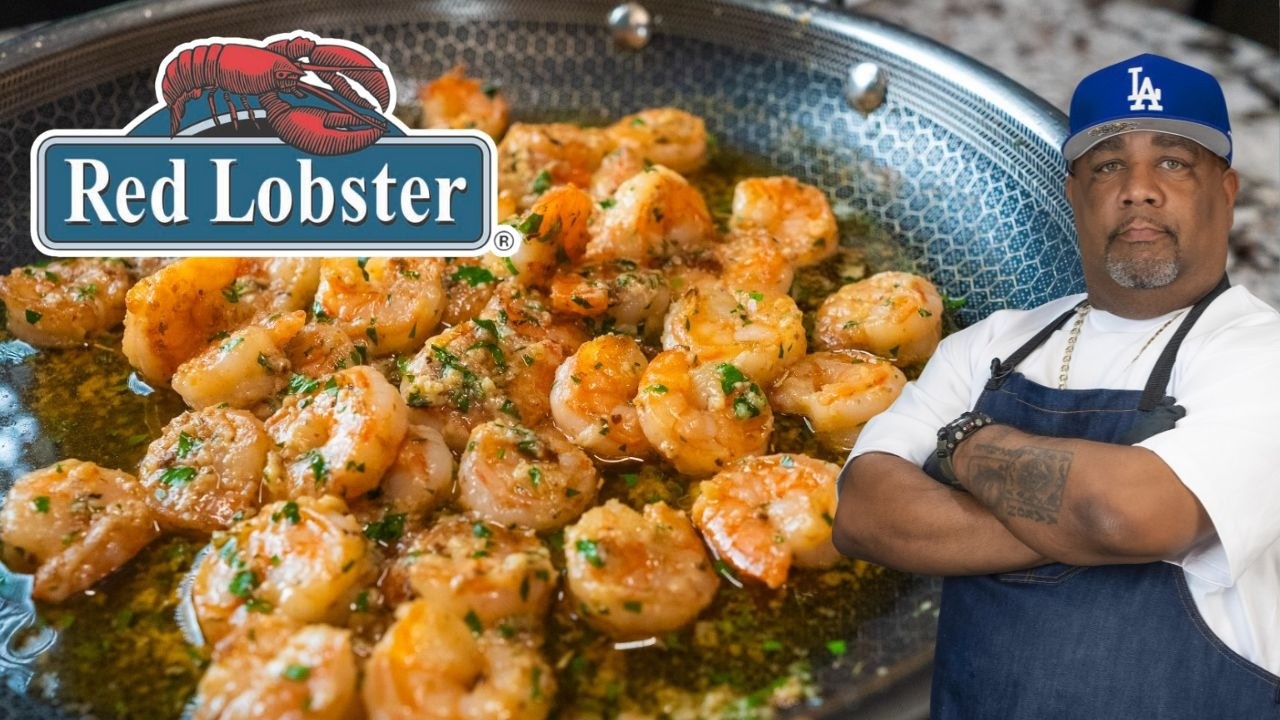
“Red Lobster's Garlic Shrimp Scampi is one of the most-ordered dishes in American chain dining. It's also one of the easiest things you can make at home — and the restaurant version carries nearly 700mg of sodium per serving. This recipe rebuilds that signature buttery garlic sauce from the ground up: same depth, cleaner ingredients, and a pan sauce that actually clings to the shrimp instead of pooling at the bottom of the bowl.”
Why This Recipe Works
Shrimp scampi is not a complex dish. It has seven minutes of actual cooking. It has one pan. It has a sauce built from things that are already in your pantry. The reason most home versions fall flat isn't technique — it's sequencing. Get the order right, and the dish basically makes itself.
The Sear Is the Foundation
Every flavor in this dish traces back to the two minutes the shrimp spend in hot oil. A dry surface plus a screaming-hot stainless steel skillet creates the Maillard reaction — the same browning chemistry behind seared steak and toasted bread — and in doing so, generates a layer of fond on the bottom of the pan. That fond is not stuck residue. It is concentrated, caramelized protein and fat, and when you hit it with white wine, it lifts immediately into the sauce and becomes the flavor base for everything that follows.
This is why you cannot use a non-stick pan. Non-stick coatings keep the fond from forming. You sear the shrimp, they slide off clean, and when you add the wine there's nothing to deglaze. The sauce tastes flat because it is flat — you cooked off the foundation before you had a chance to use it.
Garlic: Two Speeds, Two Roles
This recipe uses garlic in two completely different ways, and both are essential. The minced garlic goes into the hot oil early, cooking quickly into the sauce where it mellows, sweetens, and infuses the butter and wine with a deep, roasted character. The thinly sliced raw garlic goes on as garnish at the very end, uncooked, where it delivers a sharp, pungent bite that hits your palate first.
Those two garlic notes — mellow and cooked at the base, sharp and raw on top — are what make the dish taste like it has more going on than it actually does. One-dimensional garlic shrimp uses only the cooked version. Scampi uses both.
The Sauce Architecture
A proper scampi sauce is an emulsion: fat and water held in suspension by the proteins and starches in the pan. Butter provides fat and a touch of dairy richness. White wine provides acid and aromatic depth. Lemon juice sharpens the acidity. Broth adds body without adding alcohol. The cornstarch slurry — added at the end — tightens everything into a glossy, clingy sauce that stays on the shrimp instead of pooling at the bottom of the plate.
The critical variable is heat. Add cold butter to a boiling liquid and it separates instead of emulsifying — you end up with greasy pools floating on thin wine. The fix: reduce heat to medium before the butter goes in. Let it melt slowly and whisk as it incorporates. The sauce should look unified and slightly opaque, not broken and shiny.
The Lemon Moment
Lemon juice and lemon zest are not interchangeable. The juice provides tartness and acid. The zest — the colored outer rind, microplaned directly over the finished dish — provides the aromatic citrus oils that give scampi its brightness and make it smell like a restaurant kitchen rather than a Tuesday night. Those oils are volatile; they dissipate almost immediately when heated. This is why the zest goes in off the heat, at the very end, right before the plate.
A microplane does this job cleanly. A box grater tears the rind and bruises more than it zests, and you risk including bitter white pith. If you don't have a microplane, use a vegetable peeler to remove thin strips, then mince finely with a knife.
Why This Version Beats the Original
The Red Lobster version runs approximately 680mg of sodium per serving before the pasta. This version comes in around 450mg — not because we stripped the seasoning, but because we replaced the excess table salt with herbs de Provence and fresh thyme, which add complexity rather than just salinity. The substitution of half the butter with olive oil drops saturated fat while preserving the richness the sauce needs. None of these are sacrifices. The dish is better because of them.
Twenty-seven minutes. One pan. This is Tuesday dinner, not a project.
Where Beginners Mess This Up
Before we start, read this. These are the 4 reasons your better than red lobster garlic shrimp scampi (in 27 minutes) will fail:
- 1
Burning the garlic: Garlic goes from fragrant to acrid in about 15 seconds over high heat. The moment you add it to the oil, your window is short. Keep the heat at medium-high, not screaming hot, and have the shrimp ready to go in immediately after. Burned garlic cannot be rescued — you have to start the sauce over.
- 2
Overcooking the shrimp: Shrimp cook in under two minutes per side. The second they curl into a tight C and turn fully pink and opaque, they're done. Leave them a second longer and they turn rubbery. The trick: pull them off heat slightly before they look finished. Residual heat in the pan does the rest when you return them to the sauce.
- 3
Wet shrimp that won't sear: Moisture is the enemy of a good sear. If you skip patting the shrimp completely dry, they steam instead of sear, and you lose the caramelized exterior that gives the dish its depth. Paper towels, firm press, both sides — non-negotiable.
- 4
Sauce that's too thin: A scampi sauce should coat a spoon, not run off it. The cornstarch slurry tightens the sauce just enough without making it gluey. Add it slowly while stirring and stop as soon as you hit a silky consistency. Overcorrecting with too much slurry turns the sauce into a cream of garlic situation.
The Video Reference Library
Want to see it in action? Here are the exact videos we analyzed and combined to build this foolproof recipe translation:
The source video for this recipe's technique. Solid walkthrough of the sear-and-deglaze method with clear guidance on sauce consistency.
🛠️ Core Equipment
- Large stainless steel or cast iron skilletYou need a pan that can hold high heat for searing the shrimp without dropping temperature when the cold shrimp hit the surface. Non-stick doesn't get hot enough and won't give you the fond — the browned bits you deglaze with wine.
- TongsFlipping shrimp one by one with tongs is faster and more precise than a spatula. Speed matters when your cook window is 90 seconds per side.
- Microplane or fine zesterThe lemon zest at the end is not decoration — it's a bright citrus punch that lifts the whole sauce. A microplane gets the zest without the bitter white pith. A box grater bruises more than it zests.
- Small bowl for slurryWhisking the cornstarch and water separately before adding to the pan prevents clumping. Adding dry cornstarch directly to a hot liquid creates lumps that no amount of stirring will dissolve.
Better Than Red Lobster Garlic Shrimp Scampi (In 27 Minutes)
🛒 Ingredients
- ✦1.5 pounds large shrimp, peeled and deveined
- ✦3 tablespoons extra virgin olive oil
- ✦2 tablespoons unsalted butter
- ✦8 cloves garlic, minced
- ✦2 cloves garlic, thinly sliced (for garnish)
- ✦1/2 cup dry white wine
- ✦1/4 cup low-sodium vegetable broth
- ✦1/4 cup fresh lemon juice
- ✦Zest of 1 lemon
- ✦2 tablespoons fresh parsley, chopped
- ✦1 teaspoon fresh thyme
- ✦1/4 teaspoon red pepper flakes
- ✦1 teaspoon sea salt
- ✦1/2 teaspoon black pepper
- ✦1 tablespoon cornstarch
- ✦2 tablespoons water
- ✦1 pound pasta or 2 cups cooked jasmine rice, for serving
👨🍳 Instructions
01Step 1
Pat the shrimp completely dry with paper towels. Season both sides generously with sea salt and black pepper.
02Step 2
Heat the olive oil in a large skillet over medium-high heat for about 2 minutes until it shimmers.
03Step 3
Add the minced garlic and sauté for 30 seconds, stirring constantly, until fragrant.
04Step 4
Add the shrimp in a single layer. Sear for 1.5 to 2 minutes per side until pink and opaque. Transfer to a clean plate.
05Step 5
Reduce heat to medium. Add the butter and let it melt into the garlic-infused oil, scraping up any browned bits.
06Step 6
Pour in the white wine and deglaze the pan, scraping the bottom with a wooden spoon for about 1 minute.
07Step 7
Add the lemon juice, vegetable broth, red pepper flakes, and fresh thyme. Stir to combine and simmer for 2 minutes.
08Step 8
Whisk together cornstarch and water in a small bowl until smooth. Pour the slurry slowly into the skillet while stirring constantly until the sauce thickens slightly.
09Step 9
Return the shrimp to the skillet and toss gently to coat. Cook for 1 to 2 minutes to warm through.
10Step 10
Remove from heat. Stir in fresh parsley and lemon zest. Taste and adjust seasoning.
11Step 11
Spoon over pasta or rice. Garnish with sliced garlic, additional parsley, and a light dusting of lemon zest. Serve immediately.
Nutrition Per Serving
Estimates based on standard preparation. Adjustments alter macros.
🔄 Substitutions
Instead of Unsalted butter...
Use Additional extra virgin olive oil (1 tablespoon)
Lighter mouthfeel but maintains richness. Loses the dairy sweetness that rounds out the sauce — compensate with a tiny pinch of sugar if needed.
Instead of Dry white wine...
Use Half chicken broth, half apple cider vinegar (1 tablespoon vinegar per 1/4 cup broth)
Alcohol-free alternative. The vinegar replaces the acidity the wine would contribute. Use a light hand — cider vinegar is sharper than wine.
Instead of Regular pasta...
Use Whole wheat or chickpea pasta
Increases fiber significantly and adds satiety. Chickpea pasta has a slightly earthy flavor that works well with the garlic sauce. Cook to the lower end of the package time — it gets mushy faster than semolina pasta.
Instead of Cornstarch slurry...
Use Arrowroot powder mixed with cold water (same ratio)
Slightly clearer finish to the sauce. Arrowroot breaks down if the sauce boils — add it off heat or at the very end with the heat reduced.
🧊 Storage & Reheating
In the Fridge
Store shrimp and sauce separately from the pasta in an airtight container for up to 2 days. The sauce holds better than the shrimp — the shrimp will tighten up overnight.
In the Freezer
Not recommended. Shrimp become rubbery after freezing and thawing. The butter-wine sauce separates when frozen.
Reheating Rules
Reheat sauce in a skillet over low heat with a splash of broth. Add shrimp last and warm only until just heated through — 60 seconds maximum. Do not microwave.
❓ Frequently Asked Questions
Why are my shrimp rubbery?
They were overcooked. Shrimp are done the moment they curl into a loose C shape and turn fully opaque. A tight curl means they've contracted too much — overcooked. Pull them out of the pan before they look completely done; residual heat finishes the job.
Can I use frozen shrimp?
Yes — thaw them overnight in the fridge or under cold running water for 10 minutes. The critical step is drying them completely after thawing. Frozen shrimp retain more surface moisture than fresh, so double-down on the paper towel step.
What wine should I use?
Any dry, unoaked white wine you'd actually drink. Pinot Grigio, Sauvignon Blanc, or dry Vermouth all work. Avoid 'cooking wine' — it contains added salt and tastes flat. The wine is building your sauce base; use something decent.
My sauce broke and looks greasy — what happened?
The butter separated from the liquid, usually because the heat was too high or you added cold butter to a boiling liquid. Fix it: remove the pan from heat, add a tablespoon of cold water, and whisk vigorously. The emulsion usually comes back.
Can I make this without alcohol?
Yes. Replace the wine with equal parts low-sodium chicken broth plus one tablespoon of apple cider vinegar for acidity. The flavor won't be identical — wine adds a depth that broth alone can't replicate — but the dish still works.
How is scampi different from just garlic shrimp?
Scampi refers to the cooking method: shrimp (standing in for the Italian langoustine the dish was originally built around) cooked in a butter-wine-garlic pan sauce. Garlic shrimp is a looser term for any shrimp preparation featuring garlic. The wine deglaze and butter emulsion are what make something a scampi.
The Science of
Better Than Red Lobster Garlic Shrimp Scampi (In 27 Minutes)
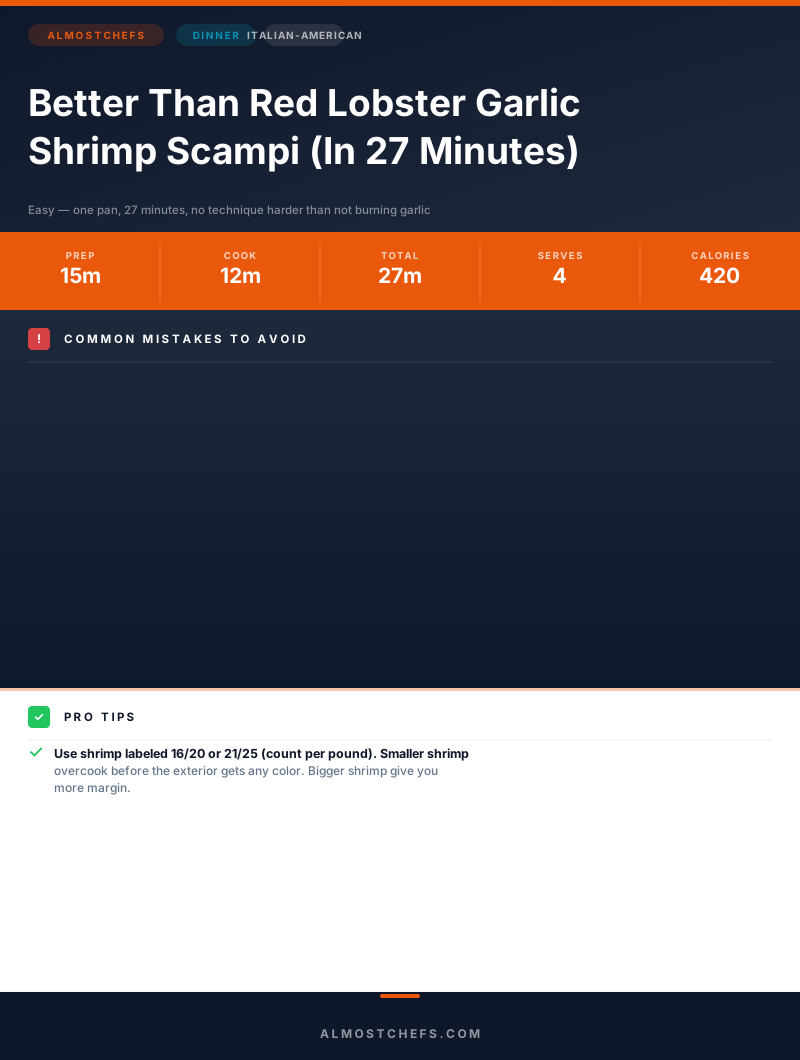
We turned everything on this page into a beautiful, flour-proof PDF cheat sheet. Print it out, stick it to your fridge, and never mess up your better than red lobster garlic shrimp scampi (in 27 minutes) again.
*We'll email you the high-res PDF instantly. No spam, just perfectly cooked meals.
AlmostChefs Editorial Team
We translate the internet's most popular cooking videos into foolproof, beginner-friendly written recipes. We analyze multiple methods, test them in our kitchen, and engineer a single "Master Recipe" that gives you the best possible result with the least possible stress.