Copycat Cheddar Bay Biscuits (Better Than the Restaurant)
Fluffy, cheesy, garlic-herb biscuits with a shatteringly tender crumb and that signature butter glaze — made in 30 minutes at home. We broke down what actually makes Red Lobster's version work and rebuilt it with the technique most copycat recipes skip.
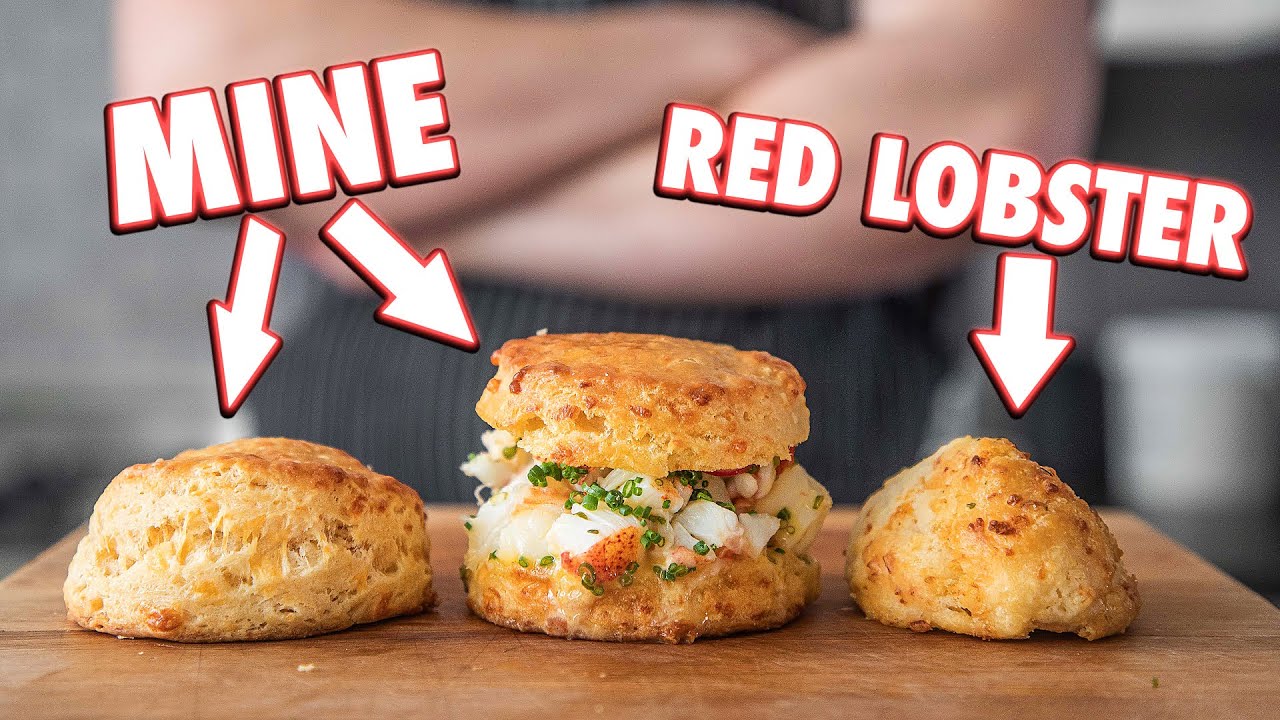
“Red Lobster gives these away for free, which tells you everything about how powerful they are as a hook. People plan meals around them. The problem with every copycat recipe online is that they treat it like a dump-and-stir operation. The real secret is cold fat, minimal mixing, and a garlic butter that infuses while the biscuits bake — not after they've cooled down.”
Why This Recipe Works
Cheddar Bay Biscuits have sold more seafood than any maritime marketing campaign in American history. Red Lobster figured out decades ago that if you hand people something warm, cheesy, and buttery the moment they sit down, they'll forgive a lot. The biscuits became the reason people showed up — an accident of menu design that became the menu.
The copycat recipe industry has churned out hundreds of versions. Most of them miss the point in the same direction: they get the ingredients right and the technique wrong.
Cold Fat Is Not Optional
Biscuit science is fat science. When you cut cold butter into flour, you're distributing distinct pieces of fat throughout the dough — not incorporating them. Those pieces remain solid until they hit the oven, at which point they vaporize and create steam. That steam has nowhere to go except outward, which means it pushes the surrounding dough apart and creates layers.
Warm butter absorbs into the flour. It coats the proteins and starches instead of staying separate, resulting in a uniform, cake-like crumb that's dense and soft rather than flaky and pull-apart. The fix is refrigerating your butter until the moment you use it, working fast, and putting the dough in the oven before friction from handling can warm it further. A pastry cutter does this faster and with less warmth transfer than fingers.
The Mixing Window
Gluten develops the moment water contacts flour and you apply mechanical energy. For bread, you want maximum gluten — it's the whole point. For biscuits, gluten is the enemy. It makes the crumb chewy and tough instead of tender and short.
The mixing window for biscuit dough is measured in strokes, not minutes. You add the liquid, stir with a fork until no dry flour remains, and stop. The dough looks wrong — shaggy, uneven, slightly sticky. That's exactly right. Smooth dough means you've already lost.
This is why the recipe calls for both cold buttermilk and cold heavy cream instead of one liquid at higher volume. Two cold liquids mixed separately into the flour distribute moisture more evenly with fewer strokes than one larger pour would require.
The Garlic Butter Window
The garlic butter step is where most home cooks accidentally downgrade their biscuits. They bake the biscuits, let them cool for a few minutes while they make the butter, then brush it on. By that point, the surface has set and the butter sits on top rather than absorbing in.
Hot biscuits are porous. The crust has just formed and the interior is still releasing steam — there's active outward pressure that pauses the moment the biscuits cool. If you brush butter onto a hot biscuit, capillary action pulls it into the surface. If you brush it onto a cool biscuit, surface tension keeps it pooled on top.
Make the garlic butter before the biscuits go in the oven. Let it infuse for the entire baking time — the garlic's sharpness mellows in the warm fat. Then the moment the biscuits clear the oven, brush immediately. Use a pastry brush to get the sides, not just the tops. The sides brown more than the top and absorb butter most aggressively.
The Cheese Choice
One cup of shredded cheese sounds like a lot in two cups of flour. It's not. Cheese melts into the dough and distributes throughout the crumb — by the time it bakes, those little pockets of cheddar become subtle rather than dominant. Use sharp or extra-sharp cheddar for a flavor that survives the bake. Mild cheddar contributes mostly fat and very little taste.
Shred the cheese from a block. Pre-shredded cheese is coated in cellulose or potato starch to prevent clumping in the bag. That starch inhibits melting and creates slightly grainy pockets in the biscuit. It takes ninety seconds to run a block across a box grater. The difference is real.
Where Beginners Mess This Up
Before we start, read this. These are the 4 reasons your copycat cheddar bay biscuits (better than the restaurant) will fail:
- 1
Warm butter in the dough: Cold butter creates steam pockets as it melts in the oven — those pockets are what give you a flaky, layered interior. Room temperature or melted butter incorporates too thoroughly into the flour, producing a dense, cakey result instead of a tender, pull-apart crumb.
- 2
Overmixing the dough: The moment gluten develops, your biscuits turn tough. Stir the liquid in with a fork until the dough just barely comes together — it should look shaggy and uneven. If it looks smooth, you've gone too far. Ten extra seconds of stirring can ruin the entire batch.
- 3
Applying butter glaze to cold biscuits: The garlic herb butter needs to hit the biscuits the instant they come out of the oven. Hot biscuits absorb the butter into their surface. Cold biscuits repel it and you end up with a greasy coating instead of a savory glaze that soaks into the crust.
- 4
Skipping the cayenne: A quarter teaspoon of cayenne disappears into the cheese and garlic — you won't taste heat. What you will taste is a complexity that makes people say 'what is in these?' It rounds out the sharpness of the cheddar and gives the back-of-the-throat finish the restaurant version has.
The Video Reference Library
Want to see it in action? Here are the exact videos we analyzed and combined to build this foolproof recipe translation:
The primary reference video for this recipe. Demonstrates the cold butter method and garlic butter application technique that makes the difference between a good biscuit and a great one.
🛠️ Core Equipment
- Pastry cutterCuts cold butter into the flour without warming it from your hands. Fingertips work in a pinch but generate heat — work fast if you go that route.
- Baking sheet with parchment paperParchment prevents sticking and ensures even bottom browning. A dark baking sheet absorbs too much heat and can overbrown the bottoms before the interiors are cooked through.
- Pastry brushFor applying the garlic herb butter evenly across every surface while the biscuits are still hot. A spoon misses the sides and gives you an uneven glaze.
- 2-inch round biscuit cutterA clean cut — not a sawing motion — keeps the layers aligned so they rise straight up. A drinking glass works but its rim is thicker and can compress the edges, stunting the rise.
Copycat Cheddar Bay Biscuits (Better Than the Restaurant)
🛒 Ingredients
- ✦2 cups all-purpose flour
- ✦1 tablespoon baking powder
- ✦1 teaspoon salt
- ✦1/4 teaspoon cayenne pepper
- ✦1/2 cup unsalted butter, cold and cubed
- ✦1 cup sharp cheddar cheese, shredded
- ✦3/4 cup buttermilk, cold
- ✦1/4 cup heavy cream
- ✦4 tablespoons unsalted butter, melted
- ✦3 cloves garlic, minced very fine
- ✦1 teaspoon dried parsley
- ✦1/2 teaspoon dried chives
- ✦1/4 teaspoon garlic powder
- ✦1/4 teaspoon onion powder
- ✦Pinch of sea salt for topping
👨🍳 Instructions
01Step 1
Preheat your oven to 400°F and line a baking sheet with parchment paper.
02Step 2
In a large mixing bowl, whisk together the flour, baking powder, salt, and cayenne pepper until well combined.
03Step 3
Add the cold cubed butter to the flour mixture and use a pastry cutter or your fingertips to work the butter into the flour until the mixture resembles coarse breadcrumbs with pea-sized pieces of butter remaining.
04Step 4
Stir in the shredded cheddar cheese until evenly distributed throughout the dry mixture.
05Step 5
Create a well in the center and pour in the cold buttermilk and heavy cream, stirring gently with a fork until the dough just comes together.
06Step 6
Turn the dough onto a lightly floured surface and gently pat to 3/4 inch thick. Do not knead or roll.
07Step 7
Cut biscuits with a 2-inch cutter using a straight downward press — no twisting. Place 2 inches apart on the prepared baking sheet.
08Step 8
Bake for 12-15 minutes until the tops are light golden brown.
09Step 9
While the biscuits bake, combine the melted butter, minced garlic, dried parsley, dried chives, garlic powder, and onion powder in a small bowl. Let infuse for the full baking time.
10Step 10
Pull the biscuits from the oven and immediately brush the garlic herb butter generously over every surface — tops and sides.
11Step 11
Finish with a pinch of sea salt over each biscuit while still hot. Serve immediately.
Nutrition Per Serving
Estimates based on standard preparation. Adjustments alter macros.
🔄 Substitutions
Instead of All-purpose flour...
Use Half all-purpose, half whole wheat pastry flour
Whole wheat pastry flour adds fiber and a mild nutty flavor without the density of regular whole wheat. The crumb stays tender.
Instead of Heavy cream...
Use Greek yogurt
Tangier flavor profile with more protein. Slightly less rich but still produces a tender interior. Use the same volume.
Instead of Sharp cheddar (1 cup)...
Use 3/4 cup sharp cheddar plus 1/4 cup aged Gruyère
Gruyère adds a nuttier, more complex cheese note without increasing fat significantly. A subtle upgrade.
Instead of Unsalted butter for topping...
Use Extra virgin olive oil
Changes the flavor profile noticeably — less rich, slightly fruity. Works for dairy-sensitive eaters but it's a genuine compromise, not an equivalent.
🧊 Storage & Reheating
In the Fridge
Store in an airtight container for up to 2 days. They're best the day they're made.
In the Freezer
Freeze unbaked cut biscuits on a sheet pan, then transfer to a zip bag for up to 1 month. Bake straight from frozen at 400°F, adding 3-4 minutes to the bake time.
Reheating Rules
Wrap in foil and warm in a 350°F oven for 5 minutes. Brush with a little fresh garlic butter when they come out to revive the glaze.
❓ Frequently Asked Questions
Why didn't my biscuits rise?
Two likely causes: your baking powder is old (test it by dropping a teaspoon into hot water — it should bubble aggressively), or you twisted the biscuit cutter when cutting, which seals the edges and prevents rise. Always press straight down.
Can I make these ahead of time?
You can cut the biscuits and refrigerate them unbaked for up to 8 hours. Bake directly from cold — no need to bring to room temperature. The cold dough actually produces a slightly flakier result.
Why is my dough sticky?
Humidity affects flour absorption. If the dough is too sticky to handle, add flour one tablespoon at a time and fold it in gently. Avoid adding so much that the dough becomes stiff — sticky is better than dry.
Can I use salted butter?
You can, but reduce the added salt in the dough to 1/2 teaspoon to compensate. The topping butter becomes noticeably saltier too — taste before adding the finishing salt pinch.
What's the difference between drop biscuits and cut biscuits?
Cut biscuits are patted to a uniform thickness and stamped out, producing more defined layers and a taller rise. Drop biscuits use a wetter dough that's scooped directly onto the pan — faster, slightly more rustic, with crispier edges. Both work for this recipe.
Can I use milk instead of buttermilk?
Yes. Add 1 tablespoon of white vinegar or lemon juice to 3/4 cup whole milk and let it sit for 5 minutes until slightly curdled. The acid activates the baking powder the same way buttermilk does.

The Science of
Copycat Cheddar Bay Biscuits (Better Than the Restaurant)
We turned everything on this page into a beautiful, flour-proof PDF cheat sheet. Print it out, stick it to your fridge, and never mess up your copycat cheddar bay biscuits (better than the restaurant) again.
*We'll email you the high-res PDF instantly. No spam, just perfectly cooked meals.
AlmostChefs Editorial Team
We translate the internet's most popular cooking videos into foolproof, beginner-friendly written recipes. We analyze multiple methods, test them in our kitchen, and engineer a single "Master Recipe" that gives you the best possible result with the least possible stress.