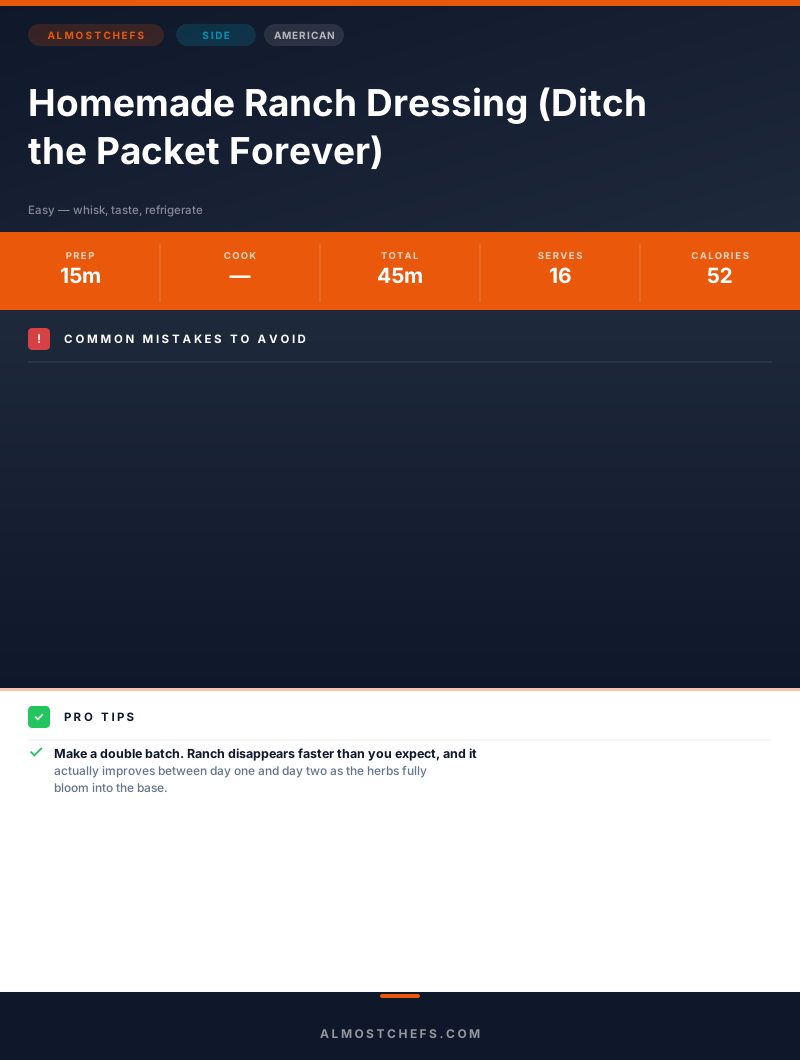
Homemade Ranch Dressing (Ditch the Packet Forever)
A creamy, tangy homemade ranch dressing built on Greek yogurt and fresh herbs instead of preservative-laden packets. We stripped the formula down to what actually matters — buttermilk tang, fresh dill, and a touch of acid — to deliver the flavor everyone recognizes in under 15 minutes.

“Every ranch dressing packet contains maltodextrin, MSG, partially hydrogenated oil, and enough sodium to cure a ham. Nobody questions it because the flavor works and the convenience wins. What most people don't know is that the real flavor — the herbaceous, tangy, creamy thing that makes ranch ranch — takes 15 minutes to build from scratch, costs less per serving, and doesn't require a chemistry degree to read the label.”
Why This Recipe Works
Ranch dressing is a cultural institution built on a lie. The lie is that it requires a packet, a laboratory, or at minimum a bottle with a cartoon cow on it. The truth is that ranch is a buttermilk-herb emulsion, and the only reason home cooks defer to packets is that nobody ever explained what ranch actually is.
The Architecture of Creamy
Ranch has three structural components. A fat-protein base (Greek yogurt and buttermilk), an acid layer (lemon juice and apple cider vinegar), and aromatic compounds (fresh herbs and dry spices). Each component does specific work, and understanding that work is what separates dressing that tastes alive from dressing that tastes like reconstituted powder.
The Greek yogurt replaces the traditional mayonnaise base used in the original Hidden Valley formula. Yogurt brings protein, creaminess, and mild lactic acid tang without the caloric density of mayo. The buttermilk thins the base to a pourable consistency while contributing its own distinctive sourness — the sharp, fermented tang that is the single most recognizable flavor signature of ranch dressing.
The acid components — lemon juice and apple cider vinegar — serve different roles. Lemon juice is bright and immediate, cutting through the fat of the yogurt on the front palate. Apple cider vinegar is deeper and more complex, contributing a mild fermented note that integrates into the base during resting. Together they prevent the dressing from tasting heavy or rich.
The Fresh Herb Mandate
This is not negotiable. Fresh dill is the reason ranch tastes like ranch. Its volatile aromatic compounds — primarily carvone and limonene — are lost entirely during the drying process, replaced by a vague, musty ghost of the original flavor. Dried dill in ranch dressing is like decaf coffee: the category is the same but the experience is categorically different.
Mince the herbs finely. Herb pieces larger than 2-3mm will sink to the bottom of the jar and create pockets of intense flavor rather than even distribution throughout. A sharp chef's knife or microplane reduces fresh dill to fine, uniform fragments that disperse cleanly into the yogurt base and stay suspended through serving.
The Resting Principle
Most dressings are better after resting. Ranch improves dramatically. During the 30-60 minute refrigeration window, four things happen simultaneously. The garlic powder and onion powder fully hydrate into the fat-protein base. The fresh herbs release their aromatic oils into the surrounding emulsion. The acid compounds from the lemon juice and vinegar mellow and integrate. And the entire mixture cools to a temperature where fat molecules create a thicker, more cohesive texture.
Taste the dressing at zero minutes and at 45 minutes. They are not the same product. The zero-minute version tastes sharp, thin, and fragmented. The 45-minute version tastes like the thing you've been trying to replicate.
Why Dijon Is Non-Negotiable
Dijon mustard in a dressing recipe is rarely about flavor. It's about emulsification. Mustard contains mucilage compounds — specifically from mustard seed — that act as natural emulsifiers, helping bind fat molecules (yogurt, buttermilk fat) to water molecules (lemon juice, vinegar) into a stable, uniform suspension. Without it, the dressing separates faster in the jar and has a thinner, less cohesive mouthfeel.
The smoked paprika is the only ingredient that functions primarily for flavor rather than structure. It contributes a faint, rounded warmth that makes people say "this tastes different from store-bought" without being able to identify why. That's exactly what it should do — support without announcing itself.
The formula is complete. The work is mostly waiting.
Where Beginners Mess This Up
Before we start, read this. These are the 4 reasons your homemade ranch dressing (ditch the packet forever) will fail:
- 1
Using dried herbs instead of fresh: Dried dill tastes like potpourri. Dried parsley tastes like nothing. The entire point of homemade ranch is that fresh herbs deliver volatile aromatic compounds that dried herbs lost months ago in a warehouse. If you're reaching for the dried herb jar, you're building a worse product than the packet. Use fresh dill and parsley — non-negotiable.
- 2
Skipping the resting time: Ranch dressing tastes flat and disjointed straight from the bowl. The 30-minute refrigeration rest isn't optional — it's when the herbs bloom into the yogurt base, the garlic powder hydrates, and the acid from the lemon juice and apple cider vinegar mellows into the fat. Taste it at zero minutes versus 30 minutes and you'll understand why.
- 3
Using cold Greek yogurt straight from the fridge: Cold yogurt doesn't emulsify smoothly with buttermilk. The fat molecules are too rigid, and you get a lumpy, separated dressing instead of a silky one. Pull your yogurt out 20 minutes before you start. Room temperature base means a smooth, cohesive final product.
- 4
Over-seasoning before the rest: The flavors concentrate during refrigeration. What tastes undersalted at minute zero will taste correct at minute 30. Season conservatively before resting, then adjust after. Oversalted ranch cannot be fixed — you'll be diluting with more yogurt and buttermilk just to balance it out.
The Video Reference Library
Want to see it in action? Here are the exact videos we analyzed and combined to build this foolproof recipe translation:
The foundational walkthrough for building ranch from scratch. Covers the yogurt-buttermilk ratio, fresh herb prep, and the exact consistency you're aiming for before refrigeration.
🛠️ Core Equipment
- Medium mixing bowlWide enough to whisk without splashing. Ranch comes together through vigorous mixing — a too-small bowl turns into a mess on your counter.
- Balloon whiskIncorporates air and emulsifies the yogurt and buttermilk far more effectively than a spoon or fork. The goal is smooth and creamy, not stirred and chunky.
- Glass jar with tight-fitting lidFor storage. Glass doesn't absorb odors like plastic, and a tight seal keeps the dressing fresh for the full 5-day window. Wide-mouth mason jars are ideal.
- Microplane or fine graterFor mincing the fresh herbs finely enough that they distribute evenly rather than clumping. Coarsely chopped herbs sink to the bottom and create uneven flavor.
Homemade Ranch Dressing (Ditch the Packet Forever)
🛒 Ingredients
- ✦1 cup plain Greek yogurt, at room temperature
- ✦1/2 cup low-fat buttermilk
- ✦2 tablespoons fresh dill, finely chopped
- ✦2 tablespoons fresh parsley, finely minced
- ✦1 tablespoon fresh chives, thinly sliced
- ✦1 teaspoon garlic powder
- ✦1/2 teaspoon onion powder
- ✦1/2 teaspoon freshly ground black pepper
- ✦1/4 teaspoon sea salt
- ✦1 tablespoon fresh lemon juice
- ✦1 teaspoon Dijon mustard
- ✦1 teaspoon apple cider vinegar
- ✦1/4 teaspoon smoked paprika
- ✦1/4 teaspoon cayenne pepper (optional)
👨🍳 Instructions
01Step 1
Pull the Greek yogurt from the refrigerator 20 minutes before starting. Room temperature yogurt emulsifies cleanly with buttermilk — cold yogurt causes separation.
02Step 2
Scoop the yogurt into a medium mixing bowl. Pour in the buttermilk and whisk vigorously for about 1 minute until the mixture is completely smooth and creamy.
03Step 3
Add the fresh dill, minced parsley, and sliced chives. Stir gently with a spoon to distribute the herbs evenly throughout the base.
04Step 4
Add the garlic powder, onion powder, black pepper, and sea salt. Whisk continuously for 30 seconds to prevent any dry powder from clumping.
05Step 5
Add the fresh lemon juice and Dijon mustard. Whisk until fully incorporated.
06Step 6
Add the apple cider vinegar and smoked paprika (and cayenne if using). Whisk for another 30 seconds until seamlessly combined.
07Step 7
Taste the dressing. It will taste slightly sharp and underseasoned. That is correct. Adjust minimally — the flavors will concentrate in the fridge.
08Step 8
Transfer to a glass jar, seal tightly, and refrigerate for at least 30 minutes before serving.
09Step 9
Serve over salads, as a vegetable dip, or alongside grilled chicken. Consume within 5 days.
Nutrition Per Serving
Estimates based on standard preparation. Adjustments alter macros.
🔄 Substitutions
Instead of Greek yogurt...
Use Silken tofu blended with 1 tablespoon olive oil
Dairy-free and vegan. Slightly more neutral flavor that lets the herbs lead. Thinner consistency — reduce buttermilk substitute by half.
Instead of Buttermilk...
Use Unsweetened almond milk with 1 tablespoon apple cider vinegar
Lower calorie and lactose-free. Let the mixture sit for 5 minutes before using so the acid can thicken it slightly.
Instead of Dijon mustard...
Use Whole grain mustard
Earthier and slightly grittier. The flavor is more robust and complex. Works well if you're serving the dressing with heartier dishes like grain bowls.
Instead of Garlic powder and onion powder...
Use 1 tablespoon minced fresh garlic and 2 tablespoons finely diced shallots
More vibrant and punchy. Requires the dressing to rest at least 45 minutes so the raw garlic mellows. Not recommended for meal prep — raw garlic intensifies aggressively over multiple days.
🧊 Storage & Reheating
In the Fridge
Store in an airtight glass jar for up to 5 days. The flavor peaks at day two.
In the Freezer
Do not freeze. Yogurt-based dressings break on thawing — the fat separates and the texture becomes grainy and unpleasant.
Reheating Rules
Not applicable. Serve cold, straight from the fridge.
❓ Frequently Asked Questions
Why does my homemade ranch taste bland compared to store-bought?
Two reasons. First, commercial ranch uses MSG and flavor enhancers that hit umami receptors in ways fresh herbs alone don't. Second, you probably didn't rest it long enough. Give it a full hour in the fridge and it will taste dramatically more developed. If it still tastes flat after resting, add another pinch of salt and a small squeeze of lemon juice.
Can I use dried herbs instead of fresh?
Technically yes. In practice, it produces a noticeably inferior dressing. Dried dill in particular tastes dusty and medicinal compared to fresh. If fresh herbs aren't available, use half the quantity of dried (fresh-to-dried conversion is 3:1) and extend the resting time to 2 hours.
How long does homemade ranch last?
Five days in a sealed glass jar in the refrigerator. The herbs will start to discolor and the texture will thin slightly after that. When in doubt, smell it — soured yogurt is unmistakable.
Why is my ranch dressing lumpy?
Your yogurt was too cold when you started, or you added the dry spices without whisking continuously. Bring the yogurt to room temperature before mixing, and whisk the dry ingredients in gradually rather than dumping them all at once.
Is this actually healthier than bottled ranch?
Per serving, yes — significantly lower sodium (95mg vs. 160-260mg in most bottled versions), no artificial preservatives, and higher protein from the Greek yogurt. The calories are comparable, but the nutritional profile is cleaner across every metric that matters.
Can I make this vegan?
Yes. Replace the Greek yogurt with blended silken tofu and the buttermilk with almond milk plus apple cider vinegar. The texture will be slightly thinner and the flavor slightly more neutral, but it works well as a dip or salad dressing. Let it rest for a full hour before serving.
The Science of
Homemade Ranch Dressing (Ditch the Packet Forever)
We turned everything on this page into a beautiful, flour-proof PDF cheat sheet. Print it out, stick it to your fridge, and never mess up your homemade ranch dressing (ditch the packet forever) again.
*We'll email you the high-res PDF instantly. No spam, just perfectly cooked meals.
AlmostChefs Editorial Team
We translate the internet's most popular cooking videos into foolproof, beginner-friendly written recipes. We analyze multiple methods, test them in our kitchen, and engineer a single "Master Recipe" that gives you the best possible result with the least possible stress.