Rajma Chawal Done Right (The Punjabi Comfort Food Masterclass)
Creamy kidney bean curry simmered in a rich tomato-onion masala, served over fluffy basmati rice. We broke down the most authentic Punjabi methods to give you one foolproof weeknight technique that builds real depth without hours at the stove.
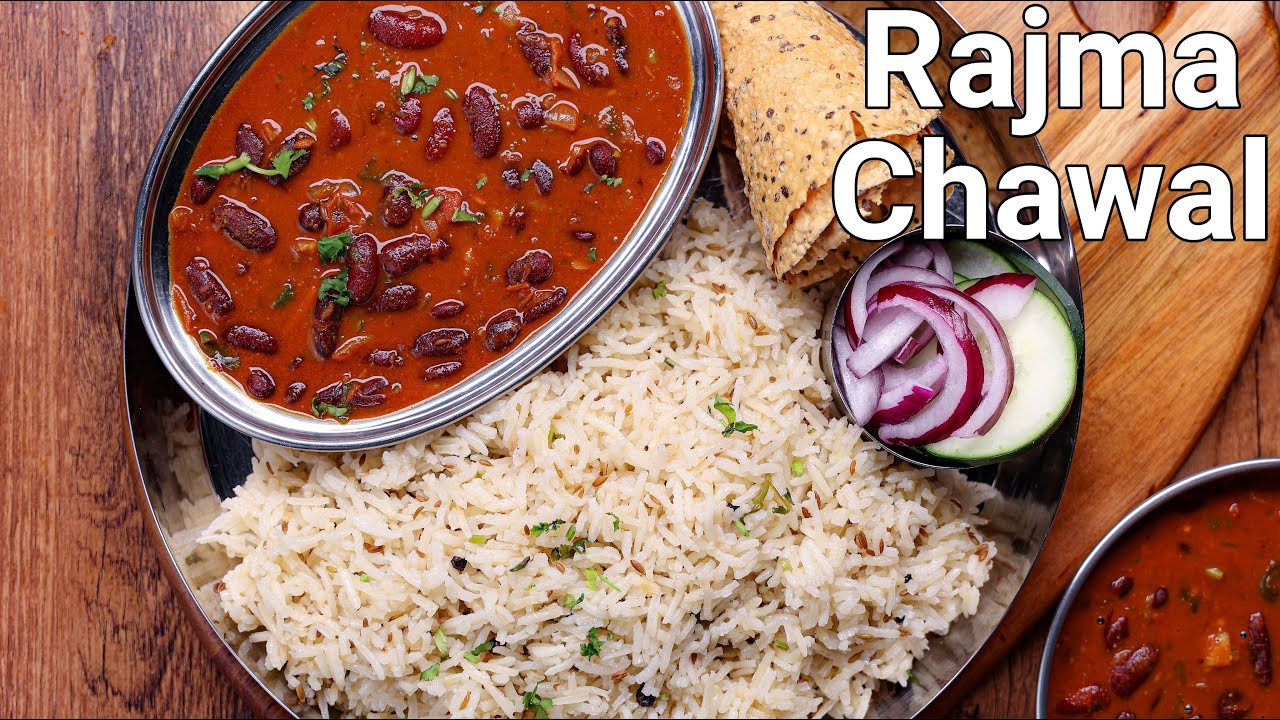
“Rajma Chawal is one of those dishes that sounds simple right up until you taste a great version and realize yours has been missing something the whole time. The difference isn't exotic ingredients. It's in how long you cook the tomatoes, how dark you take the onions, and whether you let the kasuri methi hit the heat at the right moment. This recipe fixes every shortcut that's been holding your rajma back.”
Why This Recipe Works
Rajma Chawal is Indian comfort food at its most honest. No elaborate technique, no rare ingredients, no layering rituals. Just kidney beans simmered in a masala until they can't tell where they end and the sauce begins. The problem is that "simple" has become an excuse for "underdeveloped," and most home versions end up tasting like tomato soup with beans dropped in. This recipe fixes that by treating each phase of the cook as what it actually is — a distinct chemical transformation that cannot be rushed without consequence.
The Masala Is the Dish
Here's the thing about Indian curry: the masala is not the base. It is the dish. The beans are a vehicle for whatever depth you build in that pot before they arrive. Spend 6 minutes on the onions and they give you sharpness and water. Spend 8 minutes and you get sweetness and body. The difference is two minutes of impatience.
The same logic applies to the tomatoes. Pour in chopped tomatoes and immediately add the beans and you've made tomato soup. Cook those tomatoes over medium heat for 8-10 minutes, stirring constantly, until they disintegrate into the onion base and the ghee visibly separates from the paste — that's the moment when Maillard reactions and moisture evaporation have converted raw tomato acidity into something deep and savory. That oil-separation signal is not folklore. It's chemistry telling you the masala is done.
Spice Timing Is Architecture
The cumin seeds and bay leaves bloom in hot fat at the start for a reason. Whole spices release their aromatic compounds into fat much more efficiently than into water — the fat carries those compounds through the entire dish. Add them to the pot cold, or add them to water instead of oil, and you've wasted them.
Ground spices come later, after the tomato masala is reduced, because they toast against the concentrated paste rather than boiling in liquid. One to two minutes of active toasting in the masala transforms the raw, dusty quality of coriander and turmeric into something round and integrated.
The kasuri methi comes last, off heat entirely. Dried fenugreek is volatile. Sustained heat drives off its delicate compounds and leaves behind mostly bitterness. Stir it in during the rest period and it blooms gently in the residual warmth, releasing a clean, slightly maple-herbal note that is entirely responsible for that "what is that" quality in a great rajma.
The Bean Question
Canned kidney beans are not a compromise — they're a reasonable choice for weeknight cooking, as long as you rinse them properly. Canned beans sit in sodium-heavy liquid that will salt your dish before you've had any control over it. Drain and rinse thoroughly and you recover about 40% of that sodium load while keeping a perfectly good bean.
If you choose dried beans, respect the soak and the pressure cook. Kidney beans contain phytohemagglutinin, a lectin that causes serious digestive distress when undercooked. Boil them hard in a pressure cooker until they're tender with no resistance at all. A bean that's slightly firm going into the masala will never fully soften during a 25-minute simmer at medium-low heat.
The Mash Trick
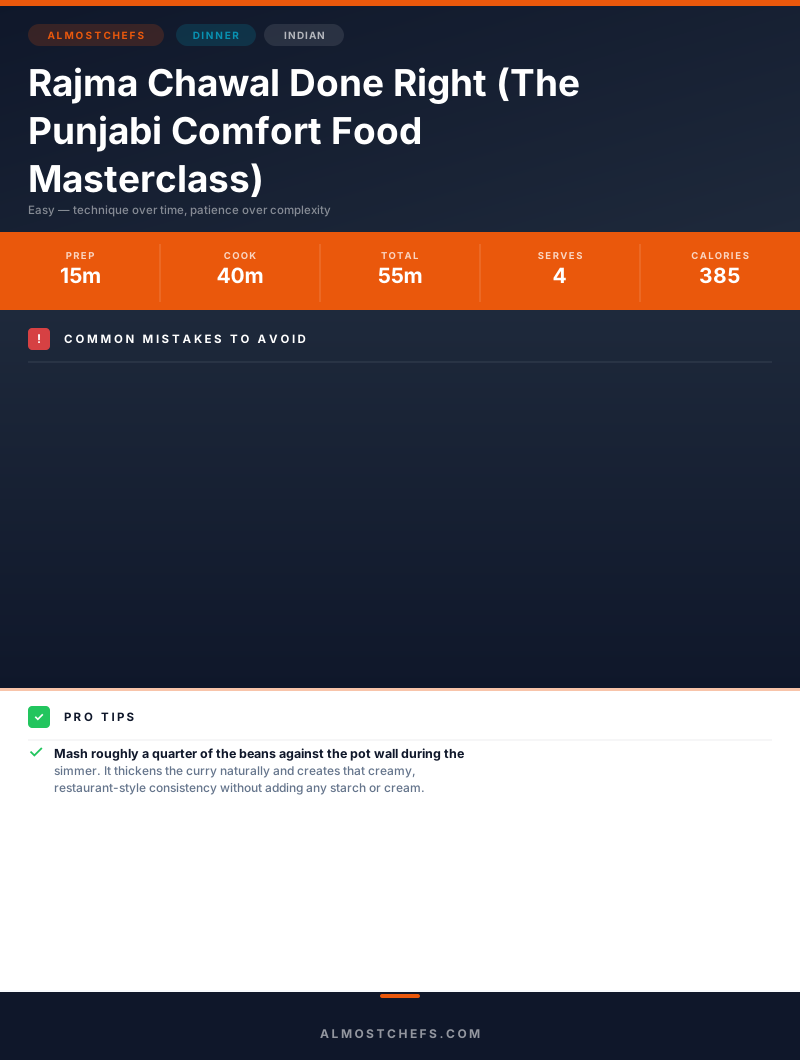
The single fastest upgrade to this recipe costs nothing: when the curry has been simmering for 15 minutes, take a wooden spoon and press roughly a quarter of the beans firmly against the wall of the pot. The smashed beans dissolve into the liquid and thicken it naturally, creating that cohesive, creamy consistency that makes rajma worth eating over plain white rice rather than alongside it. No cornstarch. No cream. Just beans doing what beans do when you ask them to.
Why It's Better the Next Day
Rajma is one of the clearest demonstrations of flavor diffusion in cooking. The beans are porous — after sitting overnight in the masala, they've absorbed the aromatics from every direction. What tastes slightly separate and new on day one tastes unified and inevitable on day two. If you have the option, make this 24 hours before you plan to serve it. Reheat low and slow with a splash of water. That's the version that makes people ask for the recipe.
Where Beginners Mess This Up
Before we start, read this. These are the 4 reasons your rajma chawal done right (the punjabi comfort food masterclass) will fail:
- 1
Pulling the tomatoes too early: The tomato-onion masala needs 8-10 full minutes of active cooking until the oil visibly separates from the paste. If you add the beans while there's still moisture in the pan, the curry tastes raw and sharp instead of rich and round. The oil separation is your signal — not the color, not the smell, the oil.
- 2
Under-sautéing the onions: Golden is not enough. The onions need to reach deep amber before the ginger-garlic paste goes in. Under-cooked onions contribute acrid sharpness to the finished curry. Properly caramelized onions dissolve into the masala and become the invisible backbone of everything.
- 3
Adding kasuri methi too early: Dried fenugreek leaves are volatile. Added at the beginning, their bitterness overwhelms the dish. Added at the end, off heat, they release a clean herbal brightness that rounds out the entire curry. Timing is not optional here.
- 4
Skipping the rest before serving: Two to three minutes off heat is not just a food safety pause — it's the window where the beans finish absorbing the masala and the flavors stop competing with each other. Skip the rest and you're eating components. Wait through it and you're eating a dish.
The Video Reference Library
Want to see it in action? Here are the exact videos we analyzed and combined to build this foolproof recipe translation:
The source video for this recipe. Excellent demonstration of the masala cook time and the oil-separation test that tells you when to add the beans.
🛠️ Core Equipment
- Heavy-bottomed pot or Dutch ovenEven heat distribution is essential during the long masala cook. A [Dutch oven](/kitchen-gear/review/dutch-oven) holds heat steadily across the base and prevents scorching.
- Pressure cooker (if using dried beans)Brings soaked dried kidney beans to tender in 15-20 minutes. If using canned beans, skip this step entirely.
- Flat-edged wooden spoon or silicone spatulaThe masala phase requires constant scraping. The browned fond at the bottom of the pot is flavor — lift it, don't lose it.
- Fine-mesh sieve or colanderFor draining and rinsing canned beans thoroughly. Canned kidney beans carry significant sodium in their liquid. Rinsing cuts sodium by up to 40%.
Rajma Chawal Done Right (The Punjabi Comfort Food Masterclass)
🛒 Ingredients
- ✦4 cans (15 oz each) kidney beans (rajma), drained and rinsed, or 2 cups dried beans soaked overnight
- ✦3 tablespoons ghee or vegetable oil
- ✦1 teaspoon cumin seeds
- ✦2 bay leaves
- ✦3 medium yellow onions, finely diced
- ✦2½ tablespoons ginger-garlic paste
- ✦3 medium fresh tomatoes, finely chopped, or 1 can (400g) crushed tomatoes
- ✦3 green chilies, minced
- ✦1 teaspoon ground coriander
- ✦¾ teaspoon turmeric powder
- ✦1½ teaspoons Kashmiri red chili powder
- ✦1 teaspoon garam masala
- ✦½ teaspoon kasuri methi (dried fenugreek leaves)
- ✦Salt to taste
- ✦4 cups water or low-sodium vegetable broth
- ✦½ cup fresh cilantro, chopped
- ✦Cooked basmati rice for serving
👨🍳 Instructions
01Step 1
If using dried kidney beans, soak overnight in plenty of cold water, then drain. Pressure cook with 5 cups fresh water for 15-20 minutes at high pressure until tender but not mushy. Release pressure naturally. Skip if using canned beans.
02Step 2
Heat ghee or oil in a large heavy-bottomed pot over medium-high heat until shimmering.
03Step 3
Add cumin seeds and bay leaves. Let them crackle and bloom in the fat for 30-40 seconds until fragrant.
04Step 4
Add the diced onions and sauté over medium-high heat for 6-8 minutes, stirring occasionally, until they turn deep amber-brown.
05Step 5
Add the ginger-garlic paste. Stir constantly for about 2 minutes until the raw smell disappears and the paste turns slightly golden.
06Step 6
Add the chopped tomatoes and minced green chilies. Cook over medium heat for 8-10 minutes, stirring frequently, until the tomatoes break down completely and oil visibly separates from the masala.
07Step 7
Stir in the ground coriander, turmeric, Kashmiri red chili powder, and garam masala. Toast with the masala for 1-2 minutes until deeply fragrant.
08Step 8
Add the drained beans and stir gently to coat them in the masala.
09Step 9
Pour in the water or vegetable broth and bring to a boil over medium-high heat.
10Step 10
Reduce heat to medium-low and simmer uncovered for 20-25 minutes, stirring occasionally, until the curry is creamy and coats the back of a spoon.
11Step 11
Taste and adjust salt. Remember that canned beans already carry sodium — season carefully.
12Step 12
Remove from heat. Stir in the kasuri methi and fresh cilantro.
13Step 13
Let rest uncovered for 2-3 minutes before serving.
14Step 14
Serve hot over steamed basmati rice with extra cilantro and sliced green chilies on the side.
Nutrition Per Serving
Estimates based on standard preparation. Adjustments alter macros.
🔄 Substitutions
Instead of Ghee...
Use Extra virgin olive oil or coconut oil
Olive oil loses the nutty dairy flavor but adds anti-inflammatory polyphenols. Coconut oil contributes a subtle sweetness that works well with the warming spices.
Instead of Canned kidney beans...
Use Dried kidney beans soaked and pressure-cooked from scratch, or low-sodium canned varieties
More control over texture and sodium. Dried beans have a firmer, cleaner bite. Low-sodium canned beans let you season the dish entirely from scratch.
Instead of Kashmiri red chili powder...
Use 1 teaspoon smoked paprika plus ½ teaspoon cayenne pepper
A workable approximation — the paprika provides color and smoke, the cayenne provides heat. The flavor profile is slightly different but the dish holds together.
Instead of White basmati rice...
Use Brown basmati rice or a millet-quinoa blend
Brown basmati adds nuttiness and significantly more fiber. The millet-quinoa blend is higher in protein and has a more complex texture. Both increase the meal's nutritional density meaningfully.
🧊 Storage & Reheating
In the Fridge
Store rajma separately from the rice in an airtight container for up to 4 days. The curry thickens considerably when cold — add a splash of water when reheating.
In the Freezer
Freeze rajma in portions for up to 3 months. Thaw overnight in the refrigerator. Do not freeze cooked rice alongside the curry — cook fresh rice when serving.
Reheating Rules
Reheat gently on the stovetop over low heat with 2-3 tablespoons of water, stirring occasionally. Microwave works in a pinch — cover loosely and heat in 90-second intervals, stirring between each.
❓ Frequently Asked Questions
Can I make this without a pressure cooker if using dried beans?
Yes. Simmer soaked dried beans in a large pot with plenty of water for 60-90 minutes until completely tender. The key is fully cooked beans before they enter the masala — undercooked beans will not soften further during the curry simmer.
Why does my rajma taste sour?
The tomatoes weren't cooked long enough. Raw or under-reduced tomatoes carry sharp acidity that never integrates into the dish. Cook the tomato masala for a full 8-10 minutes past the point where the tomatoes break down — until the oil separates. That's when the acidity mellows into something rich.
My curry is watery. What went wrong?
Either the masala wasn't reduced far enough before the beans went in, or the simmer time was cut short. Remove the lid, increase heat to medium, and cook for an additional 5-10 minutes uncovered. Alternatively, mash more beans against the pot wall to thicken naturally.
Is kasuri methi essential or can I skip it?
It's essential. Kasuri methi (dried fenugreek leaves) provides the characteristic herbal note that defines authentic rajma. Without it the dish is still edible, but it won't taste like the version you're trying to replicate. It's widely available at Indian grocery stores and online.
Can I make this vegan?
It already is, as long as you substitute the ghee with oil. Use vegetable oil, coconut oil, or olive oil in the same quantity. The rest of the recipe requires no modification.
What's the difference between rajma and chili con carne?
The bean and the heat. Both are kidney bean stews with aromatics and tomatoes — but rajma builds its flavor through a tempered whole-spice base (cumin seeds, bay leaves), uses no meat, and finishes with kasuri methi and cilantro. Chili relies on dried ground chiles and often includes beef. Structurally similar, texturally and aromatically completely distinct.
The Science of
Rajma Chawal Done Right (The Punjabi Comfort Food Masterclass)
We turned everything on this page into a beautiful, flour-proof PDF cheat sheet. Print it out, stick it to your fridge, and never mess up your rajma chawal done right (the punjabi comfort food masterclass) again.
*We'll email you the high-res PDF instantly. No spam, just perfectly cooked meals.
AlmostChefs Editorial Team
We translate the internet's most popular cooking videos into foolproof, beginner-friendly written recipes. We analyze multiple methods, test them in our kitchen, and engineer a single "Master Recipe" that gives you the best possible result with the least possible stress.