Crispy Chicken Quesadillas (The Cheese-Pull Method That Actually Works)
Flour tortillas stuffed with a seasoned chicken and vegetable filling, sandwiched between two layers of melted Monterey Jack and Oaxaca cheese, cooked in butter until golden with light char marks. We broke down the most requested quesadilla fails to build one method that delivers the crispy exterior and full cheese pull every time.
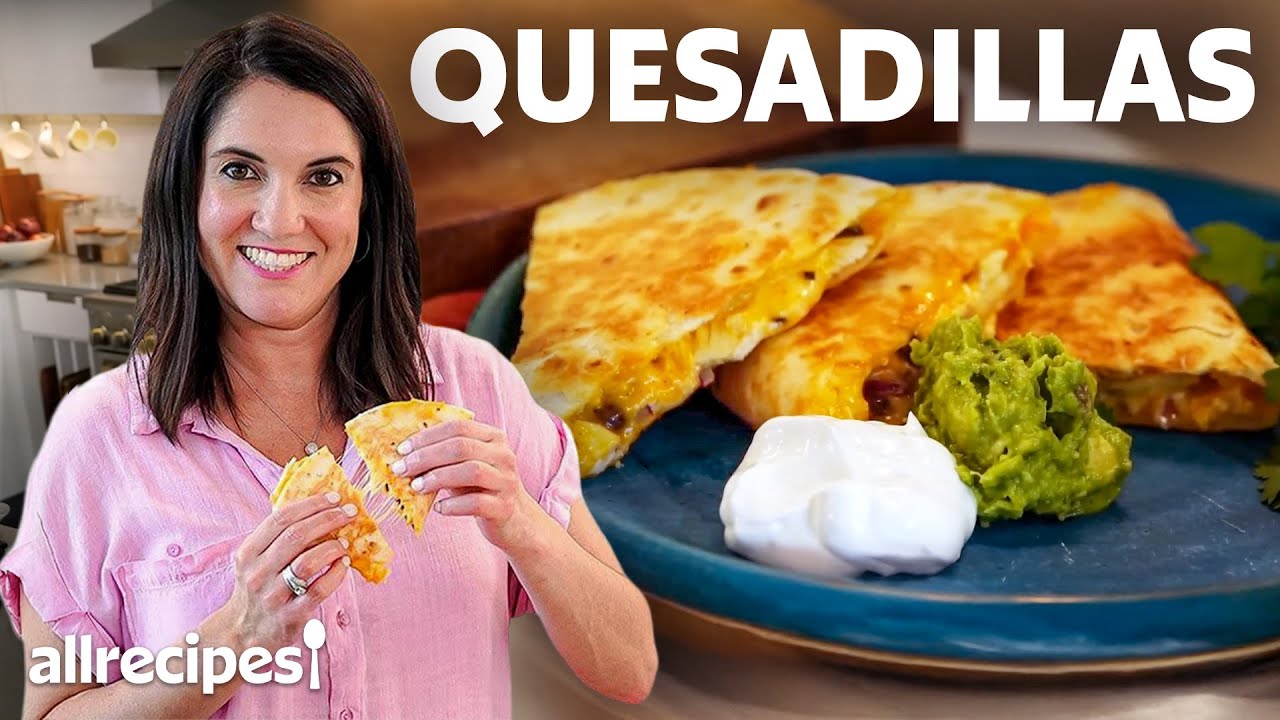
“Quesadillas look simple. They are simple. So why do so many of them come out soggy in the middle, burnt on the outside, with cheese that never fully melted? The answer is almost always heat and sequence. Too high and the tortilla scorches before the cheese relaxes. Too low and you get a pale, limp pocket of sadness. The window is narrow. Once you find it, you never go back.”
Why This Recipe Works
A quesadilla is three ingredients: a tortilla, cheese, and heat. Everything else is filling. The entire technique reduces to one problem: how do you melt the cheese completely without burning the tortilla? That tension — cheese wants low, slow heat; a crispy tortilla wants high heat — is the whole game. Once you understand what's actually happening in the pan, every decision in this recipe stops seeming arbitrary and starts making obvious sense.
The Filling Problem
Raw vegetables contain water. When you trap wet vegetables inside a folded tortilla and apply heat, that water converts to steam. Steam has nowhere to go. It saturates the interior of the tortilla from the inside out, softening it before the exterior has any chance to crisp. This is why you sauté the filling first — not for flavor (though that matters too), but to cook off the moisture. The filling should look slightly dry when it comes off the heat. Any surface moisture you see before assembly is moisture that will become steam in the pan.
The same logic applies to pre-cooked chicken. If the chicken came out of the refrigerator cold and wet, it will dump its stored moisture into the filling as it warms. Pat it dry. Bring it close to room temperature before assembly if you can.
The Cheese Architecture
Monterey Jack and Oaxaca is not an arbitrary pairing. Jack melts at a low temperature, flows freely, and coats the filling in an even layer. Oaxaca is a string cheese — it stretches rather than flows, which is where the cheese pull comes from. Together they cover both functions: even coverage and dramatic stretch. Used alone, Jack pools into an oily puddle. Used alone, Oaxaca can be stringy and uneven.
The strategic placement of cheese above and below the filling — not just underneath — creates a structural bond. The bottom layer melts and fuses with the tortilla. The top layer melts and binds to the filling. When you flip, the whole assembly holds together as a unit instead of shifting and spilling. This is the difference between a quesadilla that flips cleanly and one that disassembles in the pan.
Pre-shredding your own cheese matters more than it sounds. Commercial shredded cheese is coated in cellulose or potato starch to prevent clumping in the bag. That coating raises the effective melt temperature and creates an uneven, grainy texture. A box grater and two minutes of effort produces cheese that melts at least 20% faster and more evenly. For a dish where melted cheese is the entire point, this is not a minor variable.
The Heat Equation
The filling is already cooked. Your only job in the skillet is to brown the tortilla and melt the cheese. That means medium heat — not medium-high, not high. The butter should froth and then calm before the quesadilla goes in. If the butter is still actively sputtering when you add the quesadilla, the pan is too hot.
Two to three minutes per side is a range, not a fixed number. Thicker tortillas need the full three minutes. Thinner ones are done in two. The reliable test is color and release: lift the edge after 90 seconds. If it pulls cleanly away from the pan surface and shows golden-brown color, you're close. If it sticks, the proteins in the tortilla are still bonding with the pan — give it another 30 seconds and don't force it.
The 60-second rest after cooking is not optional. Freshly melted cheese is liquid. If you cut immediately, it pours out between the layers and pools on the board. One minute of rest lets it set into a cohesive, sliceable layer. This is the same principle as resting a steak after searing — the internal structure needs time to stabilize before you cut through it.
Why This Is Worth Getting Right
Quesadillas are a weeknight staple precisely because they're fast. But fast doesn't have to mean mediocre. The difference between a limp, soggy quesadilla and a crispy one with a full cheese pull is about eight minutes of technique — dry your filling, layer your cheese, respect the heat. That's it. Everything else is preference.
Where Beginners Mess This Up
Before we start, read this. These are the 4 reasons your crispy chicken quesadillas (the cheese-pull method that actually works) will fail:
- 1
Skipping the filling pre-cook: Raw vegetables release water inside the quesadilla. That steam softens the tortilla from the inside before the outside can crisp. Sauté the filling first, cook off the moisture, then assemble. Cold, wet filling is the number one cause of a soggy quesadilla.
- 2
Running the heat too high: Medium-high is the ceiling, not the target. Too much heat and the butter browns instantly, the tortilla picks up color in 45 seconds, and the cheese never gets the time it needs to melt through. You end up with a tortilla that looks done and a filling that's barely warm.
- 3
Overstuffing the tortilla: More filling sounds better. It isn't. An overstuffed quesadilla buckles when you flip it, spilling cheese into the pan where it burns, and the filling mounds in the center so the edges never seal. Three tablespoons of filling per half is the maximum.
- 4
Flipping too early: The first side needs a full 2-3 minutes undisturbed. Lift the edge gently after 90 seconds — if it doesn't release easily and show golden color, it's not ready. Forcing the flip tears the tortilla and smears the filling.
The Video Reference Library
Want to see it in action? Here are the exact videos we analyzed and combined to build this foolproof recipe translation:
The source video for this recipe. Clean technique, correct heat level, and a useful close-up of what the tortilla should look like right before the flip.
🛠️ Core Equipment
- Large skillet or cast iron griddleEven heat distribution is everything here. A [cast iron skillet](/kitchen-gear/review/cast-iron-skillet) holds temperature steady when the quesadilla hits the pan, so you get consistent browning across the entire surface. Thin non-stick pans create hot spots that burn one corner while the opposite edge stays pale.
- Wide spatulaA [wide spatula](/kitchen-gear/review/wide-spatula) with a thin, beveled edge slides cleanly under the entire quesadilla in one motion. Narrow spatulas cause the quesadilla to fold on itself mid-flip, dumping the filling.
- Cutting board and sharp chef's knifeLet the quesadilla rest on the board for 60 seconds before cutting. Cutting immediately lets the cheese run out. A sharp knife in one clean stroke keeps the layers intact — dragging a dull blade tears them apart.
Crispy Chicken Quesadillas (The Cheese-Pull Method That Actually Works)
🛒 Ingredients
- ✦8 large flour tortillas
- ✦1.5 cups shredded Monterey Jack cheese
- ✦0.5 cup shredded Oaxaca cheese
- ✦1.5 cups cooked shredded chicken breast
- ✦1 medium yellow onion, finely diced
- ✦0.5 cup diced red bell pepper
- ✦2 jalapeños, thinly sliced
- ✦2 cloves garlic, minced
- ✦3 tablespoons unsalted butter, divided
- ✦3 tablespoons fresh cilantro, chopped
- ✦1 teaspoon ground cumin
- ✦0.5 teaspoon salt
- ✦0.25 teaspoon black pepper
- ✦0.25 cup sour cream for serving
- ✦0.5 cup fresh salsa for serving
- ✦1 lime, cut into wedges for serving
👨🍳 Instructions
01Step 1
Heat 1 tablespoon of butter in a skillet over medium-high heat. Add the diced onion and sauté until translucent and fragrant, about 4 minutes.
02Step 2
Add the minced garlic and sliced jalapeños. Stir constantly for 1 minute until aromatic.
03Step 3
Add the diced red bell pepper and shredded chicken. Season with cumin, salt, and black pepper. Stir to combine.
04Step 4
Cook until the chicken is heated through and the peppers soften slightly, about 3 minutes. Remove from heat and fold in the fresh cilantro.
05Step 5
Lay a flour tortilla flat. Spread one layer of the Monterey Jack and Oaxaca cheese blend over one half, leaving a small border.
06Step 6
Distribute about 3 tablespoons of the chicken filling over the cheese. Top with a second layer of cheese to completely cover the filling.
07Step 7
Fold the tortilla in half to form a half-moon. Press gently to compress the filling.
08Step 8
Heat 0.5 tablespoon of butter in the skillet over medium heat until it froths and subsides.
09Step 9
Place the quesadilla in the skillet. Cook undisturbed for 2-3 minutes. Lift the edge after 90 seconds — if it releases cleanly and shows golden color, it's close. If it sticks, give it another 30 seconds.
10Step 10
Flip with a wide spatula in one confident motion. Cook the second side for 2-3 minutes until equally golden and the cheese is fully melted.
11Step 11
Transfer to a cutting board. Rest for 60 seconds. Repeat with remaining tortillas and filling.
12Step 12
Cut each quesadilla diagonally into four triangles. Serve immediately with sour cream, fresh salsa, and lime wedges.
Nutrition Per Serving
Estimates based on standard preparation. Adjustments alter macros.
🔄 Substitutions
Instead of Flour tortillas...
Use Whole wheat or sprouted grain tortillas
Nuttier, denser, and slightly less pliable — fold carefully to avoid cracking. Slightly higher fiber content. Cook time is identical.
Instead of Monterey Jack and Oaxaca blend...
Use Part-skim mozzarella mixed with sharp cheddar
Mozzarella provides the stretch, cheddar provides the flavor. Less creamy than the original blend but melts reliably. Good budget alternative.
Instead of Unsalted butter...
Use Extra virgin olive oil
Creates equally crispy tortillas with a subtle fruity undertone. Doesn't brown the same way butter does — use the color of the tortilla, not the fat, as your doneness cue.
Instead of Cooked chicken breast...
Use Shredded grilled portobello mushrooms or black beans
Portobello mushrooms must be cooked down until most of their water has evaporated before using as filling, or you reintroduce the moisture problem. Black beans work immediately with no prep adjustment.
🧊 Storage & Reheating
In the Fridge
Store cooled quesadillas in an airtight container for up to 3 days. Layer with parchment between each to prevent sticking.
In the Freezer
Freeze individually wrapped in parchment and foil for up to 2 months. Thaw overnight in the fridge before reheating.
Reheating Rules
Reheat in a dry skillet over medium heat for 2 minutes per side. This restores the crispy exterior. The microwave makes them limp — avoid it.
❓ Frequently Asked Questions
Why is my quesadilla soggy in the middle?
The filling had too much moisture when it went into the tortilla. Sauté all vegetables until dry-looking before assembling. Wet filling steams the tortilla from inside and no amount of skillet heat can compensate.
Can I use corn tortillas instead of flour?
Yes, but with adjustments. Corn tortillas are smaller and more brittle — don't fold them. Stack two corn tortillas with filling sandwiched between and cook flat. Lower heat is critical because corn burns faster than flour.
My cheese isn't melting fully. What's wrong?
Either the heat is too high and the tortilla is cooking faster than the cheese can melt, or you're using bagged pre-shredded cheese coated with anti-caking agents. Freshly shredded cheese melts at a lower temperature and more evenly.
Can I make quesadillas ahead of time for a crowd?
Assemble and cook all quesadillas in advance. Hold them on a wire rack in a 200°F oven for up to 30 minutes. Avoid stacking — trapped steam softens the tortillas. Cut right before serving.
What's the best way to keep the filling from falling out when I flip?
Three things: don't overfill (3 tablespoons maximum per half), put cheese on both sides of the filling so it acts as adhesive, and press the tortilla gently closed before cooking to compress everything before the cheese melts.
Can I cook quesadillas without butter or oil?
A dry cast iron pan works if it's properly seasoned and preheated. The result is slightly less golden but still crispy. More commonly used for corn tortillas. For flour tortillas, a small amount of fat produces a noticeably better crust.
The Science of
Crispy Chicken Quesadillas (The Cheese-Pull Method That Actually Works)
We turned everything on this page into a beautiful, flour-proof PDF cheat sheet. Print it out, stick it to your fridge, and never mess up your crispy chicken quesadillas (the cheese-pull method that actually works) again.
*We'll email you the high-res PDF instantly. No spam, just perfectly cooked meals.
AlmostChefs Editorial Team
We translate the internet's most popular cooking videos into foolproof, beginner-friendly written recipes. We analyze multiple methods, test them in our kitchen, and engineer a single "Master Recipe" that gives you the best possible result with the least possible stress.