High-Protein Pancakes (38g Per Serving, Actually Fluffy)
Pancakes built around Greek yogurt, cottage cheese, and whey protein that deliver 38g of protein per serving without the cardboard texture. We engineered the batter chemistry so these taste indulgent, not compensatory — fluffy crumb, golden edges, real staying power.
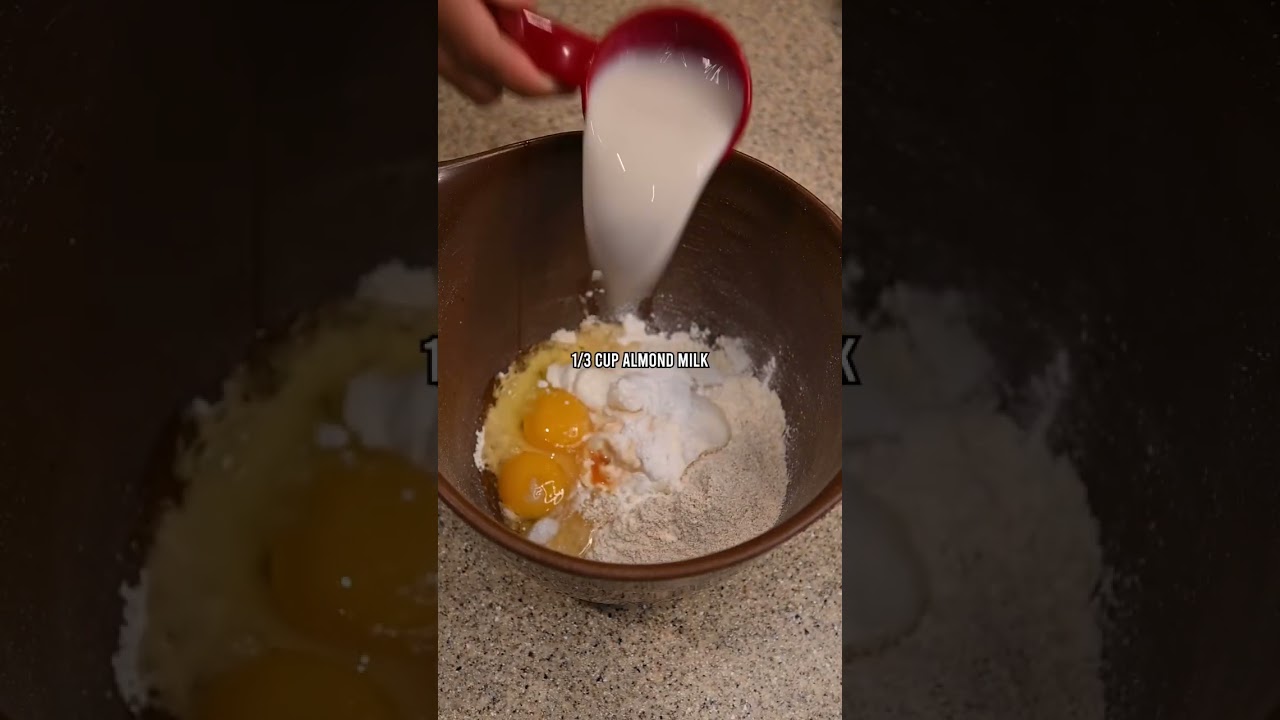
“Most protein pancake recipes exist on a spectrum between dry hockey puck and weirdly gummy sponge. The problem is always the same: protein powder disrupts gluten development and absorbs moisture aggressively, so bakers compensate with more liquid, which makes them dense. This recipe solves it by using three protein sources — Greek yogurt, cottage cheese, and whey — that each do a specific structural job. The result is 38g of protein per serving in a pancake that genuinely tastes like breakfast, not a supplement.”
Why This Recipe Works
Protein pancakes have a reputation problem. Every fitness-oriented recipe that comes up in search results promises "fluffy and indulgent" and delivers something that tastes like a baked supplement. The failure isn't the ingredients — it's the formulation. When you swap out flour for protein powder without adjusting the liquid ratios and mixing technique, you get a dense, rubbery disk. This recipe is built differently because each protein source earns its place structurally, not just nutritionally.
The Three-Protein System
Greek yogurt, cottage cheese, and whey protein all behave differently under heat, and that's exactly why they work together.
Greek yogurt contributes lactic acid, which reacts with the baking soda to produce carbon dioxide — that's your lift. It also adds tangy richness that reads as flavor complexity, not health food. Its thick consistency means the batter holds together at medium heat without spreading flat.
Cottage cheese is the texture secret most recipes ignore. When fully blended, it breaks down into a fine protein emulsion that behaves like buttermilk in a traditional recipe — it tenderizes the crumb by coating the oat flour particles before they can form a tough network. Unblended, it's a liability. Blended smooth, it's the reason these pancakes have a soft, almost custardy interior despite the high protein density.
Whey protein powder adds binding structure and pushes the protein count to 38g without contributing bitterness. Vanilla-flavored whey handles the sweetness load so you need less maple syrup in the batter, which means less blood sugar spike and better macros.
The Oat Flour Advantage
Standard pancake recipes use all-purpose flour for its gluten network. Gluten creates elasticity and holds the air bubbles generated by the leavening. Protein powder disrupts gluten formation aggressively — which is why flour-and-protein-powder hybrid batters turn rubbery.
Oat flour sidesteps this entirely. It contains beta-glucan, a soluble fiber that forms a gentle gel when hydrated, trapping air bubbles without the tight gluten structure. The result is a more tender crumb that doesn't fight the protein powder. The five-minute batter rest is mandatory: oat flour needs time to fully hydrate and form that gel network. Skip it and the batter hits the pan still partially dry, spreading too thin and cooking unevenly.
Heat Management
The dairy load in this batter — roughly 1.75 cups between the yogurt and cottage cheese — means it browns faster than any recipe you're used to. The lactose sugars caramelize at lower temperatures than the Maillard reaction in standard flour. Medium heat is the maximum. High heat produces dark exteriors and underdone centers every time.
The flip cue is the same as any pancake: bubbles forming across the entire surface, including near the center. Edges setting alone isn't sufficient. The protein density means the center takes longer to set than it looks. Flip too early and you tear the structure before it's solid enough to hold.
A nonstick griddle isn't optional here. These pancakes release more moisture during cooking than flour-based ones, and that moisture creates a steam layer between batter and pan surface. On stainless or cast iron, that steam layer breaks down unevenly and the pancake tears. Nonstick gives you clean, consistent releases on every flip.
Why Almond Butter Over Syrup
The standard protein pancake topping is sugar-free syrup, which solves the macro problem and creates a different one: that thin, artificial sweetness that announces "this is a diet food." Almond butter is calorie-dense, but it contributes healthy fats that slow digestion, healthy fats that complement the tangy yogurt base, and a nutty richness that makes the whole plate feel complete rather than compensatory. A single tablespoon per serving adds 3g protein and makes the difference between a breakfast you tolerate and one you want again tomorrow.
Where Beginners Mess This Up
Before we start, read this. These are the 4 reasons your high-protein pancakes (38g per serving, actually fluffy) will fail:
- 1
Overmixing the batter: Protein powder and oat flour both tighten up under heavy mixing. The batter should come together in 15-20 seconds of pulsing — visible streaks are fine, lumps are fine. Overmixed batter produces dense, rubbery pancakes that don't puff when they hit the pan.
- 2
Skipping the 5-minute batter rest: Oat flour needs time to hydrate fully. If you pour immediately after blending, the oats are still dry in the center and the batter spreads too thin on the griddle. Five minutes is not optional — it's what gives these pancakes their lift.
- 3
Cooking on heat that's too high: The dairy content in this batter burns faster than standard pancake batter. Medium heat is the ceiling. High heat chars the exterior before the protein-dense interior sets, leaving you with dark outsides and raw middles. Wait for true medium heat before the first pour.
- 4
Not blending the cottage cheese smooth: Unblended cottage cheese curds create wet pockets in the finished pancake. Blend until the mixture is completely smooth — no white specks, no texture variation. This is what creates the tender, even crumb.
The Video Reference Library
Want to see it in action? Here are the exact videos we analyzed and combined to build this foolproof recipe translation:
The primary video reference for this recipe — covers the blender technique and batter consistency cues in detail.
🛠️ Core Equipment
- High-powered blenderCottage cheese curds need to be completely emulsified into the batter. A food processor leaves small lumps that create uneven texture. A [high-powered blender](/kitchen-gear/review/high-powered-blender) handles this in under a minute.
- Nonstick griddle or skilletProtein-heavy batters stick aggressively to stainless and cast iron. A quality [nonstick griddle](/kitchen-gear/review/nonstick-griddle) lets you flip cleanly without tearing the pancake surface and requires minimal butter.
- Rubber spatulaFor folding the maple syrup into the batter without deflating it. The gentle folding motion keeps the batter airy after blending.
- Thin flexible spatulaThese pancakes are more delicate than flour-based ones. A thin [offset spatula](/kitchen-gear/review/offset-spatula) gets fully under the pancake before you commit to the flip, preventing tears.
High-Protein Pancakes (38g Per Serving, Actually Fluffy)
🛒 Ingredients
- ✦1 cup nonfat Greek yogurt
- ✦3/4 cup low-fat cottage cheese
- ✦2 scoops vanilla whey protein powder (about 50g)
- ✦3 large eggs
- ✦1/2 cup rolled oats, finely blended into flour
- ✦1 teaspoon baking powder
- ✦1/2 teaspoon baking soda
- ✦1/4 teaspoon sea salt
- ✦1 teaspoon pure vanilla extract
- ✦1/2 teaspoon ground cinnamon
- ✦2 tablespoons pure maple syrup
- ✦1 tablespoon unsalted butter, for cooking
- ✦1/4 cup fresh blueberries, optional
- ✦2 tablespoons natural almond butter, for serving
👨🍳 Instructions
01Step 1
Blend the Greek yogurt, cottage cheese, eggs, and vanilla extract in a high-powered blender until completely smooth, about 1 minute.
02Step 2
Add the whey protein powder, oat flour, baking powder, baking soda, salt, and cinnamon to the blended mixture and pulse until just combined, about 15-20 seconds.
03Step 3
Fold the maple syrup into the batter gently with a rubber spatula until evenly distributed.
04Step 4
Let the batter rest for 5 minutes at room temperature so the oat flour fully hydrates.
05Step 5
Heat a nonstick griddle or skillet over medium heat and lightly butter the surface.
06Step 6
Pour 1/4 cup batter onto the hot griddle for each pancake, leaving 2 inches between them.
07Step 7
Cook until the edges look set and bubbles form across the entire surface, about 2-3 minutes.
08Step 8
Flip each pancake carefully and cook the second side until golden brown, about 1-2 minutes more.
09Step 9
Transfer finished pancakes to a warm plate and repeat with remaining batter.
10Step 10
Serve warm topped with fresh blueberries and a dollop of almond butter.
Nutrition Per Serving
Estimates based on standard preparation. Adjustments alter macros.
🔄 Substitutions
Instead of Vanilla whey protein powder...
Use Unflavored plant-based protein or casein protein
Flavor becomes more neutral without vanilla notes — add 1/2 tsp vanilla extract to compensate. Casein absorbs more liquid; you may need 1-2 tbsp extra water.
Instead of Low-fat cottage cheese...
Use Nonfat Greek yogurt (use 1.5 cups total) or ricotta cheese
All-yogurt version is tangier and slightly less tender. Ricotta is richer and produces a more dessert-forward pancake. Both maintain the protein content.
Instead of Rolled oats...
Use Almond flour or oat bran
Almond flour makes pancakes denser and nuttier with fewer carbs. Oat bran keeps them lighter but slightly less fluffy. Both absorb liquid differently — let the batter rest an extra 2 minutes.
Instead of Almond butter (topping)...
Use Natural peanut butter or powdered peanut butter mixed with water
Peanut butter adds earthiness. Powdered peanut butter cuts fat significantly while keeping the flavor. Both pair well with the slightly tangy yogurt base.
🧊 Storage & Reheating
In the Fridge
Store in an airtight container for up to 4 days. Layer with parchment paper to prevent sticking.
In the Freezer
Freeze in a single layer on a baking sheet, then transfer to a zip bag for up to 2 months. Reheat directly from frozen.
Reheating Rules
Reheat in a dry nonstick pan over low heat for 90 seconds per side, or in a toaster oven at 300°F for 5 minutes. Avoid the microwave — it creates a rubbery texture in high-protein batters.
❓ Frequently Asked Questions
Why are my protein pancakes dense and rubbery?
Two likely causes: overmixing the batter after adding the protein powder, or skipping the 5-minute rest. Protein powder tightens under heavy mixing. Pulse just until combined, then let the batter sit so the oat flour hydrates fully.
Can I make these without protein powder?
Yes, but the protein count drops to roughly 18g per serving. Increase the cottage cheese to 1 cup and the Greek yogurt to 1.25 cups to partially compensate. The texture is slightly more delicate without the powder's binding effect.
Why do my pancakes burn on the outside but stay raw inside?
The heat is too high. Dairy-heavy batters burn faster than standard flour batter. Keep the heat at true medium — the butter should sizzle gently when it hits the pan, not smoke.
Can I make the batter the night before?
You can blend the wet ingredients and store them overnight. Add the dry ingredients (protein powder, oat flour, leavening) in the morning and let rest 5 minutes before cooking. The leavening loses potency if mixed too far in advance.
Do I need a high-powered blender?
For best results, yes. A standard blender may leave cottage cheese curds unblended, creating wet pockets in the finished pancake. If you only have a food processor, blend for 90 seconds and check for smoothness before proceeding.
How do I keep finished pancakes warm while cooking the rest of the batch?
Place them on a wire rack set over a baking sheet in a 200°F oven. A plate stacks them and traps steam, making the bottom ones soggy. The rack keeps air circulating and holds them at serving temperature without continuing to cook.
The Science of
High-Protein Pancakes (38g Per Serving, Actually Fluffy)
We turned everything on this page into a beautiful, flour-proof PDF cheat sheet. Print it out, stick it to your fridge, and never mess up your high-protein pancakes (38g per serving, actually fluffy) again.
*We'll email you the high-res PDF instantly. No spam, just perfectly cooked meals.
AlmostChefs Editorial Team
We translate the internet's most popular cooking videos into foolproof, beginner-friendly written recipes. We analyze multiple methods, test them in our kitchen, and engineer a single "Master Recipe" that gives you the best possible result with the least possible stress.