38g Protein Overnight Oats (The Meal Prep Breakfast That Actually Keeps You Full)
High-protein overnight oats stacked with Greek yogurt and vanilla protein powder for 38g of protein per jar. We analyzed the most popular methods to build a foolproof make-ahead breakfast that stays creamy for four days and kills mid-morning hunger dead.
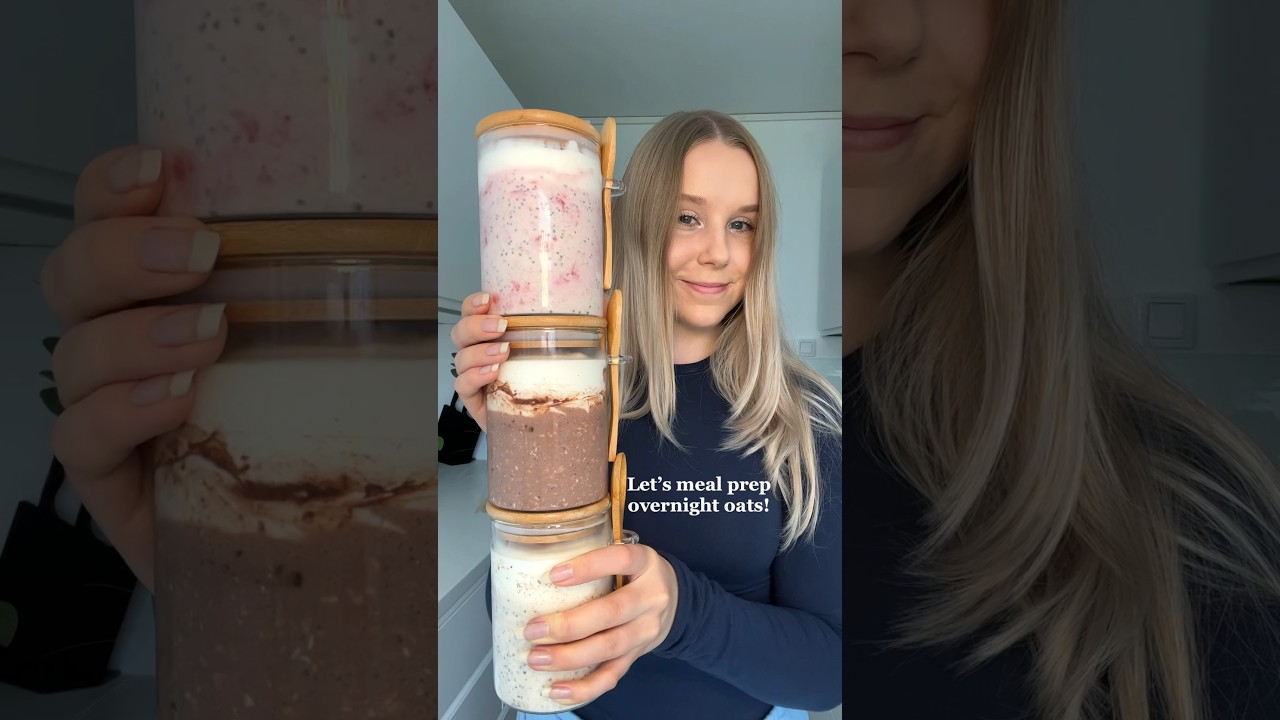
“Most overnight oats are just glorified dessert. They taste great, spike your blood sugar by 9am, and leave you hunting for a snack by 10. This version is engineered differently: Greek yogurt and vanilla protein powder together hit 38g of protein per jar — nearly double what a standard overnight oats recipe delivers — while the oat-flaxseed combination slows digestion enough that you actually stay full. Make four jars Sunday. Grab one each morning. Done.”
Why This Recipe Works
Overnight oats became a meal prep staple because of the math: zero active cooking time, four portions from one ten-minute session, grab-and-go format. The problem is that most overnight oats recipes are nutritionally closer to dessert than to a recovery breakfast. Standard versions clock around 18-20g of protein per serving — respectable, but not enough to meaningfully support muscle protein synthesis or suppress appetite past mid-morning.
This version solves that by stacking two high-quality protein sources on top of the oat base. Greek yogurt contributes casein, a slow-digesting dairy protein that releases amino acids gradually over four to six hours. Vanilla whey protein powder adds fast-acting whey on top of that. The combination creates a dual-phase protein delivery system in a jar: whey handles the immediate post-breakfast window, casein covers the hours after. The result is 38g of protein per serving — nearly double the original — without any meaningful change in taste or texture.
The Satiety Stack
Protein alone doesn't determine how full you stay. The slow digestion of old-fashioned rolled oats — driven by their high beta-glucan fiber content — pairs with the ground flaxseed's soluble fiber to create a sustained glucose release that keeps blood sugar stable well past the initial meal. This is why the recipe uses rolled oats specifically, not quick oats or instant. Pre-cooked oats digest too fast. You want the fiber matrix intact.
The tablespoon of almond butter adds healthy fats that further slow gastric emptying. Fat doesn't spike insulin. It lingers in the digestive tract, signaling fullness through hormonal pathways that carbohydrates don't trigger. Two tablespoons of honey provides just enough sweetness without excessive added sugar — less than most commercial granolas contain per serving on their own.
The Texture Problem Most Recipes Ignore
Creamy overnight oats don't happen by accident. They happen because the yogurt-to-milk ratio is correct and because the protein powder is fully incorporated before it touches the oats. This is the step that separates good jars from gummy, lumpy ones.
Protein powder — especially whey — is hydrophobic until you force it into suspension. It needs to be whisked aggressively into liquid before cold contact with the oats. A fork won't generate enough turbulence. A balloon whisk in a medium bowl with plenty of room to move is the right tool. Sixty seconds of real whisking, not stirring. The mixture should look like a thick protein shake before it goes anywhere near the jars.
Mason jars are the right vessel for a practical reason beyond aesthetics: their wide mouth makes layering and stirring easy, their airtight lid prevents the oats from absorbing refrigerator odors over four days, and going from fridge to table in the same container means one less dish. The 16-ounce size is exactly right for this portion — enough room to add granola and stir without overflow.
The Granola Rule
Add granola at serving time. Not the night before. Not an hour before. Right before you eat. This is non-negotiable. Granola in contact with the yogurt mixture for any extended time absorbs moisture and turns to wet, dense crumbs. Its entire contribution to the dish is textural contrast — the crunch against the creamy oats is what makes the eating experience satisfying rather than monotonous. Sacrifice the crunch and you're just eating a slightly gritty yogurt bowl.
The protein granola specification matters too. Most commercial granola runs 2-3g protein per serving and carries 12-15g of sugar. You want at least 5g protein per serving with the sugar kept reasonable. Check the label. If you can't find one that qualifies, the almond-and-dark-chocolate substitution in this recipe beats most commercial options on macros and flavor.
Four Days of Identical Breakfasts
The jars hold well through day four with one adjustment: add a splash of almond milk and stir before eating. Oats continue absorbing liquid past the initial overnight period, so each subsequent day the consistency is slightly thicker than the day before. A few tablespoons of milk and thirty seconds of stirring restores it exactly. This is a feature, not a flaw — the jars are still excellent on day four, just marginally denser than day one.
Make them Sunday night. Set your alarm two minutes earlier. Grab a jar on the way out. The compounding value of four identical frictionless breakfasts per week is difficult to overstate.
Where Beginners Mess This Up
Before we start, read this. These are the 4 reasons your 38g protein overnight oats (the meal prep breakfast that actually keeps you full) will fail:
- 1
Adding the granola too early: Granola mixed into the jar the night before turns to soggy mush by morning. Its entire job is textural contrast — it needs to go on at the last possible moment, right before you eat. Every extra minute it sits in contact with the yogurt mixture costs you crunch.
- 2
Not whisking the protein powder thoroughly: Protein powder clumps catastrophically when added directly to cold liquid without proper mixing. You must whisk the yogurt, milk, and protein powder together first — aggressively — until completely smooth before it touches the oats. Clumps don't dissolve overnight. They just become bigger, wetter clumps.
- 3
Under-chilling or skipping the rest time: Four hours is the minimum — eight is the target. The oats need sustained cold time to fully absorb the yogurt mixture and develop a creamy, pudding-like consistency. At two hours they're still grainy and wet. The difference between four hours and eight hours is the difference between fine and excellent.
- 4
Using instant oats instead of old-fashioned rolled oats: Instant oats are pre-cooked and break down too aggressively overnight. You end up with wallpaper paste texture by morning. Old-fashioned rolled oats absorb liquid at the right rate, maintaining structure while becoming tender. Do not substitute.
The Video Reference Library
Want to see it in action? Here are the exact videos we analyzed and combined to build this foolproof recipe translation:
The source video for this recipe's high-protein build. Clear walkthrough of the yogurt-protein mixture technique and proper layering order for maximum creaminess.
🛠️ Core Equipment
- Four 16-ounce mason jars with lidsWide-mouth mason jars stack efficiently in the fridge, seal airtight to prevent odor absorption, and go straight from fridge to table without dirtying extra dishes. Sixteen ounces is the right volume — enough room to stir and top without overflow.
- Medium mixing bowl and balloon whiskYou need volume and surface area to properly incorporate protein powder into the yogurt-milk base. A fork won't cut it — the whisk creates enough turbulence to fully emulsify the mixture and eliminate clumps before they set.
- Liquid measuring cupDividing the yogurt mixture evenly across four jars by eye produces inconsistent protein counts per serving. A measuring cup lets you portion exactly 0.75 cup per jar so every serving is identical — important for anyone tracking macros.
38g Protein Overnight Oats (The Meal Prep Breakfast That Actually Keeps You Full)
🛒 Ingredients
- ✦2 cups old-fashioned rolled oats
- ✦2 cups plain nonfat Greek yogurt
- ✦1 cup unsweetened almond milk
- ✦1/2 cup vanilla whey protein powder (about 2 scoops)
- ✦2 tablespoons natural almond butter
- ✦2 tablespoons raw honey
- ✦1 tablespoon ground flaxseed
- ✦1 teaspoon vanilla extract
- ✦1/2 teaspoon ground cinnamon
- ✦1/4 teaspoon sea salt
- ✦1 cup fresh blueberries
- ✦1/2 cup high-protein granola (at least 5g protein per serving)
👨🍳 Instructions
01Step 1
Divide the rolled oats evenly among four 16-ounce mason jars, using 1/2 cup per jar as your base layer.
02Step 2
Whisk together the Greek yogurt, almond milk, vanilla protein powder, almond butter, honey, vanilla extract, cinnamon, and sea salt in a medium bowl until completely smooth and lump-free.
03Step 3
Pour the yogurt mixture evenly over the oats in each jar, about 3/4 cup per jar.
04Step 4
Sprinkle 3/4 teaspoon of ground flaxseed into each jar and stir gently to distribute.
05Step 5
Top each jar with 1/4 cup of fresh blueberries.
06Step 6
Seal the jars tightly and refrigerate for at least 4 hours, ideally overnight (8+ hours).
07Step 7
Remove from the refrigerator, stir well, and add a splash of almond milk if the mixture is thicker than you prefer.
08Step 8
Add 2 tablespoons of high-protein granola to each jar immediately before eating. Do not add in advance.
Nutrition Per Serving
Estimates based on standard preparation. Adjustments alter macros.
🔄 Substitutions
Instead of Vanilla whey protein powder...
Use Unflavored collagen peptides (same quantity)
Reduces sweetness — add an extra teaspoon of honey to compensate. Collagen contributes 10g protein per scoop with a completely neutral flavor. It also dissolves more easily than whey, which is a bonus.
Instead of Plain nonfat Greek yogurt...
Use Plain 2% Greek yogurt
Adds roughly 40 calories per serving and noticeably improves creaminess. The fat content in 2% makes a real textural difference. Worth it if you're not strictly counting calories.
Instead of Natural almond butter...
Use Powdered peanut butter (3 tablespoons reconstituted with 1 tablespoon water)
90% less fat, 8g protein per serving, and a more pronounced nutty flavor. The texture integrates well into the yogurt mixture. Slightly less rich than whole-nut butter but substantially better macros.
Instead of High-protein granola topping...
Use 2 tablespoons chopped raw almonds plus 1 tablespoon dark chocolate chips
The almonds add 3g protein and satisfying crunch. The dark chocolate hits the sweetness cue without the refined sugar load most commercial granolas carry. Total added sugar stays under 5g.
🧊 Storage & Reheating
In the Fridge
Sealed mason jars keep well for up to 4 days. Add granola only at serving time. By day 3-4, stir in a splash of almond milk to restore creaminess.
In the Freezer
Not recommended for jars with fresh blueberries — they become watery on thaw. If freezing, omit the fruit and add fresh at serving time. Freeze for up to 1 month.
Reheating Rules
Eat cold straight from the jar, or microwave without the granola lid for 90 seconds if you prefer a warm version. Add granola after heating.
❓ Frequently Asked Questions
Can I use a different protein powder?
Yes, with caveats. Casein protein actually works better than whey here — it's designed to dissolve in cold liquid and produces a thicker, creamier texture overnight. Plant-based proteins (pea, rice) work but can add a slightly grainy mouthfeel. Whatever you use, choose a flavor you enjoy drinking straight — there's no cooking to mask off-flavors.
Why is my mixture so thick after overnight?
Oats are highly absorbent, and the Greek yogurt thickens further as it chills. This is normal. Add 2-3 tablespoons of almond milk before eating and stir vigorously until you reach your preferred consistency. The oats continue thickening past 8 hours, so day-4 jars will always need more liquid than day-1.
Can I make this without protein powder?
Yes — the recipe works without it, but drops to roughly 20g protein per serving (still solid for a no-cook breakfast). Skip the protein powder and increase the Greek yogurt by 1/2 cup to maintain volume and creaminess. You may want to add an extra teaspoon of honey for sweetness.
Are frozen blueberries okay to use?
Frozen blueberries work well, especially for jars you plan to eat on days 3-4. They hold their structure better than fresh over multiple days and release less liquid that can thin the oat mixture. Add them frozen — they'll thaw overnight in the fridge and stay cooler longer in the morning.
Can I use quick oats instead of rolled oats?
No. Quick oats are pre-cooked and break down too aggressively during the overnight soak. You'll end up with a paste-like texture by morning. Old-fashioned rolled oats absorb liquid at the right rate, staying tender but structured. If rolled oats are unavailable, use steel-cut oats — but increase the chilling time to 12+ hours.
How do I know the protein powder is fully mixed in?
The mixture should be completely smooth with no visible white streaks or clumps — similar in consistency to a thick protein shake. Tilt the bowl: if anything pulls away from the sides in chunks, keep whisking. Clumps do not dissolve overnight. What goes into the jar is what you'll eat in the morning.
The Science of
38g Protein Overnight Oats (The Meal Prep Breakfast That Actually Keeps You Full)
We turned everything on this page into a beautiful, flour-proof PDF cheat sheet. Print it out, stick it to your fridge, and never mess up your 38g protein overnight oats (the meal prep breakfast that actually keeps you full) again.
*We'll email you the high-res PDF instantly. No spam, just perfectly cooked meals.
AlmostChefs Editorial Team
We translate the internet's most popular cooking videos into foolproof, beginner-friendly written recipes. We analyze multiple methods, test them in our kitchen, and engineer a single "Master Recipe" that gives you the best possible result with the least possible stress.