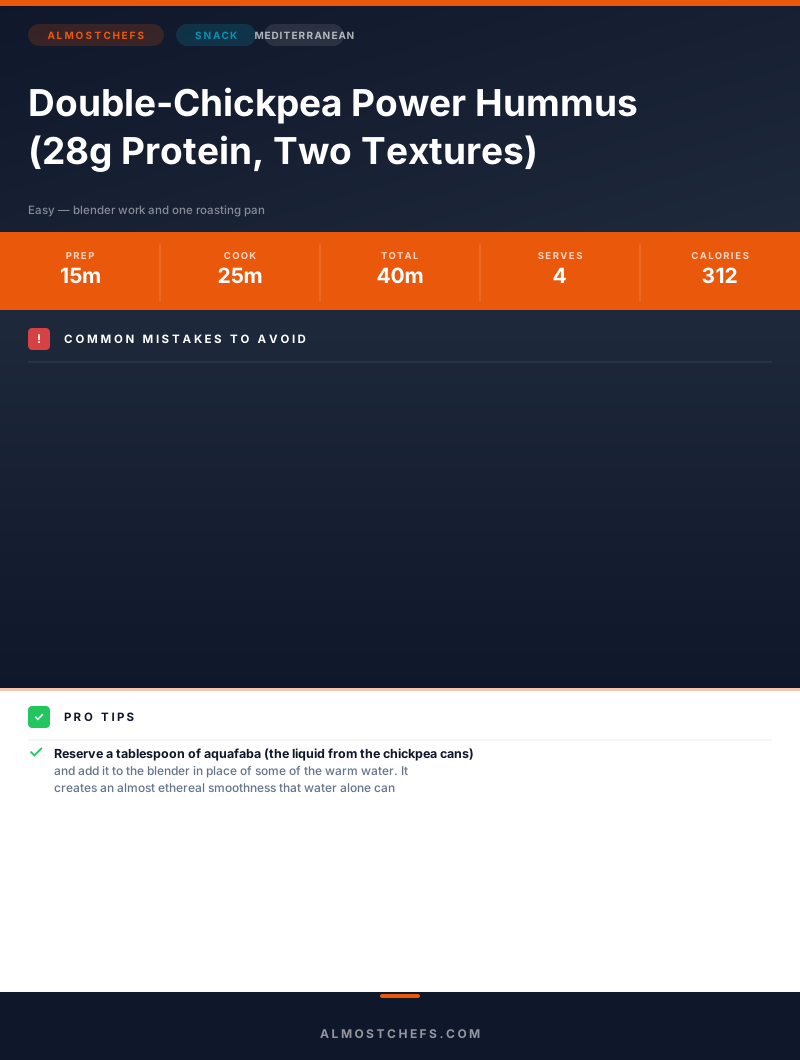
Double-Chickpea Power Hummus (28g Protein, Two Textures)
High-protein hummus that splits one batch of chickpeas into silky blended hummus and a second batch into crunchy roasted bites. Greek yogurt and tahini push it to 28g of protein per serving — creamy, satisfying, and ready in 40 minutes.

“Most hummus recipes top out at 10g of protein per serving and leave you hungry twenty minutes later. This version splits two cans of chickpeas down the middle — one batch goes into the blender with Greek yogurt and tahini for a silky, protein-dense base, the other gets roasted at high heat until it shatters into crunchy, spiced bites. The result is 28g of protein, two completely different textures from the same ingredient, and the kind of snack that actually holds you over between meals.”
Why This Recipe Works
The protein problem with hummus isn't the chickpeas. Chickpeas are actually a reasonably solid protein source — about 7g per half cup cooked. The problem is traditional hummus recipes use a relatively small amount of them per serving, then dilute the mixture with water, lemon juice, and olive oil until the protein is spread so thin it barely registers. You eat a serving, feel briefly full, and are hungry again before the vegetable sticks are done.
This version solves it architecturally: two full cans of chickpeas, Greek yogurt integrated directly into the base, and a second texture layer that forces you to eat the whole portion rather than a few cursory scoops.
The Dual-Chickpea Logic
Splitting the chickpeas between two preparations isn't a gimmick. It solves a real problem with single-texture hummus — it's monotonous, and monotony makes people stop eating before they've consumed a meaningful serving. The roasted bites provide crunch, visual contrast, and a spiced, caramelized flavor that the blended base can't produce. Together they make the dish interesting enough that you actually finish it.
The roasting science is straightforward: high dry heat (425°F) rapidly evaporates the surface moisture on each chickpea, then drives the Maillard reaction across the exposed exterior. This is why drying matters so much. Wet chickpeas spend the first 10 minutes of oven time just losing water — they never build enough surface temperature for browning until it's too late and the interior is already cooked through and going soft. Dry chickpeas hit browning temperatures fast, crisp up hard, and stay that way. A rimmed baking sheet with room for a single layer is the only equipment you strictly need.
The Greek Yogurt Integration
Greek yogurt in hummus is not a novelty. It's a protein delivery mechanism that also happens to improve the texture. The thick, slightly acidic yogurt blends seamlessly with the chickpea paste, contributing richness without the fat load of adding more tahini or olive oil. Nonfat Greek yogurt at 1/3 cup adds approximately 8-10g of protein while keeping the calorie count in check.
The acid in the yogurt also interacts usefully with the tahini — it prevents the sesame paste from seizing into a thick, gloppy mass during blending, which is the failure mode when you add too much tahini without a counterbalancing acid. The result is a base that's simultaneously creamier and higher in protein than traditional recipes.
Blending Is a Process, Not a Step
The most common mistake in home hummus production is treating the food processor like a pulse tool rather than a sustained emulsification machine. Two to three minutes on high speed is not excessive — it's the minimum required to break chickpea cell walls completely. A food processor with a wide bowl and a sharp blade handles this without stalling; a smaller machine may need to work in batches.
Warm water added gradually while the processor runs allows the tahini fats to emulsify properly rather than clumping. This is basic emulsion chemistry: warm fat disperses into liquid more readily than cold fat. The practical result is a hummus that's uniformly smooth rather than streaked with thick tahini pockets.
The Finish Line
Sumac on top is not decoration. It's a functional tartness layer — dried, ground sumac berries have a bright, lemony acidity that cuts through the richness of the tahini base and resets the palate between bites. Combined with the smoked paprika's subtle heat and the parsley's fresh bitterness, the garnish creates a three-note finish that makes each bite taste complete rather than flat.
This is the discipline that separates hummus that people eat politely from hummus they keep coming back to: every element has a job.
Where Beginners Mess This Up
Before we start, read this. These are the 4 reasons your double-chickpea power hummus (28g protein, two textures) will fail:
- 1
Not drying the chickpeas before roasting: Wet chickpeas steam in the oven instead of roasting. Every drop of residual moisture delays browning and produces chewy, soft bites instead of the crunchy texture you're after. Pat them completely dry with paper towels — take your time here. This single step separates crispy from disappointing.
- 2
Under-blending the hummus: Two minutes in the food processor is the minimum. Most people stop at 30 seconds when the mixture looks 'smooth enough.' Real creaminess requires the chickpea cell walls to fully break down, which takes sustained blending. Stop early and you get grainy hummus no matter how good your tahini is.
- 3
Adding cold water to the blender: Warm water emulsifies the tahini and chickpea mixture far more effectively than cold. Cold water tightens the fats in the tahini, producing a stiff, slightly broken texture. Use water that's warm to the touch — not boiling, just warm — and add it gradually while the processor runs.
- 4
Roasting chickpeas at too low a temperature: 425°F is not optional. Lower temperatures extend roasting time without building the surface crunch you need, and the bites come out leathery. High heat creates rapid moisture loss and the Maillard reaction on the exterior simultaneously. Don't reduce the temperature to 'be safe.'
The Video Reference Library
Want to see it in action? Here are the exact videos we analyzed and combined to build this foolproof recipe translation:

The core recipe this is based on. Focuses on the dual-chickpea method and why the Greek yogurt integration matters for both protein and texture.
2. How to Roast Chickpeas PerfectlyA detailed walkthrough of the drying and roasting process. Clear visual cues for when the bites have reached maximum crunch without burning.
3. Restaurant-Style Hummus at HomeCovers the blending science behind ultra-creamy hummus and why processing time matters more than ingredient quality.
🛠️ Core Equipment
- Food processor ↗A blender works in a pinch, but a food processor gives you more control over consistency and handles the thick chickpea paste without stalling. Run it on high for a full 2-3 minutes — the extra time is what produces restaurant-quality creaminess.
- Large rimmed baking sheet ↗The chickpeas need room to spread in a single layer. Crowding them creates steam and kills the crunch. A half-sheet pan is ideal — anything smaller and you're steaming, not roasting.
- Parchment paper ↗Prevents the chickpeas from sticking and makes cleanup trivial. Foil works but can cause uneven browning on the bottom. Parchment keeps the heat distribution even.
- Paper towels ↗For drying the roasting batch thoroughly. This is not a step you can skip or rush. Lay the chickpeas out in a single layer and press firmly — moisture is the enemy of crunch.
Double-Chickpea Power Hummus (28g Protein, Two Textures)
🛒 Ingredients
- ✦2 cans (15 oz each) chickpeas, drained and rinsed
- ✦1/4 cup tahini (sesame paste)
- ✦1/3 cup plain nonfat Greek yogurt
- ✦3 cloves garlic, minced
- ✦3 tablespoons fresh lemon juice
- ✦2 tablespoons extra virgin olive oil, divided
- ✦1 teaspoon ground cumin, divided
- ✦1/2 teaspoon smoked paprika, divided
- ✦1/4 teaspoon cayenne pepper
- ✦1/4 teaspoon sea salt, plus more to taste
- ✦2 tablespoons warm water, plus more as needed
- ✦2 tablespoons fresh flat-leaf parsley, finely chopped
- ✦1 teaspoon sumac or additional paprika for garnish
👨🍳 Instructions
01Step 1
Preheat your oven to 425°F and line a large baking sheet with parchment paper.
02Step 2
Pat dry one can of chickpeas thoroughly with paper towels to remove excess moisture.
03Step 3
Toss the dried chickpeas with 1 tablespoon olive oil, 1/2 teaspoon cumin, 1/4 teaspoon smoked paprika, and a pinch of sea salt. Spread in a single layer on the prepared baking sheet.
04Step 4
Roast for 20-25 minutes, shaking the pan halfway through, until golden brown and crispy. Set aside to cool.
05Step 5
While the chickpeas roast, combine the remaining can of chickpeas, tahini, Greek yogurt, minced garlic, lemon juice, 1 tablespoon olive oil, remaining 1/2 teaspoon cumin, and remaining 1/4 teaspoon smoked paprika in a food processor.
06Step 6
Blend on high for 2-3 minutes until completely smooth, stopping to scrape down the sides as needed.
07Step 7
With the processor running, pour in warm water gradually — just enough to reach a velvety, spoonable consistency that still holds its shape.
08Step 8
Taste and adjust with additional salt, lemon juice, or cayenne pepper as needed.
09Step 9
Transfer the hummus to a serving bowl and create a shallow well in the center with the back of a spoon.
10Step 10
Drizzle the remaining olive oil into the well and scatter with fresh parsley and sumac.
11Step 11
Top with the roasted chickpea bites, reserving a handful to scatter around the rim. Serve immediately with vegetable sticks, whole grain crackers, or pita chips.
Nutrition Per Serving
Estimates based on standard preparation. Adjustments alter macros.
🔄 Substitutions
Instead of Nonfat Greek yogurt...
Use Full-fat or 2% Greek yogurt
Richer mouthfeel and slightly higher calorie count, but better satiety. Pushes protein to around 30g per serving. Generally the better call unless you're strictly tracking calories.
Instead of Tahini...
Use Powdered peanut butter (PB2) mixed with 1 tablespoon water
More peanut-forward flavor profile. Reduces overall fat by roughly 8g per serving while adding a marginal protein bump. The texture is slightly less silky but still works well.
Instead of Fresh lemon juice...
Use Fresh lime juice plus 1/2 teaspoon sumac
More complex, tangy citrus note without changing the macro profile. The sumac contributes antioxidants and a distinctly Middle Eastern brightness that lemon alone doesn't have.
Instead of Roasted chickpea topping...
Use Roasted chickpeas plus 2 tablespoons roasted sunflower seeds or pumpkin seeds
Adds another complete protein source and more textural variety. Bumps total protein to approximately 32g per serving. The seeds also add zinc and magnesium.
🧊 Storage & Reheating
In the Fridge
Store the hummus base in an airtight container for up to 4 days. Press plastic wrap directly onto the surface to prevent oxidation and keep the top layer from drying out.
In the Freezer
Freeze the hummus base in portions for up to 3 months. Thaw overnight in the fridge and re-blend briefly if texture separates. Do not freeze roasted chickpeas — they turn rubbery.
Reheating Rules
Hummus is served at room temperature. Pull it from the fridge 20 minutes before serving. If it's too thick after refrigeration, stir in a teaspoon of warm water until it loosens.
❓ Frequently Asked Questions
Why is my hummus grainy instead of creamy?
You didn't blend long enough. Two minutes minimum on high speed — not 30 seconds when it looks smooth. The chickpea cell walls need sustained mechanical action to fully break down. Also check that your tahini was at room temperature before blending; cold tahini resists emulsification.
Can I use dried chickpeas instead of canned?
Yes, and the results will be better. Soak 1 cup dried chickpeas overnight, then cook until very soft — almost falling apart. The softer the chickpea, the creamier the hummus. The extra effort is worth it if you have the time.
Why did my roasted chickpeas turn out chewy instead of crunchy?
Two likely causes: they weren't dried enough before roasting (moisture prevents browning), or the oven wasn't hot enough. You need 425°F and completely dry chickpeas. If they still come out chewy, extend roasting time by 5-minute increments, checking after each.
How do I get 28g of protein if traditional hummus only has 10g?
Two mechanisms: doubling the chickpea quantity (one full can in the blended base rather than splitting the protein across a smaller amount) and adding Greek yogurt, which contributes roughly 8-10g of protein per 1/3 cup. Together they more than double the protein of a standard recipe.
Can I make this ahead for meal prep?
The hummus base is excellent for meal prep and actually improves after a day in the fridge as the garlic mellows. Make it up to 3 days ahead. Roast the chickpea bites day-of or store them separately and add just before eating — they go soft within a few hours of sitting on the hummus.
Is this recipe vegan?
Not quite — the Greek yogurt makes it vegetarian but not vegan. For a fully plant-based version, substitute the Greek yogurt with cashew cream (soaked raw cashews blended with water until smooth) or a thick coconut yogurt. Protein per serving will drop to approximately 15-18g depending on your substitute.
The Science of
Double-Chickpea Power Hummus (28g Protein, Two Textures)
We turned everything on this page into a beautiful, flour-proof PDF cheat sheet. Print it out, stick it to your fridge, and never mess up your double-chickpea power hummus (28g protein, two textures) again.
*We'll email you the high-res PDF instantly. No spam, just perfectly cooked meals.
AlmostChefs Editorial Team
We translate the internet's most popular cooking videos into foolproof, beginner-friendly written recipes. We analyze multiple methods, test them in our kitchen, and engineer a single "Master Recipe" that gives you the best possible result with the least possible stress.