32g Protein Mug Cake (Done in 90 Seconds)
A high-protein microwave mug cake that packs 32g of protein per serving using Greek yogurt, protein powder, and egg. We engineered the exact ratio that produces a moist, fluffy crumb without chalky aftertaste — ready in under two minutes.
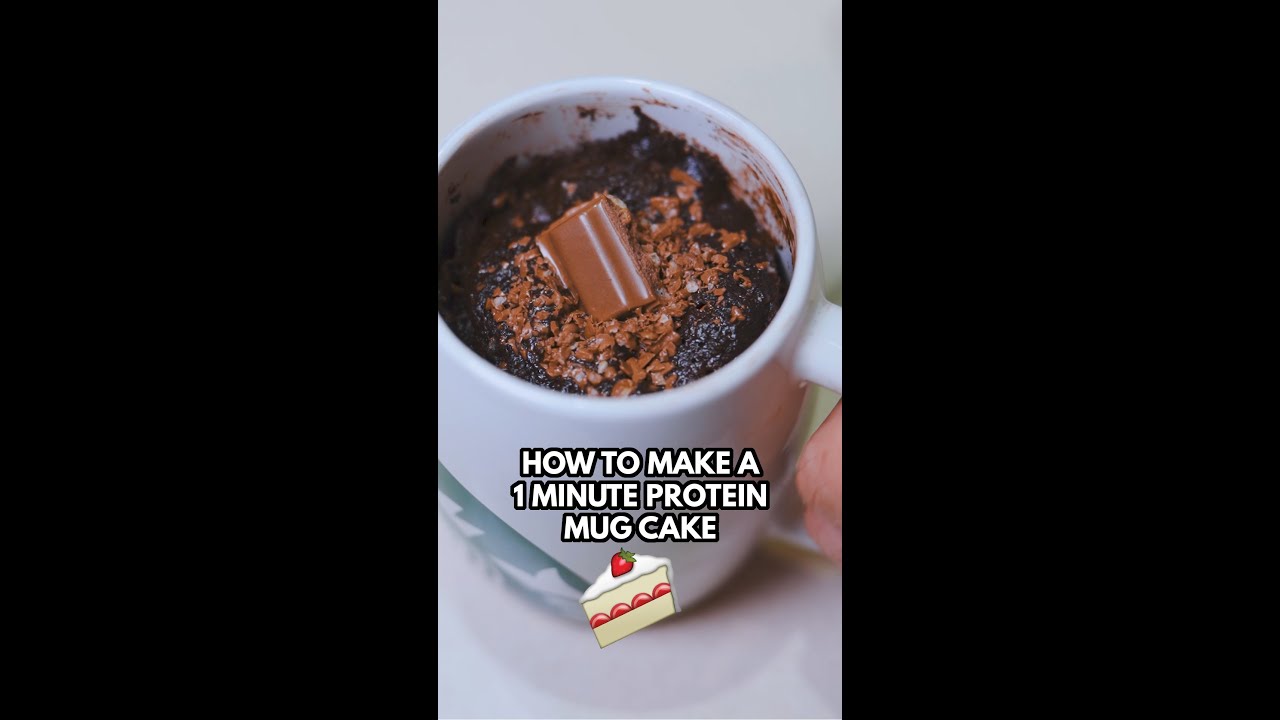
“Most protein desserts taste like a compromise. Chalky powder, rubbery texture, a macros label you have to squint at to feel good about. This mug cake is different — 32g of protein in a warm, fudgy cake that takes less time to make than scrolling for something to watch while you eat it. The trick is Greek yogurt doing double duty as both the moisture source and the protein backbone, so the powder stays in the background where it belongs.”
Why This Recipe Works
A mug cake is not a real cake. Real cake involves structure-building gluten networks, Maillard browning on exposed surfaces, and the slow even heat of an oven that gives proteins and starches time to set without shocking. A mug cake is a microwave omelet wearing cake's clothes — and the sooner you accept that, the better your mug cake gets.
The trick is engineering around what microwave heat actually does rather than fighting it.
The Protein Problem
Standard mug cake recipes use butter, oil, and flour. Simple. But the moment you chase a 32g protein target, you're working with Greek yogurt, protein powder, and egg — three ingredients that respond to microwave heat very differently than fat-based batters.
Greek yogurt is 85% water. That water converts to steam aggressively in a microwave, which creates lift. It's also acidic, which activates the baking powder. And its casein proteins set slowly, giving you a moist crumb rather than a bouncy rubber disc. Yogurt is doing three jobs simultaneously — moisture, leavening activation, and structure — and it does all of them better than butter in this context.
Protein powder is the ingredient most people get wrong. Whey isolate behaves like a concentrated egg white: it coagulates fast under heat and toughens significantly when overworked mechanically. Sifting it prevents clumps from forming dense pockets that never cook through. Gentle stirring prevents the proteins from cross-linking prematurely. Thirty seconds of overmixing turns a 90-second cake into a protein hockey puck.
The Espresso Lever
One quarter teaspoon of instant espresso powder looks like nothing in a bowl. In the finished cake, it's the difference between flat, one-dimensional chocolate and something that registers as genuinely rich. This is a technique borrowed from professional pastry kitchens: coffee compounds bind to the same taste receptors as cocoa phenols and amplify their signal. You don't taste coffee. You taste more chocolate. It costs you nothing on macros and takes half a second.
The 90-Second Window
Microwave wattage varies between 700W and 1200W in home kitchens. A 90-second bake at 1000W is not the same as 90 seconds at 700W. The check at 75 seconds exists for this reason — press the top of the cake gently. If it springs back with slight resistance, you're done. If it sinks and feels liquid, give it the remaining 15 seconds and check again.
The 2-minute rest is the second half of the cook. Residual heat carries the center temperature up by roughly 10 degrees after the microwave stops. If you eat immediately, the center is underdone. If you wait the two minutes, the microwave-safe mug retains enough heat to finish the job. This is the same principle as resting a steak — the cooking isn't actually done when the heat source turns off.
Why This Beats a Protein Bar
The satiety difference between 32g of protein in liquid form versus protein in a solid, warm, cooked form is meaningful. Solid food requires more digestive work, which triggers earlier satiety hormone release. The fat from the almond butter and egg yolk further slows gastric emptying. You feel full longer than the macros alone would suggest — which is the entire point of designing a post-workout snack that doesn't leave you raiding the kitchen twenty minutes later.
Seven minutes from start to finish. Thirty-two grams of protein. One mug to wash.
Where Beginners Mess This Up
Before we start, read this. These are the 4 reasons your 32g protein mug cake (done in 90 seconds) will fail:
- 1
Overmixing after adding the protein powder: Protein powder contains whey or casein isolates that toughen significantly when overworked. Stir until just combined — 10 to 15 strokes maximum. A few small lumps are fine. An overworked batter produces a dense, rubbery puck instead of a tender crumb.
- 2
Running the microwave past 90 seconds: Mug cake physics move fast. At 90 seconds, the cake is set on top and still slightly tender in the center — which is exactly right, because it continues cooking from residual heat for 2 minutes after you pull it. If you go to 2 full minutes, the egg proteins over-coagulate and you get a bouncy disc, not a cake.
- 3
Skipping the sifting step: Protein powder and cocoa clump aggressively when they hit wet ingredients. Unsifted powder creates dry pockets that never fully integrate, giving you chalky bites in an otherwise good cake. Sift directly into the mug — 10 extra seconds that change the entire texture.
- 4
Using a narrow mug: The batter needs room to rise. A standard coffee mug (at least 12 oz) is the minimum — anything narrower causes the cake to volcano over the sides or compress into a dense column instead of a light rise.
The Video Reference Library
Want to see it in action? Here are the exact videos we analyzed and combined to build this foolproof recipe translation:
The primary reference video covering the yogurt-and-egg base technique and the 90-second microwave timing. Clear visual guide to what 'set on top, tender in the center' looks like before the rest period.
🛠️ Core Equipment
- 12-oz or larger microwave-safe mugThe single non-negotiable piece of equipment. The mug acts as both mixing vessel and baking dish. Too small and the batter overflows; too wide and the cake spreads thin and dries out unevenly.
- Fine-mesh sieve or small strainerFor sifting protein powder, cocoa, and flour directly into the mug. Eliminates clumps before they start. A fork pressed through a standard strainer works in a pinch but takes longer.
- Small whisk or forkTo emulsify the yogurt and egg before dry ingredients go in. A fork leaves more streaks; a small whisk gets the base completely smooth in half the time.
32g Protein Mug Cake (Done in 90 Seconds)
🛒 Ingredients
- ✦1/2 cup plain nonfat Greek yogurt
- ✦1 large egg
- ✦1/4 cup vanilla protein powder
- ✦2 tablespoons all-purpose flour
- ✦1 tablespoon unsweetened cocoa powder
- ✦1/4 teaspoon baking powder
- ✦1/8 teaspoon salt
- ✦1/4 teaspoon vanilla extract
- ✦2 tablespoons unsweetened almond milk
- ✦1/2 tablespoon natural almond butter
- ✦1/4 teaspoon instant espresso powder
- ✦1 tablespoon dark chocolate chips
- ✦1/4 teaspoon honey or maple syrup for drizzling
👨🍳 Instructions
01Step 1
Combine the Greek yogurt and egg in a microwave-safe mug, whisking vigorously until completely smooth and no streaks remain.
02Step 2
Sift the protein powder, all-purpose flour, cocoa powder, baking powder, and salt directly into the mug to prevent lumps.
03Step 3
Stir in the vanilla extract, almond milk, and espresso powder until the batter comes together with no dry flour visible.
04Step 4
Fold in the almond butter and dark chocolate chips gently, distributing them evenly throughout the batter.
05Step 5
Microwave the mug on high power for 90 seconds, checking at the 75-second mark — the cake should rise above the rim and feel set on top but still slightly tender.
06Step 6
Let the mug cool for 2 minutes before eating directly from it or turning it out onto a plate.
07Step 7
Drizzle with honey and serve warm, optionally topped with a dollop of Greek yogurt or a sprinkle of cocoa powder.
Nutrition Per Serving
Estimates based on standard preparation. Adjustments alter macros.
🔄 Substitutions
Instead of Vanilla protein powder...
Use Chocolate protein powder
Creates a richer, more intense chocolate profile. Reduce cocoa powder to 1/2 tablespoon to avoid bitterness. Still hits 32g protein.
Instead of Plain nonfat Greek yogurt...
Use Plain low-fat cottage cheese blended smooth
Pushes protein up to 35g per serving and creates a denser, more cake-like crumb. Blend the cottage cheese completely smooth before using — any curds will create a lumpy batter.
Instead of Almond butter...
Use Powdered peanut butter mixed with 1 teaspoon water
Reduces fat significantly while adding protein and a more assertive peanut flavor. The oil content drops, so the cake will be slightly less rich but cleaner on macros.
Instead of All-purpose flour...
Use Oat flour or almond flour
Oat flour adds fiber and a chewier, more substantial texture. Almond flour creates a more tender, slightly nutty crumb. Both work well — oat flour is closer to the original result.
🧊 Storage & Reheating
In the Fridge
Cover the mug tightly and refrigerate for up to 2 days. The texture firms considerably when cold — best eaten warm.
In the Freezer
Not recommended. The Greek yogurt and egg structure breaks down when frozen and thawed, resulting in a grainy, wet crumb.
Reheating Rules
Microwave on 50% power for 30-45 seconds. Full power reheating turns the egg proteins tough. Lower power brings it back to near-fresh texture.
❓ Frequently Asked Questions
Why does my mug cake come out rubbery?
Two likely causes. First, you overmixed after adding the protein powder — the whey proteins toughen under mechanical stress. Stir minimally. Second, you microwaved too long. At 90 seconds, the cake should still feel slightly underdone. It finishes cooking during the 2-minute rest.
Can I make this without protein powder?
You can, but the texture changes significantly. Replace the protein powder with an equal volume of all-purpose flour and add an extra tablespoon of Greek yogurt to compensate for moisture. The protein drops to roughly 15g per serving.
Why add espresso powder to a chocolate cake?
Espresso amplifies cocoa's existing flavor compounds without contributing identifiable coffee taste at this quantity. It's a professional baking technique that makes chocolate taste more intensely like chocolate. Skip it if you're sensitive to caffeine — the difference is noticeable but the cake works without it.
Can I double the recipe?
Double the ingredients but use a large bowl, not a mug, and increase microwave time to 2 minutes 30 seconds. Check at 2 minutes. Doubling in the same mug overflows and creates uneven cooking.
My cake sank in the center. What happened?
The baking powder didn't activate properly. This usually means the almond milk was too cold — use room temperature or slightly warm milk. Cold liquid slows the leavening reaction and the cake loses its rise before it sets.
Is 32g of protein actually achievable in a mug cake?
Yes — this specific combination of nonfat Greek yogurt (17g), vanilla protein powder (24g in a standard scoop), and egg (6g) legitimately hits 32g before accounting for minor contributions from the almond butter and flour. Check your protein powder label since scoops vary by brand.
The Science of
32g Protein Mug Cake (Done in 90 Seconds)
We turned everything on this page into a beautiful, flour-proof PDF cheat sheet. Print it out, stick it to your fridge, and never mess up your 32g protein mug cake (done in 90 seconds) again.
*We'll email you the high-res PDF instantly. No spam, just perfectly cooked meals.
AlmostChefs Editorial Team
We translate the internet's most popular cooking videos into foolproof, beginner-friendly written recipes. We analyze multiple methods, test them in our kitchen, and engineer a single "Master Recipe" that gives you the best possible result with the least possible stress.