High-Protein Cookie Dough Bites (28g Protein, No Bake)
No-bake cookie dough bites that actually deliver 28g of protein per serving without tasting like a supplement. Built on almond butter, Greek yogurt, and vanilla whey, these bites nail the nostalgic raw dough flavor while keeping your macros honest. Perfect for meal prep, post-workout cravings, or late-night snacking without the guilt spiral.
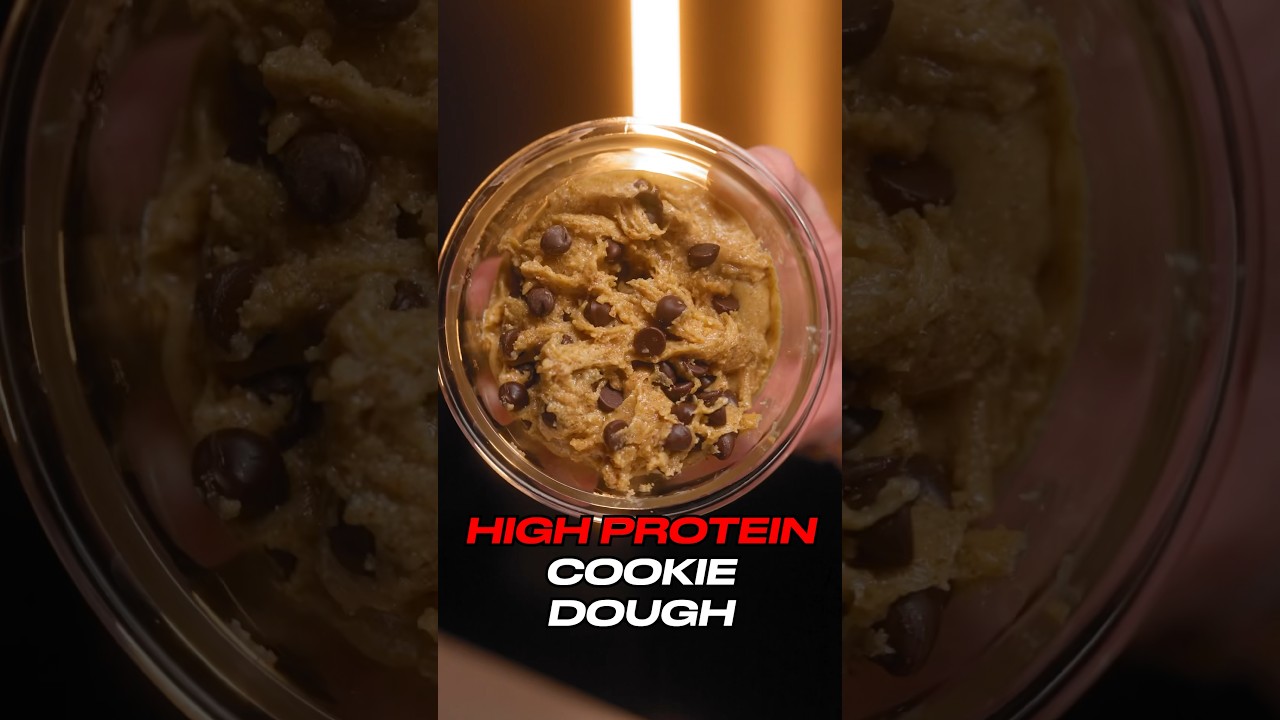
“Most protein snacks fail at the one thing they promise: tasting good. They nail the macros and miss the point. These bites work because the almond butter provides richness, the Greek yogurt replaces most of the fat without killing the creaminess, and the vanilla whey rounds out a flavor that reads as dessert, not medicine. Twenty-eight grams of protein per serving. Tastes like you made a bad decision. You didn't.”
Why This Recipe Works
Cookie dough bites have a credibility problem. Every fitness influencer has a version. Most of them taste like chalk wrapped in almond butter and optimism. The macros look great on paper; the eating experience is a different conversation.
The reason most high-protein no-bake bites fail comes down to a fundamental tension: protein powder is dry and binding, and the things that make cookie dough taste good — butter, sugar, richness — work against the protein goals. The solution isn't to accept that trade-off. It's to find ingredients that do double duty.
Almond Butter as Architecture
Natural almond butter is the structural backbone of this recipe. It provides fat for richness, binding for cohesion, and a neutral-to-sweet flavor that doesn't fight the vanilla protein. More importantly, it's doing the job that raw flour does in traditional cookie dough — giving the mixture body without requiring heat to set.
The catch is consistency. A quality mixing bowl matters less than the state of your almond butter. Natural butters separate, and the oil-to-solid ratio varies dramatically between jars and brands. If yours is loose and pourable, your dough will never firm properly no matter how long you chill it. Stir it thoroughly before measuring, refrigerate if needed, and aim for creamy-thick — the texture of smooth peanut butter, not tahini.
Greek Yogurt as the Fat Trade
Non-fat Greek yogurt replaces most of the butter that would otherwise make these calorie-dense and macro-unfriendly. It contributes creaminess, tanginess, and moisture — but more importantly, it contributes casein and whey proteins of its own. Combined with the vanilla whey powder, you're stacking complementary protein sources: fast-absorbing whey for the post-workout window and slower-digesting casein for sustained satiety.
The yogurt also acts as a flavor buffer. Raw protein powder has a distinct aftertaste that even high-quality vanilla whey can't fully hide on its own. Yogurt's lactic acid rounds off those sharp edges, making the protein flavor read as vanilla dairy rather than supplement.
The Sifting Imperative
Protein powder is the most technically demanding ingredient in this recipe, and it's also the one most people handle carelessly. Dump it straight into wet ingredients and it immediately clumps — the outer surface hydrates and seals in dry powder, creating chalky pockets that no amount of stirring can fix.
Sift it through a fine-mesh sieve and fold it in gradually. The sieve breaks up pre-existing clumps before they touch moisture. The folding technique — slow, deliberate strokes from the bottom of the bowl — incorporates the powder evenly without overworking the dough. Sixty seconds of proper folding is worth more than five minutes of aggressive stirring.
Why the Chill Time Is Non-Negotiable
The two-hour refrigeration period isn't about food safety — the ingredients are all shelf-stable. It's about structural chemistry. The proteins in the whey powder and Greek yogurt need time to form a stable matrix at cold temperatures. The fats in the almond butter and butter need to solidify. Neither process happens in 30 minutes.
Bite into one at an hour and you'll think the recipe is broken. Give it the full two hours and the texture transforms — dense, smooth, and cleanly scoopable with none of the soft slackness of underset dough.
The Chocolate and Nut Calculus
Mini chips distribute more evenly than standard chips, ensuring every bite has chocolate rather than some bites having a lot and others having none. The chopped nuts add a textural contrast that keeps the bites interesting past the first one — smooth protein dough benefits from something to interrupt the monotony.
The honey drizzle at the end is mostly aesthetic, but it serves a secondary purpose: it seals the surface slightly, preventing the outer layer from drying out during the long refrigerator chill. A dried surface makes bites look stale. A honey-sealed surface looks finished.
This recipe requires a bowl, a sieve, a scoop, and two hours of patience. That's the full ask.
Where Beginners Mess This Up
Before we start, read this. These are the 4 reasons your high-protein cookie dough bites (28g protein, no bake) will fail:
- 1
Not sifting the protein powder: Protein powder clumps hard when it hits wet ingredients. If you dump it straight in, you get chalky pockets distributed through otherwise perfect dough. Sift it in and fold slowly — 60 seconds of patience eliminates a texture problem that ruins the whole batch.
- 2
Using drippy almond butter: Natural almond butter separates and varies wildly in oil content. If yours is very runny, your dough will never firm up in the fridge — it'll stay sticky and slack. Stir your jar thoroughly before measuring, and if the butter looks oily, refrigerate it for 20 minutes first. You want creamy and thick, not pourable.
- 3
Skipping the chill time: Two hours is not a suggestion. The dough needs that time for the proteins to set and the fats to firm up. Bite into one at 30 minutes and you'll think the recipe is broken. Give it the full chill and the texture locks in completely — dense, smooth, and scoopable.
- 4
Using low-quality protein powder: Cheap whey powders are loaded with fillers and artificial sweeteners that compete with the vanilla and almond flavor. They also mix poorly, creating gummy or chalky spots. Spend on a clean vanilla whey with a short ingredient list — the flavor difference is immediate.
The Video Reference Library
Want to see it in action? Here are the exact videos we analyzed and combined to build this foolproof recipe translation:
The source video for this recipe. Covers the wet ingredient technique and demonstrates the dough consistency you're targeting before rolling.
🛠️ Core Equipment
- Medium mixing bowlYou need enough room to fold without flicking dough across your kitchen. A wide, shallow bowl gives you control when incorporating the protein powder.
- Small cookie scoop (1-tablespoon size)Portion consistency matters for nutrition tracking. A scoop gives you uniform bites that actually reflect the calorie count. Rolling by hand produces bites that vary by 30% in size.
- Parchment-lined baking sheet or plateThe bites need to chill flat without sticking. Parchment lets you peel them off cleanly after the chill sets them. Plastic wrap on a plate works in a pinch but the bites can fuse together.
- Fine-mesh sieveFor sifting the protein powder. Non-negotiable if you want smooth dough. A fork dragged through the powder before adding is a distant second option.
High-Protein Cookie Dough Bites (28g Protein, No Bake)
🛒 Ingredients
- ✦1 cup natural almond butter, creamy
- ✦1/2 cup non-fat Greek yogurt, plain
- ✦1/3 cup vanilla whey protein powder (about 8 scoops)
- ✦1/4 cup coconut sugar or brown sugar
- ✦2 tablespoons unsalted butter, softened
- ✦1 teaspoon pure vanilla extract
- ✦1/4 teaspoon sea salt
- ✦1/4 teaspoon cinnamon
- ✦1/2 cup mini semi-sweet chocolate chips
- ✦2 tablespoons chopped raw almonds or walnuts
- ✦1 tablespoon honey or maple syrup
👨🍳 Instructions
01Step 1
Combine the almond butter, Greek yogurt, and softened butter in a medium mixing bowl. Stir until smooth and fully incorporated.
02Step 2
Sift the vanilla protein powder into the wet mixture. Fold gently until fully blended, about 60 seconds of steady folding.
03Step 3
Add the coconut sugar, vanilla extract, sea salt, and cinnamon. Stir until the dough reaches a thick, uniform consistency similar to stiff cookie dough.
04Step 4
Fold in the mini chocolate chips and chopped nuts, reserving a small handful of each for topping.
05Step 5
Line a baking sheet or large plate with parchment paper.
06Step 6
Using a 1-tablespoon cookie scoop, portion the dough and roll each piece between your palms into a smooth ball roughly the size of a walnut.
07Step 7
Place each bite on the prepared parchment, spacing them about 1 inch apart.
08Step 8
Drizzle honey or maple syrup over the tops, then press a few reserved chocolate chips and nut pieces into each bite.
09Step 9
Refrigerate for at least 2 hours, until firm and set.
10Step 10
Transfer to an airtight container. Refrigerate for up to 10 days or freeze for up to 3 weeks.
Nutrition Per Serving
Estimates based on standard preparation. Adjustments alter macros.
🔄 Substitutions
Instead of Vanilla whey protein powder...
Use Vanilla plant-based protein powder (pea or hemp blend)
Slightly earthier flavor but equally creamy. May need 1 extra tablespoon of Greek yogurt to compensate for differences in how plant proteins absorb moisture.
Instead of Non-fat Greek yogurt...
Use Cottage cheese, blended smooth
Tangier, denser texture. Blend completely until no curds remain — any graininess will be amplified after chilling. Adds 2-3g protein per serving.
Instead of Natural almond butter...
Use Powdered peanut butter (PB2) mixed with 2 tablespoons water
Less rich and less creamy. Add 1 extra tablespoon honey for sweetness and binding. Reduces fat significantly for those watching intake.
Instead of Mini semi-sweet chocolate chips...
Use Dark chocolate chips (70% cacao) or chopped dark chocolate
Slightly bitter and more complex. Use the same quantity. Adds antioxidants and reduces sugar without losing that essential chocolate moment.
🧊 Storage & Reheating
In the Fridge
Store in an airtight container for up to 10 days. Keep them in a single layer or separate layers with parchment to prevent sticking.
In the Freezer
Freeze in a zip-lock bag or airtight container for up to 3 weeks. Place parchment between layers. Thaw individually at room temperature for 5 minutes.
Reheating Rules
No reheating needed or recommended. Serve cold from the fridge or slightly thawed from the freezer. Heat destroys the texture.
❓ Frequently Asked Questions
Why is my dough too sticky to roll?
Your almond butter was too oily. Refrigerate the dough for 15-20 minutes before rolling — the fats will firm up and the dough becomes workable. Lightly dampened palms also help prevent sticking without adding enough moisture to change the texture.
Can I use a different protein powder flavor?
Yes, but vanilla is the safest choice because it complements the almond butter and chocolate without competing. Chocolate protein powder works well and intensifies the chocolate flavor. Unflavored whey will taste bland — add an extra teaspoon of vanilla extract to compensate.
Are these actually safe to eat raw? No eggs?
Yes. There are no eggs and no raw flour, which are the two actual food safety concerns with traditional raw cookie dough. Protein powder, almond butter, and Greek yogurt are all shelf-stable or already pasteurized ingredients.
How do I increase the protein count further?
Add a second scoop of protein powder and reduce the coconut sugar by half. The texture will get denser and slightly drier — compensate with an extra tablespoon of Greek yogurt. You can also swap the almond butter for cottage cheese blended smooth, which adds casein protein.
Can I make these without protein powder?
You can, but you'll lose the structural binding the powder provides and the protein count drops dramatically. Substitute 1/3 cup of oat flour for a similar texture — the bites will taste like traditional energy balls rather than protein bites.
Why do the bites taste chalky?
The protein powder wasn't sifted before adding, or it was folded in too aggressively. Sift it in, fold gently for 60 seconds, and if the dough still tastes chalky, add a tablespoon more Greek yogurt and let it rest for 5 minutes before rolling. The yogurt moisture helps dissolve residual dry pockets.
The Science of
High-Protein Cookie Dough Bites (28g Protein, No Bake)
We turned everything on this page into a beautiful, flour-proof PDF cheat sheet. Print it out, stick it to your fridge, and never mess up your high-protein cookie dough bites (28g protein, no bake) again.
*We'll email you the high-res PDF instantly. No spam, just perfectly cooked meals.
AlmostChefs Editorial Team
We translate the internet's most popular cooking videos into foolproof, beginner-friendly written recipes. We analyze multiple methods, test them in our kitchen, and engineer a single "Master Recipe" that gives you the best possible result with the least possible stress.