Double-Chocolate Protein Brownie Bites (28g Protein, Zero Chalkiness)
Fudgy, dense chocolate brownie bites built on Greek yogurt and chocolate protein powder for 28g of protein per serving. We worked out exactly why most protein baked goods taste like sawdust — and how to fix every single variable.
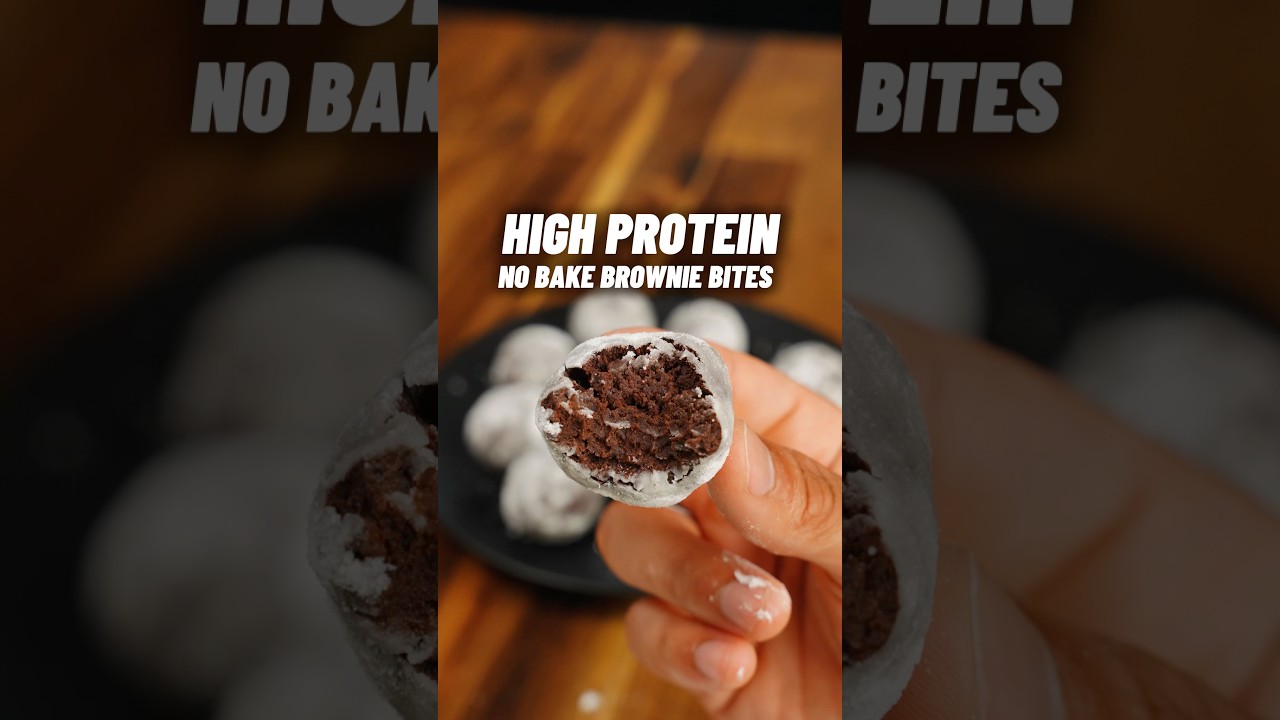
“Most protein brownies taste exactly like you'd expect a protein brownie to taste: dry, chalky, and vaguely chocolatey in the way that sadness is vaguely an emotion. This recipe is different because it treats the protein powder as a flour substitute, not a supplement dump. Combine that with Greek yogurt as the moisture anchor and two separate chocolate sources, and you get a brownie bite that actually needs to be defended from non-gym people in your household.”
Why This Recipe Works
Most protein baked goods are built backwards. The protein powder gets treated as an add-on — dump a scoop into your favorite brownie recipe, hope for the best, then wonder why the result tastes like a chocolate-flavored chalk board eraser. This recipe starts from the protein requirement and builds the flavor system around it. The difference is not subtle.
The Moisture Architecture
Greek yogurt is doing the hardest work in this recipe, and it's doing three separate jobs simultaneously. First, it provides a significant portion of the protein target — nonfat Greek yogurt runs around 17g of protein per 100g, which is roughly equivalent to chicken breast by weight. Second, its thick, creamy consistency holds the batter together in the absence of conventional flour structure. Third, its natural acidity reacts with the baking powder to produce carbon dioxide bubbles that give the bites lift and a tender, open crumb rather than a dense rubber disc.
Almond butter and coconut oil split the fat duties. The almond butter contributes body and its own modest protein load — about 3-4g per serving from this recipe's quantity. The coconut oil provides the saturated fat that keeps the bite moist even after refrigeration. Without it, protein bakes turn dry and crumbly within 24 hours.
Why Oat Flour and Not All-Purpose
Rolled oats processed into fine flour do something conventional flour cannot: they bring dietary fiber and a neutral, slightly sweet flavor that complements cocoa without competing with it. All-purpose flour in protein bakes produces a denser, less interesting crumb that amplifies the chalky notes of the protein powder. Oat flour's lower starch density also means less competition with the protein powder for moisture absorption, which results in a more evenly textured bite.
The processing step matters. A food processor running for a full minute turns oats into something genuinely flour-like. Thirty seconds gets you a coarse meal that bakes unevenly — some spots gummy, some spots grainy. Don't shortcut it.
Two Chocolates, Two Jobs
Unsweetened cocoa powder and dark chocolate chips are not interchangeable, and they're not doing the same thing. Cocoa powder provides the deep, bitter, complex base chocolate flavor and absorbs moisture to build batter structure. The chips melt during baking and create pools of sweeter, creamier chocolate throughout the bite — flavor pockets that interrupt the base note and prevent monotony.
Use cocoa powder rated at 22-24% fat (Dutch-process or natural both work here). Higher fat cocoa undermines the batter structure. Use chocolate chips at 70% cacao minimum — anything below that is mostly sugar, which throws off the macros without meaningfully improving flavor.
The Fold Discipline
Protein powder contains denatured proteins that behave similarly to gluten when agitated. Overmix this batter and the proteins cross-link, producing a rubbery, dense texture that no amount of correct baking will fix. The fifteen-to-twenty-fold rule is not approximate — it is a hard ceiling. The batter will look underworked and slightly streaky. Bake it anyway. It will come together in the oven, and the result will be chewy and fudgy instead of dense and resilient.
The muffin tin provides structural support that a flat pan doesn't — each bite has walls to climb while it sets, which is why the individual portion format produces a better texture than cutting from a sheet pan. The shape also maximizes the crust-to-interior ratio, giving you more of the slightly firmer exterior that contrasts with the fudgy center.
Protein Math
Twenty-eight grams per serving sounds aggressive for a snack bite. It isn't, because the protein is coming from three separate, complete sources: Greek yogurt, protein powder, and whole eggs. No single source is carrying the load, which means no single source is present at a concentration high enough to produce off-flavors. This is the actual secret of protein baking that most recipes miss — distribute the protein across multiple ingredients and none of them tastes like a supplement.
Where Beginners Mess This Up
Before we start, read this. These are the 4 reasons your double-chocolate protein brownie bites (28g protein, zero chalkiness) will fail:
- 1
Overmixing the batter: Protein powder contains whey or casein proteins that activate like gluten when overworked. Fifteen to twenty folds with a spatula is your ceiling. Beyond that, the bites turn dense and rubbery instead of fudgy and chewy. Stop while the batter still looks slightly uneven — it will come together in the oven.
- 2
Underbaking and calling it fudgy: There's a difference between intentionally fudgy and genuinely underdone. Pull the bites when a toothpick shows a few moist crumbs, not wet batter. Underdone protein bakes have a gummy, gluey center from unset protein powder — not the same as the rich, dense chew you're after.
- 3
Skipping the oat flour step: Whole rolled oats will not work. You need to process them into a fine flour — about one full minute in a food processor — or the bites have a gummy, unpleasant texture and the oats absorb moisture unevenly. Fine oat flour distributes through the batter like any other flour and gives you a clean, uniform crumb.
- 4
Adding protein powder to the wet bowl: Protein powder clumps aggressively when it hits wet ingredients. Mix all dry ingredients together first — oat flour, cocoa, protein powder, baking powder, salt — and break up any clumps before the wet ingredients ever touch the bowl. This is the single biggest factor in eliminating chalky pockets.
The Video Reference Library
Want to see it in action? Here are the exact videos we analyzed and combined to build this foolproof recipe translation:
The primary source video showing the complete technique from oat milling through baking. Clear close-ups of batter consistency and the toothpick test at the right doneness level.
🛠️ Core Equipment
- Food processorNon-negotiable for turning rolled oats into fine flour. A blender works in a pinch but the oat flour will be less uniform. Pre-made oat flour is a valid shortcut if you want to skip this step entirely.
- Standard 12-cup muffin tinProvides the structural walls each bite needs to hold its shape while baking. Without the tin, you'd get a flat, spreadable mess. Silicone muffin molds work well here and don't require liners.
- Wire cooling rackCritical for the full cool-down. Brownie bites continue setting after they come out of the oven. Cooling in the tin traps steam on the bottom and creates a soggy base. The rack lets airflow complete the structure.
- Kitchen scaleProtein powder and cocoa pack differently in measuring cups. A scale eliminates the guesswork and keeps your macros accurate — which matters when you're tracking 28g of protein per bite.
Double-Chocolate Protein Brownie Bites (28g Protein, Zero Chalkiness)
🛒 Ingredients
- ✦1 cup old-fashioned rolled oats (processed into fine flour)
- ✦3/4 cup unsweetened cocoa powder
- ✦1/2 cup chocolate protein powder
- ✦1 tsp baking powder
- ✦1/2 tsp sea salt
- ✦1 cup plain nonfat Greek yogurt
- ✦1/3 cup natural almond butter
- ✦1/3 cup honey
- ✦1/4 cup melted coconut oil
- ✦2 large eggs
- ✦1 tsp vanilla extract
- ✦1/2 cup dark chocolate chips (70% cacao or higher)
- ✦2 tbsp water (if needed for consistency)
👨🍳 Instructions
01Step 1
Preheat your oven to 350°F and line a standard muffin tin with paper liners or lightly grease each cup with coconut oil.
02Step 2
Blend the rolled oats in a food processor until they resemble fine flour, about 1 minute. Transfer to a large mixing bowl.
03Step 3
Whisk together the cocoa powder, chocolate protein powder, baking powder, and sea salt in the bowl with the oat flour. Break up any clumps with the back of a spoon before continuing.
04Step 4
In a separate bowl, combine the Greek yogurt, almond butter, honey, melted coconut oil, eggs, and vanilla extract. Stir until completely smooth and uniform.
05Step 5
Pour the wet ingredients into the dry ingredients and fold together with a spatula using 15-20 deliberate folds. Stop when just combined — some streaking is fine.
06Step 6
Fold in the dark chocolate chips gently, reserving a small handful for topping.
07Step 7
Divide the batter evenly among the 12 muffin cups, filling each about three-quarters full. Press a few reserved chocolate chips on top of each.
08Step 8
Bake for 18-22 minutes, until a toothpick inserted in the center comes out with a few moist crumbs — not wet batter.
09Step 9
Remove from the oven and cool in the tin for exactly 10 minutes. Do not attempt to remove them earlier — they need that time to finish setting.
10Step 10
Turn out onto a wire cooling rack and cool for at least 20 more minutes before eating. The texture improves significantly as they cool.
Nutrition Per Serving
Estimates based on standard preparation. Adjustments alter macros.
🔄 Substitutions
Instead of Plain nonfat Greek yogurt...
Use Plain 2% Greek yogurt
Adds a slightly richer mouthfeel and minimal extra calories. Both versions maintain the high protein content — nonfat runs about 17g protein per 100g, 2% around 15g. Either works.
Instead of Natural almond butter...
Use Natural peanut butter or PB2 powdered peanut butter
Peanut butter adds 8g protein per 2 tablespoons and shifts the flavor into chocolate-PB territory. PB2 cuts fat significantly while keeping protein density high — add an extra tablespoon of water to compensate for the reduced fat content.
Instead of Honey...
Use Maple syrup or unsweetened applesauce (1/4 cup)
Maple syrup is a 1:1 swap with similar macros and adds subtle depth. Applesauce reduces sugar and adds fiber for better blood sugar stability, but the bites come out slightly less sweet and more cake-like.
Instead of Dark chocolate chips...
Use Chopped 85% dark chocolate or cacao nibs
Higher cacao percentage reduces added sugar by 3-4g per serving. Cacao nibs add crunch and antioxidants with zero added sugar, though they don't melt — you get textural contrast rather than chocolate pools.
🧊 Storage & Reheating
In the Fridge
Store in an airtight container for up to 5 days. The texture firms up after day one and becomes denser and more fudgy — most people prefer them cold.
In the Freezer
Freeze in a single layer on a sheet tray until solid, then transfer to a freezer bag for up to 3 months. Thaw overnight in the fridge or at room temperature for 30 minutes.
Reheating Rules
10 seconds in the microwave restores the just-baked chocolate chip melt. More than that and the edges dry out. Serve immediately after reheating.
❓ Frequently Asked Questions
Why do my protein brownies always taste chalky?
Chalky protein powder taste comes from two things: underdissolved powder clumps and too high a protein-to-fat ratio. Mix all your dry ingredients thoroughly before adding any wet ingredients to eliminate clumps. The fat from almond butter and coconut oil in this recipe coats the protein particles and suppresses the chalky texture. If you're still getting chalkiness, switch to a whey-casein blend protein powder — pure whey tends to produce more of that texture in baked goods.
Can I use a different protein powder?
Yes, but the results vary significantly by type. Whey isolate produces a slightly drier bite. Casein produces a denser, fudgier result. Plant-based protein (pea, brown rice) tends to add a slightly gritty texture — compensate by adding an extra tablespoon of coconut oil. Whatever you use, make sure it's chocolate flavored. Unflavored protein powder produces a flat, vaguely eggy result.
Can I make these without eggs?
Yes. Two flax eggs (2 tablespoons ground flaxseed + 6 tablespoons water, rested for 5 minutes) work well here. The bites will be slightly denser and less springy, but the texture is still good and the macros stay largely intact. The protein per serving drops by about 2g.
My batter is too thick to fold. What went wrong?
Different protein powders absorb moisture at different rates. Some casein-heavy blends absorb significantly more liquid than whey. Add water one tablespoon at a time until the batter folds easily — up to 2 tablespoons is normal. If you need more than that, your protein powder is very high in casein or the cocoa powder is particularly dry.
Can I bake these in a regular brownie pan instead of a muffin tin?
Yes — use an 8x8 baking pan lined with parchment. Spread the batter evenly and bake for 22-26 minutes. The toothpick test still applies. Cut into 12 squares after cooling completely. Expect a slightly different texture — the wider pan produces thinner brownies that are chewier at the edges.
How do I actually hit 28g of protein per bite?
The protein comes from three sources: Greek yogurt (approximately 10g per 100g), chocolate protein powder (varies by brand — aim for 24-25g per scoop), and eggs (6g per large egg). Divide across 12 servings and you're in the 26-28g range depending on your specific protein powder. If you're tracking carefully, weigh your protein powder rather than measuring by volume — the difference can be 5-8g of protein per batch.
The Science of
Double-Chocolate Protein Brownie Bites (28g Protein, Zero Chalkiness)
We turned everything on this page into a beautiful, flour-proof PDF cheat sheet. Print it out, stick it to your fridge, and never mess up your double-chocolate protein brownie bites (28g protein, zero chalkiness) again.
*We'll email you the high-res PDF instantly. No spam, just perfectly cooked meals.
AlmostChefs Editorial Team
We translate the internet's most popular cooking videos into foolproof, beginner-friendly written recipes. We analyze multiple methods, test them in our kitchen, and engineer a single "Master Recipe" that gives you the best possible result with the least possible stress.