Creamy Potato Soup (The Bacon-Cheddar Comfort Bowl Done Right)
A thick, chunky potato soup built on a proper roux base, enriched with heavy cream and sharp cheddar, finished with crispy bacon and fresh chives. We broke down the most common failures — grainy texture, watery broth, gluey potatoes — so yours comes out right the first time.
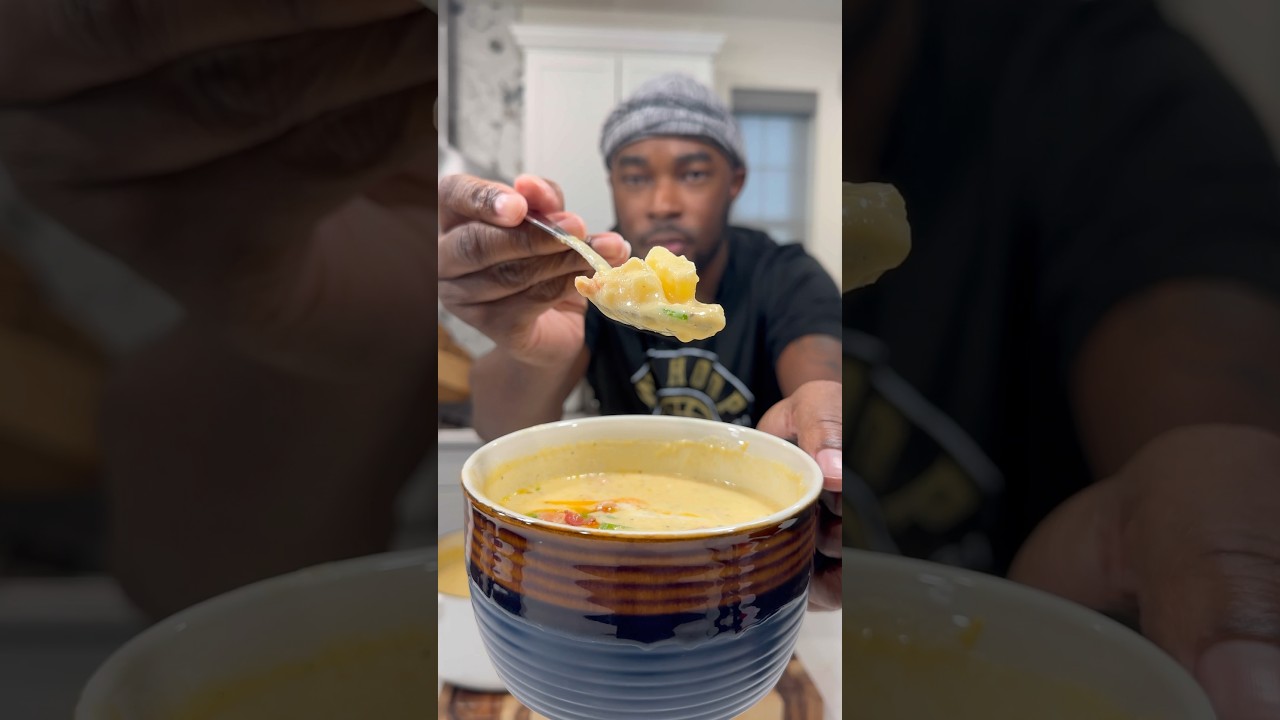
“Potato soup should be the easiest thing in the world to make. It's potatoes. It's cream. It's cheese and bacon. And yet most homemade versions end up either watery and thin, or starchy and gluey, or weirdly grainy from cheese added at the wrong temperature. The difference between a bowl that tastes like something your grandmother made with intention versus something that tastes like it came from a can is three things: a properly cooked roux, potatoes simmered to the right stage before blending, and cheese added off the heat.”
Why This Recipe Works
Potato soup is where home cooks go when they want to feel competent. It has five ingredients with mass grocery availability, requires no special technique, and takes under an hour. And yet the number of mediocre versions in circulation suggests that "simple" is doing a lot of work in that description.
The failures cluster around three decisions: the roux, the blend, and the cheese. Get those three things right and the rest takes care of itself.
The Roux Is Not Optional
Most potato soup recipes treat the roux as a formality — melt butter, dump flour, immediately add liquid. That's not a roux. That's thickened water with a faint raw-dough flavor that no amount of bacon can fix. A roux requires time. Two minutes of active stirring over medium heat, until the paste coating the aromatics smells faintly toasted and the raw flour smell is completely gone. This is the flavor foundation. Skip it and you'll taste exactly what you skipped.
The flour-to-butter ratio here is 3 tablespoons flour to 4 tablespoons butter — slightly wetter than a classic blond roux — which keeps things smooth and pourable rather than stiff. Add the broth in thirds, whisking aggressively after each addition. The first pour will seize and look wrong. Keep whisking. It relaxes into a smooth base by the time you've added the third portion.
Partial Blending Is a Technique, Not a Compromise
The worst thing you can do to a potato soup is blend it fully. Russet potatoes — the right choice here for their high starch content and earthy flavor — turn into a gluey paste under sustained blending. The starch granules rupture completely and the soup becomes thick in all the wrong ways: sticky, heavy, and texturally monotonous.
Eight to ten pulses with an immersion blender is the answer. You're thickening the broth by releasing starch from broken potato edges while leaving visible chunks intact. The result has body without weight, creaminess without uniformity. This is what distinguishes a good bowl from a can of Campbell's.
Cheese Requires Temperature Respect
Sharp cheddar — shredded from a block, never from a pre-shredded bag — melts beautifully at the right temperature and breaks catastrophically at the wrong one. The cutoff is roughly 160°F. Above that, the fat separates from the proteins and you get greasy, grainy soup that no amount of stirring will fix.
The move: pull the pot completely off heat after the partial blend. Let it sit for sixty seconds. Add the cream. Then add the cheese in two batches, stirring between each. The residual heat is more than enough to melt the cheese smoothly. This single habit is the difference between a glossy, cohesive soup and one that looks like it broke.
The Garnish Is Structural
Crispy bacon and fresh chives aren't decoration. They're textural counterpoints that make the creamy base taste richer by contrast. Bacon cooked separately and added at the last moment stays crackling and distinct. Bacon cooked in the soup from the start turns soft and adds little beyond salt. Same principle as a Dutch oven braise: separate components, combined at service.
The sour cream whisked in at the end adds quiet tang that keeps the richness from becoming cloying. It's not a bold flavor — you shouldn't taste it distinctly — but the soup tastes less one-dimensional with it than without.
Potato soup is not complicated. But it has real technique inside it, and the technique exists for real reasons. Follow the sequence, respect the cheese temperature, and stop blending after ten pulses. That's the whole recipe.
Where Beginners Mess This Up
Before we start, read this. These are the 4 reasons your creamy potato soup (the bacon-cheddar comfort bowl done right) will fail:
- 1
Skipping or rushing the roux: The roux — butter cooked with flour — is what gives this soup its body and prevents a watery, separated broth. If you dump it in and immediately add liquid, the flour taste never cooks out. Stir it for a full 2 minutes over medium heat. It should smell faintly nutty. That's how you know the raw flour flavor is gone.
- 2
Over-blending the potatoes: Russet potatoes are high in starch. Blending them fully turns soup into wallpaper paste. The goal is partial blending — 8 to 10 pulses with an immersion blender — which thickens the broth while leaving visible chunks. Texture contrast is the whole point of this dish.
- 3
Adding cheese while the soup is boiling: Cheddar breaks into a greasy, grainy mess if added to boiling liquid. Pull the pot off heat, let it sit for 60 seconds, then stir in the cheese. The residual heat melts it smoothly without destroying the emulsion.
- 4
Underseasoning the potatoes: Potatoes absorb salt like a sponge and require aggressive seasoning at multiple stages. Season the broth before the potatoes go in, taste again after blending, and always adjust before serving. Under-salted potato soup tastes flat no matter how good everything else is.
The Video Reference Library
Want to see it in action? Here are the exact videos we analyzed and combined to build this foolproof recipe translation:
The source recipe that inspired this version. Clear walkthrough of the roux technique and partial blending approach that defines the texture of a proper potato soup.
🛠️ Core Equipment
- Heavy-bottomed pot or Dutch ovenEven heat distribution prevents the bottom from scorching during the roux stage and the long simmer. A [Dutch oven](/kitchen-gear/review/dutch-oven) is ideal — the thick walls also help retain heat when you pull it off the burner to add the cheese.
- Immersion blenderGives you precise control over texture. A countertop blender will over-process everything into a uniform paste in seconds. With an [immersion blender](/kitchen-gear/review/immersion-blender), you can pulse and stop, leaving exactly the chunk ratio you want.
- WhiskEssential for building the roux smoothly and incorporating the broth without lumps. A flat whisk works better than a balloon whisk in a wide pot — more surface contact, fewer missed spots.
- LadleFor controlled portioning into bowls without splashing. Sounds obvious. Worth having dedicated for soups.
Creamy Potato Soup (The Bacon-Cheddar Comfort Bowl Done Right)
🛒 Ingredients
- ✦3 pounds russet potatoes, peeled and cut into 1-inch cubes
- ✦1 medium yellow onion, finely diced
- ✦3 celery stalks, diced into small pieces
- ✦3 cloves garlic, minced
- ✦4 tablespoons unsalted butter
- ✦3 tablespoons all-purpose flour
- ✦5 cups chicken or vegetable broth
- ✦1 cup heavy cream
- ✦6 slices bacon, chopped
- ✦1½ cups sharp cheddar cheese, shredded
- ✦½ cup sour cream
- ✦3 tablespoons fresh chives, chopped
- ✦Salt to taste
- ✦Black pepper to taste
👨🍳 Instructions
01Step 1
Cook the chopped bacon in a large skillet over medium-high heat until crispy, about 6 minutes. Transfer to a paper towel-lined plate and set aside.
02Step 2
Melt butter in a heavy-bottomed pot or Dutch oven over medium heat. Add the diced onion and celery, stirring frequently until softened and translucent, about 5 minutes.
03Step 3
Add the minced garlic and cook for another minute, stirring constantly until fragrant.
04Step 4
Sprinkle the flour over the aromatics and stir vigorously for 2 minutes to create a smooth roux. The flour should cook out slightly but not brown.
05Step 5
Pour in the broth gradually while whisking to prevent lumps from forming. Bring to a gentle boil.
06Step 6
Add the potato cubes, reduce heat to medium, and simmer uncovered for 18-20 minutes until the potatoes are fork-tender and beginning to break apart slightly at the edges.
07Step 7
Remove the pot from heat. Use an immersion blender to pulse the soup 8-10 times, creating a partially blended texture with visible chunky pieces remaining.
08Step 8
Return the pot to low heat. Slowly pour in the heavy cream while stirring gently, then stir in the shredded cheddar cheese until completely melted and incorporated.
09Step 9
Whisk in the sour cream until smooth. Taste and adjust seasoning with salt and black pepper.
10Step 10
Ladle into bowls and garnish with the reserved crispy bacon and fresh chives. Serve immediately.
Nutrition Per Serving
Estimates based on standard preparation. Adjustments alter macros.
🔄 Substitutions
Instead of Heavy cream...
Use Half-and-half or whole milk mixed with Greek yogurt
Slightly lighter texture with a tangy finish. Use ¾ cup half-and-half plus ¼ cup Greek yogurt. Reduces saturated fat while maintaining creaminess.
Instead of All-purpose flour...
Use Cornstarch or arrowroot powder
Use 1.5 tablespoons instead of 3. Creates a silkier, cleaner-tasting broth. Whisk into cold broth before adding to the pot to prevent clumping.
Instead of Sharp cheddar...
Use Gruyère or aged gouda
More complex, nutty flavor. Gruyère melts exceptionally smoothly. Harder aged cheeses also tend to be easier on digestion due to lower lactose content.
Instead of Bacon...
Use Smoked tempeh strips or coconut bacon
Maintains smoky depth for a plant-based version. Smoked tempeh crisps up well in a hot skillet with a touch of oil and soy sauce.
🧊 Storage & Reheating
In the Fridge
Store in an airtight container for up to 4 days. The soup thickens considerably as it sits — add a splash of broth when reheating.
In the Freezer
Freeze for up to 2 months. Cream-based soups can separate slightly on thawing; whisk vigorously while reheating over low heat to re-emulsify.
Reheating Rules
Reheat on the stovetop over low heat with 2-3 tablespoons of broth, stirring frequently. Avoid high heat — it causes the cream and cheese to break. Microwave works in a pinch on 60% power.
❓ Frequently Asked Questions
Why is my potato soup grainy?
Grainy texture in a cream soup almost always means the cheese was added while the liquid was too hot. Cheddar breaks into fat and protein solids above about 160°F. Pull the pot off heat, wait a minute, then add cheese in batches off the burner.
Can I make this without an immersion blender?
Yes. Transfer about a third of the cooked potatoes to a regular blender, blend until smooth, and stir the puree back into the pot. Avoid blending more than a third — you want chunk, not velvet.
How do I make it thicker?
Either increase the flour in the roux to 4 tablespoons, or mash some of the potato pieces against the side of the pot with a wooden spoon before adding the cream. Both methods add body without changing the flavor.
Can I make this vegetarian?
Yes. Use vegetable broth instead of chicken broth and skip the bacon entirely — or replace it with crispy smoked tempeh for the same textural garnish. The soup is complete without meat.
Why does my soup taste flat even after seasoning?
Potatoes are aggressively salt-hungry. If the broth wasn't seasoned before the potatoes cooked in it, you're chasing your tail at the end. Season the broth before adding potatoes, then adjust again after blending, and again before serving.
Can I use a slow cooker?
Yes, with modifications. Build the roux on the stovetop first, add it to the slow cooker with broth and potatoes, and cook on low for 6-7 hours. Add the cream, cheese, and sour cream only in the last 20 minutes with the lid off to prevent curdling.
The Science of
Creamy Potato Soup (The Bacon-Cheddar Comfort Bowl Done Right)
We turned everything on this page into a beautiful, flour-proof PDF cheat sheet. Print it out, stick it to your fridge, and never mess up your creamy potato soup (the bacon-cheddar comfort bowl done right) again.
*We'll email you the high-res PDF instantly. No spam, just perfectly cooked meals.
AlmostChefs Editorial Team
We translate the internet's most popular cooking videos into foolproof, beginner-friendly written recipes. We analyze multiple methods, test them in our kitchen, and engineer a single "Master Recipe" that gives you the best possible result with the least possible stress.