Potato Side Dishes (The Definitive Method for Every Occasion)
A comprehensive guide to mastering the most versatile side dish in any kitchen — from crispy roasted wedges to silky mashed potatoes and golden pan-fried slices. We broke down the most-watched YouTube techniques to build one reliable framework that works regardless of which potato dish you need.

“Potatoes are the most forgiving ingredient in any kitchen — until you try to make them great. The gap between a side dish people ignore and one they fight over is almost never about the variety of potato you buy. It's about surface moisture, fat temperature, and whether you give the starch enough time to do its job. We analyzed the top YouTube potato methods and distilled every useful insight into one framework you can apply to any potato side dish you want to make.”
Why This Recipe Works
Potatoes are the most democratic ingredient in cooking. They're cheap, available everywhere, and adaptable to virtually any flavor profile or technique. They are also, paradoxically, one of the most commonly botched side dishes in home kitchens — not because they are difficult, but because they are misunderstood. The assumption is that any potato cooked in any fat at any temperature will eventually become edible. That assumption is why most potato side dishes are forgettable.
The Starch Problem
Everything about potato cookery revolves around starch management. Potatoes are roughly 17-20% starch by weight, and that starch behaves completely differently depending on how it's heated, how much moisture is present, and how mechanically it's handled. Roasted potatoes need their starch cells to rupture slightly on the surface during parboiling — creating a rough, porous exterior that absorbs fat and crisps under high heat. Mashed potatoes need those same cells to soften uniformly without bursting under mechanical stress. Pan-fried potatoes need the surface starch to gelatinize quickly on contact with hot fat, creating an impermeable crust before moisture has a chance to escape and steam the interior.
The choice of potato variety is essentially a choice about starch content. High-starch russets fall apart at the cell level when cooked — which is exactly what you want for fluffy mashed potatoes and shattering roasted crusts, but exactly what you don't want when you need the potato to hold its shape in a salad or a pan braise. Waxy varieties like red potatoes and fingerlings have lower starch and higher water content, which is why they stay firm and glossy. Yukon Golds occupy the middle ground — enough starch for good browning, enough structure to survive rough handling. They are the most forgiving choice for a reason.
Why Parboiling Before Roasting Is Non-Negotiable
The parboil step is where most home cooks lose patience, and it is the step that matters most. When you parboil potato chunks for 7-8 minutes in aggressively salted water, three things happen simultaneously. The exterior begins to soften and its starch cells start breaking down. The salt penetrates the outer layer, seasoning the interior in a way that surface seasoning after roasting simply cannot achieve. And the surface becomes sticky and irregular — ready to be roughed up into the craggly, high-surface-area texture that becomes crackling crust in a 425°F oven.
The roughing-up step, where you shake the parboiled pieces vigorously in a bowl or lidded pot, is underestimated. Every jagged edge, every scraped ridge, every torn surface is a site where the fat will pool and the Maillard reaction will concentrate. Smooth, intact potato surfaces roast to a uniform pale gold. Roughed-up surfaces roast to deep amber ridges and valleys that shatter when you bite them. The difference is visible from across the room.
Fat Temperature and Why It Changes Everything
A cast iron skillet preheated to the correct temperature before any potato touches it is the single most underutilized tool in home potato cookery. When a cold potato piece lands in insufficiently hot fat, the fat temperature drops immediately below the Maillard threshold (around 280°F) and the potato begins to absorb oil instead of searing. The surface becomes saturated with fat before a crust can form, and the result is greasy, limp, and uniformly pale.
The same principle applies to oven roasting. Adding oiled potatoes to a cold sheet pan means those bottom surfaces sit in oil that gradually heats from room temperature — cooking the potato's surface through conduction rather than searing it. A heavy sheet pan preheated in the oven with a thin coat of fat already shimmering on its surface provides immediate high-heat contact the moment the potato lands, creating an instant crust that seals in moisture and begins the browning process from the first second.
The Finishing Layer
Fresh herbs and flaky salt are not decoration. Added immediately after the potatoes leave the oven, the residual heat wilts the herbs just enough to release their volatile oils without burning them, and the fat on the potato surface acts as a carrier that distributes those aromatics across every surface. Flaky salt — added at the end, never during cooking — provides textural contrast and a sharp mineral hit that cuts through the richness of the fat. It dissolves unevenly, which means some bites hit a crystal and some don't, and that inconsistency is part of what makes the dish interesting to eat.
Every technique in this recipe exists because potatoes demand respect. Give them a hot pan, dry surfaces, enough salt, and the patience to leave them alone — and they will reward you every time.
Where Beginners Mess This Up
Before we start, read this. These are the 4 reasons your potato side dishes (the definitive method for every occasion) will fail:
- 1
Skipping the dry step: Moisture is the enemy of browning. Whether you're roasting or pan-frying, any surface water on the potato turns to steam in the pan and prevents direct contact with the hot fat. Pat every cut surface dry with paper towels before cooking — even if you parboiled them — and you will see an immediate improvement in crust quality.
- 2
Crowding the pan: Potatoes release steam as they cook. If they're packed together, that steam has nowhere to go and the pieces braise in their own liquid instead of crisping. Use a sheet pan large enough that each piece has at least a half-inch of clearance on every side. If you're cooking a large batch, use two pans.
- 3
Starting in cold fat: Fat needs to be fully hot before the potato makes contact. Cold fat gets absorbed into the surface instead of creating an immediate sear, resulting in greasy, limp potatoes. For roasting, preheat the sheet pan in the oven with the fat already on it. For pan-frying, wait until the oil shimmers and a small piece of potato sizzles immediately on contact.
- 4
Under-seasoning at every stage: Potatoes are dense and starchy — they require more salt than you think at every step. Season the parboiling water until it tastes like the sea. Season again after draining. Season again when they come out of the oven. Seasoning only at the end produces potatoes that taste bland in the middle no matter how good the crust looks.
The Video Reference Library
Want to see it in action? Here are the exact videos we analyzed and combined to build this foolproof recipe translation:
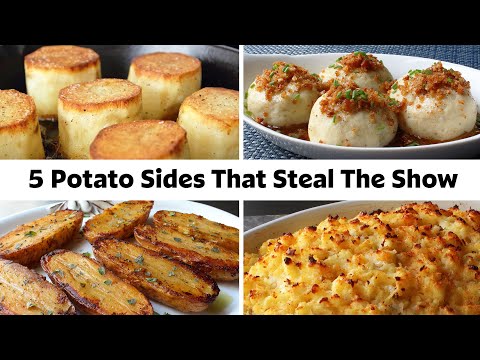
A comprehensive walkthrough covering multiple potato side dish preparations with clear technique explanations and visual cues for doneness.
2. Crispy Roasted Potatoes — The Real Method
Deep dive into the parboil-then-roast technique that produces shatteringly crispy exteriors. Excellent coverage of the roughing-up step that maximizes surface area for browning.
3. Perfect Pan-Fried Potatoes Every TimeFocused entirely on stovetop potato technique — fat temperature, layering, and the patience required to develop a proper golden crust without constant stirring.
🛠️ Core Equipment
- Heavy sheet panThin pans warp under high oven heat and create uneven browning. A heavy aluminum or steel sheet pan stays flat and conducts heat evenly across every square inch, ensuring consistent crust development on all pieces simultaneously.
- 12-inch cast iron or stainless skilletFor pan-fried potato preparations, cast iron retains heat when cold potatoes hit the surface — preventing the temperature drop that causes steaming instead of searing. Nonstick pans don't reach the temperatures needed for a proper crust.
- Potato ricer or food millFor mashed potato preparations, a ricer produces a silky, lump-free texture without activating the starch. Over-working potatoes in a stand mixer or food processor breaks the cell walls and releases excess starch, turning mashed potatoes into paste.
- Instant-read thermometerThe internal temperature of a fully cooked potato is 205-210°F. Guessing by time leads to underdone centers or overdone, dried-out flesh. A thermometer removes all uncertainty from the equation.
Potato Side Dishes (The Definitive Method for Every Occasion)
🛒 Ingredients
- ✦2 pounds Yukon Gold or russet potatoes, scrubbed
- ✦3 tablespoons olive oil or duck fat
- ✦1 tablespoon unsalted butter
- ✦4 cloves garlic, minced or left whole
- ✦1 teaspoon smoked paprika
- ✦1 teaspoon onion powder
- ✦1/2 teaspoon garlic powder
- ✦1/2 teaspoon dried thyme or rosemary
- ✦1/2 teaspoon freshly ground black pepper
- ✦Kosher salt to taste (generous)
- ✦2 tablespoons fresh flat-leaf parsley, finely chopped
- ✦1 tablespoon fresh chives, thinly sliced
- ✦1/2 teaspoon red pepper flakes (optional)
- ✦Flaky sea salt for finishing
👨🍳 Instructions
01Step 1
Preheat your oven to 425°F. Place a heavy sheet pan inside to preheat with the oven.
02Step 2
Cut the potatoes into uniform 1.5-inch chunks, wedges, or coins depending on your preference. Uniformity is not about aesthetics — it ensures every piece finishes cooking at the same time.
03Step 3
Bring a large pot of heavily salted water to a boil. Add the potatoes and parboil for 7-8 minutes until the outer edge is just starting to soften but the center remains firm.
04Step 4
Drain the potatoes thoroughly and return them to the hot pot for 1-2 minutes over low heat, shaking occasionally, until all surface moisture has evaporated.
05Step 5
Transfer the potatoes to a large bowl. Drizzle with olive oil, add smoked paprika, onion powder, garlic powder, thyme, black pepper, and a generous pinch of kosher salt. Toss until every surface is coated.
06Step 6
Carefully remove the preheated sheet pan from the oven. Add the seasoned potatoes in a single layer with space between each piece. Do not overcrowd.
07Step 7
Roast for 20 minutes without touching them. Then flip each piece and roast for another 15-20 minutes until deep golden brown and crispy.
08Step 8
In the last 5 minutes of roasting, add the minced garlic directly to the pan. Garlic added earlier burns. Added at the end, it roasts to a sweet, nutty paste that coats the potatoes.
09Step 9
Remove from the oven. Add the butter directly to the hot pan and toss to coat. The residual heat will melt it instantly.
10Step 10
Transfer to a serving platter. Scatter fresh parsley, chives, red pepper flakes if using, and a pinch of flaky sea salt. Serve immediately.
Nutrition Per Serving
Estimates based on standard preparation. Adjustments alter macros.
🔄 Substitutions
Instead of Olive oil...
Use Avocado oil or duck fat
Avocado oil has a higher smoke point than olive oil and produces a very clean, neutral crust. Duck fat adds depth and richness that no plant-based oil can match.
Instead of Yukon Gold potatoes...
Use Red potatoes or fingerlings
Waxier varieties hold their shape better and won't crumble when tossed. Slightly less crispy exterior but excellent flavor and they photograph beautifully.
Instead of Fresh herbs (parsley, chives)...
Use Dried herbs added during roasting
Use half the quantity of dried herbs and add them with the initial seasoning rather than at the end. Dried herbs bloom in fat during roasting; fresh herbs added too early turn to dust.
Instead of Smoked paprika...
Use Regular paprika plus a pinch of cumin
Smoked paprika contributes the most flavor per gram of any spice in this recipe. If you substitute, add a drop of liquid smoke to the oil to compensate for the missing smokiness.
🧊 Storage & Reheating
In the Fridge
Store cooled potatoes in an airtight container for up to 4 days. They will soften but reheat well in a dry skillet or air fryer.
In the Freezer
Freeze fully cooled roasted potatoes on a sheet pan until solid, then transfer to a freezer bag for up to 2 months. Reheat directly from frozen in a 400°F oven for 12-15 minutes.
Reheating Rules
Reheat in a dry skillet over medium-high heat or in an air fryer at 375°F for 4-5 minutes. Avoid the microwave — it softens the crust irreversibly and makes the interior gluey.
❓ Frequently Asked Questions
Why aren't my roasted potatoes getting crispy?
Three possible causes: surface moisture wasn't fully evaporated before roasting, the pan was overcrowded so steam couldn't escape, or the oven temperature wasn't high enough. Fix all three simultaneously — evaporate moisture in the hot pot after draining, use two pans if needed, and roast at a genuine 425°F (use an oven thermometer if you're unsure — most ovens run 25°F cold).
Should I peel the potatoes?
It depends on the preparation and variety. Russets and older potatoes benefit from peeling for mashed and roasted applications — their skins can be tough and bitter. Yukon Golds and red potatoes have thin, tender skins that add flavor and texture. For pan-fried preparations, skin-on always produces better results.
What's the best potato for each preparation?
Russets for mashing and baking — high starch content produces fluffy, absorbent interiors. Yukon Golds for roasting and pan-frying — medium starch, naturally creamy, and they brown beautifully. Red or fingerling potatoes for salads and dishes where they need to hold shape through cooking and tossing.
Why do my mashed potatoes turn out gluey?
Over-working releases too much starch from the broken potato cells, which creates a paste-like consistency. Use a potato ricer or food mill instead of a mixer, work quickly, and fold in warm butter and cream rather than beating. The moment the potatoes look smooth, stop.
Can I make roasted potatoes ahead of time?
You can parboil and rough them up in advance, then hold them in the fridge for up to 24 hours before the final roast. Do not roast them in advance — they lose their crunch within 20 minutes and reheating never fully recovers it.
How do I know when the potatoes are done without cutting one open?
For roasted potatoes, look for deep golden brown color on at least two sides and listen — the sizzling sound from the oven should be a steady, light crackle, not a wet hiss. For boiled or parboiled potatoes, a paring knife should slide in with only slight resistance for parboiled, and no resistance at all for fully cooked.
The Science of
Potato Side Dishes (The Definitive Method for Every Occasion)
We turned everything on this page into a beautiful, flour-proof PDF cheat sheet. Print it out, stick it to your fridge, and never mess up your potato side dishes (the definitive method for every occasion) again.
*We'll email you the high-res PDF instantly. No spam, just perfectly cooked meals.
AlmostChefs Editorial Team
We translate the internet's most popular cooking videos into foolproof, beginner-friendly written recipes. We analyze multiple methods, test them in our kitchen, and engineer a single "Master Recipe" that gives you the best possible result with the least possible stress.