Crispy Potato and Egg Skillet (The Breakfast You've Been Getting Wrong)
Golden-edged potatoes crisped in a cast iron skillet, finished with eggs cooked directly in the pan until the whites set and the yolks stay molten. We broke down the most-watched YouTube methods to find the exact heat sequence that gives you crispy potatoes and perfectly set eggs without burning either.
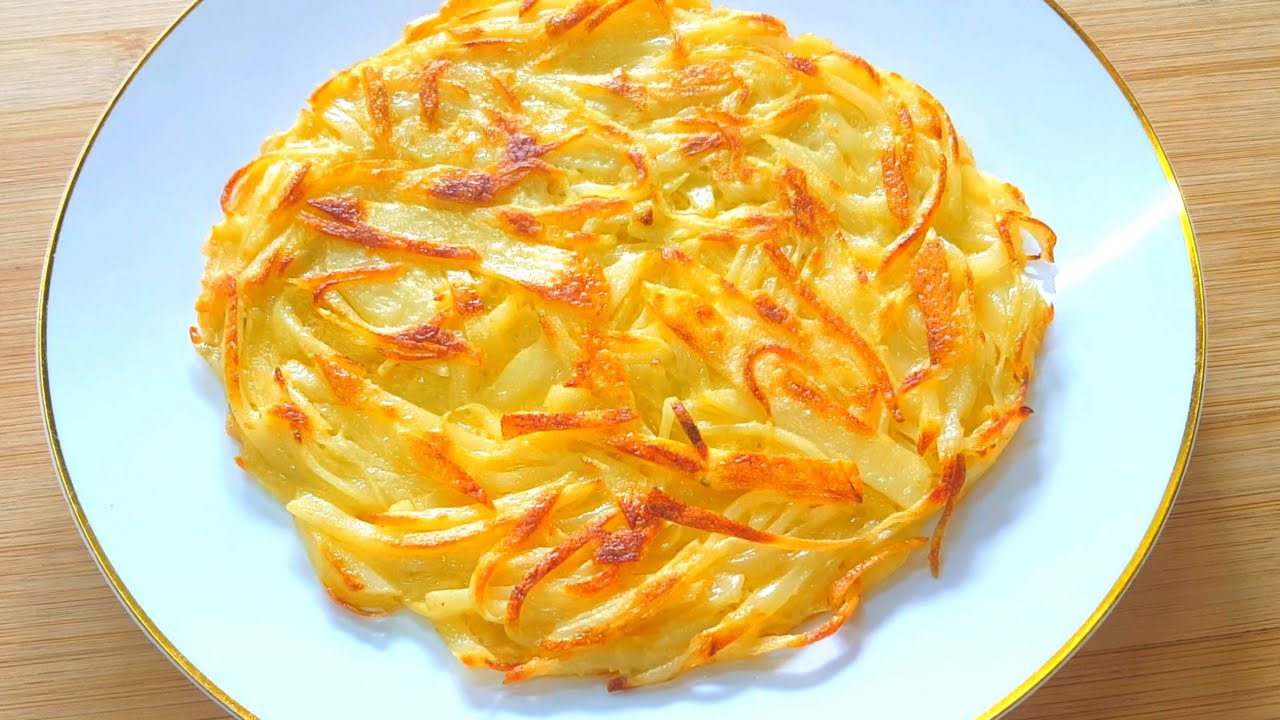
“Potato and egg is one of those dishes that everyone assumes they already know how to make. Then they eat someone else's version and realize theirs has always been mediocre. The potatoes are pale and soft instead of deeply crisped. The eggs overcook by the time the potatoes finish. The whole thing tastes flat. None of these are ingredient problems. They are sequencing problems — and fixing them takes about thirty seconds of understanding.”
Why This Recipe Works
Potato and egg has no business being as frequently ruined as it is. Two ingredients. One pan. Twenty minutes. And yet the average home cook produces something pale, soft, and underseasoned so reliably that the dish has developed a reputation for mediocrity it does not deserve. The problem is not the recipe. The problem is that nobody has ever explained the physics.
The Maillard Problem
Crisping a potato is not about heat alone — it is about dry, sustained surface contact with a hot pan. When raw potato cubes hit a skillet, three things happen simultaneously: water evaporates from the surface, starches gelatinize in the outer layer, and sugars begin the Maillard reaction that produces the golden-brown crust you're after. The issue is sequence. Evaporation takes priority over browning. Until the surface moisture is gone, the potato will not brown — it will steam. And if you crowd the pan, the evaporating steam from each piece surrounds its neighbors, extending the steaming phase indefinitely. The result is the soft, beige potato that disappoints.
The fix is threefold: parboil so the centers are already 80% cooked before the skillet, dry the surface aggressively before they hit the oil, and give each piece breathing room. When those three conditions are met, the surface moisture evaporates in under two minutes and the Maillard reaction starts almost immediately. A properly set-up cast iron skillet retains enough heat that even cold parboiled potatoes don't drop the pan temperature enough to stall the crust. Thin nonstick pans do not have this thermal mass — they cool on contact and you're back to steaming.
The Patience Window
The single most violated rule in breakfast potato cooking is this: do not move the potatoes for the first four to five minutes. Not to check them. Not to redistribute them. Not to push them around. The crust forms as a continuous layer between the potato surface and the pan surface, and it requires uninterrupted contact to develop. Break that contact early and you don't just delay the crust — you destroy the partial crust that's started and force the whole process to restart from zero.
The way to know you've waited long enough: slide a thin fish spatula under one piece. If it releases cleanly, you're ready to flip. If it sticks, leave it another sixty seconds. The potato will tell you when it's done — you just have to stop second-guessing it.
The Egg Temperature Trap
After ten minutes of high-heat potato crisping, your skillet is screaming hot. This is correct for potatoes and catastrophically wrong for eggs. Crack eggs into a surface that hot and the whites hit 185°F in under thirty seconds, turning rubbery and lacy while the yolks are still cold. The solution is a mandatory cool-down: pull the heat to medium-low, wait ninety seconds, then add the eggs. The residual heat from the cast iron continues cooking the potatoes while the lower active heat gives the eggs a gentler environment.
Covering the pan with a lid or large plate introduces one more variable that most recipes ignore: top-down steam heat. Without a cover, eggs cook only from below, which means by the time the whites at the egg's equator have set, the yolks are fully hard. With a cover, the steam circulating above the eggs sets the whites from above simultaneously, dramatically compressing the window between "raw whites" and "overcooked yolks." This is why diner eggs look different from home eggs — the technique is different, not the ingredients.
The Seasoning Architecture
Potatoes are the most flavor-porous vegetable in common cooking — they absorb salt from their cooking liquid more effectively than almost anything else. This is why the parboiling water needs to be aggressively seasoned. Surface seasoning applied after cooking stays on the exterior; interior seasoning from the parboil distributes throughout every bite. Use both. They do different jobs.
The smoked paprika works the same way — it is not finishing color, it is aromatic depth. Added to the hot fat with the garlic, it blooms and coats every potato surface. Garlic powder and onion powder duplicate the vegetable aromatics in a more concentrated, evenly distributed form than fresh alone. The combined effect is a potato that tastes seasoned at every layer, not just on the outside — which is the actual difference between a memorable breakfast skillet and a forgettable one.
Where Beginners Mess This Up
Before we start, read this. These are the 4 reasons your crispy potato and egg skillet (the breakfast you've been getting wrong) will fail:
- 1
Crowding the pan: Potatoes release steam as they cook. Pack them too tightly and that steam has nowhere to go — it pools around the potato pieces, braising them instead of crisping them. You get soft, pale potatoes with no texture. A single layer with space between pieces is not optional, it's the entire mechanism.
- 2
Moving the potatoes too early: A crust forms through sustained contact between the potato surface and the hot pan. If you stir or flip before that crust has fully developed — typically 4-5 minutes undisturbed — you rip off whatever crust has started and restart the process. The window where potatoes look 'not done yet' is exactly when you should leave them alone.
- 3
Adding eggs to a pan that's too hot: After crisping the potatoes, the pan is blazing. If you crack eggs directly into high heat, the whites turn rubbery and lacy before the yolks warm through. Drop the heat to medium-low, wait 90 seconds, then add the eggs. The residual pan heat finishes the potatoes while the lower temperature sets the eggs properly.
- 4
Skipping the parboil: Raw potato pieces take 18-22 minutes in a skillet to cook through, and no crust survives that long without burning. A 5-minute parboil brings the interiors 80% of the way to done, so you need only 8-10 minutes in the pan to get both crispy exteriors and fully cooked centers simultaneously.
The Video Reference Library
Want to see it in action? Here are the exact videos we analyzed and combined to build this foolproof recipe translation:
The source video that demonstrates the parboil-then-crisp sequence in real time. Pay attention to the color the cook targets before flipping — that's the benchmark.
Detailed breakdown of why crowding kills the crust, with side-by-side comparison of crowded versus properly spaced potatoes. Useful visual reference for pan density.
Focuses on the heat-reduction technique before adding eggs, demonstrating exactly how long to wait after pulling back the heat before cracking eggs into the pan.
🛠️ Core Equipment
- 10 or 12-inch cast iron skilletMaintains heat evenly across the entire surface and holds temperature when cold potatoes hit the pan. A thin nonstick pan temperature-drops dramatically and produces steamed, gray potatoes instead of a crispy golden crust.
- Lid or large plateCovering the pan for the last 2-3 minutes of egg cooking traps ambient heat and sets the whites without direct contact heat. This is what keeps the yolks runny while the whites turn opaque.
- Fish spatula or thin metal spatulaA thick spatula shovels under the potato crust rather than sliding beneath it. A thin, flexible spatula separates the crust from the pan cleanly so you lift the golden layer intact instead of leaving it behind.
- Small saucepanFor the parboil step. Parboiling in a separate small pot keeps the skillet dry and hot — if you parboil in the skillet, residual water prevents the crust from forming when you add oil.
Crispy Potato and Egg Skillet (The Breakfast You've Been Getting Wrong)
🛒 Ingredients
- ✦3 medium Yukon Gold potatoes, cut into 3/4-inch cubes
- ✦4 large eggs
- ✦2 tablespoons olive oil or clarified butter
- ✦1/2 medium yellow onion, diced
- ✦1/2 red bell pepper, diced
- ✦2 cloves garlic, minced
- ✦1/2 teaspoon smoked paprika
- ✦1/4 teaspoon garlic powder
- ✦1/4 teaspoon onion powder
- ✦1/4 teaspoon crushed red pepper flakes (optional)
- ✦Sea salt and freshly ground black pepper to taste
- ✦Fresh flat-leaf parsley or chives, chopped, for garnish
👨🍳 Instructions
01Step 1
Bring a small saucepan of heavily salted water to a boil. Add the potato cubes and parboil for 5-6 minutes until just barely fork-tender — they should still have resistance at the center.
02Step 2
Drain the potatoes and spread them in a single layer on a clean kitchen towel or paper towels. Pat completely dry. Do not skip this step.
03Step 3
Heat a [cast iron skillet](/kitchen-gear/review/cast-iron-skillet) over medium-high heat for 2 minutes until very hot. Add olive oil and swirl to coat. The oil should shimmer immediately.
04Step 4
Add the potatoes in a single layer with space between pieces. Do not stir. Cook undisturbed for 4-5 minutes until a deep golden crust forms on the bottom.
05Step 5
Flip the potatoes using a [thin metal spatula](/kitchen-gear/review/fish-spatula). Add the diced onion and bell pepper to the pan. Cook for another 4-5 minutes, stirring the vegetables while leaving the potatoes mostly undisturbed.
06Step 6
Add the minced garlic, smoked paprika, garlic powder, onion powder, and red pepper flakes. Stir to coat everything and cook for 60 seconds until the garlic is fragrant.
07Step 7
Reduce heat to medium-low and wait 90 seconds for the pan to cool slightly. Use a spoon to create 4 small wells in the potato mixture.
08Step 8
Crack one egg into each well. Season the eggs with salt and pepper. Cover the pan with a lid or large plate.
09Step 9
Cook covered on medium-low for 2-4 minutes depending on yolk preference. The whites should be fully opaque with no translucent areas.
10Step 10
Remove from heat. Garnish with fresh parsley or chives and serve directly from the skillet.
Nutrition Per Serving
Estimates based on standard preparation. Adjustments alter macros.
🔄 Substitutions
Instead of Olive oil...
Use Ghee or duck fat
Both have higher smoke points and contribute richer flavor. Ghee adds a nutty dairy note; duck fat is the restaurant secret for transcendent breakfast potatoes.
Instead of Yukon Gold potatoes...
Use Sweet potatoes
Higher sugar content means they brown faster — watch the heat carefully. Slightly softer texture, less neutral flavor. Good variation but a different dish.
Instead of Red bell pepper...
Use Poblano pepper or jalapeño
Poblano adds mild smokiness; jalapeño adds heat. Either increases the complexity of the vegetable layer without dramatically changing the method.
Instead of Eggs...
Use Soft tofu, pan-fried in the wells
Press and cube firm tofu, then nestle cubes into the wells and cook covered. Does not replicate the yolk, but works well as a plant-based variant of the same dish.
🧊 Storage & Reheating
In the Fridge
Store leftover potatoes separately from eggs in an airtight container for up to 3 days. Eggs stored with potatoes turn rubbery on reheating.
In the Freezer
The crisped potato mixture (without eggs) freezes well for up to 1 month. Spread flat to freeze, then transfer to a bag. Reheat directly from frozen in a dry hot skillet.
Reheating Rules
Reheat potatoes in a dry skillet over medium-high heat for 4-5 minutes to restore the crust. Microwave reheating produces soft, steamed potatoes — the crust is gone and cannot be recovered.
❓ Frequently Asked Questions
Why are my potatoes soft instead of crispy?
Three possible causes: the pan wasn't hot enough before adding the potatoes, the potatoes were crowded and steamed each other, or the potatoes had surface moisture when they hit the pan. All three prevent the Maillard reaction from occurring. Fix the sequence — dry potatoes, hot pan, single layer, no touching.
Can I skip the parboil?
Technically yes, but you'll cook the potatoes for 18-22 minutes in the skillet and the crust will burn long before the centers cook through. The parboil compresses the skillet time to 8-10 minutes, which is well within the window where a crust survives. The parboil is what makes the method work.
How do I keep the egg yolks runny without undercooking the whites?
Two things: reduce the heat before adding eggs (medium-low, not the high heat used for potatoes), and cover the pan. The trapped steam sets the whites from above using ambient heat while the low direct heat keeps the yolks from overcooking from below. Two to three minutes covered at medium-low is the sweet spot.
What if I don't have a cast iron skillet?
A heavy stainless steel skillet works if you preheat it thoroughly. Avoid nonstick for this dish — nonstick coatings are damaged by the high heat needed for crisping, and nonstick pans hold heat less evenly, producing uneven browning across the potato layer.
Can I add cheese?
Yes — sharp cheddar or Gruyère shredded over the potatoes before adding the eggs, then covered, melts perfectly into the dish. Add it after the eggs go in, not before, or it burns onto the pan.
Why do restaurant breakfast potatoes always taste better?
Two reasons: restaurants use significantly more fat (often clarified butter or duck fat, not olive oil), and their flat-top grills maintain perfectly even high heat across the entire surface. You can approximate both by using ghee and fully preheating a cast iron skillet for at least 2-3 minutes before anything touches it.

The Science of
Crispy Potato and Egg Skillet (The Breakfast You've Been Getting Wrong)
We turned everything on this page into a beautiful, flour-proof PDF cheat sheet. Print it out, stick it to your fridge, and never mess up your crispy potato and egg skillet (the breakfast you've been getting wrong) again.
*We'll email you the high-res PDF instantly. No spam, just perfectly cooked meals.
AlmostChefs Editorial Team
We translate the internet's most popular cooking videos into foolproof, beginner-friendly written recipes. We analyze multiple methods, test them in our kitchen, and engineer a single "Master Recipe" that gives you the best possible result with the least possible stress.