Crispy Roasted Potatoes (The Science Behind the Crunch)
Shatteringly crisp on the outside, fluffy and steaming on the inside — the kind of roasted potato that disappears from the pan before it hits the table. We broke down the parboiling, fat-coating, and high-heat methods used across the most-watched potato videos to land on one technique that works every single time.
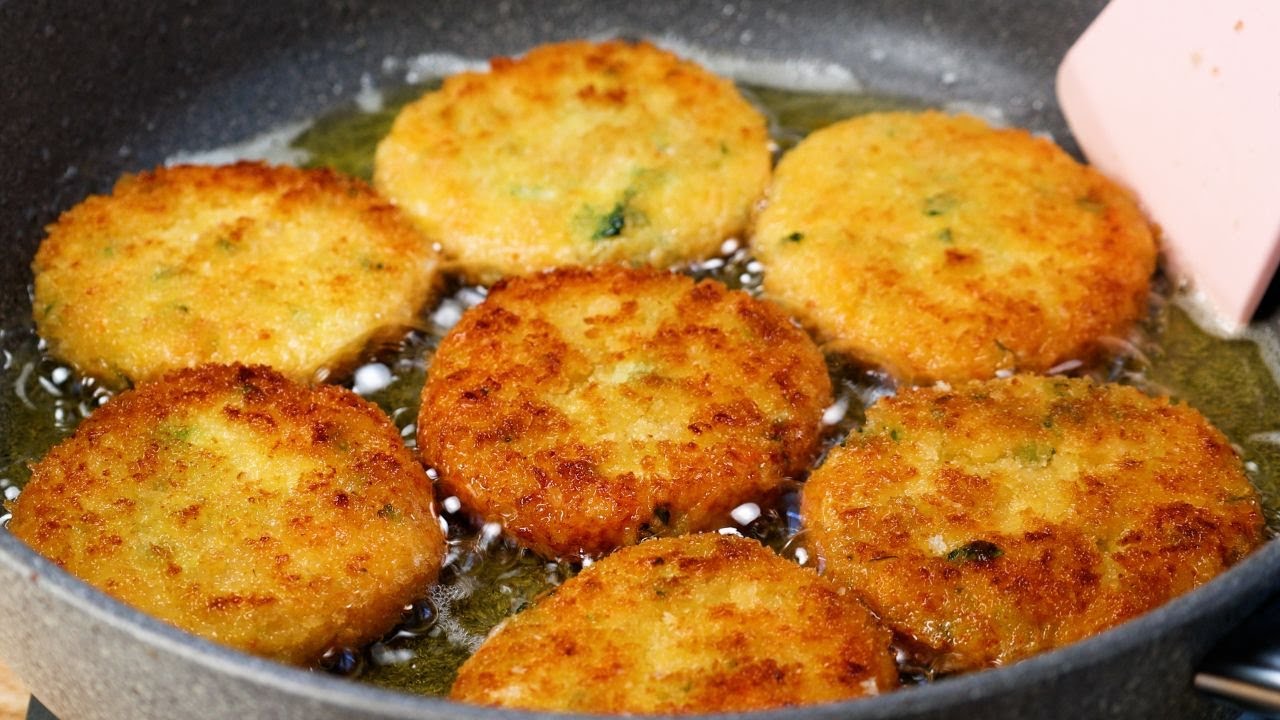
“Most roasted potatoes come out one of two ways: pale and waxy, or charred on the outside and undercooked in the center. The fix is not a different potato or a better oven — it's a three-minute parboil that roughens the surface into a starchy crust before it ever sees the pan. We tested every shortcut and found that every one of them costs you the crunch.”
Why This Recipe Works
The roasted potato is one of the most deceptively simple dishes in any cuisine, and one of the most commonly failed. The gap between a pale, waxy cube and a potato with genuine structural crunch is not a matter of better ingredients or a hotter oven — it is a matter of understanding what a potato's surface is actually doing between the colander and the pan.
The Parboil Is Not Optional
Every shortcut to skipping the parboil produces the same result: a potato that browns on the outside before the inside finishes cooking, or one that steams instead of roasting because the raw interior is full of moisture with nowhere to go. Parboiling for 8-10 minutes partially gelatinizes the starch network near the surface, creating a softened outer layer that behaves entirely differently from raw potato tissue under high heat. It becomes porous. It absorbs fat. And — most critically — it can be roughed up.
The shake in the colander is not decorative. When you aggressively toss the parboiled potatoes, you're fracturing that softened outer surface into a maze of shaggy peaks and valleys. In the oven, those peaks are the first surfaces to contact the hot pan and hot air. They dehydrate rapidly, their starch granules harden, and they form a crust that the smooth surface of a raw potato is physically incapable of producing. This is the entire mechanism. Do it gently and you get mild texture. Do it hard and you get the kind of crunch that sounds like breaking a cracker.
Fat as Infrastructure
Oil in a roasted potato recipe is not flavoring — it is structural. Fat fills the micro-cavities in the roughened surface and acts as a heat-transfer medium between the hot pan and every square millimeter of potato. Spots that aren't coated in fat don't brown; they steam. This is why the toss before the pan must be thorough and generous, not a light drizzle. Four tablespoons for 2.5 pounds of potatoes sounds like a lot. It isn't.
The choice of fat also matters more than most recipes admit. A heavy-bottomed sheet pan with olive oil produces good results. The same pan with duck fat or beef tallow produces extraordinary ones — the higher saturated fat content increases the smoke point, deepens the color faster, and creates a layer of richness that olive oil cannot replicate. If you have access to rendered animal fat, use it here without apology.
The Hot Pan Principle
Placing the sheet pan in the oven during preheat creates a contact temperature differential that does something nothing else can replicate: it sears the bottom of each potato chunk the instant it lands on the pan. That immediate sizzle is the Maillard reaction beginning before the potato has had any chance to release internal moisture. The bottom crust sets in the first two minutes of oven time. If the pan is cold, those two minutes are spent waiting for the pan to heat up — and in that window, the potato steams from the bottom and the bottom surface becomes wet and rubbery before browning ever starts.
This is why so many recipes produce potatoes that look roasted but feel soft: the physics were wrong before the oven door even closed.
Space, Time, and the Flip
Crowding a sheet pan is one of those rules that sounds arbitrary until you understand that potatoes release substantial moisture as they cook. That moisture has to go somewhere. In a crowded pan, it goes sideways onto adjacent potatoes, creating a localized steam environment that prevents any browning from occurring. In a properly spaced pan, it evaporates upward and the surface of each piece stays dry enough to crisp. The rule is simple: if the potatoes are touching, use two pans.
The 25-minute mark flip is non-negotiable for the same reason. The first side builds its crust against the pan — the second side needs direct hot air exposure to build its own. Without the flip, you get one crispy face and three pale ones. With it, you get a potato that's browned on every surface that faced outward, and that's the geometry of satisfaction.
Finish with flaky salt at the table, not in the oven. Fine salt dissolves into the crust during roasting. Flaky salt stays on the surface, giving you bursts of salinity with each bite rather than uniform background saltiness. It is a small distinction that changes the experience entirely.
Where Beginners Mess This Up
Before we start, read this. These are the 4 reasons your crispy roasted potatoes (the science behind the crunch) will fail:
- 1
Skipping the parboil: Raw potatoes roasted directly on a sheet pan develop a leathery skin instead of a crust. The interior steams unevenly, leaving dense wet pockets in the center. Parboiling for 8-10 minutes softens the outer layer and — critically — gives you something to rough up. That roughness becomes the crust.
- 2
Not drying the potatoes before coating: Surface moisture is the enemy of browning. If you toss wet potatoes in oil, the water steams off before the Maillard reaction can start. You need to let the parboiled pieces steam-dry in the colander for at least 2 minutes before adding any fat.
- 3
Using too little fat: Each potato piece needs a generous, even coat of oil or fat. Underfat potatoes steam on the inside and never brown properly. You want every cut surface glistening before it goes into the oven — not technically deep-fried, but not lightly misted either.
- 4
Crowding the pan: Potatoes need space for steam to escape. Crowded potatoes steam each other instead of roasting. Use two sheet pans if needed, and make sure each piece has at least a half-inch of clearance. The pan should look too empty. It isn't.
The Video Reference Library
Want to see it in action? Here are the exact videos we analyzed and combined to build this foolproof recipe translation:
The source video for this recipe. Covers the parboil depth, the rough-up technique, and oven positioning in clear detail. Watch the colander shake — that's the move most people do gently when they should be doing it hard.
A technique-focused breakdown that explains the chemistry behind crust formation and why fat temperature at contact matters for browning.
Covers seasoning ratios, pan positioning, and the flip timing that separates a good roast potato from a great one. Clear visuals on crust color targets.
🛠️ Core Equipment
- Heavy rimmed sheet panThin sheet pans warp at high heat and create hot spots that burn one corner while leaving the rest pale. A thick, rimmed half-sheet pan distributes heat evenly and holds the fat in place.
- Large pot for parboilingYou need enough water to submerge the potatoes completely so they cook evenly on all sides. A pot that's too small forces you to parboil in batches, which means the first batch overcooks while you wait.
- Spider or slotted spoonFor shaking and tossing the parboiled potatoes aggressively in the colander without losing them down the drain. The rough toss is the entire point — you're creating surface texture, not just draining water.
- Metal spatulaSilicone spatulas flex under the potato and fail to release the crust cleanly. A thin metal spatula slides under the browned surface and lifts without tearing. Essential for the flip at the halfway mark.
Crispy Roasted Potatoes (The Science Behind the Crunch)
🛒 Ingredients
- ✦2.5 pounds Yukon Gold potatoes, scrubbed and cut into 2-inch chunks
- ✦4 tablespoons extra-virgin olive oil
- ✦1 teaspoon kosher salt, plus more for the parboil water
- ✦1/2 teaspoon freshly ground black pepper
- ✦1 teaspoon garlic powder
- ✦1/2 teaspoon smoked paprika
- ✦1/2 teaspoon dried rosemary, crumbled
- ✦4 garlic cloves, skin-on, lightly smashed
- ✦4 fresh thyme sprigs
- ✦1 tablespoon fresh flat-leaf parsley, chopped (for finishing)
- ✦Flaky sea salt for finishing
👨🍳 Instructions
01Step 1
Preheat your oven to 425°F (220°C). Place your sheet pan in the oven while it preheats — a hot pan gives the potatoes an immediate sear on contact.
02Step 2
Bring a large pot of heavily salted water to a boil. Add the potato chunks and parboil for 8-10 minutes until the edges are just starting to soften but the centers are still firm.
03Step 3
Drain the potatoes into a colander and let them steam-dry for 2 full minutes. Then shake the colander aggressively — really rough them up — until the surface of each piece looks shaggy and mashed at the edges.
04Step 4
Transfer the potatoes to a large bowl. Drizzle with olive oil and toss until every surface is coated. Add garlic powder, smoked paprika, dried rosemary, salt, and black pepper. Toss again to distribute evenly.
05Step 5
Remove the hot sheet pan from the oven. Spread the potatoes in a single layer with space between each piece. Nestle the smashed garlic cloves and thyme sprigs between the potatoes.
06Step 6
Roast for 25 minutes without touching them. At the 25-minute mark, flip each potato with a metal spatula, exposing the browned bottom face upward.
07Step 7
Return to the oven and roast for another 15-20 minutes until deeply golden and crisp on multiple sides.
08Step 8
Remove from the oven. Discard the thyme stems and garlic (or squeeze the garlic out of the skins over the potatoes). Transfer to a serving plate, scatter with fresh parsley, and finish with flaky sea salt.
Nutrition Per Serving
Estimates based on standard preparation. Adjustments alter macros.
🔄 Substitutions
Instead of Olive oil...
Use Duck fat, beef tallow, or schmaltz
Animal fats produce a dramatically richer, crispier crust due to their higher smoke point and saturated fat content. Duck fat is the classic choice for restaurant-quality roasties.
Instead of Yukon Gold potatoes...
Use Russet potatoes
Crispier result but more fragile. Russets have higher starch content, so the parboil edges get fluffier and the crust goes harder. Cut them slightly larger (2.5 inches) to keep them from falling apart.
Instead of Garlic powder...
Use Fresh minced garlic pressed into the oil
More intense, slightly sharper flavor. Watch carefully — fresh garlic can burn before the potatoes finish roasting. Add it in the last 10 minutes if you're worried.
Instead of Smoked paprika...
Use Regular paprika plus a pinch of cayenne
Loses the smokiness but keeps the color. Add the cayenne in small amounts — it amplifies significantly during roasting.
🧊 Storage & Reheating
In the Fridge
Store in an airtight container for up to 4 days. They will lose their crunch but reheat well in a skillet.
In the Freezer
Freeze in a single layer on a sheet pan, then transfer to a bag for up to 1 month. Reheat directly from frozen in a 425°F oven for 12-15 minutes.
Reheating Rules
Cast iron skillet over medium-high heat with a thin film of oil — 3 minutes per side. Avoid the microwave entirely. The crust is the point.
❓ Frequently Asked Questions
Why are my roasted potatoes soft instead of crispy?
Three likely causes: you skipped the parboil (no rough surface to crisp), you didn't dry them before oiling (moisture prevented browning), or you crowded the pan (steam trapped between pieces). Fix all three and the crunch follows.
Should I peel the potatoes before roasting?
For Yukon Golds, no. The skin crisps beautifully and adds flavor. For Russets, optional — the skin gets tougher. If texture is your priority, peel Russets. If flavor is, leave it on.
Can I prep these ahead of time?
You can parboil and rough up the potatoes up to 4 hours ahead. Lay them in a single layer on a sheet pan and refrigerate uncovered. The surface dries out even further in the fridge, which actually improves the final crust.
What temperature should I roast potatoes at?
425°F (220°C) is the sweet spot. Below 400°F and you're baking, not roasting — the moisture escapes too slowly and the surface turns leathery. Above 450°F and the outside scorches before the inside finishes.
Why do my potatoes stick to the pan?
Either the pan wasn't hot enough when the potatoes went in, or you tried to flip them before the crust fully formed. A properly crusted potato releases cleanly. If it sticks, give it 2 more minutes and try again.
Do I really need to preheat the sheet pan?
Yes. A hot pan gives instant bottom-contact browning the moment the potato hits it. A cold pan means 5-10 minutes of slow heating before any crust can form — and by then the potato has steamed itself from the inside out.

The Science of
Crispy Roasted Potatoes (The Science Behind the Crunch)
We turned everything on this page into a beautiful, flour-proof PDF cheat sheet. Print it out, stick it to your fridge, and never mess up your crispy roasted potatoes (the science behind the crunch) again.
*We'll email you the high-res PDF instantly. No spam, just perfectly cooked meals.
AlmostChefs Editorial Team
We translate the internet's most popular cooking videos into foolproof, beginner-friendly written recipes. We analyze multiple methods, test them in our kitchen, and engineer a single "Master Recipe" that gives you the best possible result with the least possible stress.