The Ultimate Pot Roast (And Why Yours Keeps Failing)
A classic braised beef chuck roast cooked low and slow with root vegetables in a rich, savory broth. We analyzed the most popular techniques to build one foolproof method that delivers fork-tender meat and deeply flavored pan sauce every time.
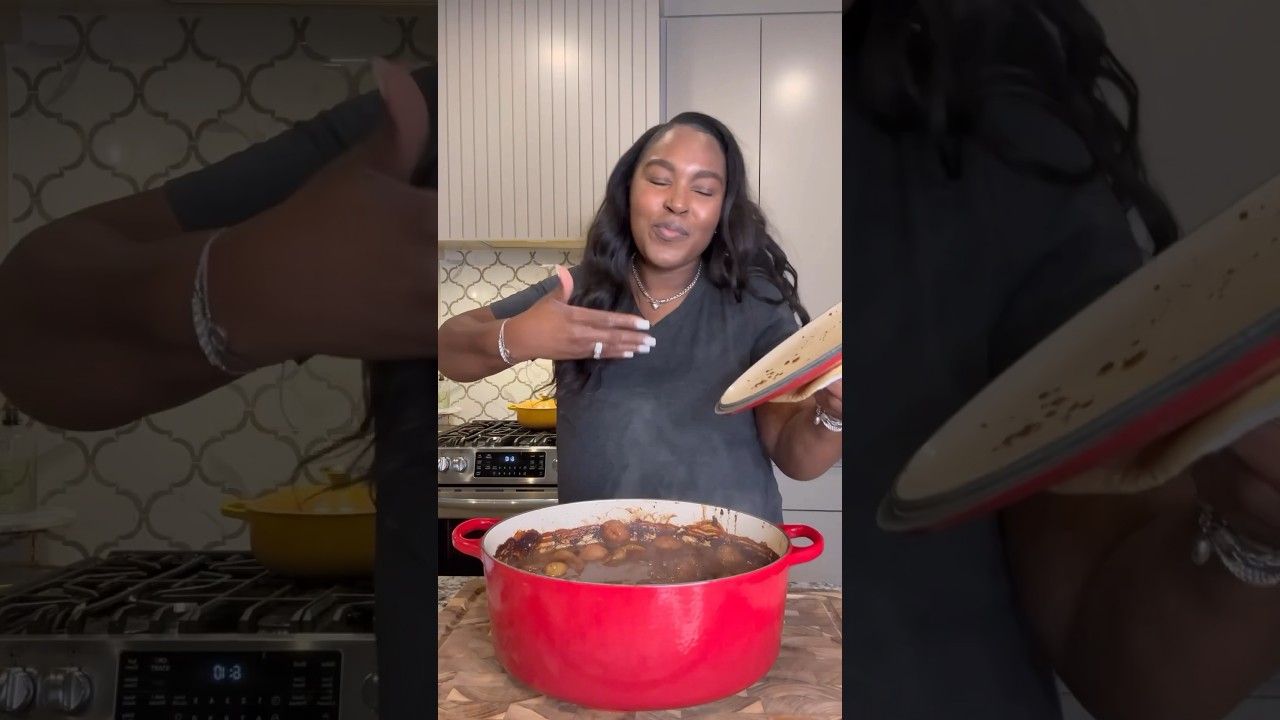
“Pot roast is one of those dishes everyone thinks they understand. Brown the meat, add some liquid, walk away. The problem is that most versions produce dry, stringy beef sitting in watery broth that tastes like it was assembled rather than cooked. The difference between a forgettable pot roast and the kind that makes the whole house smell incredible comes down to three things: how hard you sear the meat, how much liquid you use, and whether you actually resist opening the lid.”
Why This Recipe Works
Pot roast is not complicated. It is, however, deeply unforgiving of shortcuts — and most of the shortcuts are invisible until you sit down to eat. The dish has four variables that actually matter: the sear, the liquid level, the vegetable timing, and the temperature. Get all four right and you have one of the best things you can produce in a home kitchen. Miss any one of them and you'll wonder why you bothered.
The Sear Is Not Optional
Chuck roast comes out of the refrigerator looking like a wet, dense brick of protein. It goes into the oven looking like a deeply bronzed, crust-covered piece of meat. That transformation happens entirely in the first ten minutes at the stovetop, and it sets the flavor ceiling for everything that follows.
The Maillard reaction — the chain of chemical reactions responsible for browning — requires a dry surface and sustained contact heat above 280°F. A wet surface produces steam. Steam cannot exceed 212°F. You will not get browning at 212°F. This is why patting the roast completely dry before it hits the oil is the most important step in the recipe, and why a properly preheated Dutch oven is the second most important.
Four to five minutes per side. One turn. The meat will stick initially and release cleanly when the crust has formed. If you try to move it early, the crust tears and you lose the fond. The fond — those dark, almost burnt-looking bits stuck to the bottom — is not a problem to clean up. It is concentrated flavor waiting to be dissolved by the deglazing liquid. Scrape every bit of it.
Liquid Level Changes Everything
Braising is not boiling. This distinction matters more in pot roast than in almost any other dish because the difference between halfway up the sides and fully submerged produces two entirely different results.
At halfway up, the bottom half of the roast braises in liquid while the top half steams. The meat has two-sided pressure: direct liquid contact below, and humid convective heat above. The result is even, gentle cooking that coaxes collagen into gelatin without driving all the moisture out of the muscle fibers.
Fully submerged, you're boiling. The external pressure is uniform and aggressive. The connective tissue still breaks down, but the muscle proteins tighten and squeeze their liquid out faster than the collagen can compensate. Stringy, dry beef is almost always a sign of too much liquid or too high heat — often both.
Two and a half cups of broth in a standard Dutch oven with a 3.5-pound roast will land you right at the halfway mark. Start there and trust it.
The Two-Phase Cook
Root vegetables take roughly 60-90 minutes to become tender in a 325°F braise. Chuck roast takes 120 minutes before the collagen begins breaking down in earnest. These timelines are incompatible if you add everything at once.
The solution is obvious once you see it: roast alone for two hours, then add the vegetables and continue for another 60-90 minutes. The beef finishes at the same time the vegetables hit tenderness. The vegetables have been in the braising liquid long enough to absorb the meat flavor without collapsing into a starchy paste.
This is not a technique refinement. It is the difference between vegetables with structure and something that requires a spoon to serve.
The Rest Is Science
Muscle fibers under heat contract and push their internal moisture toward the center of the roast. Let that roast rest for ten minutes under foil and those fibers gradually relax, redistributing the moisture back through the meat. Cut immediately and the pressure differential forces that liquid onto the cutting board. Rest it properly and it stays where it belongs — inside the meat, in your mouth, not in a puddle on the counter.
Everything in this recipe is physics. The sear is surface chemistry. The liquid level is pressure dynamics. The vegetable timing is thermal math. The rest period is fluid mechanics. Once you understand why each step exists, you will never take a shortcut again.
Where Beginners Mess This Up
Before we start, read this. These are the 4 reasons your the ultimate pot roast (and why yours keeps failing) will fail:
- 1
Skipping the dry surface before searing: Moisture on the surface of the meat creates steam in the pan, which prevents browning and drives the Maillard reaction to a halt. Pat the roast completely dry with paper towels before it hits the oil. A wet roast steams. A dry roast sears. These are two completely different outcomes.
- 2
Using too much liquid: This is braising, not boiling. The liquid should come halfway up the sides of the roast — not cover it. Too much liquid drops the internal temperature of the meat, washes away the fond, and dilutes the sauce into something thin and flavorless. Halfway up. No more.
- 3
Adding vegetables at the start: Root vegetables need 1 to 1.5 hours in a 325°F oven. The beef needs 2 hours before the vegetables even go in. If you add them together, you get mush by the time the meat is done. Layer the timing or ruin the texture.
- 4
Skipping the resting period: A rested roast retains its juices when sliced. Cut into it immediately and the liquid runs onto the cutting board, not down your throat. Ten minutes under foil is the difference between a juicy roast and a dry one.
The Video Reference Library
Want to see it in action? Here are the exact videos we analyzed and combined to build this foolproof recipe translation:
The source video for this recipe. Covers the searing technique, vegetable timing, and sauce finishing in detail. Best reference for understanding what proper fond development looks like.
🛠️ Core Equipment
- Dutch oven with tight-fitting lidThe heavy base distributes heat evenly across the bottom, preventing hot spots that scorch the fond. The tight lid traps steam throughout the braise. This is the single most important piece of equipment for pot roast.
- Fat separatorAfter 3+ hours of braising, the surface of the liquid will carry a significant fat cap. A separator removes it cleanly without taking the flavorful braising liquid with it. A spoon works but takes longer and is less precise.
- Wooden spoon or flat-edged spatulaFor deglazing. The browned bits stuck to the bottom of the pot after searing — the fond — are pure concentrated flavor. You need something that can scrape them up without scratching the enamel.
The Ultimate Pot Roast (And Why Yours Keeps Failing)
🛒 Ingredients
- ✦3.5 pounds beef chuck roast, trimmed of excess fat
- ✦2 tablespoons olive oil, divided
- ✦1 teaspoon sea salt
- ✦0.5 teaspoon freshly ground black pepper
- ✦2 medium yellow onions, cut into thick wedges
- ✦4 cloves garlic, minced
- ✦2.5 cups low-sodium beef broth
- ✦0.5 cup dry red wine (optional; substitute with additional broth)
- ✦1 tablespoon tomato paste
- ✦1 tablespoon Worcestershire sauce
- ✦2 sprigs fresh thyme (or 1 teaspoon dried thyme)
- ✦2 bay leaves
- ✦5 medium Yukon gold potatoes, cut into 1.5-inch cubes
- ✦5 medium carrots, cut into 2-inch chunks
- ✦2 stalks celery, cut into 2-inch pieces
- ✦1 tablespoon cornstarch mixed with 2 tablespoons cold water (optional thickener)
👨🍳 Instructions
01Step 1
Remove the beef roast from the refrigerator 30 minutes before cooking and pat it completely dry with paper towels.
02Step 2
Preheat your oven to 325°F. Heat 1 tablespoon of olive oil in a large Dutch oven over medium-high heat until shimmering, about 2 minutes.
03Step 3
Season the roast generously on all sides with sea salt and black pepper, then carefully place it in the hot pot.
04Step 4
Sear the roast for 4-5 minutes per side until a deep golden-brown crust forms. Turn only once per side. Transfer to a plate.
05Step 5
Add the remaining tablespoon of olive oil to the pot, then add the onion wedges. Sauté over medium heat, stirring occasionally, until they begin to caramelize at the edges, about 5 minutes.
06Step 6
Stir in the minced garlic and cook for 1-2 minutes until fragrant.
07Step 7
Pour in the red wine (if using) and scrape the browned bits from the bottom of the pot with a wooden spoon. Let it simmer for 2-3 minutes to cook off the alcohol.
08Step 8
Stir in the tomato paste and Worcestershire sauce. Mix well and cook for 1 minute.
09Step 9
Add the beef broth, thyme, and bay leaves. Return the seared roast to the pot. The liquid should come halfway up the sides of the meat — not cover it.
10Step 10
Cover the pot and transfer to the preheated 325°F oven. Braise for 2 hours without opening the lid.
11Step 11
Remove the pot from the oven. Arrange the potato cubes, carrot chunks, and celery pieces around the roast in a single layer.
12Step 12
Cover and return to the oven for another 1 to 1.5 hours, until vegetables are tender and a fork slides easily into the thickest part of the meat.
13Step 13
Transfer the roast to a cutting board and tent loosely with foil. Rest for 10-15 minutes.
14Step 14
Skim any excess fat from the surface of the braising liquid using a fat separator or spoon.
15Step 15
If desired, whisk the cornstarch slurry into the simmering liquid over medium heat and cook for 2-3 minutes to thicken the sauce.
16Step 16
Slice or shred the roast, arrange on a platter with the vegetables, and ladle the warm sauce over the top.
Nutrition Per Serving
Estimates based on standard preparation. Adjustments alter macros.
🔄 Substitutions
Instead of Beef chuck roast...
Use Grass-fed chuck roast or beef brisket
Grass-fed contains higher omega-3s and lower overall fat. Brisket is slightly leaner and may finish 20-30 minutes earlier. Check for doneness with a fork rather than relying on time alone.
Instead of Red wine...
Use 0.5 cup low-sodium beef broth plus 1 tablespoon balsamic vinegar
Eliminates alcohol while preserving the acidity that helps break down connective tissue. Balsamic adds depth without sweetness at this quantity.
Instead of Worcestershire sauce...
Use 1 teaspoon tamari plus 0.5 teaspoon balsamic vinegar
Reduces sodium by roughly 30% while maintaining umami. Adjust to taste — tamari varies in saltiness by brand.
Instead of Yukon gold potatoes...
Use Baby purple or red potatoes, skins on
Higher anthocyanin content and more resistant starch. Slightly earthier flavor. Hold their shape better than Yukon golds during the long braise.
🧊 Storage & Reheating
In the Fridge
Store the roast and vegetables submerged in the braising liquid in an airtight container for up to 4 days. The liquid prevents the meat from drying out.
In the Freezer
Freeze in portions with braising liquid for up to 3 months. Thaw overnight in the fridge before reheating.
Reheating Rules
Cover tightly and reheat in a 300°F oven for 25-30 minutes with a splash of beef broth added to the container. Microwaving works in a pinch but dries the meat — use 50% power and cover with a damp paper towel.
❓ Frequently Asked Questions
Why is my pot roast tough after 3 hours?
Collagen-to-gelatin conversion requires sustained heat over time. If the roast is still tough, it isn't done — it needs more time, not less. Chuck roast follows a predictable arc: it goes from tough to rubbery to tender. If yours is rubbery, add 30 minutes and check again. Toughness at the 3-hour mark usually means the oven temperature was too low or the lid wasn't sealed properly.
Can I make pot roast in a slow cooker?
Yes, but sear the meat first in a separate pan — never skip this step. Cook on low for 8-10 hours or high for 5-6 hours. Add the vegetables during the last 2 hours on low or the last 1.5 hours on high to prevent them from turning to mush.
Do I really need to use wine?
No. The wine adds complexity and acidity that helps break down connective tissue, but the recipe works without it. Substitute with additional beef broth and add a tablespoon of balsamic vinegar to approximate the acidity. The sauce will be slightly less complex but still excellent.
Why is my braising liquid so thin?
Two possible causes: too much liquid added at the start, or the fat cap was skimmed incompletely and is masking the sauce's body. First, skim the fat properly. If it's still thin, whisk in the cornstarch slurry and simmer for 3-5 minutes over medium heat. The sauce will tighten noticeably.
Can I make this ahead for a dinner party?
Pot roast is one of the few dishes that genuinely improves when made a day ahead. Cook completely, cool to room temperature, then refrigerate overnight. The fat will solidify on top and can be removed cleanly. Reheat covered at 300°F for 30-40 minutes. The flavor integration overnight is noticeably better than day-of.
What's the difference between pot roast and beef stew?
Pot roast uses a whole or large piece of beef that gets sliced or shredded after cooking. Beef stew uses smaller, pre-cut cubes of meat that cook in more liquid. The technique is similar — both are braises — but the texture and presentation are different. Pot roast produces distinct sliceable portions; stew produces a unified sauce-and-meat dish.
The Science of
The Ultimate Pot Roast (And Why Yours Keeps Failing)
We turned everything on this page into a beautiful, flour-proof PDF cheat sheet. Print it out, stick it to your fridge, and never mess up your the ultimate pot roast (and why yours keeps failing) again.
*We'll email you the high-res PDF instantly. No spam, just perfectly cooked meals.
AlmostChefs Editorial Team
We translate the internet's most popular cooking videos into foolproof, beginner-friendly written recipes. We analyze multiple methods, test them in our kitchen, and engineer a single "Master Recipe" that gives you the best possible result with the least possible stress.