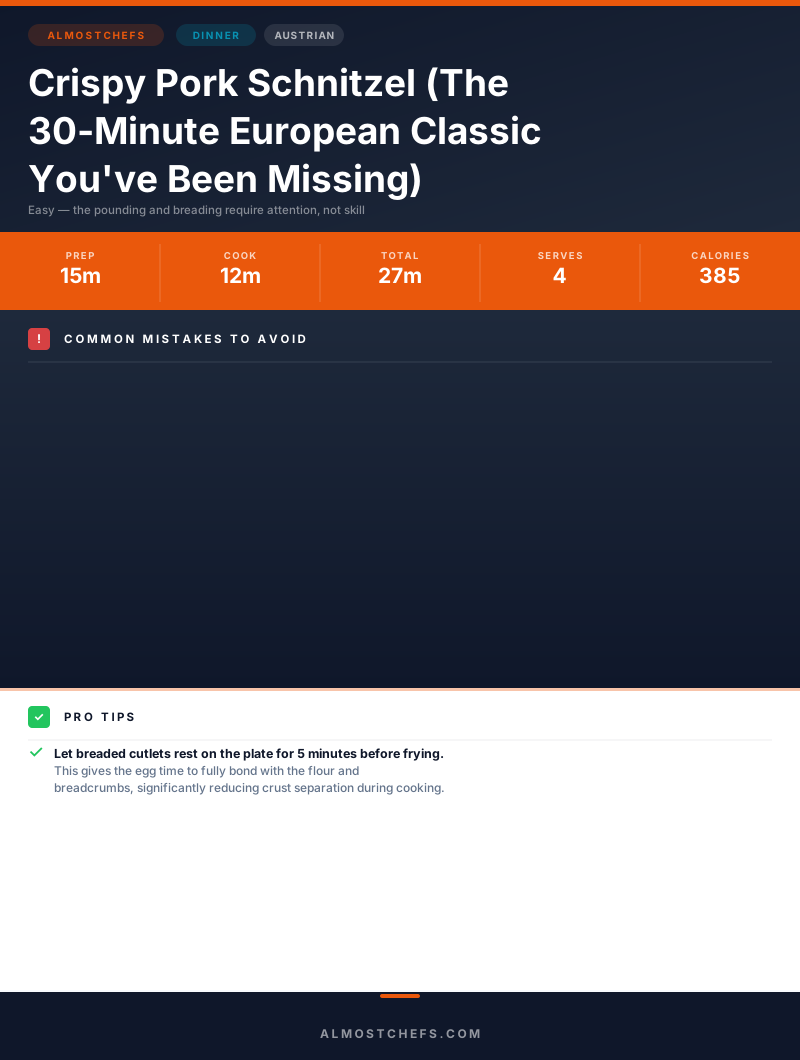
Crispy Pork Schnitzel (The 30-Minute European Classic You've Been Missing)
Thin, golden-crusted pork cutlets pan-fried in a butter-oil mixture until shatteringly crispy outside and juicy within. We broke down the technique to find exactly where most home cooks go wrong — and how to fix it in under 30 minutes.

“Schnitzel has one job: a crust so crispy it shatters, wrapped around pork that stays genuinely juicy. Most home versions produce something closer to a soggy breaded cutlet — chewy coating, dry meat, zero crunch. The difference is almost entirely in two steps that most recipes gloss over: how thin you pound the cutlet and how hot the fat is before the meat hits the pan. Get those two things right and everything else follows.”
Why This Recipe Works
Schnitzel is one of the simplest dishes in European cooking. It is also one of the most technically specific. Strip away the apparent simplicity — thin meat, some breadcrumbs, a hot pan — and you find a dish built entirely on the physics of heat transfer and moisture control. Every step either builds toward a shatteringly crispy crust or quietly undermines it.
The Pounding Problem
The recipe starts before any coating happens. A pork loin cutlet straight from the package is roughly 1/2 inch thick and uneven — thicker in the center, tapering at the edges. That thickness variation is incompatible with schnitzel. By the time the thick center reaches 145°F internal temperature, the thin edges have been at 165°F for two minutes. The edges are dry. The center is done. The result is a cutlet with a dry outer ring and a small island of juiciness in the middle.
Pounding to a uniform 1/4 inch solves this in two ways. First, it creates even cooking across the entire surface. Second, it increases the surface area, which means more square inches of crust relative to meat — and the crust is the point.
The technique matters. You're not tenderizing a tough cut; you're stretching a relatively tender muscle. Use outward sweeping strokes with a flat mallet or the bottom of a heavy skillet through plastic wrap. Downward smashing tears muscle fibers and creates ragged edges that curl during frying.
The Breading Architecture
The three-stage breading — flour, egg, breadcrumbs — is not arbitrary tradition. Each layer serves a mechanical function. Flour provides a dry, slightly rough surface for the egg to grip. Without it, the egg slides off the smooth meat surface. Egg acts as the adhesive that bonds the breadcrumb layer to the flour layer. Panko sits on the egg and creates the structural crust.
The error most cooks make is pressing the panko into the cutlet to ensure coverage. This is exactly wrong. Compressing the panko eliminates the air pockets between flakes — and those air pockets are where the crunch comes from. Instead, place the egg-coated cutlet on the breadcrumbs and let gravity and a gentle shake do the work. The crust should look light and slightly puffy before it hits the pan.
The Fat Temperature Window
Butter burns at approximately 350°F. Properly crisped panko needs a fat temperature of roughly 325-350°F. This is not a large margin for error, which is why the butter-oil combination is load-bearing in this recipe. The oil raises the smoke point of the fat mixture while the butter's milk solids still provide the Maillard browning reactions that turn the panko from pale yellow to deep golden.
The visual cue is the butter foam. When butter first hits a hot pan, it foams as water evaporates from the milk solids. When that foam subsides, the water is gone and the fat temperature is in the correct range. Add the cutlet before the foam subsides and the breading absorbs oil rather than crisping. Add it after the fat starts to smoke and the crust burns before the meat is cooked through.
Why You Don't Touch It
Once the cutlet is in the pan, movement is the enemy. Each time you shift or press the schnitzel, you break the contact between the crust and the hot fat, dropping the temperature at the point of contact and giving the crust an opportunity to peel away from the meat. Set it down flat, step back, and wait for the edges to turn golden before you check the underside. A properly set crust releases cleanly from a well-heated pan — it will tell you when it's ready.
Two cutlets per batch, every time. The math is simple: a 12-inch skillet has roughly 113 square inches of surface area. Two standard schnitzel cutlets fill it appropriately. A third cutlet drops the pan temperature by 30-40 degrees and introduces enough moisture that you're effectively steaming two of the three. The extra batch takes four minutes. The difference is the entire dish.
Schnitzel doesn't require skill or expensive equipment. It requires attention to the variables that most recipes don't bother to explain. Now you have them.
Where Beginners Mess This Up
Before we start, read this. These are the 4 reasons your crispy pork schnitzel (the 30-minute european classic you've been missing) will fail:
- 1
Uneven pounding — or not pounding at all: Schnitzel needs to be uniformly 1/4 inch thick across the entire cutlet. Thicker spots take longer to cook, which means by the time the center is done, the thinner edges are dried out. Use plastic wrap to prevent tearing the meat fibers and work from the center outward with a flat mallet.
- 2
Cold or wet pork going into the pan: Cold meat drops the pan temperature dramatically the moment it hits the fat. The temperature drop causes the breading to absorb oil rather than immediately crisping. Pat the cutlets completely dry before breading and let them sit at room temperature for 10 minutes before frying.
- 3
Overcrowding the pan: Two cutlets per batch maximum in a large skillet. Overcrowding drops the fat temperature and creates steam — steam is the enemy of a crispy crust. It softens the panko before it has a chance to set, giving you that classic disappointing soggy schnitzel texture.
- 4
Pressing the breading instead of letting it adhere naturally: Pressing panko into the cutlet compresses it, creating a dense coating rather than a light, airy one. Instead, lay the cutlet on the breadcrumbs and gently shake the dish to coat. The less you compact it, the more air pockets remain — and air pockets are what create the characteristic schnitzel crunch.
The Video Reference Library
Want to see it in action? Here are the exact videos we analyzed and combined to build this foolproof recipe translation:

The reference video for this recipe — covers the pounding technique, breading station setup, and the butter-oil ratio that produces the ideal crust color without burning.
2. Schnitzel Mistakes and How to Fix Them
Breakdown of the most common schnitzel failures: soggy crust, dry meat, and uneven browning — with direct technique fixes for each.
3. Restaurant Schnitzel at HomeProfessional kitchen perspective on batch frying, fat temperature management, and how to keep schnitzel crispy when serving more than two people at once.
🛠️ Core Equipment
- Meat mallet or heavy skillet ↗Essential for pounding the cutlets to an even 1/4 inch. An uneven cutlet cooks unevenly. If you don't have a mallet, the flat bottom of a cast iron skillet works.
- Large heavy-bottomed skillet ↗A [cast iron skillet](/kitchen-gear/review/cast-iron-skillet) or stainless steel pan maintains temperature when cold meat is added. Non-stick pans lose heat too quickly and can't recover fast enough to crisp the crust.
- Three shallow dishes or rimmed plates ↗One for flour, one for egg, one for breadcrumbs. Proper breading stations keep the three coatings separate and prevent clumping. A shallow dish lets you coat the full cutlet in a single motion.
- Paper towel-lined wire rack ↗Resting schnitzel flat on paper towels traps steam underneath and softens the bottom crust. A wire rack lets air circulate on all sides to keep the crust crisp while the meat rests.
Crispy Pork Schnitzel (The 30-Minute European Classic You've Been Missing)
🛒 Ingredients
- ✦4 boneless pork loin cutlets, about 4 ounces each and 1/2 inch thick
- ✦1 cup all-purpose flour
- ✦2 large eggs, beaten
- ✦1 cup panko breadcrumbs, preferably whole wheat
- ✦1 teaspoon kosher salt
- ✦1/2 teaspoon freshly ground black pepper
- ✦1/2 teaspoon garlic powder
- ✦1/2 teaspoon paprika
- ✦3 tablespoons olive oil, divided
- ✦2 tablespoons unsalted butter
- ✦1 medium lemon, cut into wedges
- ✦2 tablespoons fresh flat-leaf parsley, finely chopped
- ✦1/4 teaspoon cayenne pepper, optional
👨🍳 Instructions
01Step 1
Lay pork cutlets between two sheets of plastic wrap and pound with a meat mallet to an even 1/4-inch thickness, working from the center outward.
02Step 2
Mix kosher salt, black pepper, garlic powder, paprika, and cayenne together in a small bowl. Reserve half the seasoning mixture for finishing.
03Step 3
Set up three shallow dishes: all-purpose flour in the first, beaten eggs in the second, and panko combined with the remaining half of the seasoning mixture in the third.
04Step 4
Pat each cutlet completely dry with paper towels. Dredge in flour, shaking off all excess, then dip into beaten egg letting any drips fall back into the dish.
05Step 5
Lay each egg-coated cutlet in the breadcrumb dish and gently shake the dish side to side to coat. Flip once and repeat. Do not press. Transfer to a clean plate.
06Step 6
Heat 1 tablespoon olive oil and 1 tablespoon butter in a large skillet over medium-high heat until the butter foams and the foam begins to subside, about 2 minutes.
07Step 7
Gently place two breaded cutlets into the pan. Do not move them. Sear undisturbed until deep golden brown, 3 to 4 minutes per side.
08Step 8
Transfer the first batch to a paper towel-lined wire rack. Wipe the skillet clean, add the remaining olive oil and butter, and repeat with the second batch.
09Step 9
While still warm, sprinkle both batches with the reserved seasoning mixture and fresh flat-leaf parsley.
10Step 10
Serve immediately with lemon wedges for squeezing over the top.
Nutrition Per Serving
Estimates based on standard preparation. Adjustments alter macros.
🔄 Substitutions
Instead of All-purpose flour...
Use Chickpea flour or almond flour blend (1/2 cup each)
Adds protein and fiber, slightly nuttier flavor. The crust is still crispy but has a denser bite. Good for blood sugar management.
Instead of Panko breadcrumbs...
Use Whole wheat panko breadcrumbs
Minimal flavor difference with meaningfully more fiber. Slightly sturdier crust that holds up better if the schnitzel needs to sit before serving.
Instead of Olive oil and butter...
Use 3 tablespoons avocado oil
Higher smoke point means less risk of burning at medium-high heat. Loses the nuttiness that browned butter contributes, but cleaner flavor profile and better for high-heat frying.
Instead of Regular pork loin cutlets...
Use Heritage or pasture-raised pork cutlets
Noticeably better flavor and higher omega-3 content. More expensive, but the difference in taste is significant enough to be worth it for a dish where the meat is this front-and-center.
🧊 Storage & Reheating
In the Fridge
Store cooked schnitzel in an airtight container for up to 3 days. The crust will soften — see reheat instructions.
In the Freezer
Freeze breaded but uncooked cutlets in a single layer, separated by parchment, for up to 1 month. Fry directly from frozen, adding 2 minutes per side.
Reheating Rules
Reheat on a wire rack in a 375°F oven for 8-10 minutes. This restores crust crispiness. Microwave reheating produces a soft, steamed coating — avoid entirely.
❓ Frequently Asked Questions
Why does my breading fall off during frying?
Three causes: the meat wasn't dry before breading, the flour layer was too thick or clumpy, or the fat wasn't hot enough when the cutlet went in. All three prevent the breading from bonding properly. Dry the meat, shake off excess flour aggressively, and wait until the butter foam subsides before adding the cutlet.
Can I bake schnitzel instead of frying?
You can, but you won't get the same result. Baking at 425°F produces a crust that's lightly crisp rather than genuinely crunchy. If you're reducing fat, try a light spray of avocado oil on the breaded cutlet before baking on a wire rack — it gets you closer to the fried texture without full submersion in fat.
What's the difference between schnitzel and chicken parmesan?
Schnitzel is breadcrumbed meat fried in a shallow pan and served with lemon. Chicken parmesan adds tomato sauce and melted cheese on top and is typically baked. Schnitzel is defined by the crust and the lemon — everything else is a variation.
Do I have to use pork? Can I use chicken or veal?
Chicken breast or veal cutlets work identically with this technique. Veal schnitzel (Wiener Schnitzel) is the original Austrian preparation. Chicken schnitzel is lighter in flavor but equally valid. Pound to the same 1/4-inch thickness regardless of protein.
Why use both oil and butter instead of just one or the other?
Butter has a low smoke point and burns before reaching the temperature needed to properly crisp panko. Oil alone has a high smoke point but lacks butter's browning compounds (milk solids) that give the crust its golden color and nutty flavor. The combination gives you the best of both: heat tolerance from the oil, color and flavor from the butter.
How do I keep schnitzel warm for a crowd without losing the crust?
Wire rack on a baking sheet in a 250°F oven. The airflow keeps the crust intact for up to 20 minutes. Never cover with foil — trapped steam will undo everything you accomplished in the pan.
The Science of
Crispy Pork Schnitzel (The 30-Minute European Classic You've Been Missing)
We turned everything on this page into a beautiful, flour-proof PDF cheat sheet. Print it out, stick it to your fridge, and never mess up your crispy pork schnitzel (the 30-minute european classic you've been missing) again.
*We'll email you the high-res PDF instantly. No spam, just perfectly cooked meals.
AlmostChefs Editorial Team
We translate the internet's most popular cooking videos into foolproof, beginner-friendly written recipes. We analyze multiple methods, test them in our kitchen, and engineer a single "Master Recipe" that gives you the best possible result with the least possible stress.