Chicken Labnani Kabab (The Juicy Grilled Secret You're Missing)
A Middle Eastern street food classic — minced chicken packed with cumin, coriander, fresh herbs, and a yogurt marinade that keeps every bite tender and smoky off the grill. We broke down the technique so your kababs hold their shape, char properly, and never fall apart on the grate.

“Most homemade kababs fall apart on the grill, taste bland in the center, or come out dry despite the yogurt marinade. The problem is almost never the spices — it's the moisture content of the mix and the temperature of the grill when the kababs hit it. Get those two variables right and Chicken Labnani Kabab becomes the easiest impressive thing you can cook on a weeknight.”
Why This Recipe Works
Chicken Labnani Kabab is a Middle Eastern street food formula that has been refined over centuries on open-fire grills. It is built around one central insight: ground chicken has almost no structural integrity on its own. Unlike ground beef, which contains enough intramuscular fat to bind naturally, ground chicken breast is lean, dense, and falls apart the second heat hits it. The entire technique of this recipe exists to solve that problem.
The Yogurt Binding System
Greek yogurt does three things in this recipe simultaneously. First, its proteins act as a binder — when you mix yogurt thoroughly into ground chicken, the protein strands from both begin to interweave, creating a more cohesive paste that holds its shape on the skewer. Second, the lactic acid in yogurt gently denatures the surface proteins of the chicken, resulting in a noticeably more tender exterior after grilling. Third, as the kabab heats up, the yogurt's moisture converts to steam inside the meat, essentially self-basting the interior.
The problem arrives when the yogurt is too thin. Watery Greek yogurt — or any brand that hasn't been properly strained — introduces excess liquid into the mix, which overwhelms the binding proteins and turns your carefully shaped kabab into a puddle on the grate. The fix is simple: if the yogurt moves in the container when you tilt it, drain it for ten minutes through a fine-mesh sieve before adding it to the bowl.
The Spice Architecture
Cumin and coriander are the anchor spices here, and they're not interchangeable with their substitutes. Cumin contributes a warm, earthy base note that reads as distinctly Middle Eastern. Coriander adds a citrusy, floral brightness that lifts the whole mixture. Together they create the flavor profile that makes this kabab taste like something from a Beirut street cart rather than a backyard barbecue.
Cayenne provides heat that doesn't dominate — half a teaspoon in 1.5 pounds of meat is noticeable but not aggressive. Paprika is purely cosmetic: it creates the deep reddish-brown surface color that signals "properly grilled" before anyone tastes a bite. Fresh herbs — cilantro and parsley — are not optional. Dried herbs turn acrid under high grill heat and add nothing to the texture. Fresh herbs add moisture, fragrance, and visual flecks that tell you the thing was made by someone who cared.
The Grill Temperature Problem
Ground chicken kababs are unforgiving of a cold grill. The reason: ground chicken sticks to everything at low temperatures. The proteins have to denature rapidly on contact with a hot surface to form the sear crust that releases cleanly from the grate. On a properly preheated cast iron grill pan or outdoor grill, that crust forms in about 90 seconds. On a lukewarm grill, the meat just sticks, steams, and tears when you try to flip it.
Medium-high is the right heat. High runs the risk of charring the outside while leaving the center undercooked — which matters with ground chicken, where 165°F internal is non-negotiable. An instant-read thermometer eliminates all guessing. Poke the thickest part of the kabab at the 8-minute mark and you'll know exactly where you stand.
Why the Rest Matters
Two minutes of rest after grilling is not a suggestion. Ground chicken holds its juices under tension while it's hot. The moment you cut or bite into a kabab straight off the grill, those juices run onto the plate. Two minutes of rest lets the proteins relax and reabsorb the liquid. The difference is a kabab that tastes dry versus one that's genuinely juicy in the center despite being made from lean breast meat.
Serve with warm flatbread, a yogurt-garlic sauce, and lemon wedges. The acid from the lemon at the table is what ties the whole plate together.
Where Beginners Mess This Up
Before we start, read this. These are the 4 reasons your chicken labnani kabab (the juicy grilled secret you're missing) will fail:
- 1
Mix is too wet to hold its shape: Greek yogurt adds tenderness but also water. If you add too much or use a watery brand, the mixture won't bind and the kababs slide off the skewer. Drain your yogurt through a fine-mesh sieve for 10 minutes before mixing if the consistency feels loose. The finished mix should hold a shape when you press it in your palm.
- 2
Grill isn't hot enough before the kababs go on: A cold or lukewarm grill means the outside doesn't sear — it steams. The kabab sticks to the grate, tears when you try to flip it, and comes out pale and rubbery. The grill must be fully preheated to medium-high with lightly oiled grates before the first kabab touches it.
- 3
Flipping too early: Ground chicken kababs need 4-5 full minutes on the first side before you touch them. The exterior has to set and form a light char crust before it will release cleanly from the grate. Attempt to flip at 2 minutes and you'll tear the kabab apart. Trust the timer.
- 4
Skipping the rest period: Two minutes off the heat lets the internal juices redistribute. Cut into a kabab immediately and those juices pool on your plate instead of staying in the meat. Rest every protein — even a kabab.
The Video Reference Library
Want to see it in action? Here are the exact videos we analyzed and combined to build this foolproof recipe translation:
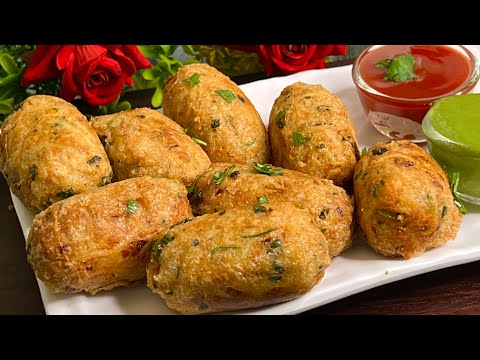
The source video demonstrating the full Labnani Kabab method — pay close attention to the mixing technique and how the kabab is molded onto the skewer to prevent cracking during grilling.
2. Middle Eastern Grilled Chicken Skewers
A detailed walkthrough of the spice-layering technique common to Levantine kababs and how to read grill temperature without a thermometer.
3. How to Keep Kababs from Falling ApartCovers the moisture-binding science behind ground meat kababs — why yogurt concentration matters and how to test your mix before you commit to the skewer.
🛠️ Core Equipment
- Metal skewers ↗Flat-blade metal skewers grip ground chicken much better than round ones. They prevent the kabab from rotating freely when you try to flip it. Wooden skewers work but must be fully soaked and they don't transfer heat to the center the way metal does.
- Grill or cast iron grill pan ↗High direct heat is what creates the char marks and smoky flavor that make kababs worth making. A regular skillet produces steam rather than sear. A [cast iron grill pan](/kitchen-gear/review/cast-iron-grill-pan) on the stovetop delivers restaurant-quality char when an outdoor grill isn't available.
- Fine-mesh sieve ↗For draining the Greek yogurt before mixing if it's too thin. Excess liquid in the mixture is the number-one reason kababs fall off skewers. One pass through a sieve for ten minutes solves it.
- Instant-read thermometer ↗Ground chicken must hit 165°F internal temperature — no exceptions. The exterior chars before the inside is safe to eat if your grill runs hot. A [meat thermometer](/kitchen-gear/review/instant-read-thermometer) removes all guesswork.
Chicken Labnani Kabab (The Juicy Grilled Secret You're Missing)
🛒 Ingredients
- ✦1.5 pounds ground chicken breast
- ✦3/4 cup plain Greek yogurt
- ✦1 medium red onion, finely minced
- ✦4 cloves garlic, minced
- ✦2 tablespoons fresh cilantro, chopped
- ✦2 tablespoons fresh parsley, chopped
- ✦1 teaspoon ground cumin
- ✦1 teaspoon ground coriander
- ✦1/2 teaspoon cayenne pepper
- ✦1/2 teaspoon black pepper
- ✦1 teaspoon sea salt
- ✦1 tablespoon olive oil, plus extra for brushing
- ✦1 tablespoon fresh lemon juice
- ✦1/2 teaspoon paprika
- ✦8 metal skewers (or wooden skewers soaked in water for 30 minutes)
- ✦Lemon wedges for serving
- ✦Fresh mint leaves for garnish
👨🍳 Instructions
01Step 1
If using wooden skewers, soak them in water for at least 30 minutes before cooking.
02Step 2
Combine ground chicken breast, Greek yogurt, minced red onion, and minced garlic in a large mixing bowl.
03Step 3
Add fresh cilantro, parsley, cumin, coriander, cayenne, black pepper, sea salt, olive oil, and lemon juice. Mix firmly for 2-3 minutes until completely combined.
04Step 4
Cover the bowl with plastic wrap and refrigerate for at least 30 minutes.
05Step 5
Divide the chilled mixture into 8 equal portions. Mold each portion firmly around a skewer, pressing and shaping into a cylinder about 5-6 inches long.
06Step 6
Brush each kabab lightly with olive oil and dust with paprika.
07Step 7
Preheat your grill or grill pan to medium-high heat and lightly oil the grates.
08Step 8
Place kababs on the grill 2 inches apart. Grill without touching for 4-5 minutes until char marks appear and the exterior is fully set.
09Step 9
Rotate each kabab carefully and grill the second side for another 4-5 minutes until the internal temperature reads 165°F.
10Step 10
Remove from heat and rest for 2 minutes.
11Step 11
Drizzle with fresh lemon juice and garnish with mint leaves. Serve immediately with lemon wedges, flatbread, and yogurt sauce.
Nutrition Per Serving
Estimates based on standard preparation. Adjustments alter macros.
🔄 Substitutions
Instead of Ground chicken breast...
Use Ground turkey breast
Very similar result — turkey is slightly denser but still produces tender kababs. The flavor profile holds up well with the same spice ratios.
Instead of Plain Greek yogurt...
Use Unsweetened coconut yogurt
Dairy-free alternative that maintains moisture and tenderness. Adds a subtle coconut undertone that pairs surprisingly well with cumin and coriander.
Instead of Fresh cilantro...
Use Fresh dill or fresh mint
Dill adds earthier notes; mint creates a brighter, cooling finish. Both are at home in Middle Eastern cooking and work well in the mix.
Instead of Olive oil for brushing...
Use Avocado oil
Higher smoke point means less burnt-oil flavor during high-heat grilling. Cleaner taste with the same basting function.
🧊 Storage & Reheating
In the Fridge
Store cooked kababs in an airtight container for up to 3 days. The spice flavors deepen after the first day.
In the Freezer
Freeze uncooked molded kababs on a parchment-lined tray until solid, then transfer to a freezer bag for up to 2 months. Grill from frozen — add 3-4 minutes per side.
Reheating Rules
Reheat in a covered skillet over medium-low heat with a splash of water, or in the oven at 325°F for 8-10 minutes. Avoid the microwave — it dries out ground chicken quickly.
❓ Frequently Asked Questions
Why do my kababs keep falling off the skewer?
The mixture has too much moisture. This is usually from yogurt that's too thin or onion that hasn't been blotted dry. Drain the yogurt for 10 minutes before mixing, squeeze excess water from the minced onion, and refrigerate the mix for at least 30 minutes before skewering. The cold firms everything up and helps binding.
Can I bake these instead of grilling?
Yes. Arrange on a wire rack set over a baking sheet and bake at 425°F for 18-20 minutes, flipping once at the halfway point. Finish with 2-3 minutes under the broiler for color. You won't get the same smoke or char, but the flavor profile is still solid.
What does 'labnani' mean in this context?
Labnani refers to the use of labneh — a thick, strained yogurt common in Levantine cuisine — as the binding and tenderizing element in the kabab mixture. Greek yogurt is the closest widely available substitute and behaves almost identically in this recipe.
How do I know when the kababs are done without a thermometer?
Cut into the thickest part — the meat should be completely white with no pink, and the juices should run clear. That said, ground chicken is much less forgiving than a whole breast. A thermometer is genuinely worth having here.
Can I make the mix ahead of time?
Yes, and you should. The mix holds in the refrigerator for up to 24 hours before skewering. The spices penetrate more deeply overnight and the texture becomes easier to work with. Do not skewer in advance — the kababs release moisture against the skewer over time.
What should I serve with these kababs?
Warm flatbread, a simple yogurt-garlic sauce, sliced cucumber and tomato, and pickled red onion. For a fuller spread, add tabbouleh or a fattoush salad. The kababs also work well in a wrap with hummus and shredded lettuce.
The Science of
Chicken Labnani Kabab (The Juicy Grilled Secret You're Missing)
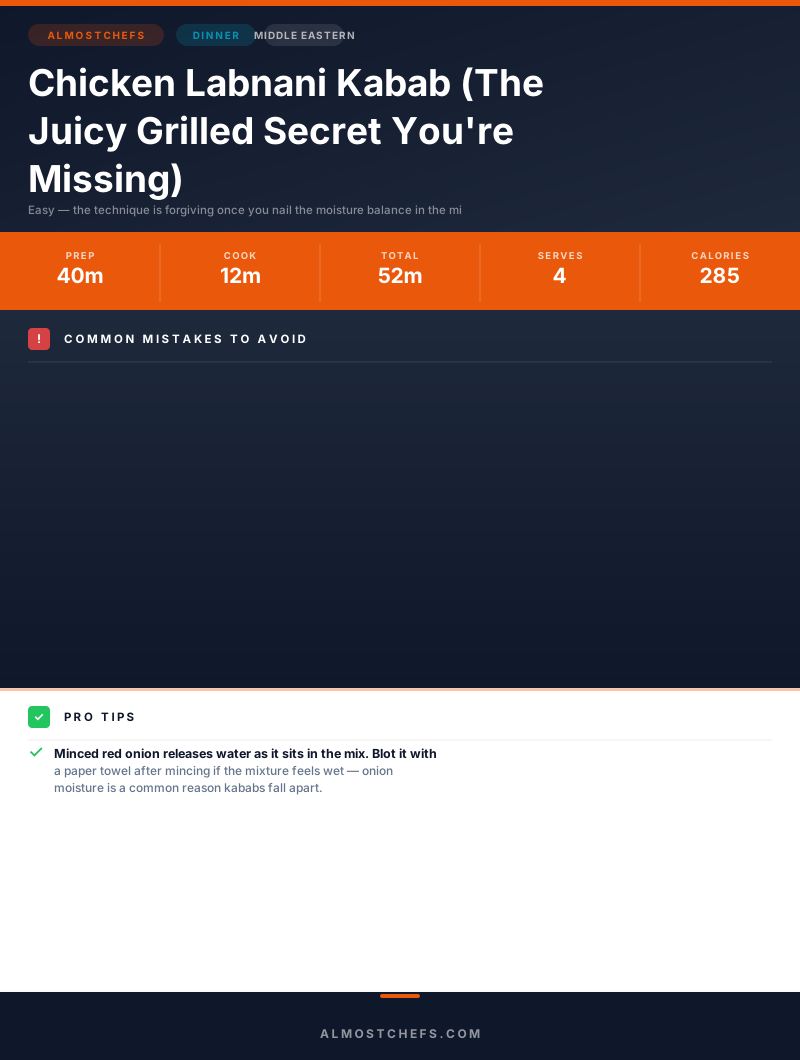
We turned everything on this page into a beautiful, flour-proof PDF cheat sheet. Print it out, stick it to your fridge, and never mess up your chicken labnani kabab (the juicy grilled secret you're missing) again.
*We'll email you the high-res PDF instantly. No spam, just perfectly cooked meals.
AlmostChefs Editorial Team
We translate the internet's most popular cooking videos into foolproof, beginner-friendly written recipes. We analyze multiple methods, test them in our kitchen, and engineer a single "Master Recipe" that gives you the best possible result with the least possible stress.