Perfect Stovetop Popcorn (No Burned Kernels, No Sad Bags)
Homemade stovetop popcorn in 10 minutes with whole kernels, quality oil, and a savory herb-and-spice seasoning blend that puts every microwave bag to shame. We broke down the heat management and steam venting technique so you get maximum pop yield and zero scorched batches.
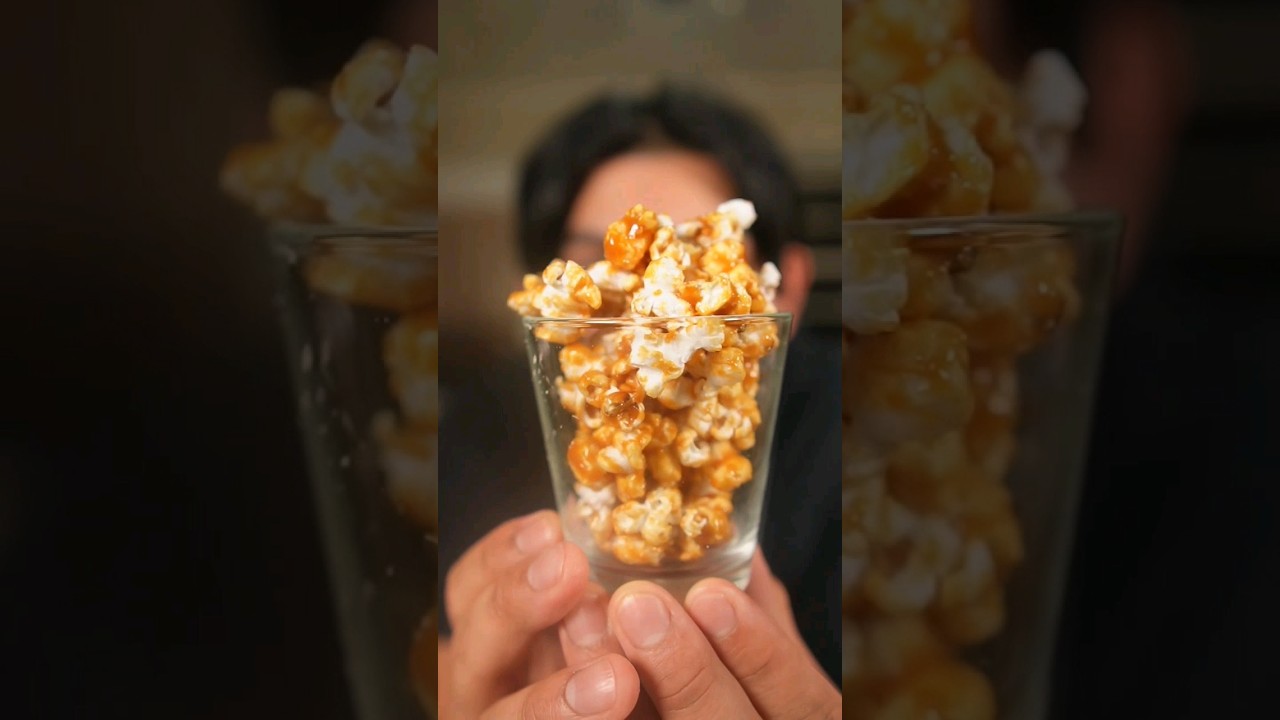
“Microwave popcorn is a compromise you've been accepting because stovetop popcorn seemed fussy. It isn't. The entire method takes 10 minutes, uses one pot, and gives you a crispier, more flavorful result than anything that comes in a foil bag. The secret is heat management and knowing exactly when to pull it off the burner — two seconds too late and half your batch burns.”
Why This Recipe Works
Popcorn is the most deceiving snack in existence. Two ingredients, ten minutes, zero technique required — and yet most homemade batches come out half-unpopped, partially burned, or soggy enough to disappoint everyone in the room. The gap between bad popcorn and great popcorn is not ingredients. It's physics.
The Kernel Pressure Equation
Every popcorn kernel contains a small pocket of moisture — about 14% water by weight — sealed inside a hard starch shell. When that kernel hits oil hot enough to transfer heat rapidly, the internal moisture converts to steam faster than it can escape. Pressure builds until the shell ruptures and the starch explodes outward, creating the familiar white cloud of cooked grain.
The problem with low heat is that it lets moisture leak gradually through microscopic shell imperfections before pressure can build. You get a soft hiss instead of a sharp pop, and the resulting kernel is dense, chewy, and flat. Medium-high heat builds pressure fast and decisively. That's why preheating the pot before the oil ever goes in matters — you want the environment hot from the first second.
The Steam Venting Secret
The lid-ajar technique is the most counterintuitive part of the recipe and the most important. Fully sealing the pot traps steam inside the cooking environment. That steam doesn't stay in the air — it condenses on the nearest cool surface, which is your freshly popped popcorn. The result is soft, damp kernels that feel like they've been sitting out for an hour.
A quarter-inch gap between the lid and pot creates a continuous escape route for steam while keeping the heat contained at the base. The popcorn environment stays hot and dry. This is identical to the principle behind a good Dutch oven lid seal in bread baking — precise vapor management is the difference between crust and mush.
The Seasoning Window
Dry seasonings don't stick to cool, smooth surfaces. They need heat and fat to grip. This is why the sequence matters: butter first, seasoning immediately after, toss while still hot. The warm butter creates a thin fat layer on every piece, and the heat softens the popcorn surface just enough for the dry spices to embed rather than slide off.
Nutritional yeast deserves special attention here. It's not a health food novelty — it's a pure flavor amplifier. The glutamates in nutritional yeast activate the same umami receptors as Parmesan and MSG, which is why it makes every other seasoning in the blend taste more intense. You could cut the salt by 30% and still perceive the popcorn as more savory with nutritional yeast in the mix.
Why Rosemary Works Here
Fresh rosemary and popcorn is not an obvious pairing, but the logic is sound. Rosemary contains volatile aromatic oils — primarily pinene and limonene — that release intensely when they hit fat and heat. On popcorn, those oils disperse through the butter coating on every kernel, giving the entire batch an herbal depth that dried spice blends can't replicate. Use dried rosemary and you get texture without aroma. The herb does its job only when it's fresh.
The whole recipe is ten minutes. There is no reason to buy a bag.
Where Beginners Mess This Up
Before we start, read this. These are the 4 reasons your perfect stovetop popcorn (no burned kernels, no sad bags) will fail:
- 1
Using too low a heat: Popcorn needs high initial heat to build pressure inside each kernel fast enough to cause a clean pop. Starting on medium instead of medium-high means the moisture inside the kernel leaks out slowly as steam before pressure can build — resulting in flat, chewy, unpopped kernels that never fully open.
- 2
Keeping the lid fully sealed: A completely sealed lid traps steam inside the pot, which makes your popcorn soggy. The lid needs to sit slightly ajar — just a quarter inch — to let moisture escape while keeping the heat in. This is the single step most recipes skip, and it's why homemade popcorn often comes out limp.
- 3
Not shaking the pot during popping: Kernels sitting stationary on the bottom of a hot pot scorch. Every 10-15 seconds you should be moving the pot in gentle circles over the burner to redistribute the kernels and prevent any single spot from getting too hot. This also ensures even oil contact so every kernel gets the heat it needs.
- 4
Waiting for every kernel to pop: The last 5% of kernels will never pop — they're duds with insufficient moisture. If you wait for them, the first 95% burns. Pull the pot the moment you hear 2-3 seconds of silence between pops. Accept the stragglers. They were always lost.
The Video Reference Library
Want to see it in action? Here are the exact videos we analyzed and combined to build this foolproof recipe translation:
Straightforward walkthrough covering the oil temperature, lid-venting technique, and shake cadence that gets you maximum pop yield with zero scorched kernels.
🛠️ Core Equipment
- Large heavy-bottomed pot with lidEven heat distribution prevents hot spots that burn the bottom layer before the top kernels pop. A [Dutch oven](/kitchen-gear/review/dutch-oven) is ideal — the weight keeps the temperature stable and consistent throughout the pop cycle.
- Large mixing bowlPopcorn triples in volume. A too-small bowl makes tossing the seasoning evenly impossible — you end up with half the batch overseasoned and the rest bland. Go bigger than you think you need.
- Small prep bowlPre-mixing all dry seasonings before the popcorn is ready means you can season instantly while the popcorn is still hot. Hot popcorn grabs seasoning. Cool popcorn rejects it.
Perfect Stovetop Popcorn (No Burned Kernels, No Sad Bags)
🛒 Ingredients
- ✦1/3 cup popcorn kernels
- ✦3 tablespoons coconut oil
- ✦1 tablespoon unsalted butter, melted
- ✦1 teaspoon sea salt
- ✦1/2 teaspoon garlic powder
- ✦1/4 teaspoon cayenne pepper
- ✦2 tablespoons nutritional yeast
- ✦1 tablespoon fresh rosemary, finely chopped
👨🍳 Instructions
01Step 1
Place a large heavy-bottomed pot over medium-high heat and preheat for 1 minute.
02Step 2
Add the coconut oil and swirl to coat the bottom evenly. Allow it to melt and shimmer, about 30 seconds.
03Step 3
Add the popcorn kernels and stir constantly for 15 seconds to coat every kernel in oil.
04Step 4
Cover the pot with the lid set slightly ajar — about a quarter inch — and reduce heat to medium.
05Step 5
Shake the pot gently in circular motions every 10-15 seconds as kernels begin to pop.
06Step 6
Cook until popping slows to 2-3 seconds between pops, then immediately remove from heat.
07Step 7
Transfer popcorn immediately to a large bowl.
08Step 8
Drizzle the melted butter over the hot popcorn and toss to coat.
09Step 9
In a small bowl, combine the sea salt, garlic powder, cayenne pepper, nutritional yeast, and fresh rosemary.
10Step 10
Sprinkle the seasoning blend over the popcorn and toss vigorously for about 1 minute until every piece is coated.
11Step 11
Spread the popcorn on a clean kitchen towel for 2-3 minutes to let residual steam escape and the seasoning set.
12Step 12
Transfer to a serving bowl and eat immediately.
Nutrition Per Serving
Estimates based on standard preparation. Adjustments alter macros.
🔄 Substitutions
Instead of Coconut oil...
Use Avocado oil
Higher smoke point and completely neutral flavor. Better choice if you dislike any hint of coconut. Virtually identical results.
Instead of Sea salt...
Use Himalayan pink salt
Subtle mineral complexity and slightly lower sodium per volume. Works identically in the recipe — purely a flavor nuance call.
Instead of Nutritional yeast...
Use Grated Parmesan cheese
Richer and more intensely cheesy. Not vegan. Adds small amount of dairy fat. Sprinkle while popcorn is still warm so it melts slightly onto the surface.
Instead of Cayenne pepper...
Use Smoked paprika
Completely different heat profile — smoky and mild rather than sharp. Better for anyone sensitive to spice. Use the same quantity.
🧊 Storage & Reheating
In the Fridge
Popcorn does not store well in the fridge — moisture makes it soggy within hours. Room temperature only.
In the Freezer
Not recommended. Freezing introduces moisture that collapses the crisp structure on thawing.
Reheating Rules
Spread on a baking sheet and heat at 300°F for 5 minutes to re-crisp. Avoid microwave reheating — it steams rather than crisps. Best consumed the same day, ideally within 2 hours of popping.
❓ Frequently Asked Questions
Why do I have so many unpopped kernels?
Two likely causes: oil temperature was too low when you added the kernels, or your kernels are old and dried out. For temperature, wait until the oil shimmers and test kernels pop before adding the full batch. For old kernels, store them in an airtight container — popcorn needs trace internal moisture to pop correctly.
Can I use a different oil?
Yes. Avocado oil and refined coconut oil both work well for high-heat stovetop popcorn. Avoid extra-virgin olive oil — its low smoke point causes it to burn before the kernels pop, giving your popcorn a bitter, acrid flavor.
Why is my popcorn soggy instead of crispy?
Your lid was fully sealed. Steam trapped inside the pot condenses on the popcorn and makes it limp. Keep the lid slightly ajar throughout the cooking process to let moisture escape. The post-pop rest on a kitchen towel also helps — it lets residual steam dissipate before you season.
Is stovetop popcorn actually healthier than microwave?
It depends entirely on what you put on it. The advantage of stovetop is control — you choose the oil, the amount, and the seasonings. Most microwave bags use partially hydrogenated oils and artificial butter flavoring. Made with avocado oil and real seasoning, stovetop is meaningfully cleaner.
Can I make this without butter?
Yes — skip the butter entirely or replace it with an extra drizzle of avocado oil. The seasoning will still adhere to the oil coating from popping. The result is slightly less rich but fully vegan and just as flavorful.
How do I keep the seasoning from falling to the bottom of the bowl?
Season while the popcorn is still hot and toss immediately and aggressively. The heat slightly softens the surface of the popcorn, giving the dry seasoning something to grip. If you let it cool first, the seasoning slides straight off onto the bowl.
The Science of
Perfect Stovetop Popcorn (No Burned Kernels, No Sad Bags)
We turned everything on this page into a beautiful, flour-proof PDF cheat sheet. Print it out, stick it to your fridge, and never mess up your perfect stovetop popcorn (no burned kernels, no sad bags) again.
*We'll email you the high-res PDF instantly. No spam, just perfectly cooked meals.
AlmostChefs Editorial Team
We translate the internet's most popular cooking videos into foolproof, beginner-friendly written recipes. We analyze multiple methods, test them in our kitchen, and engineer a single "Master Recipe" that gives you the best possible result with the least possible stress.