Crispy Shrimp Po Boy (The New Orleans Classic You've Been Missing)
A New Orleans institution: golden fried shrimp piled onto toasted French bread with lemon garlic mayo, dill pickles, and fresh romaine. We broke down the frying technique, the bread choice, and the sauce ratio to give you a sandwich that actually delivers the crunch-to-tender ratio that makes this iconic.
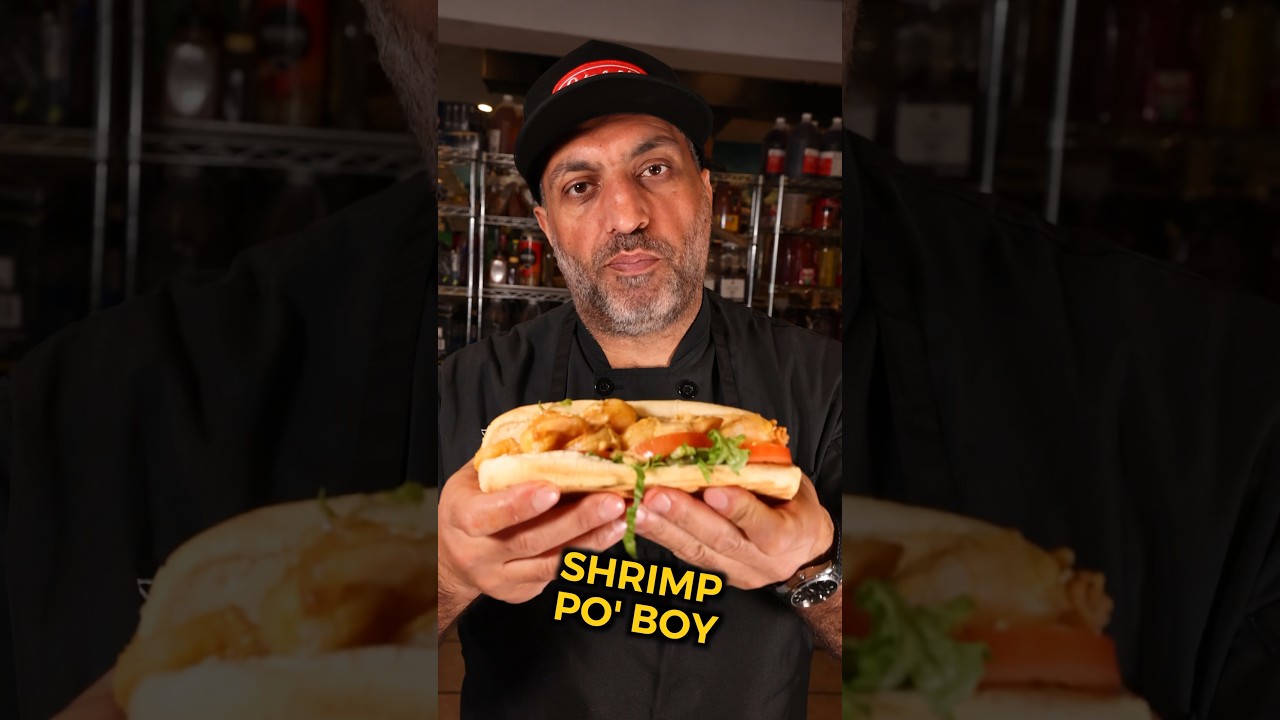
“Most homemade po boys fail at the same point: the shrimp aren't dry enough before breading, the oil isn't hot enough before the first batch goes in, and the bread isn't toasted before the sauce hits it. Three small failures that compound into a sandwich that's flabby, greasy, and forgettable. Fix those three things and you have one of the best sandwiches in the American canon.”
Why This Recipe Works
The po boy is one of the great American sandwiches and one of the most frequently butchered at home. Not because it's technically difficult — the component list is short, the steps are linear, and nothing requires special equipment. It fails because home cooks treat it like a routine fried sandwich instead of what it actually is: a precision assembly where every element has to hit at exactly the right moment.
The Frying Equation
Shrimp is unforgiving protein. It goes from translucent to cooked to overcooked in about 90 seconds, and there is no graceful recovery from a rubbery shrimp inside a po boy. The cornstarch-to-flour ratio in the dredge solves the timing problem by creating a coating that crisps up fast — cornstarch inhibits gluten network formation, so the crust sets at a high temperature without becoming chewy or doughy. The result is a thin, shattering exterior that reaches the right color at the same moment the shrimp inside finishes cooking.
The buttermilk-egg wash does two things: it adds a layer of tangy flavor that plays directly against the cayenne and smoked paprika, and it creates a sticky surface for the flour to grip. The key is letting the excess drip off before the shrimp goes into the flour. Too much liquid in the dredge creates a batter, not a coating, and a batter on shallow-fried shrimp is structurally different from the light, craggy crust you're after.
Oil temperature is the variable most home cooks ignore until something goes wrong. A cast iron skillet holds heat better than any other pan when cold shrimp hits it — and cold shrimp is the temperature assassin of home frying. Every batch of room-temperature breaded shrimp drops the oil temperature by 15-20 degrees. If you started at 350°F, your second batch might be frying in 310°F oil, which produces grey, greasy results. Let the oil recover for 90 seconds between batches. The patience is the technique.
The Bread Decision
Po boy bread is not a baguette. New Orleans French bread has a specific personality — crackly thin exterior, cotton-soft crumb, no chew — engineered for sandwiches that are loaded with wet ingredients. The bread has to compress when you bite without snapping, and it has to hold its structural integrity despite the mayo and tomato juice working against it from the inside.
Toasting the cut sides in the same skillet the shrimp came out of solves the structural problem without sacrificing that soft bite. You're not making toast — you're creating a thin sacrificial layer on the cut face that slows sauce absorption long enough for you to eat the sandwich before it falls apart. Thirty seconds too long and the bread becomes a crouton. Thirty seconds too short and it's a wet sponge. Watch it.
The Sauce Ratio
The lemon garlic mayo is three ingredients and it does the work of ten. The lemon brightens the richness of the mayo, the garlic adds depth without overpowering the shrimp, and the fat of the mayonnaise carries both flavors laterally across every bite. Don't be conservative with application — spread it on both cut faces. A dry po boy is a failed po boy.
The hot sauce is optional in the ingredient list but mandatory in spirit. Louisiana hot sauce — thin, vinegar-forward, medium heat — is not the same as sriracha or Tabasco used indiscriminately. It adds acid more than heat, and that acid sharpens every other flavor in the sandwich. Add it to the mayo rather than drizzling it directly on the shrimp so it integrates instead of creating random hot pockets.
Assembly as Architecture
The layer order is deliberate: mayo on bread, lettuce, tomato, shrimp, pickles, scallions. The lettuce goes down first to create a barrier between the wet tomato and the toasted bread. The tomato goes before the shrimp so the hot shrimp doesn't immediately wilt it. The pickles go on top so their brine drips down through the sandwich rather than pooling at the bottom. None of this is precious — it's structural.
Eat it immediately. This is the one non-negotiable instruction in the entire recipe.
Where Beginners Mess This Up
Before we start, read this. These are the 4 reasons your crispy shrimp po boy (the new orleans classic you've been missing) will fail:
- 1
Wet shrimp before breading: Moisture on the shrimp surface creates steam between the meat and the coating during cooking. That steam inflates and then deflates, separating the crust from the shrimp so it slides off in one piece. Pat every shrimp bone dry before it goes near the flour — paper towels, press firmly, don't rush this step.
- 2
Cold oil or crowded pan: Shrimp dropped into oil that hasn't reached temperature absorbs fat instead of searing it out. The coating goes greasy and pale instead of golden. Crowding causes the same problem — too many shrimp drops the oil temperature dramatically. Work in batches. Two minutes of patience between batches beats a mediocre final product.
- 3
Untoasted bread: Soft French bread loaded with wet mayo and juicy tomatoes becomes a soggy mess in under two minutes. Toast the cut sides of the roll in the same skillet after the shrimp come out. The slight crust prevents the sauce from saturating the crumb and the structural integrity of the sandwich holds through the last bite.
- 4
Assembling too early: A po boy assembled and left sitting is a po boy destroyed. The heat from the shrimp wilts the lettuce, the tomato juice runs, and the crust softens. Build it and eat it immediately — this is not a make-ahead lunch.
The Video Reference Library
Want to see it in action? Here are the exact videos we analyzed and combined to build this foolproof recipe translation:
The source video for this recipe. Clear technique on the buttermilk dredge, batch frying order, and bread toasting. Watch the oil temperature segment before you start.
🛠️ Core Equipment
- Large cast iron or stainless steel skilletMaintains consistent oil temperature when cold shrimp hits the pan. Non-stick pans lose heat too quickly and don't develop the deep sear color that defines properly fried shrimp.
- Shallow dishes for breading stationOne for the buttermilk-egg wash, one for the seasoned flour. Setting up a proper two-station assembly line prevents the coating from clumping and ensures even coverage on every shrimp.
- Paper towels and wire rackDraining shrimp directly on paper towels traps steam beneath them, softening the crust from below. A wire rack lets air circulate on all sides. If you only have paper towels, drain briefly then transfer to a plate.
- Instant-read thermometerOil temperature for shallow frying should be 350-375°F. Below that you get greasy shrimp. Above that the coating burns before the interior cooks. The shimmer test is approximate — a thermometer is exact.
Crispy Shrimp Po Boy (The New Orleans Classic You've Been Missing)
🛒 Ingredients
- ✦1 pound large shrimp, peeled and deveined
- ✦1 cup all-purpose flour
- ✦1/2 cup cornstarch
- ✦2 teaspoons cayenne pepper
- ✦1 teaspoon garlic powder
- ✦1 teaspoon smoked paprika
- ✦1 teaspoon kosher salt
- ✦1/2 teaspoon black pepper
- ✦2 large eggs
- ✦1/4 cup buttermilk
- ✦2 tablespoons olive oil for shallow frying
- ✦2 sub rolls or French bread loaves
- ✦1/2 cup mayonnaise
- ✦2 tablespoons fresh lemon juice
- ✦1 tablespoon minced garlic
- ✦2 cups shredded romaine lettuce
- ✦1 large ripe tomato, sliced 1/4-inch thick
- ✦1/2 cup dill pickle chips
- ✦1/4 cup fresh scallions, thinly sliced
- ✦1 tablespoon hot sauce, optional
👨🍳 Instructions
01Step 1
Pat the shrimp completely dry with paper towels, pressing firmly on all sides to remove surface moisture.
02Step 2
Combine flour, cornstarch, cayenne, garlic powder, smoked paprika, salt, and black pepper in a shallow dish. Whisk until evenly distributed.
03Step 3
Whisk eggs and buttermilk together in a separate shallow bowl until fully combined.
04Step 4
Dip each shrimp into the buttermilk-egg mixture, let the excess drip off, then press firmly into the seasoned flour, coating all sides.
05Step 5
Heat olive oil in a large skillet over medium-high heat for about 2 minutes until it shimmers and a pinch of flour dropped in sizzles immediately.
06Step 6
Working in batches of 6-8 shrimp maximum, fry for 2-3 minutes per side until deep golden brown. Do not move them for the first 90 seconds — let the crust set.
07Step 7
Transfer cooked shrimp to a wire rack or paper towel-lined plate. Do not stack them.
08Step 8
Whisk together mayonnaise, fresh lemon juice, and minced garlic in a small bowl until smooth.
09Step 9
Slice the sub rolls lengthwise and toast cut-side down in the same skillet for 1-2 minutes until the edges are lightly golden and the surface has a light crust.
10Step 10
Spread the lemon garlic mayo generously on both cut sides of each roll.
11Step 11
Layer romaine lettuce across the bottom half, then tomato slices in a single layer.
12Step 12
Pile the warm shrimp on top of the tomatoes. Add dill pickle chips and scallions. Add hot sauce if using.
13Step 13
Close the sandwich and serve immediately.
Nutrition Per Serving
Estimates based on standard preparation. Adjustments alter macros.
🔄 Substitutions
Instead of Shrimp...
Use Skinless white fish fillets cut into strips (catfish, cod, tilapia)
Milder flavor, equally crispy. Increase cook time by 1-2 minutes per side. Catfish is the most authentically New Orleans option.
Instead of Mayonnaise...
Use 1/4 cup mayonnaise mixed with 1/4 cup Greek yogurt
Tangier, slightly lighter. Greek yogurt adds protein and cuts the richness without losing the creamy texture the sauce needs.
Instead of All-purpose flour...
Use 3/4 cup all-purpose flour plus 1/4 cup chickpea flour
Slightly denser coating with a nuttier flavor. Adds protein and fiber. Does not significantly change frying behavior.
Instead of Sub rolls...
Use Whole wheat sub rolls or sprouted grain bread
Heartier texture with slower glucose absorption. Toast more aggressively than white bread — whole wheat needs more heat to develop the surface crust.
🧊 Storage & Reheating
In the Fridge
Store fried shrimp and sandwich components separately in airtight containers for up to 2 days. Assembled sandwiches do not store — the bread becomes inedible.
In the Freezer
Freeze unassembled fried shrimp in a single layer for up to 1 month. Reheat from frozen in a 400°F oven for 8-10 minutes.
Reheating Rules
Reheat shrimp in a 375°F oven or air fryer for 5-6 minutes. Never microwave — the crust turns to paste and the shrimp goes rubbery.
❓ Frequently Asked Questions
Why does the coating keep falling off my shrimp?
Two causes: the shrimp weren't dry before breading, or you moved them too early in the pan. Pat the shrimp bone dry before the dredge, and once they hit the oil, don't touch them for 90 seconds. Let the crust set before flipping.
Can I use an air fryer instead of shallow frying?
Yes. Spray the breaded shrimp with cooking spray, air fry at 400°F for 10-12 minutes flipping halfway. You get about 75% of the crunch with significantly less oil. The coating won't be as deeply golden but it's a legitimate trade-off.
What makes a po boy different from a regular sub?
The bread and the regional identity. A true po boy uses New Orleans French bread — a specific loaf with a crisp exterior and extremely soft, airy crumb that compresses dramatically when bitten. The fillings are also distinctly Louisiana: fried seafood, roast beef debris, or oysters dressed with lettuce, tomato, pickles, and mayo.
Can I bread the shrimp ahead of time?
Yes — bread the shrimp, place them on a wire rack, and refrigerate uncovered for up to 1 hour. The coating firms up and adheres better. Beyond an hour, the moisture from the shrimp starts softening the coating from within.
My shrimp cooked too fast and the coating burned. What happened?
Oil temperature was too high. Medium-high on most home stoves runs hotter than medium-high on a commercial range. If the shrimp are browning in under 90 seconds per side, reduce heat slightly. You want a deep golden color at the 2-minute mark, not before.
Can I make this with roast beef instead of shrimp?
Absolutely — roast beef is the other classic po boy filling. Thinly sliced roast beef served with the pan juices (debris po boy style) is arguably more traditional than the shrimp version. The bread, sauce, and dressings stay identical.
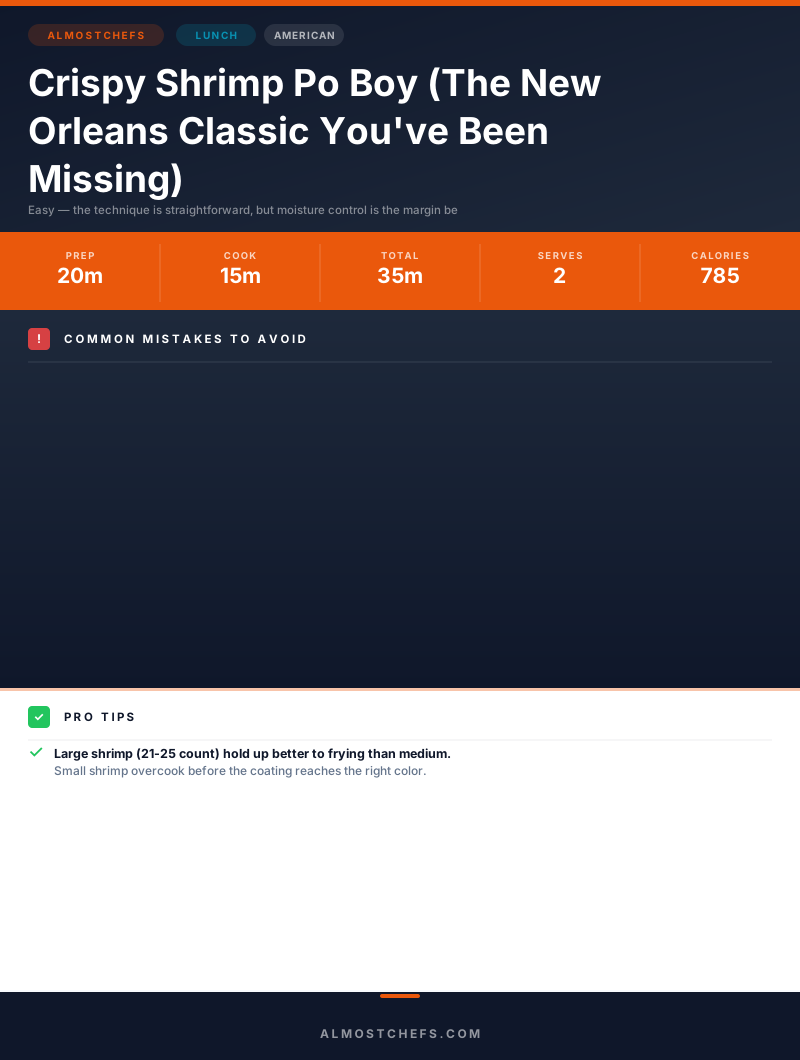
The Science of
Crispy Shrimp Po Boy (The New Orleans Classic You've Been Missing)
We turned everything on this page into a beautiful, flour-proof PDF cheat sheet. Print it out, stick it to your fridge, and never mess up your crispy shrimp po boy (the new orleans classic you've been missing) again.
*We'll email you the high-res PDF instantly. No spam, just perfectly cooked meals.
AlmostChefs Editorial Team
We translate the internet's most popular cooking videos into foolproof, beginner-friendly written recipes. We analyze multiple methods, test them in our kitchen, and engineer a single "Master Recipe" that gives you the best possible result with the least possible stress.