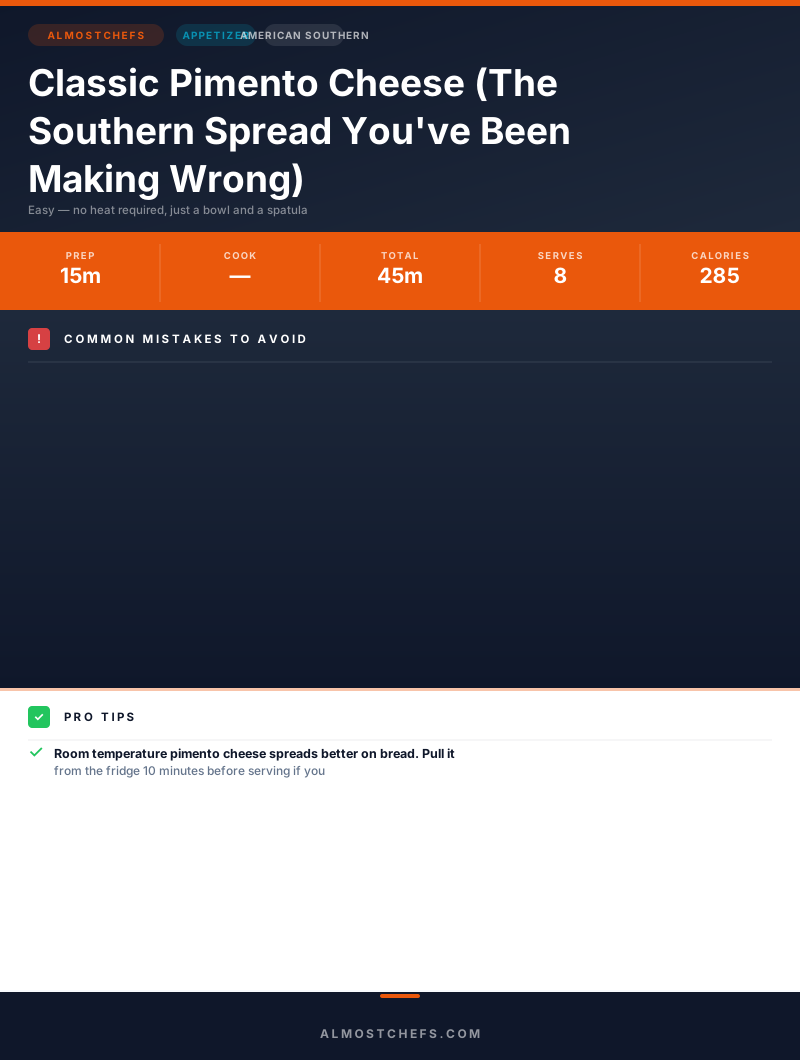
Classic Pimento Cheese (The Southern Spread You've Been Making Wrong)
A creamy, tangy Southern spread built on sharp cheddar, roasted red peppers, and a handful of pantry staples. We broke down the most popular methods to land on one no-fuss technique that nails the texture every time — smooth without being gluey, bold without being salty.

“Every Southerner has an opinion about pimento cheese, and most of them are correct about one thing: store-bought is an insult to the concept. The problem isn't the recipe — it's execution. Pre-shredded cheese coated in cellulose, jarred pimientos drowned in vinegar, mayonnaise that tastes like it was made in a factory the size of Rhode Island. Homemade pimento cheese takes 15 minutes and tastes like a completely different food. The only rule: shred your own cheese.”
Why This Recipe Works
Pimento cheese is the rare dish where simplicity is the whole point — and where that simplicity creates exactly the traps that ruin most homemade versions. Five ingredients. No heat. Fifteen minutes. And yet people consistently produce something gluey, watery, or weirdly grainy. The failures are almost always about technique, not recipe.
The Cheese Question
Sharp cheddar is not a suggestion — it's the structural and flavor backbone of the entire spread. But how you handle it before it goes in the bowl determines everything. Pre-shredded cheese from a bag is coated in anti-caking agents (cellulose, potato starch, or both) specifically engineered to keep shreds from clumping. That same coating prevents them from binding into a cohesive spread. You end up with a bowl full of orange confetti suspended in mayonnaise instead of a unified, creamy dip.
Buy a block. Use a box grater or a food processor with a shredding disc, and shred it cold — cold cheese shreds cleanly, while warm cheese smears. This single change is worth more than any ratio adjustment you could make.
The Cream Cheese Variable
Cream cheese exists in this recipe to provide body and bind the shredded cheddar into a cohesive mass. But cold cream cheese is a dense, rigid block that refuses to blend. Fold it straight from the fridge and you'll spend two minutes chasing hard chunks through the mixture while the shredded cheddar goes everywhere. Ten to fifteen minutes on the counter fixes this entirely. The cream cheese becomes pliable, accepts the shredded cheddar immediately, and the two combine in under a minute of folding.
The Pepper Architecture
Most recipes use only jarred pimientos. This one uses both pimientos and roasted red peppers, and the difference matters. Pimientos are a specific sweet pepper variety — small, mild, and distinctly aromatic. Roasted red bell peppers bring more volume, a slightly smokier character, and structural body. Together they create layered pepper flavor instead of a single flat note. The roasted red pepper juice drizzled on top at the end isn't decoration — it seeps into the surface during the chill and intensifies the pepper presence in every bite.
Drain both aggressively. Excess brine dilutes the cheese flavor immediately and makes the spread watery within 24 hours as the salt draws more moisture out over time. Drain in a fine-mesh sieve, then press gently with a paper towel. It takes thirty seconds and saves the texture.
The Meld Period
Pimento cheese served immediately after mixing tastes assembled, not cohesive. The lemon juice is sharp. The cayenne bites hard. The paprika sits on top of the other flavors rather than through them. Thirty minutes in the refrigerator changes all of this. The acid in the lemon distributes through the fat in the cheese. The spices bloom into the mayonnaise. The peppers release their sweetness into the surrounding spread. What tasted harsh and separate becomes rounded and unified.
This is the step most people skip because they're in a hurry or skeptical that it matters. It matters more than any ingredient adjustment you could make.
The Seasonings
Worcestershire is the hidden variable. It contributes umami depth that prevents the spread from tasting purely like melted cheese — which sounds fine in theory but registers as flat in practice. Lemon juice provides brightness and keeps the richness from sitting heavy. Smoked paprika adds warmth and color. Cayenne provides heat that you feel at the back of the throat rather than on the tip of the tongue.
The correct order is: build the cheese base, add the peppers and mayonnaise, then season. Tasting the spread cold tells you almost nothing — cold blunts flavor perception significantly. Season bolder than you think you need before the chill, and it will land exactly right when served.
Where Beginners Mess This Up
Before we start, read this. These are the 4 reasons your classic pimento cheese (the southern spread you've been making wrong) will fail:
- 1
Using pre-shredded cheese: Pre-shredded cheddar is coated in anti-caking agents — usually cellulose or potato starch — that prevent it from binding smoothly into the spread. You end up with a gritty, separated texture instead of a cohesive, creamy dip. Buy a block and shred it yourself. This is non-negotiable.
- 2
Not softening the cream cheese: Cold cream cheese doesn't incorporate — it clumps. You'll spend five minutes chasing hard chunks through your mixture while the texture turns lumpy and uneven. Pull it from the fridge at least 10-15 minutes before you start, or it will fight you the entire way.
- 3
Skipping the chill time: Pimento cheese made and served immediately tastes flat and slightly harsh. The 30-minute rest in the fridge is where the flavors meld — the lemon brightens the cheese, the paprika blooms into the fat, and the pimientos lose their sharp edge. Shortcut this and you get a mediocre dip instead of a great one.
- 4
Over-processing the cheese: A food processor is useful for breaking the cheese down, but 20-30 seconds is the ceiling. Pulse past that and the heat from the blade starts melting the fat out of the cheese, turning your spread greasy and dense. You want crumbles, not a paste.
The Video Reference Library
Want to see it in action? Here are the exact videos we analyzed and combined to build this foolproof recipe translation:

The foundational technique video. Covers the shredding method, cream cheese incorporation, and the importance of the chill rest. Clear close-ups of the finished texture you're aiming for.
2. Southern Pimento Cheese from Scratch
Walks through ingredient ratios and how to adjust heat level with cayenne. Good reference for understanding how the spread should look before and after refrigeration.
3. Pimento Cheese Three WaysCovers serving variations — crackers, grilled sandwiches, and stuffed celery — with notes on how texture preferences shift depending on use case. Useful if you're scaling the recipe up for a crowd.
🛠️ Core Equipment
- Box grater or food processor ↗For shredding block cheddar fresh. A box grater gives you the most control over texture — coarse shreds hold their structure better than machine-fine crumbles. A food processor with a shredding disc is faster for large batches.
- Rubber spatula ↗For folding the mixture without overworking it. A wooden spoon works for the final stir, but the spatula is essential early on when you're pressing cream cheese into shredded cheddar — you need something flexible that scrapes cleanly.
- Medium mixing bowl ↗Wide enough to give you room to fold and stir without flinging cheese across the counter. A narrow bowl forces you to stir vertically, which overworks the mixture.
- Fine-mesh sieve or paper towels ↗For draining the pimientos thoroughly. Excess brine in the mixture dilutes the cheese flavor and makes the spread watery after a day in the fridge. Drain well, then press gently with a paper towel.
Classic Pimento Cheese (The Southern Spread You've Been Making Wrong)
🛒 Ingredients
- ✦2 cups sharp cheddar cheese, finely shredded (from a block — not pre-shredded)
- ✦4 oz cream cheese, softened to room temperature
- ✦1 cup roasted red peppers, finely chopped
- ✦1/2 cup mayonnaise
- ✦2 tablespoons diced pimientos, drained
- ✦1 teaspoon smoked paprika
- ✦1/2 teaspoon garlic powder
- ✦1/4 teaspoon cayenne pepper
- ✦2 tablespoons fresh chives, finely minced
- ✦1 tablespoon fresh lemon juice
- ✦1/2 teaspoon sea salt
- ✦1/4 teaspoon black pepper
- ✦1/4 teaspoon Worcestershire sauce
- ✦2 tablespoons roasted red pepper juice from the jar
👨🍳 Instructions
01Step 1
Remove the cream cheese from the refrigerator and let it sit at room temperature for 10-15 minutes until soft and spreadable.
02Step 2
Pulse the shredded cheddar in a food processor for 20-30 seconds to break it into a finer crumble, or shred it fresh on the fine side of a box grater.
03Step 3
Transfer the cheddar to a medium mixing bowl. Add the softened cream cheese and fold together with a rubber spatula until mostly combined.
04Step 4
Add the finely chopped roasted red peppers, mayonnaise, and drained pimientos. Fold to distribute evenly.
05Step 5
Sprinkle in the smoked paprika, garlic powder, cayenne pepper, and sea salt. Drizzle the lemon juice and Worcestershire sauce over the top.
06Step 6
Stir vigorously with a wooden spoon for 1-2 minutes until the spread is cohesive, smooth, and evenly colored.
07Step 7
Fold in the minced chives gently, reserving a small pinch for garnish.
08Step 8
Transfer to a serving bowl. Drizzle the reserved roasted red pepper juice over the top.
09Step 9
Cover tightly with plastic wrap pressed directly onto the surface and refrigerate for at least 30 minutes before serving.
10Step 10
Serve chilled or at room temperature with crackers, fresh vegetables, or crusty bread.
Nutrition Per Serving
Estimates based on standard preparation. Adjustments alter macros.
🔄 Substitutions
Instead of Mayonnaise...
Use Greek yogurt
Tangier flavor, lighter texture, higher protein. Works well but changes the character of the spread — it becomes brighter and less rich. Start with 1/3 cup and adjust to texture.
Instead of Sharp cheddar...
Use Aged white cheddar or Gruyère
More complex, nuttier flavor profile. Gruyère melts more smoothly and brings a subtle sweetness that plays well against the cayenne. Naturally lower in lactose for sensitive palates.
Instead of Cream cheese...
Use Mascarpone or whole-milk ricotta
Mascarpone is richer and silkier — produces a more luxurious spread. Ricotta is lighter and slightly grainy; blend it smooth first for best results.
Instead of Regular paprika...
Use Smoked paprika with a pinch of turmeric
Deeper, warmer spice profile. The turmeric adds subtle earthiness and color without being detectable as turmeric. Use a light hand — a pinch only.
🧊 Storage & Reheating
In the Fridge
Store in an airtight container with plastic wrap pressed directly onto the surface for up to 4 days. Flavor peaks on day two.
In the Freezer
Not recommended. The mayonnaise and cream cheese separate when frozen and thawed, producing a greasy, broken texture that can't be rescued.
Reheating Rules
No reheating needed — serve cold or bring to room temperature for 10-15 minutes before serving. If the spread thickens in the fridge, stir in a teaspoon of roasted red pepper juice to loosen.
❓ Frequently Asked Questions
Why does my pimento cheese taste flat?
Two likely culprits: you didn't rest it long enough (flavors need at least 30 minutes to meld in the fridge), or it's under-seasoned. Cheese spreads need more salt than you think because cold temperatures suppress flavor perception. Season slightly bold before chilling.
Can I make pimento cheese without a food processor?
Yes — a box grater is actually preferred by many Southern cooks. Coarse-shredded cheddar gives the spread a more textured, rustic consistency rather than the smoother food processor version. Both are correct; it's a texture preference.
What's the difference between roasted red peppers and pimientos?
Pimientos are a specific variety of sweet red pepper — smaller, heart-shaped, and very mild. Roasted red peppers (usually bell peppers) are larger with a slightly more complex flavor. Using both, as this recipe does, gives you the authentic pimiento character plus extra pepper body and sweetness.
Why does my pimento cheese get watery after a day?
The pimientos and roasted peppers weren't drained thoroughly enough. They release water over time, especially when salt draws moisture from the cheese. Drain and then press with a paper towel before adding — that extra step makes the difference between a spread that holds and one that weeps.
Can I use low-fat cream cheese or mayonnaise?
Technically yes, but the texture suffers. Low-fat versions contain more water and stabilizers that prevent clean incorporation. The spread will be looser, slightly grainy, and less cohesive. Full-fat dairy is doing structural work here, not just adding richness.
How far in advance can I make this for a party?
Up to 48 hours. The spread actually improves overnight as the flavors meld. Make it the night before, press plastic wrap onto the surface, and refrigerate. Pull it out 15 minutes before guests arrive for ideal spreading consistency.
The Science of
Classic Pimento Cheese (The Southern Spread You've Been Making Wrong)
We turned everything on this page into a beautiful, flour-proof PDF cheat sheet. Print it out, stick it to your fridge, and never mess up your classic pimento cheese (the southern spread you've been making wrong) again.
*We'll email you the high-res PDF instantly. No spam, just perfectly cooked meals.
AlmostChefs Editorial Team
We translate the internet's most popular cooking videos into foolproof, beginner-friendly written recipes. We analyze multiple methods, test them in our kitchen, and engineer a single "Master Recipe" that gives you the best possible result with the least possible stress.