Crispy Pigs in a Blanket (The Party Appetizer That Actually Stays Crispy)
Classic sausages wrapped in homemade whole wheat pastry, brushed with a Dijon-maple glaze, and baked until deep golden and shattering-crisp. We analyzed the technique behind the best versions to build one foolproof method that delivers flaky pastry and juicy sausage every single time.
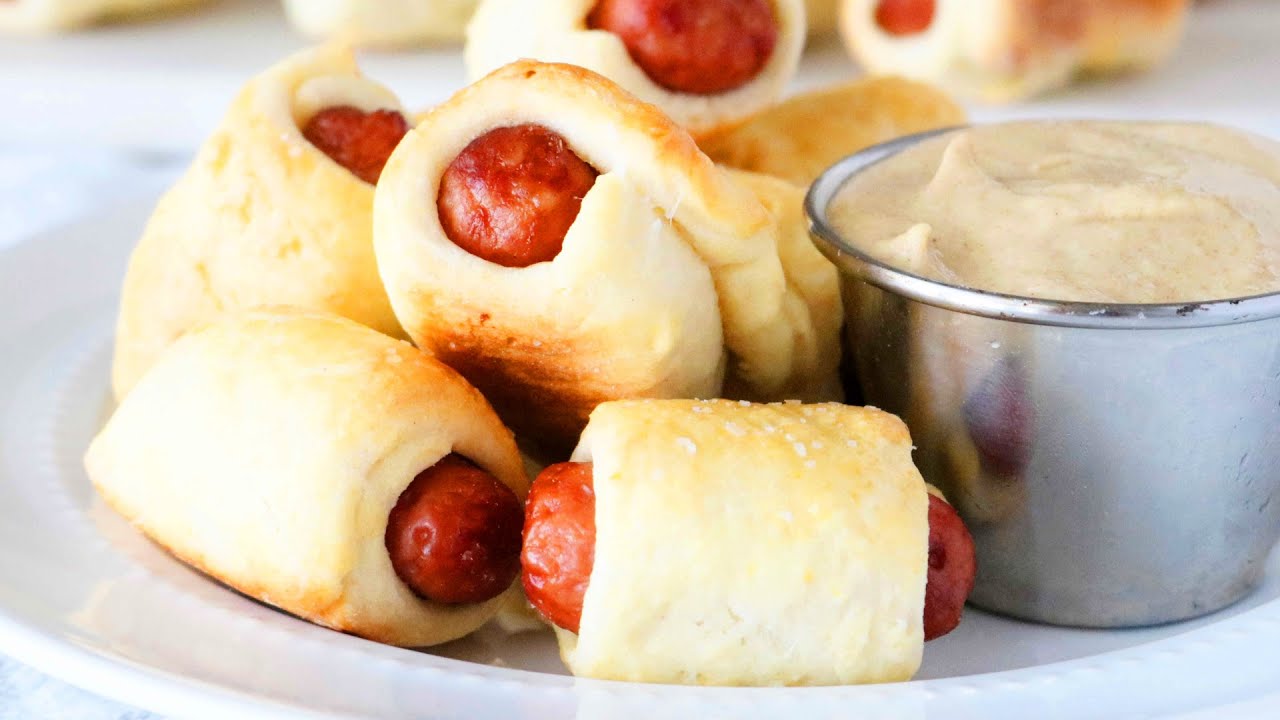
“Every party table has pigs in a blanket. Most of them are soggy, pale, and forgettable — the pastry separates from the sausage and the whole thing collapses into a greasy mess. The difference between those and the ones that disappear in four minutes comes down to three things: cold butter, rested dough, and a properly hot oven. We tested every major technique to find the one that delivers shatteringly crisp pastry wrapped around a juicy sausage, every single time.”
Why This Recipe Works
Pigs in a blanket are deceptively simple and almost universally executed wrong. The concept is just sausage wrapped in pastry — two ingredients — and yet the failure rate at every party table is staggering. Pale pastry that peels off. Soggy bottoms. Dough that tastes like raw flour with a faint grease impression. The problem is almost never the recipe. It's the technique, and specifically it's three technique failures that compound into one disappointing appetizer.
The Cold Butter Doctrine
Flaky pastry is not complicated. It is cold butter, kept cold, until it hits a hot oven. That's the entire principle. When solid butter pieces vaporize in the oven, they release steam that pushes the flour layers apart and creates the flaky, shattered texture that makes you want to eat four of these instead of one. When warm butter incorporates fully into the flour, there are no discrete pieces left to vaporize — just a uniform fat-flour matrix that bakes into something dense and bready.
This is why everything in the dough-making process is designed around temperature control. Ice water instead of tap water. A chilled bowl if you're serious. Working fast. And the 30-minute refrigerator rest, which is not optional — it re-chills the butter back to the ideal state after your hands have inevitably warmed it slightly during mixing. A pastry cutter is better than fingers precisely because it generates less heat. Every degree of cold you maintain is a direct investment in the final texture.
The Maillard Case for Patience
Most people pull these out when they're "golden." Golden is not done. Golden is 70% of the way to done. What you want is deep amber — the color of a well-aged whiskey, the color that looks like you've gone slightly too far. That deep brown is the Maillard reaction finishing its work on the outer pastry, converting amino acids and sugars into hundreds of new flavor compounds. The difference in flavor between pale pastry and properly browned pastry is not subtle. It's the difference between eating buttered flour and eating something worth serving.
A heavy baking sheet matters here. Thin pans warp under high heat and create uneven hot zones. One corner of your batch burns while the rest stays pale. Heavy aluminum distributes heat evenly and gives you consistent results across all 16 pieces simultaneously.
The Spiral Geometry
The wrapping technique determines whether the pastry stays on the sausage or slides off it in the oven. A tight spiral with each turn overlapping the previous by at least a quarter inch creates mechanical interlocking — the dough holds itself in place through structure, not just stickiness. The seam goes down against the pan so gravity reinforces the seal during the entire bake. The egg wash, applied into the seam before baking, creates an additional protein bond as it sets.
The Glaze Function
The Dijon-maple glaze isn't decoration. Mustard contains emulsifiers that help the glaze adhere evenly to the dough surface without pooling or sliding off. The maple syrup provides fermentable sugars that accelerate the Maillard reaction on the outer pastry surface, helping it brown faster and more evenly. Applied in a thin layer before wrapping, the glaze also acts as a flavor adhesive — the sausage and pastry taste unified rather than like two separate components that happen to be adjacent.
Apply the glaze thin. Too much moisture on the dough surface before it hits the oven creates steam that softens the outer layer and prevents crisping. A pastry brush gives you the thin, even coverage that a spoon or finger cannot.
Keep the spacing generous on the pan. Two inches of air between each piece allows convective heat to circulate and crisp the sides and bottoms. Crowded pans trap steam from the cooking sausages and turn the bottoms of your pastry from crisp to steamed. One good baking sheet per batch, properly spaced, beats two overcrowded ones every time.
Where Beginners Mess This Up
Before we start, read this. These are the 4 reasons your crispy pigs in a blanket (the party appetizer that actually stays crispy) will fail:
- 1
Warm butter in the dough: Cold butter is what creates flaky layers. When butter is too warm, it incorporates fully into the flour instead of staying as discrete pieces. Those pieces are what vaporize in the oven and create lift. Soft butter produces dense, bread-like pastry instead of crisp, layered pastry. Keep everything cold — the bowl, the butter, even the water.
- 2
Skipping the dough rest: Refrigerating the dough for 30 minutes isn't optional. The rest lets the gluten relax so the dough rolls out without snapping back, and it re-chills the butter so it's in the right state when it hits the oven. Rushing this step produces tough, uneven pastry that shrinks off the sausage during baking.
- 3
Overcrowding the baking sheet: Pigs in a blanket need space. Crowded pans trap steam underneath the pastry and produce soft, pale bottoms. Two inches of spacing between each piece allows hot air to circulate and crisp every surface — not just the top.
- 4
Pulling them out too early: Light golden is not done. You want deep, mahogany-brown pastry. Pale pastry is undercooked pastry — soft, doughy, and prone to separating from the sausage. Rotate the baking sheets halfway through and let them go the full 22 minutes if needed.
The Video Reference Library
Want to see it in action? Here are the exact videos we analyzed and combined to build this foolproof recipe translation:
Step-by-step technique for making the dough from scratch and wrapping the sausages cleanly. Particularly useful for understanding the right dough consistency and spiral wrapping method.
🛠️ Core Equipment
- Pastry cutterCuts cold butter into flour without warming it with your hands. The goal is coarse, pea-sized butter pieces in the dough, not a uniform paste. A fork works in a pinch but a [pastry cutter](/kitchen-gear/review/pastry-cutter) is faster and more consistent.
- Parchment paperServes double duty: use it to roll the dough without adding extra flour, and line the baking sheets to prevent sticking and promote even browning on the bottom. Silicone mats retain too much moisture — parchment is the right call here.
- Heavy baking sheetThin sheet pans warp in high heat and create hot spots that burn the bottoms before the tops are done. A heavy, rimmed [baking sheet](/kitchen-gear/review/baking-sheet) conducts heat evenly across all 16 pieces simultaneously.
- Pastry brushFor applying both the Dijon-maple glaze and the egg wash with precision. Uneven egg wash creates patchy browning. A [pastry brush](/kitchen-gear/review/pastry-brush) gives you thin, even coverage without pooling in the seams.
Crispy Pigs in a Blanket (The Party Appetizer That Actually Stays Crispy)
🛒 Ingredients
- ✦16 ounces chicken sausages or uncured pork sausages
- ✦2 cups whole wheat pastry flour
- ✦1 cup all-purpose flour
- ✦8 tablespoons cold unsalted butter, cubed
- ✦1 teaspoon fine sea salt
- ✦1/2 teaspoon black pepper
- ✦1/4 teaspoon garlic powder
- ✦4 to 5 tablespoons ice water
- ✦1 tablespoon Dijon mustard
- ✦1 tablespoon pure maple syrup
- ✦1 large egg yolk, for egg wash
- ✦2 tablespoons water, for egg wash
- ✦1 teaspoon sesame seeds or poppy seeds, optional
- ✦2 tablespoons fresh chives, finely minced
👨🍳 Instructions
01Step 1
Combine whole wheat pastry flour, all-purpose flour, salt, pepper, and garlic powder in a large mixing bowl and whisk to distribute.
02Step 2
Cut cold butter cubes into the flour mixture using a pastry cutter or your fingertips until the mixture resembles coarse breadcrumbs with some pea-sized butter pieces remaining.
03Step 3
Drizzle ice water over the flour mixture one tablespoon at a time, tossing gently with a fork after each addition until the dough just comes together. Stop as soon as it holds when squeezed.
04Step 4
Form the dough into a flat disk, wrap in parchment paper, and refrigerate for at least 30 minutes until firm.
05Step 5
Preheat your oven to 400°F and line two large baking sheets with parchment paper.
06Step 6
Remove the dough from the refrigerator and roll it out between two sheets of parchment paper to a 12-by-16-inch rectangle about 1/8-inch thick.
07Step 7
Cut the dough into 16 equal strips, each approximately 3/4-inch wide by 6 inches long.
08Step 8
Whisk together Dijon mustard and maple syrup in a small bowl, then lightly brush this mixture onto each dough strip.
09Step 9
Wrap one dough strip around each sausage in a tight spiral, slightly overlapping the edges as you work down. Press the end firmly against the sausage to seal.
10Step 10
Place wrapped sausages seam-side down on the prepared baking sheets, spacing them at least 2 inches apart.
11Step 11
Whisk the egg yolk with 2 tablespoons of water, then brush generously over each wrapped sausage.
12Step 12
Sprinkle sesame seeds or poppy seeds over the tops if using. Scatter minced chives across the batch.
13Step 13
Bake for 18 to 22 minutes until the pastry is deep golden brown and crispy, rotating the baking sheets halfway through.
14Step 14
Remove from the oven and let cool for 3 to 5 minutes before serving warm with your favorite dipping sauce.
Nutrition Per Serving
Estimates based on standard preparation. Adjustments alter macros.
🔄 Substitutions
Instead of Whole wheat pastry flour...
Use All-purpose flour
Produces a lighter, more neutral-tasting pastry. Less fiber but more forgiving texture. Use the same quantity — no adjustment needed.
Instead of Chicken sausages...
Use Pork sausages or cocktail wieners
Classic choice. More forgiving in the oven since the higher fat content prevents drying. Increase internal temperature target to 160°F.
Instead of Unsalted butter...
Use Coconut oil or avocado oil (solid state)
Coconut oil must be in solid form — not melted. Adds subtle coconut flavor. Avocado oil is neutral. Both work but produce a slightly less flaky result than butter.
Instead of Maple syrup...
Use Honey or blackstrap molasses
Honey is a direct swap with slightly floral sweetness. Molasses adds depth and a darker glaze color with less sweetness. Use the same quantity.
🧊 Storage & Reheating
In the Fridge
Store in an airtight container for up to 3 days. The pastry softens in the fridge — reheat properly to restore crispiness.
In the Freezer
Freeze baked pigs in a blanket in a single layer, then transfer to a zip bag for up to 2 months. Or freeze unbaked, wrapped sausages and bake directly from frozen at 400°F for 25-28 minutes.
Reheating Rules
Reheat in a 375°F oven for 8-10 minutes on a wire rack set over a baking sheet. The rack lifts them off the pan so hot air crisps all sides. Microwaving produces steam-softened pastry — avoid it entirely.
❓ Frequently Asked Questions
Why is my pastry separating from the sausage during baking?
Two causes. First, you didn't overlap the dough enough when wrapping — each spiral turn should overlap the previous by at least a quarter inch. Second, the seam wasn't pressed firmly against the sausage before placing on the pan. Always bake seam-side down so gravity and heat seal it shut.
Can I use store-bought crescent roll dough instead of making my own?
Yes, and it works fine for a quick version. Unroll the crescent dough, press the seams together, cut into strips, and wrap. You lose the whole wheat fiber benefit but gain significant time. Bake at 375°F instead of 400°F since crescent dough browns faster.
Why does my pastry look pale even after 22 minutes?
Your oven is running cool. Oven thermometers are cheap and almost always reveal a calibration gap of 25-50°F. Get one. Also, check that you're baking on parchment, not a silicone mat — silicone insulates the bottom and slows browning significantly.
How do I keep them crispy for a party?
Bake them as close to serving time as possible. If you need to hold them, place on a wire rack in a 250°F oven for up to 30 minutes. The rack prevents steam buildup under the pastry. Avoid covering them with foil — trapped steam is the enemy of crispiness.
Can I make these ahead and freeze them unbaked?
Yes — this is the best make-ahead strategy. Wrap the sausages, place on a parchment-lined sheet, freeze until solid, then transfer to a zip bag. Bake directly from frozen at 400°F for 25-28 minutes. The results are nearly identical to fresh-baked.
What dipping sauces work best?
The Dijon-maple glaze thinned with a splash of apple cider vinegar is the natural pairing. Beyond that: honey mustard, whole grain mustard, beer cheese sauce, or a simple hot sauce-mayo combination. Ketchup works if you don't tell anyone.

The Science of
Crispy Pigs in a Blanket (The Party Appetizer That Actually Stays Crispy)
We turned everything on this page into a beautiful, flour-proof PDF cheat sheet. Print it out, stick it to your fridge, and never mess up your crispy pigs in a blanket (the party appetizer that actually stays crispy) again.
*We'll email you the high-res PDF instantly. No spam, just perfectly cooked meals.
AlmostChefs Editorial Team
We translate the internet's most popular cooking videos into foolproof, beginner-friendly written recipes. We analyze multiple methods, test them in our kitchen, and engineer a single "Master Recipe" that gives you the best possible result with the least possible stress.